

Understanding Robot Trading in Financial Markets
🤖 Explore how robot trading systems work in South Africa, their pros, risks, and impact on markets. Get insights on automated trades and investment tips!
Edited By
James Whitaker
Automated trading bots are reshaping how South African traders engage with financial markets. These software programmes execute buy and sell orders based on pre-set rules without human intervention. While common in cryptocurrency and stock markets worldwide, their presence locally is growing steadily, thanks to increased internet access and sophisticated brokerage platforms.
Bots analyse market data such as price movement, volume, and technical indicators much faster than any human could. This speed lets traders capitalise on fleeting opportunities and reduce emotional decision-making, which can cloud judgement. For instance, a bot on the Johannesburg Stock Exchange (JSE) might place multiple quick trades to profit from small price fluctuations overnight.

That said, these tools aren't magic wands. They require careful configuration and ongoing monitoring. Not all bots are created equal; some specialise in momentum trading while others follow trend reversal strategies. Understanding what each type offers helps traders align their goals and risk appetite.
Automated trading bots can generate consistent profits but pose risks if used without proper knowledge or risk controls.
Key advantages include:
Faster and more consistent trade execution: Bots operate 24/7, which is vital in crypto markets that never sleep.
Elimination of emotional bias: Bots stick to the rules, avoiding panic selling or greedy buying.
Backtesting capabilities: Traders can test strategies on historical South African market data to evaluate effectiveness.
On the flip side, risks involve:
Technical glitches causing missed or duplicated trades.
Market volatility can swamp bot strategies designed for steadier conditions.
Regulatory considerations: Traders must ensure their bot use complies with the Financial Sector Conduct Authority (FSCA) guidelines.
This article will explore how these bots function, their practical benefits and pitfalls, and how South African traders can make smart choices. Real-life examples and tips on selecting the right bot for local markets will help you trade smarter, not harder.
Automated trading bots have reshaped how many traders approach the markets, offering tools that can respond faster than humans and operate continuously without fatigue. Understanding what these bots are and how they function is critical for traders and financial advisors aiming to integrate technology into their strategies responsibly and effectively.
Algorithmic trading involves using computer programs that follow a defined set of instructions—an algorithm—to place trades. These rules are based on timing, price, quantity, or other market indicators. For example, an algorithm might trigger a buy order once a stock drops by 2% within an hour. The real appeal lies in executing trades precisely and swiftly, which helps traders seize opportunities and manage risks in volatile markets.
Trading bots monitor market data like price movements and volume in real time to decide when and what to trade. Once the conditions set by the algorithm are met, the bot places orders automatically through trading platforms, eliminating the usual delays caused by manual intervention. This means a bot can capitalise on short-lived opportunities or maintain consistent trading activity even outside regular market hours.
Bots are typically programmed in languages such as Python, Java, or C++, each chosen for their speed, flexibility, or integration capabilities. Many trading bots connect with popular platforms like MetaTrader, Interactive Brokers, or Binance, which offer APIs for automated trading. For local traders, compatibility with platforms like PSG or Standard Bank Online is a practical factor when selecting or building bots.
Market-making bots work by continuously placing buy and sell orders around a particular asset's market price. Their goal is to profit from the spread between the bid and ask prices. By providing liquidity, these bots smooth trading and can earn steady income from small price differences—even in markets like the JSE where volatility may limit larger gains.
Arbitrage bots exploit price discrepancies of the same asset across different exchanges. For instance, if Bitcoin trades at R700,000 on a local crypto exchange and at R705,000 on an international platform, an arbitrage bot can quickly buy on the cheaper market and sell on the pricier one, pocketing the difference. Speed is key here, as these windows are often fleeting.
These bots track market trends using indicators such as moving averages or momentum oscillators. They take positions aligned with the current direction—buying when an uptrend is detected or selling during a downtrend. Trend-following bots fit well with strategies that aim to ride sustained market movements, making them popular among traders seeking to avoid constant market monitoring.
Scalping bots aim for rapid, tiny profits by entering and exiting positions within minutes or even seconds. They work best in highly liquid markets and thrive during active trading periods. By executing many trades with small gains, scalpers hope to accumulate a sizable profit over time. The precision and speed of bots make them ideal for this fast-paced approach.
Automated trading bots come in diverse forms tailored to various market styles and player preferences. Knowing their operation and specific roles can help you choose the right tool for your trading goals while navigating risks effectively.
Automated trading bots have become a staple in South Africa’s trading environment, especially among cryptocurrency and stock traders. They offer clear advantages, but it’s equally important to understand their limitations before relying heavily on them. Knowing what bots bring to the table—and where they might trip you up—prepares traders to use these tools effectively and responsibly.
One of the biggest draws for automated trading bots is their ability to act quickly and efficiently. Unlike a human trader who might hesitate or miss an opportunity, bots can execute multiple trades in milliseconds. For example, in volatile markets like the Johannesburg Stock Exchange (JSE), a bot can place orders faster than a person dealing manually—both in buying and selling—capitalising on fleeting price differences before they vanish.
This speed translates into more opportunities and potentially better profits. Bots can also scan various markets simultaneously, something impractical for humans, especially when juggling other responsibilities. This efficiency helps traders capture trades that might otherwise be missed due to slower reaction times.
Trading often involves high stress and emotional swings, which can lead to poor decisions like panic selling or greed-driven overtrading. Bots operate purely on rules and strategies programmed in advance, stripping out emotional biases.
For instance, during Eskom-induced load-shedding periods when traders might be distracted or anxious, bots continue to trade according to strategy without fear or hesitation. This emotionless approach can result in more consistent trading outcomes and prevent costly mistakes made under pressure.
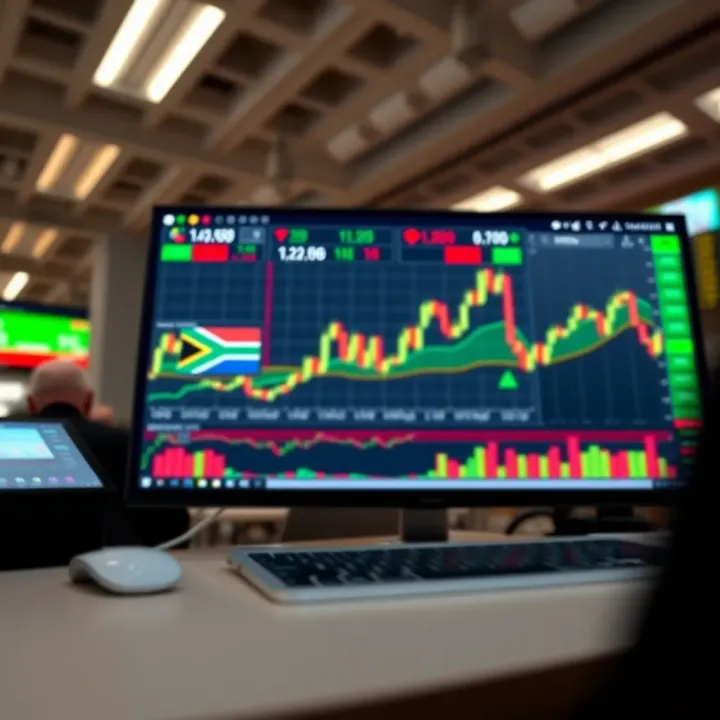
Unlike traditional markets that close after hours, cryptocurrency exchanges and some global stock markets run round the clock. Bots enable traders in South Africa to participate seamlessly at any time—even while asleep or out to braai with friends.
This continuous operation is especially beneficial in crypto markets, where price swings can happen overnight. Bots monitor these movements and execute trades whenever conditions match set criteria. That way, traders don’t miss out simply because it’s outside normal trading hours or inconvenient.
Bots depend on complex algorithms and software code, which means technical glitches can arise. A small bug might lead to incorrect orders or failure to act in crucial moments, potentially causing losses.
Consider a scenario where a bot suddenly stalls during a steep market drop on a platform like Standard Bank Online trading or a crypto exchange. Without immediate human intervention, losses can accumulate rapidly. Therefore, continuous monitoring is vital, and traders should have backup plans in case of software failures.
Traders who rely entirely on bots without supervision risk missing important market signals or changes in fundamentals that a bot’s programming doesn’t capture. Bots work well with clear-cut rules but can falter if market conditions shift unexpectedly.
For example, new legislation affecting the South African financial market might not be reflected instantly in a bot’s logic, leading to trades that are no longer wise. Over-reliance without manual checks turns automated trading into a "set and forget" gamble, which often backfires.
Bots generally perform best in stable or predictable markets. However, high volatility—common in South African equity or crypto markets—can cause rapid price swings that bots may struggle to navigate.
During sudden market shocks, bots might trigger a flurry of buy or sell orders, amplifying losses or generating unexpected outcomes. Additionally, some bots focus on short-term trends and can be caught out by sudden reversals common in volatile periods. Human oversight to adjust settings or pause bots can help manage such risks.
Automated bots offer traders clear advantages but come with risks that need constant management and understanding.
Balancing these pros and cons ensures traders enjoy the benefits of fast, emotion-free, and round-the-clock trading while staying alert to the pitfalls that automation can bring in South Africa’s unique market conditions.
Understanding the legal framework governing automated trading bots is essential for anyone looking to operate or invest in South African financial markets. The rise of trading algorithms has drawn the attention of regulators focused on market fairness, data protection, and tax compliance. For traders, grasping these rules not only avoids penalties but also helps build trust with brokers and clients, ensuring smoother market participation.
The FSCA oversees financial markets to protect consumers and promote fair practices. For trading bots, this means any automated system must comply with FSCA regulations covering financial advice, trading practices, and platform licensing. If your bot operates through a registered broker or platform, you're indirectly subject to FSCA rules that discourage market manipulation, insider trading, and unlicensed activity.
In practice, using a bot on a platform authorised by the FSCA provides an extra layer of security. It ensures the software adheres to standards that prevent abuse while maintaining transparent reporting and accountability. Traders should verify the credentials of their platform and the bot provider to stay on the right side of these requirements.
The Protection of Personal Information Act (POPI Act) regulates how personal and financial data is collected, stored, and processed. Automated trading bots often handle sensitive information like identity details, banking info, and transaction history. It's crucial that bot developers and users comply with POPI by securing data against unauthorised access and ensuring transparency about data use.
For example, if you're subscribing to a bot hosted abroad or by a third party, check if they have POPI-compliant data measures in place. Failure to safeguard client information can lead to fines and damage your trading reputation, especially if data leaks disrupt your operations or violate client trust.
South Africa’s securities laws include rules against unfair trading practices, market manipulation, and insider dealing. Since bots can execute trades faster than humans, regulators keep an eye on algorithmic trading to prevent exploits like quote stuffing or layering, where the bot floods the market with orders to confuse others.
To stay compliant, ensure your trading bot operates within set limits, avoids manipulative strategies, and respects exchange rules. Brokerages often monitor suspicious activity and can suspend accounts if bots cross regulatory lines. Keeping your algorithm transparent and within legal boundaries protects you from sanctions and market disputes.
In South Africa, profits from trading—whether manual or automated—are generally subject to Capital Gains Tax (CGT). This includes gains realised from cryptocurrency or shares bought and sold by your trading bot. The CGT portion of your taxable income must be declared to SARS during the tax year when profits occur.
For instance, frequent trades by an automated system might blur the lines between investment and business income, so consult a tax professional to determine if your activities attract income tax instead. Keeping clear records and understanding CGT helps avoid unexpected tax bills at year-end.
SARS requires thorough record-keeping for all taxable transactions. When using automated bots, it’s critical to maintain logs of every trade executed, including timestamps, asset details, values, and fees. This data supports your tax returns and helps resolve any SARS audits or queries.
Platforms often provide downloadable statements, but relying solely on them may not capture all details—particularly if you use multiple brokers or bots. It’s wise to set up your own system to back up this information securely.
SARS provides clear guidelines for traders—especially those involved in frequent buying and selling—covering how profits should be declared and what expenses can be deducted. They emphasise transparency and accuracy, so automated traders must align their reporting with tax laws.
For example, you can deduct some related costs like platform fees, data subscriptions, and software expenses but not personal costs. Regular consultation with SARS updates or a qualified tax advisor helps you avoid pitfalls and stay compliant year-round.
Traders should never underestimate the role of regulation and tax compliance when using trading bots in South Africa—understanding and respecting these requirements ensures sustainable and lawful trading.
By remaining aware of the FSCA’s oversight, POPI data rules, securities laws, and SARS tax guidelines, traders can confidently include automated systems in their trading toolkit without risking their licence to trade or financial penalties.
Using trading bots can give you an edge, but only if you choose and manage them carefully. Not all bots are created equal, and a bot that suits one trader may not work for another. Picking the right tool and managing it responsibly helps you avoid costly mistakes and keeps your trading strategy on track. For South African traders using platforms like PSG or Standard Bank Online, getting these choices right is particularly important given the local market nuances and regulatory environment.
Before committing to a trading bot, check whether it integrates smoothly with your trading platform. Some bots connect directly via APIs (Application Programming Interfaces) to platforms like PSG Online or Standard Bank Online, allowing automatic order execution without extra steps. If your bot doesn’t support your preferred platform, you might have to manually transfer signals, which defeats the point of automation.
For example, a trader using PSG Online would benefit from a bot that can execute trades directly through the platform’s API, ensuring orders happen at the right moment. Without this, you risk delays that could turn profit into loss, especially in volatile markets like cryptocurrencies.
Trading bots come with a range of pricing structures: some require a one-off purchase, others charge monthly subscriptions or take a cut of your profits. Carefully assess these costs versus your trading volumes and expected returns. A costly subscription might only make sense if the bot consistently improves your outcomes.
For instance, a bot charging R500 monthly might be affordable if you’re trading frequently with decent volume, but it could eat into profits for casual traders. Also, some free or low-cost bots might not offer timely updates or support, which can be risky.
Reputation matters. Look for bots with positive feedback across trader forums, review sites, and social media. Genuine reviews reveal how stable the bot’s performance is in live trading, not just in backtests.
For example, if many users complain about the bot freezing or experiencing API disconnects with South African banks, that’s a red flag. Conversely, strong endorsements from reputable traders can give you more confidence to invest.
Even the best bots aren’t "set and forget" solutions. Monitoring performance daily helps you spot unexpected behaviour or shifts in market conditions that require tuning. If a bot starts losing regularly, it may need parameter adjustments or temporarily switched off.
South African markets can be affected by local events—loadshedding or political news, for example—that disrupt normal trading patterns. Keeping an eye lets you adapt rather than blindly following an algorithm whose assumptions no longer hold.
Never rely solely on a bot’s default settings. Set clear limits on how much capital is exposed and use stop-loss orders where possible. Diversify strategies rather than putting all eggs in one bot's basket.
Consider starting with smaller amounts or demo accounts to test responses to local market quirks before committing real Rand. A bot that’s too aggressive could wipe your account quickly if risk controls are missing.
Bots don’t understand unexpected events or sudden shifts like political protests or sudden regulatory announcements impacting South African markets. Developing an eye for when to pause bots and regain manual control is essential.
For example, during heavy loadshedding phases, connectivity issues might disrupt orders. Stepping in to halt trading temporarily can save funds from unintended trades. Trust the bot but never rely entirely on automation.
Responsible use means balancing automation benefits with active human oversight. The combined approach protects your capital and sharpens your trading edge.
By carefully selecting the right bot and managing it actively, you’re better positioned to gain from automated trading without falling prey to common pitfalls.
Keeping an eye on upcoming trends in automated trading is key for anyone involved in South African financial markets. As technology and markets evolve quickly, understanding future directions helps traders and analysts prepare smarter strategies and adapt to shifting conditions. The developments in machine learning, data processing, mobile access, and regulatory changes are not just buzzwords; they have practical implications for managing risk and spotting opportunities.
Machine learning integration is becoming a game-changer for trading bots. Instead of relying solely on pre-set rules, bots trained with machine learning can recognise patterns and adjust strategies dynamically. For example, a bot could analyse historical data from the JSE or cryptocurrency markets to detect emerging trends, improving prediction accuracy. In South Africa’s often volatile environment, such adaptability can reduce losses and improve trade timing.
Improved data analysis speeds are vital for capitalising on fleeting market moves. Modern bots can sift through massive datasets—from exchange order books to economic indicators—and execute trades in milliseconds. This is crucial in crypto markets like BTC or ETH where prices swing fast. Traders who use platforms with enhanced data capabilities can respond quicker to changes, gaining an edge over laggard competitors.
Mobile trading bot apps for South African traders are increasingly popular thanks to widespread smartphone use. Apps by local brokers or fintech startups allow users to monitor and tweak bots on the go, making automated trading flexible for everyday schedules. This means you’re not tied to a desktop; you can react to market events during your commute or while chilling at a kafee. This accessibility has opened automated trading to broader audiences beyond experienced professionals.
One clear trend is the growing adoption in cryptocurrency markets. With the rise of platforms like Luno and VALR, more South Africans are using bots to trade digital assets. Automated strategies help manage 24/7 trading hours common to cryptos, something that manual trading struggles with. This uptake drives higher volumes and innovation around bot services tailored to local market preferences.
Bots influence market liquidity and volatility too. By providing constant buy and sell orders, market-making bots improve liquidity, making it easier to enter or exit positions without large price swings. However, some bots reacting to the same signals simultaneously can increase short-term volatility. Traders must know how this affects their strategies, especially during thin trading periods or Eskom load-shedding disruptions.
Finally, regulatory responses and adjustments are evolving as authorities like the FSCA monitor automated trading activities more closely. Rules surrounding transparency, fair trading, and data protection (POPIA) are tightening, which means bots must comply with stricter standards. For South African users, this underscores the need to choose reputable services that follow local regulations to avoid compliance headaches.
Automated trading is no longer just a technical niche—it's becoming a vital part of how markets function in South Africa, shaping opportunities and risks alike.
By understanding these trends, traders and analysts can better position themselves to make informed, responsible decisions in the face of ongoing change.
🤖 Explore how robot trading systems work in South Africa, their pros, risks, and impact on markets. Get insights on automated trades and investment tips!

📈 Learn how signal trading works for South African traders! Get insights on types, benefits, challenges, and tips to trade smarter with market signals.

Explore Sam Seiden's impact on forex trading 📈. Learn his trading philosophy, education methods, & how his technical analysis benefits traders in South Africa.

🤖 Discover how automated Forex trading robots work, their pros & cons, and tips to choose & use them wisely in South Africa’s Forex market.
Based on 10 reviews