
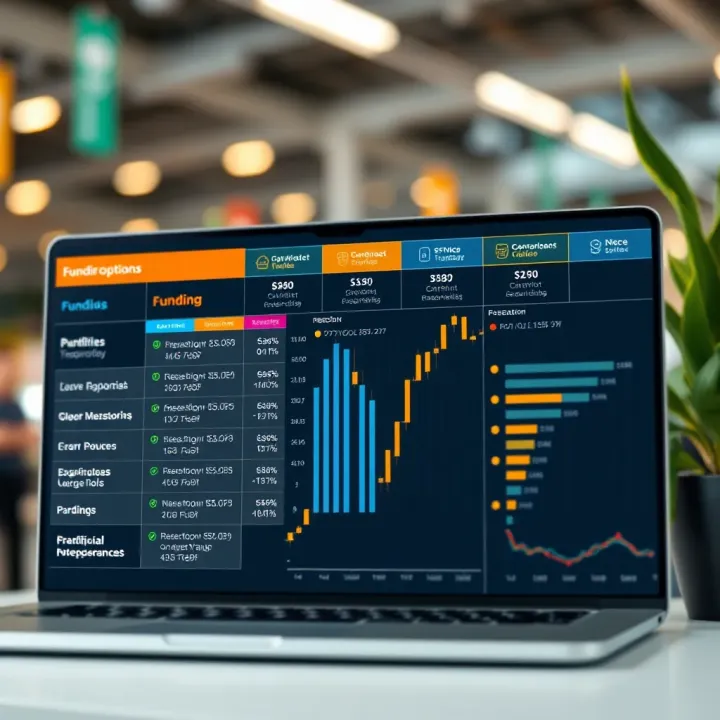
Review of The Funded Trader Program for South African Traders
Explore The Funded Trader program's structure, funding options & trading rules. Get tips to succeed as a South African trader with funded accounts 📈💰
Edited By
Henry Collins
Selecting the right broker for MetaTrader 5 (MT5) is a vital step for South African traders seeking a smooth, trustworthy experience. MT5 offers advanced tools and a more versatile trading environment compared to its predecessor, MT4, but not every broker can deliver its full potential locally.
When you're picking a broker, focus on factors like trading costs, regulatory oversight, platform compatibility, and responsive local support. For example, brokers regulated by the Financial Sector Conduct Authority (FSCA) provide an added layer of protection. This matters because unregulated platforms may leave you exposed to fraud or unfair trading practices.

In terms of costs, pay attention to spreads, commissions, and deposit or withdrawal fees, which can quickly erode your profits. Some brokers also have hidden charges or require minimum deposits higher than what suits casual traders.
Platform features on MT5 vary by broker. South African traders often look for easy access to local payment methods such as EFT or SnapScan, alongside global services. Also, check whether the broker offers customised tools, automated trading (Expert Advisors), and access to diverse asset classes beyond forex, like commodities or indices.
Local support is more than just customer service. Having a broker with a physical presence or South African-based support team can save time and frustration, especially when resolving technical issues or understanding market nuances affected by local events, such as loadshedding.
A reliable broker will deliver consistent pricing, transparent costs, and support tailored for South African traders — crucial elements for both beginners and seasoned investors.
Traders should therefore balance competitive costs with strong regulation and effective support to pick the best MT5 broker suited for their needs. The coming sections will unpack these areas in more detail to ensure you make an informed choice.
MetaTrader 5 (MT5) has become a go-to trading platform not just globally, but especially in South Africa. Knowing its strengths helps traders select brokers that support it effectively. MT5 integrates a range of trading features that go beyond basic buy-and-sell functions, providing practical tools that enhance decision-making and execution. For instance, many South African traders rely on MT5's multi-asset capabilities to diversify portfolios beyond forex.
MT5 allows trading across diverse asset classes—including stocks, futures, forex, indices, and commodities—all within a single platform. This is quite handy for South African traders who want to manage their entire portfolio without hopping between different applications. For example, a trader can follow the JSE Top 40 stocks alongside currency pairs like USD/ZAR, all in real time. This flexibility saves time and keeps trading unified.
MT5 offers enhanced charting with more timeframes and indicators than its predecessor. Traders get access to over 80 built-in technical indicators and can customise charts easily. This is a step up when analysing market trends or spotting entry and exit points. An MT5 user might overlay moving averages with RSI and Bollinger Bands on the same chart to spot a well-timed trade. The platform also supports custom indicators, providing room for personal trading styles.
One of MT5’s major draws is its support for automated trading strategies, often called Expert Advisors (EAs). South African traders who want to avoid staring at screens all day can run bots that react to market shifts instantly. MT5’s improved MQL5 coding language enables more complex algorithms compared to earlier versions. Say a trader programmes a bot to lock profits when rand volatility spikes during economic data releases—they can trust MT5 to execute precisely.
MT5’s ability to access multiple markets aligns well with South Africa’s diverse investment landscape. Whether it's local JSE shares or global commodities, MT5 connects to brokers offering broad market coverage. This keeps opportunities open and allows traders to respond flexibly to economic events, like shifts in gold prices or changes in the rand.
Given the 24-hour nature of forex and global markets, South African traders find MT5’s automated trading especially useful. Bots can run overnight—since local time zones don’t always match peak market hours—and handle rapid price moves better than manual trading. So, automated strategies help balance trading ambitions with real-life commitments or loadshedding interruptions.
MT5 brokers in South Africa usually provide rand-denominated accounts alongside access to international instruments. Traders can easily buy cryptocurrencies, global indices, or oil futures, on top of local shares or forex pairs involving the rand. This variety shrinks the need to switch platforms or face high currency conversion fees, simplifying portfolio management.
Understanding MT5’s features and appeal offers South African traders a solid foundation to pick brokers who can deliver a reliable and versatile trading experience.
Choosing the right broker for MetaTrader 5 (MT5) can significantly impact your trading success in South Africa. It’s not just about picking someone to execute your trades; factors like security, regulation, costs, and available trading conditions shape your day-to-day experience and potential profitability. Getting these key criteria right ensures you trade confidently and protect your funds.
South African traders should prioritise brokers regulated by the Financial Sector Conduct Authority (FSCA). The FSCA monitors financial firms in the country to ensure they operate fairly and transparently. When a broker is FSCA-regulated, you gain peace of mind knowing there’s official oversight designed to prevent misconduct and promote stability. This means complaints processes are in place, and brokers must adhere to strict rules around client protection and risk disclosure.
Aside from FSCA oversight, the broker’s licence and reputation matter a great deal. Choosing a well-known broker with a credible international or local licence means you’re less likely to encounter shady practices. For example, brokers licensed in multiple jurisdictions like the UK’s FCA or CySEC usually maintain higher compliance standards, which benefits South African traders through safer trading conditions.
Protection of client funds is non-negotiable. Reputable brokers keep customers' money in segregated accounts, separate from their operational funds. This arrangement is vital if the broker runs into financial trouble — your funds remain accessible and safe. Furthermore, some brokers offer additional security layers like negative balance protection, which shields you from owing money beyond your deposit, guarding against unexpected losses.
Trading costs can eat into profits quickly. Look closely at the spreads – the difference between buying and selling prices – on offer. Brokers with consistently tighter spreads reduce the threshold for profitable trades. Some brokers charge commission fees on top of spreads, so understanding their commission structure helps you calculate your actual trading costs accurately.
Swap rates (also known as rollover fees) for positions held overnight can also affect long-term strategies. These costs vary between brokers and instruments, and in South Africa where traders might hold positions due to forex market timing, swaps can add up. Make sure you are clear on these fees, as hidden swaps could surprise you.
Deposit and withdrawal charges impact your access to trading capital. Some brokers allow free deposits but impose withdrawal fees or vice versa. Choose brokers that support Rand (ZAR) transfers via common local methods like EFT or PayFast to save on forex conversion and minimise delays.

Minimum deposits set the entry point for your trading journey. Brokers offering lower minimum deposits like R500 or R1,000 present a less risky way to start, especially for beginners. Higher minimums might come with better spreads or perks but aren’t essential for everyone.
Leverage is another crucial consideration. South Africa’s FSCA restricts leverage to protect traders from excessive risk, typically capping at 1:100 for forex pairs. Brokers compliant with these limits help you avoid overexposure. Knowing the leverage options also allows you to tailor risk according to your strategy.
Finally, assess the range of account types and features. Some brokers offer beginner-friendly accounts with educational support, while others provide professional accounts with advanced tools and tighter spreads. Features such as demo accounts, Islamic (swap-free) options, and multi-currency choices can also influence your broker choice depending on your needs.
Checking these criteria carefully before committing puts you in control of your trading and helps avoid nasty surprises down the line.
By focusing on regulatory compliance, understanding the fee structure clearly, and choosing trading conditions that suit your style, you’re set to find the best MT5 broker tailored for South African traders. This approach limits risks and helps build a sustainable trading practice.
In selecting the right broker for MetaTrader 5 (MT5), paying close attention to platform features and user experience is non-negotiable. These factors directly influence your ability to trade effectively and adapt quickly, particularly under fluctuating market conditions common in South Africa.
Ease of navigation plays a huge role in how comfortably you manage trades and analyse markets. The desktop version of MT5 offers a more spacious layout with multiple chart windows and toolbars visible at once. This suits traders working during office hours with a dedicated setup. Conversely, the MT5 mobile app prioritises simplicity for trading on the go—menus are streamlined and the interface pared down to essentials. For example, a trader waiting for a taxi in Johannesburg can swiftly check price movements without getting lost in complex menus.
Trading tools available on each platform also differ. On desktop, you get the full suite: multiple timeframes, indicator customisation, complex order types and integrated coding for automated strategies. The mobile app retains key tools like real-time quotes and simple order execution but lacks some advanced charting plug-ins. This means desktop users typically enjoy richer technical analysis, while mobile users must balance convenience with fewer in-depth options.
Synchronization across devices is a standout benefit with MT5. If you open a position on your desktop at the Johannesburg office, you can monitor and close it later using your mobile app at home without missing a beat. This seamless sync ensures data consistency across device types, which is critical if you’re juggling trading with other commitments or moving between locations.
Market news and research tools included by brokers complement MT5’s trading environment. Regular news updates on economic events, forex developments or company earnings keep you informed for better decision-making. For example, a sudden South African Reserve Bank (SARB) interest rate announcement will be highlighted promptly, helping you anticipate market moves.
Economic calendars offered by brokers serve as a reliable schedule of upcoming reports and events. Tracking dates like SARB meetings, inflation data releases, or US employment figures allows traders to plan positions accordingly and avoid surprises. Having an integrated calendar within MT5 or a broker’s app prevents missing these key moments.
Customer service accessibility remains a top consideration. Responsive local support can troubleshoot issues quickly, whether setting up accounts or routing technical glitches. Brokers offering multiple channels — phone, chat, email — during South African business hours add tangible value. Imagine trying to settle a withdrawal dispute late at night only to find no assistance available; it's stressful and impacts trust.
Carefully weighing MT5 platform features and the quality of supplementary broker tools sharpens your trading edge and minimises hiccups. This holistic approach to evaluating brokers equips you to trade smarter in the volatile South African markets.
Choosing a local broker that offers MetaTrader 5 (MT5) brings unique advantages to South African traders. Local brokers often provide services finely tuned to the South African market, including rand-denominated accounts and payment methods familiar to locals. This reduces the hassle of currency conversions and international transfer fees. Moreover, trading with a broker regulated by the Financial Sector Conduct Authority (FSCA) offers an added layer of protection and compliance with local financial laws.
A handful of brokers have earned a solid reputation for their MT5 offerings within South Africa. Names like EasyEquities, HotForex (HF Markets), and TakeStock are well recognised for combining local knowledge with quality MT5 services. These brokers typically offer straightforward account setups and cater to various experience levels, from beginners to seasoned investors. Choosing a broker with a local footprint often means better responsiveness and relevance to South African market dynamics.
When picking a local MT5 broker, past performance and user feedback matter a great deal. Traders usually check reviews on platforms like MyBroadband trading forums and Trustpilot to compare broker reliability, platform uptime, and execution speed. Brokers with transparent histories and positive client feedback tend to inspire confidence and indicate solid operational standards. Remember, a broker’s track record is a reflection of its trustworthiness and customer commitment.
An important practical aspect is how smoothly you can move your money in and out. Top South African MT5 brokers provide multiple deposit and withdrawal methods suited to local preferences—such as EFT (Electronic Funds Transfer), Instant EFT, and even payment via local wallets like Zapper or SnapScan. On top of that, support for accounts in South African Rand (ZAR) helps you avoid unnecessary conversion costs and monitor your investments more easily.
Spreads and commissions vary across brokers but remain a crucial factor when working with MT5 locally. Some brokers offer tight spreads starting from as low as 0.1 pips on major forex pairs, which benefits scalpers and day traders. Meanwhile, others might charge slightly higher fees but compensate with value-added features like personalised support or educational resources. Investigating the fee structure carefully—looking beyond just spreads to include swap rates and withdrawal fees—can save you significant costs over time.
Brokers supporting direct rand deposits eliminate forex hassles that bite into profits when converting currencies repeatedly. You’ll find that local brokers facilitate quicker payment processing, sometimes within a business day, compared to international brokers who might take longer. This speed and ease of access can be especially handy when market conditions shift suddenly, and you need fast in-or-out funding.
The quality of mobile and online support can make or break your trading experience on MT5. Good brokers invest in responsive customer service accessible via live chat, email, and phone, often staffed during South African trading hours. Additionally, their platforms are optimised for mobile MT5 use, ensuring you can monitor trades and respond quickly from your cellphone or tablet. A smooth MQ5 mobile experience, backed by reliable local help, keeps you in control even when on the go.
Picking a South African MT5 broker isn’t just about price; it’s about finding one that fits your trading style, offers local convenience, and maintains strong regulatory oversight.
South African traders often look beyond local brokers to international firms offering MetaTrader 5 (MT5). Choosing an overseas broker can open doors to markets and instruments not always readily available through local platforms. However, this choice involves weighing practical benefits against certain risks, especially considering regulatory and currency factors.
International brokers typically provide access to a wider range of markets including commodities, global indices, foreign exchange pairs, and even cryptocurrencies. For instance, a trader in Johannesburg might gain exposure to the Chicago Mercantile Exchange or European bond markets through an overseas MT5 broker. This broader choice allows diversification beyond what local brokers might offer, which tend to focus mainly on JSE-listed instruments or limited forex pairs.
Having more markets also means opportunities arise outside standard South African trading hours. Some international brokers even provide access to futures and options that most South African brokers don’t support directly on MT5. Still, traders should be clear about the added complexity such diversity brings.
Local brokers are regulated by the Financial Sector Conduct Authority (FSCA), offering some peace of mind on client fund protection and dispute resolution. When dealing with offshore brokers, traders often face less familiar regulatory environments, sometimes outside any FSCA oversight.
For example, popular international brokers might hold licences from the Cyprus Securities and Exchange Commission (CySEC) or the UK's Financial Conduct Authority (FCA). While these are credible, South African traders may find it harder to resolve complaints or enforce refunds locally. In some cases, overseas brokers might not follow similar strict anti-money laundering rules, which can pose compliance concerns under South Africa's Financial Intelligence Centre Act (FICA).
Trading with international brokers often means managing foreign currencies, usually US dollars or euros. This leads to currency conversion costs when funding or withdrawing from your Rand-denominated accounts. For example, depositing R10,000 might result in receiving slightly less foreign currency after rates and transfer fees are applied.
Also, international transfers can involve delays and additional bank or intermediary charges on top of broker fees. Some brokers mitigate this by offering rand accounts or local payment methods via partners, but that’s not always the case. Keeping an eye on these costs is important as they can chip away at both profits and trading capital.
Among internationally trusted MT5 brokers accessed by South African clients are IC Markets, Pepperstone, and FP Markets. These firms carry licences from respected authorities such as ASIC (Australia) or FCA (UK). Their track record includes years of operation with high client volumes and transparent practices.
Having a reputable broker means access to better stability, competitive spreads, and reliable trade execution. Reputation also ties into the broker’s compliance with international standards, which affects the security of your funds and data.
These international brokers provide full support for MT5’s multi-asset trading capabilities, including advanced charting tools and algorithmic trading through Expert Advisors (EAs). For instance, IC Markets allows seamless integration of custom EAs and offers extensive historical data for backtesting strategies on MT5.
Their platforms are regularly updated and compatible across desktop, mobile, and web-based MT5 versions. This helps traders stay connected anywhere, something particularly valuable for active or algorithmic traders.
International brokers often support multiple deposit methods, including bank wire, credit/debit cards, and popular e-wallets such as Skrill or Neteller. However, not every broker offers direct rand deposits. Some may require dollar funding, which can complicate the process.
Withdrawal times and fees vary widely. Some brokers process local bank transfers in a few business days, while others might take longer or impose withdrawal limits. Choosing an international broker with clear, reasonable payment terms is crucial to avoid surprises.
Using international MT5 brokers can widen your trading opportunities but requires careful attention to regulatory status, currency costs, and payment methods. Testing demo accounts and reading client reviews can help you gauge if a particular broker fits your trading needs and compliance comfort.
Ultimately, many South African traders successfully combine local and international brokers to enjoy both the security of local regulation and the wider options of overseas platforms.
Choosing the right MT5 broker is just the first step; putting that choice into action requires careful planning. Making the final decision involves assessing all your findings—the costs, broker reputation, platform features, and support—and matching these with your trading goals. Then, getting started means setting up your trading environment properly, so you avoid headaches further down the line.
Demo accounts on MT5 simulate live trading but with virtual funds, allowing you to experience the broker's platform without risking real money. These accounts replicate real market conditions and provide access to most platform features, so you can familiarise yourself with order types, charting tools, and the general interface before committing.
When testing a demo account, focus on the broker’s execution speed, platform stability, and the availability of the features you intend to use. For instance, check if the broker’s MT5 allows automated trading using expert advisors (EAs) since that’s a key MT5 feature. Also, try out different instruments the broker offers and observe the spreads quoted. This trial helps identify any limitations or issues that might affect your trading in the real environment.
Under South Africa’s Financial Intelligence Centre Act (FICA), brokers require documents proving your identity and residence before allowing you to trade with real funds. Usually, this means providing a valid South African ID, proof of address like a municipal rates statement or bank statement less than three months old, and sometimes additional documents if you’re trading as a business.
Once your account is approved, setting up deposits and withdrawals is next. Look for brokers that support rand (ZAR) transactions directly to avoid unnecessary currency conversion fees. Popular deposit methods include EFT transfers, credit/debit cards, and e-wallets. Be aware of withdrawal processing times and any charges to ensure smooth access to your funds.
Understanding risk management on MT5 is critical once you're live. The platform offers various tools, such as stop-loss and take-profit orders, that help limit losses and lock in profits. Familiarise yourself with how these work in practice to protect your capital, especially during volatile sessions affected by events like Eskom load-shedding or unexpected economic news.
Starting to trade with the right approach and knowledge makes a huge difference in your overall success. Don’t rush into funding your account until you’ve tested the platform thoroughly and grasp your risk management options.
By following these steps carefully, you pave the way for a secure and confident start to live trading on MT5 with a broker that suits your style and needs.
Explore The Funded Trader program's structure, funding options & trading rules. Get tips to succeed as a South African trader with funded accounts 📈💰

📈 Discover how South Africa's richest forex trader made their fortune, key strategies they use, and valuable tips for aspiring forex market pros. 💰

Learn how peer-to-peer (P2P) trading works in South Africa 🇿🇦 including platform types, safety tips, legal advice, and its impact on the local economy 📈.

💸 Discover how SuperForex minimum deposit rules affect South African traders. Learn deposit options, compare brokers, and fund your account smartly!
Based on 8 reviews