

Understanding Peer-to-Peer Trading in South Africa
Learn how peer-to-peer (P2P) trading works in South Africa 🇿🇦 including platform types, safety tips, legal advice, and its impact on the local economy 📈.
Edited By
Edward Hughes
Cryptocurrency trading in South Africa has come a long way in recent years, capturing the attention of investors, analysts, and brokers alike. While Bitcoin and Ethereum are the heavyweights globally, South African traders have shown growing interest in a variety of altcoins alongside the major players. With the rand (ZAR) as the base currency, it's vital to understand how crypto trading fits into our local financial ecosystem.
Trading crypto here isn’t just about buying and selling digital coins; it involves navigating a landscape that includes local regulations, exchange options, and risk factors unique to our market. For instance, the impact of frequent loadshedding on internet connectivity can disrupt trading, so an uninterrupted power supply is practically a necessity. Plus, the liquidity and volatility you experience on local platforms may differ significantly from international exchanges.
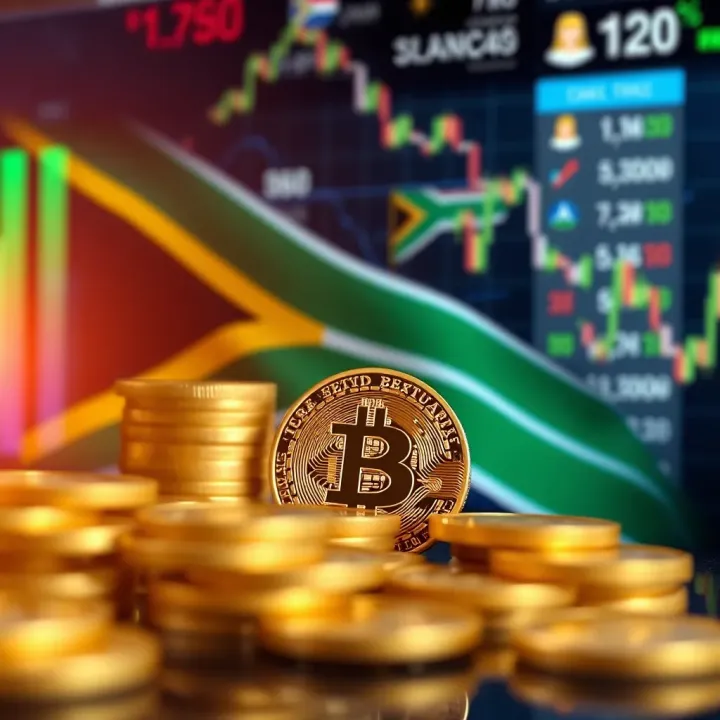
South African users have taken to platforms like Luno, VALR, and AltCoinTrader, which support rand deposits and withdrawals and cater to local payment methods like EFTs and SnapScan. These platforms simplify the process but still require a solid grasp of how crypto wallets work and how to protect your assets during volatile swings.
Tip: Always start trading with smaller stakes to get familiar with market behaviour and platform operations before scaling up.
The thing is, trading crypto isn't all sunshine and rainbows. It carries risks such as hacking, regulatory changes, and price swings. Importantly, the South African Reserve Bank (SARB) has taken a measured stance, issuing guidelines rather than comprehensive regulations, so traders need to stay up-to-date with Financial Sector Conduct Authority (FSCA) warnings and Reserve Bank announcements.
By understanding local market conditions, choosing well-established platforms that operate with transparency, and keeping a close eye on the shifting regulatory environment, traders can better position themselves to navigate South Africa's crypto scene safely and confidently.
With these basics covered, you’ll be ready to explore how cryptocurrencies work, how to pick the right platform, and how to manage risk in the upcoming sections.
Getting to grips with cryptocurrency and the basics of crypto trading is essential for anyone serious about navigating the South African market. Knowing what underlies the technology and how the trading processes operate can save you from common pitfalls and help you spot genuine opportunities.
Cryptocurrency is essentially digital money secured by cryptography, which makes it tough to counterfeit. Most cryptocurrencies operate on a blockchain — a decentralised digital ledger that records all transactions transparently across a network of computers. This setup means no single institution controls the currency, reducing the risk of tampering or interference.
In South Africa, understanding blockchain’s role is practical because it’s not just used for digital coins but is also gaining traction in sectors like finance, logistics, and government for increased transparency. For traders, blockchain confirms transaction authenticity and speeds up cross-border payments without middlemen.
Bitcoin (BTC) and Ethereum (ETH) usually come to mind first when thinking about crypto. Bitcoin, as the original cryptocurrency, acts somewhat like digital gold and often leads market trends. Ethereum stands out due to its smart contract capability, enabling decentralised applications (dApps).
Besides these, several altcoins like Binance Coin (BNB), Cardano (ADA), and Ripple (XRP) have substantial followings and different uses. Tokens that represent specific projects or assets (like NFTs or stablecoins pegged to the Rand) also feature in trading portfolios. For South African traders, familiarity with this range helps in choosing assets with potential for growth or stability.
Crypto trading involves swapping one cryptocurrency for another or for fiat currency like the South African Rand (ZAR). Traders buy coins when prices are low and sell when they anticipate a rise, aiming to profit from price fluctuations. Popular platforms here let users place market or limit orders, execute trades directly, and store coins safely.
For example, a trader might purchase Bitcoin when the price is around R400,000 and sell at R450,000, netting a profit. Others may exchange Bitcoin for Ethereum if they expect Ethereum’s price to climb.
Trading and investing are distinct approaches. Investing generally means buying and holding crypto assets for the long haul, believing their value will increase over time. Trading, however, seeks to capitalise on short-term price changes by entering and exiting positions frequently.
In South Africa, this difference matters because the local market can be volatile, influenced by international news, regulation changes, or even Rand fluctuations. Investors might weather ups and downs, while traders react quickly to daily market moves. Knowing which route suits you can help manage risks and expectations better.
Being clear about these basics isn’t just about theory. It lays the foundation for smarter decisions—whether you’re using local platforms or considering the impact of South African regulations on your trades.
Kicking off your crypto trading journey in South Africa requires making some solid choices, especially around where you'll trade and how you'll manage your assets. The local context matters here, given banking partnerships, load shedding issues, and the need to comply with regulations like RICA (Regulation of Interception of Communications and Provision of Communication-Related Information Act). Getting these foundational aspects right saves you headaches later.
When selecting a crypto exchange, three main features stand out: fees, security, and user interface. Fees can differ quite a lot — some platforms charge a flat fee, others take a percentage. For example, exchanges like VALR are known for competitive fees compared to international platforms which might add foreign exchange costs. Security is non-negotiable; look for exchanges that use cold storage for the majority of funds and support two-factor authentication (2FA). User interface matters too. A clean, simple layout can make or break your experience, especially if you’re just starting.
South Africa boasts a handful of popular crypto exchanges trusted by local traders. VALR, Luno, and AltCoinTrader are among the well-known choices. Each has its quirks: Luno integrates seamlessly with South African banks and offers easy rand deposits, while AltCoinTrader has a broader selection of altcoins. Picking a platform that suits your trading style and comfort with technology is key.
Registering on a South African exchange usually requires going through RICA compliance, which means verifying your identity with valid ID, proof of address, and sometimes a selfie. This is standard to comply with anti-money laundering rules and protects both you and the exchange.

Selecting the right wallet matters for security. While exchanges offer wallets, these are custodial — meaning they hold your keys. For better protection, consider a non-custodial wallet like Trust Wallet or hardware wallets such as Ledger Nano S. Securing your private keys is crucial. Losing them means losing access to your crypto forever.
To fund your trading account, you’ll typically use Electronic Funds Transfer (EFT), credit cards, or mobile payments via platforms like SnapScan. EFTs are slower but usually incur lower fees, while credit cards may have higher costs and sometimes get declined by the banks due to risk concerns.
Using South African Rand (ZAR) directly avoids conversion fees and simplifies record keeping. Some exchanges automatically convert your ZAR to USD or bitcoin behind the scenes, which means you need to keep an eye on exchange rates and possible hidden costs. Understanding these aspects helps you manage your trading costs effectively.
Starting crypto trading with clear choices around exchanges, wallets, and funding ensures you’re set for safer and smarter trading, right here in Mzansi.
Navigating the crypto market in South Africa demands more than just understanding how to buy or sell coins. Managing risks and staying safe are vital parts of successful trading. The unpredictable nature of cryptocurrencies means you need to prepare for sudden price shifts, while the digital environment heightens your exposure to fraud and scams. Being aware of these challenges and using sound security practices can save you from costly mistakes.
Cryptocurrency markets are known for their wild ups and downs. Unlike traditional investments like bonds or shares, crypto prices can move dramatically within hours or even minutes. For instance, Bitcoin can rise or fall by several percentage points in a single day due to market sentiment, global events, or regulatory news. This volatility means traders must be ready to act fast and not get caught off guard.
In South Africa, where economic uncertainty can weigh heavily on markets, such swings might even be more pronounced due to lighter liquidity compared to bigger markets. Picture trying to sell your crypto during a sudden drop—finding a buyer quickly can be tough, and prices may fall sharply. Understanding this volatility can help you manage your entry and exit points better.
The rise of crypto in South Africa has unfortunately been accompanied by scams targeting traders. Fake investment platforms, phishing emails pretending to be from exchanges, or fraudulent initial coin offerings (ICOs) are common. These scams often promise quick profits or guaranteed returns, which is rarely the case.
For example, some traders have lost thousands after clicking on links in phishing emails that steal login credentials for their crypto accounts. Others fall prey to social media scams where fraudsters impersonate well-known figures to promote dodgy schemes. Staying alert, verifying sources, and never sharing sensitive information are crucial steps to dodge these traps.
Setting up strong, unique passwords is the first step to protecting your trading accounts. But passwords alone aren't enough. Two-factor authentication (2FA) adds an essential extra layer. It typically requires you to enter a one-time code sent to your mobile phone or generated by an app like Google Authenticator during login.
This means even if someone gets hold of your password, they can't access your account without the second code. Many South African exchanges and brokerages now mandate 2FA for better security. Make sure to avoid common passwords or reusing the same one across multiple platforms.
Your private key controls access to your crypto holdings. Unlike a bank account, there's no hotline to call if you lose it. If someone else gets your private key, they can empty your wallet instantly. That’s why storing your private keys offline—in a hardware wallet or on paper—and away from prying eyes is critical.
Avoid keeping large sums on exchange wallets, which can be vulnerable to hacks. Instead, transfer funds to a personal wallet with strong security measures. If you're using software wallets on your mobile or PC, always back up your seed phrase securely and consider encrypting your device. Many experienced South African traders treat their private keys like sworn secrets.
Managing risks and keeping your crypto safe are not just technical tasks; they’re mindset shifts. Treat crypto like valuable cash—guard it, monitor it, and be sceptical of anything that sounds too good to be true.
Getting these basics right ensures you can focus on making smart trades without losing sleep over security worries or sudden market shocks.
Regulations around cryptocurrency in South Africa play a significant role in shaping how traders operate locally. Understanding these rules not only helps you comply with the law but also protects you from common pitfalls related to scams and tax complications. This section outlines how current regulations influence crypto trading for South African investors and highlights what you should keep in mind.
The South African Reserve Bank (SARB) oversees the country’s financial stability and has been cautious about cryptocurrencies. While SARB doesn’t recognise crypto as legal tender, it acknowledges their growing use and impact. For traders, this means cryptocurrencies are not officially backed by the government but can be traded freely where no specific prohibitions apply.
SARB is promoting a regulatory framework to mitigate risks, such as fraud and money laundering, while balancing innovation. For example, SARB is developing guidelines to assist exchanges and financial institutions so they can operate transparently and safely within South Africa’s legal environment.
The South African Revenue Service (SARS) treats cryptocurrency as an asset, meaning profits from trading are taxable. If you buy and sell Bitcoin or any other crypto for profit, SARS expects you to declare these gains in your tax returns. This applies whether you’re trading occasionally or regularly as a more active trader.
For instance, if you make R30,000 from selling Ethereum after some months, that income is subject to capital gains tax (CGT) or income tax depending on your trading habits. Keeping accurate records of transactions, purchase dates, sale prices, and costs is vital for calculating taxable amounts correctly.
South African crypto exchanges must follow Know Your Customer (KYC) and Anti-Money Laundering (AML) laws. This means they verify the identity of users before allowing trades, usually requiring a copy of your ID and proof of address. These rules help reduce illegal activities such as money laundering and terrorism financing.
For you, the trader, this adds an extra layer of security by ensuring the platform is reputable and compliant with local laws. However, it also means you must be ready to provide personal information when setting up accounts and might face delays due to verification processes.
If you’ve realised profits from crypto trading, SARS requires you to report these earnings in your annual tax return under the "other income" or "capital gains" sections. Failure to declare crypto gains can lead to penalties or audits.
It’s wise to use accounting tools or consult tax experts familiar with cryptocurrencies to keep track of taxable events throughout the tax year. Due to the volatility of crypto prices, some traders find it useful to record trade dates and values immediately after transactions to avoid confusion when filing returns.
Compliance helps you avoid legal troubles and lets you trade confidently knowing you’re on the right side of the law.
In summary, South African regulations may feel restrictive, but they provide a protective framework. By understanding SARB’s role, SARS tax obligations, and mandatory compliance measures, you can navigate crypto trading safely and effectively within Mzansi's legal landscape.
Navigating the crypto market without a sound plan is like heading into Jo'burg traffic without knowing the roads—risky and unpredictable. Effective trading strategies help you stay grounded, making sure your decisions are based on analysis rather than guesswork or emotions. For South African traders, the volatile nature of cryptocurrency means applying practical tips can really reduce losses and improve profits.
Technical analysis involves studying price charts, volume, and patterns to predict future price movements. South African traders often use tools like candlestick charts or Moving Averages to spot trends and entry points. For example, noticing a breakout above a resistance level on a platform like TradingView can signal a good time to buy.
Fundamental analysis, on the other hand, looks at broader factors—such as a cryptocurrency’s use case, developer activity, or regulatory news—to assess its true value. Say a local regulatory announcement indicates stricter rules; this movement might affect prices regardless of charts, and analysing such news helps you anticipate market direction.
Staying updated with news and emerging trends is vital. In South Africa, news on tax policies by SARS, or changes in reserve bank statements, can sway market sentiment quickly. Moreover, wearer traders keep an eye on global developments -- like Tesla's stance on Bitcoin or major exchange hacks -- because crypto prices react fast.
Regularly following crypto news portals, local fora, and news apps ensures traders don’t trade blind. For instance, if a major coin announces a fork or an upgrade, prices might swing violently, so being informed helps time your trades better.
Using the right tools is a must. South African traders benefit from charting platforms like TradingView or CoinGecko, which offer live price charts, technical indicators, and alerts. Mobile apps from exchanges such as Luno or VALR provide convenient access, allowing you to react quickly to market shifts—particularly handy when you’re on the move.
Many apps even let you set price alerts or stop-loss orders directly, protecting you from sudden dips. For example, Luno’s mobile alerts can notify you instantly if Bitcoin falls below or rises above your set price, so you can act without delay.
Engaging in crypto communities on Twitter, Telegram, or Reddit helps South African traders gauge market mood and pick up tips from seasoned players. Local groups often share insights about exchange fees, withdrawal experiences, or emerging altcoins.
But beware of hype and misinformation; not every tip is golden. Always cross-check info from multiple sources and treat social media chatter as one input, not your sole guide.
Emotions can play havoc in crypto trading. Setting clear goals – like aiming for a 10% profit on a trade – keeps your expectations grounded. Stop-loss limits automatically sell your crypto when it hits a certain price, limiting losses during sharp drops.
For example, placing a stop-loss 5% below your purchase price on a volatile altcoin can prevent you from bleeding cash if the market suddenly turns.
Putting all your eggs in one basket increases risk. Diversifying across multiple coins spreads that risk. For instance, combining Bitcoin with Ethereum and some stablecoins reduces exposure to any single asset's rollercoaster.
Regularly reviewing your portfolio allows you to adjust holdings based on market changes or personal goals. If an altcoin gains too much of your portfolio, rebalancing can protect profits and manage risk.
Remember, successful crypto trading in South Africa isn’t just about catching the next big gain—it’s about steady, informed decisions and protecting your capital in a market that can flip overnight.
Learn how peer-to-peer (P2P) trading works in South Africa 🇿🇦 including platform types, safety tips, legal advice, and its impact on the local economy 📈.

Explore synthetics trading in South Africa 🇿🇦: how synthetic assets are created, traded and regulated with key benefits and risks explained clearly.

Explore Quotex trading in South Africa 🇿🇦: learn account setup, smart strategies, risk control, and tips for confident, effective trading decisions on this platform.

📊 Explore platform trading in South Africa: types, tools, security, fees & tips to pick the best platform and boost your trading skills.
Based on 6 reviews