

Tesla Share Price Insights for South African Investors
📈 Explore Tesla share price trends, key market factors, financial insights and tips for South African investors ready to make informed stock moves. 🇿🇦
Edited By
Sophie Bennett
Ethereum (ETH) remains one of the most actively traded and followed cryptocurrencies, especially among South African investors seeking exposure beyond traditional assets. Unlike Bitcoin, which is primarily a digital currency and store of value, Ethereum extends its use as a platform that supports smart contracts and decentralised applications (dApps). This makes its price dynamics influenced not just by market sentiment, but also by ongoing upgrades and developer activity.
Recent developments such as the Ethereum Merge — shifting its network consensus from proof-of-work to proof-of-stake — aim to improve scalability and reduce energy consumption. These technical upgrades can significantly affect investor confidence and, by extension, ETH’s price trajectory.
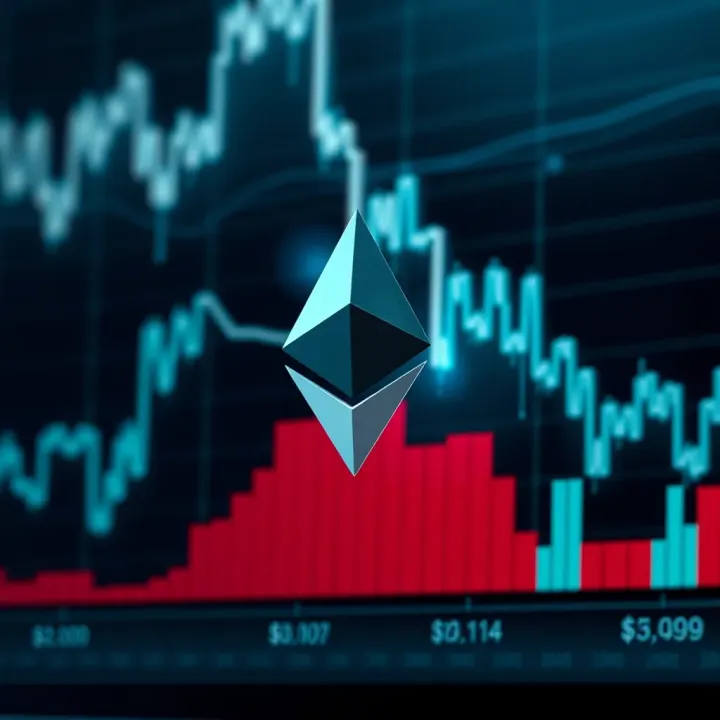
Understanding Ethereum’s price potential requires more than looking at charts; you need to factor in its technical progress, regulatory environment, and macroeconomic influences like inflation and currency fluctuations.
Network Adoption: Growing use of dApps, decentralized finance (DeFi), and non-fungible tokens (NFTs) on the Ethereum blockchain boosts demand for ETH.
Regulatory Climate: South African regulation around cryptocurrencies is evolving, impacting investor access and institutional involvement.
Global Economic Factors: Interest rates, currency strength (especially the rand versus the dollar), and geopolitical events affect risk appetite for cryptocurrencies.
Technological Upgrades: Ongoing improvements like sharding and layer-2 solutions enhance network efficiency and usability.
For South African traders and investors, timing entries and exits in the ETH market demands close attention to these factors, alongside typical price indicators. Unlike speculative bets, a well-informed view blends on-chain analytics with local economic realities such as rand volatility and data costs for crypto activities.
In summary, Ethereum’s price is shaped by a broad spectrum of factors that go beyond simple supply and demand. Keeping abreast of Ethereum’s technical roadmap and the evolving regulatory landscape in South Africa will give investors practical understanding and a clearer outlook for ETH’s price — whether considering short-term trades or longer-term holds.
Grasping Ethereum's place in the crypto ecosystem is vital for anyone looking at its price trajectory. Ethereum isn’t just another cryptocurrency; it powers a vast network of decentralised applications (dApps) and smart contracts, influencing its demand and value. Knowing how it operates and reacts to market forces helps you predict potential price moves more confidently.
Ethereum introduced smart contracts — self-executing agreements coded directly on the blockchain. These allow complex transactions without middlemen, making processes faster and less costly. For instance, DeFi (decentralised finance) platforms rely heavily on these contracts to run lending, borrowing, and trading without traditional banks. This flexibility attracts developers and businesses, pushing up usage and, by extension, demand for Ethereum’s native token.
Ether (ETH) is more than just a crypto token; it fuels the entire Ethereum ecosystem. You need ETH to pay for gas fees — transaction costs on the network. As the network grows, more ETH is consumed, but with Ethereum 2.0’s move to proof of stake, it also limits the total supply by burning tokens during transactions, introducing scarcity. This dynamic balances supply and demand, impacting price.
While Bitcoin is often dubbed digital gold, Ethereum offers a more versatile platform. Bitcoin primarily stores value, but Ethereum supports a range of applications beyond payments, like NFTs and DAOs (decentralised autonomous organisations). This broad functionality translates into different investor profiles and potentially greater long-term growth opportunities for ETH compared to BTC.
Ethereum’s price has seen noteworthy swings over the past year, reflecting broader crypto market sentiment and adoption milestones. After a strong rally at the start, price corrections followed, mirroring changes in investor confidence globally. Tracking these shifts can help investors time entries and exits more pragmatically.
Ethereum’s volatility remains higher than traditional assets but tends to ease during periods of network upgrades or bullish adoption news. Volumes spike during market hype phases — such as NFT booms — providing clues about investor interest. Understanding these volatility trends can assist traders in managing risk and setting stop-losses appropriately.
Global factors like inflation, interest rate policies, and geopolitical tensions have a tangible effect on Ethereum’s price. For example, South African investors saw sharper ETH price dips during periods of rand weakness and local economic uncertainty, as risk appetite shrank. Keeping an eye on these external influences is essential since they often drive sudden price reversals.
Ethereum’s strength lies in both its technological innovation and its responsiveness to global market trends, offering a multi-dimensional outlook for investors.

Understanding the factors influencing Ethereum’s price is essential for traders and investors looking to navigate this volatile market. The value of Ether (ETH) does not move in isolation; it responds to technological innovation, regulatory shifts, and competitive pressures. A clear grasp of these elements helps you spot opportunities and manage risks more effectively.
Ethereum's move from Proof of Work (PoW) to Proof of Stake (PoS), known as Ethereum 2.0, aims to improve energy efficiency and network security. This transition radically reduces the power consumption linked with mining, which appeals to environmentally conscious investors and regulators. For example, the Beacon Chain launch marked a critical step, and the full PoS migration will likely enhance transaction speeds and reduce fees, driving broader adoption and positively influencing price.
High gas fees have long plagued Ethereum users, limiting practical use especially for smaller transactions. Recent network improvements seek to lower these fees by increasing transaction throughput. By making the network more affordable and efficient, Ethereum becomes more attractive to developers and users alike. This has a direct impact on price, as cheaper costs encourage more activity and maximise ETH’s utility.
Layer 2 technologies build on top of Ethereum’s base layer to handle transactions off-chain, easing network congestion. Solutions like Optimism and Arbitrum allow faster, less expensive transactions. By offloading strain from the main chain, they improve user experience and scale Ethereum’s reach. Investors closely watch Layer 2 adoption since it can significantly boost Ethereum’s practical value and influence demand for ETH tokens.
Regulatory clarity in South Africa and around the world shapes investor confidence. South African authorities are implementing frameworks under bodies like the FSCA, aiming to protect consumers without stifling innovation. Meanwhile, changes in major markets such as the US or EU often ripple through global prices. Knowing the regulatory landscape helps investors anticipate price shifts triggered by announcements or policy adjustments.
Sentiment among retail and institutional investors can swing ETH’s price significantly. Big-name financial firms entering the crypto space or adding ETH exposure often sparks price gains. Conversely, negative news or market uncertainty can trigger sell-offs. For example, increased interest from asset managers or hedge funds typically signals confidence and helps stabilise prices over time.
Legal developments affecting crypto custody, taxation, or trading can introduce both risks and opportunities. Sudden crackdowns may cause price dips, but clearer rules tend to stabilise markets. South African investors tracking updates on crypto classification or tax treatment can avoid surprises and better time their trades.
Platforms like Solana, Avalanche, and Polygon offer faster or cheaper alternatives to Ethereum’s network. Their innovations attract users and developers who might have considered Ethereum, presenting a tangible challenge to ETH’s dominance. Monitoring these alternatives helps investors understand Ethereum’s market position and growth potential.
While Ethereum remains the leading smart contract platform, ongoing competition chips away at its market share. Projects migrating to other blockchains or launching on multiple chains indicate shifting dynamics. This can dampen Ethereum’s price if demand falls, but continuous upgrades can help reclaim or defend market share.
Greater competition pressures Ethereum to innovate and improve user experience. While this can cut into its short-term demand, it may result in a stronger, more resilient ecosystem long term. Investors should consider how competitive forces drive Ethereum’s evolution and impact investor interest monthly.
Keeping an eye on these key factors helps you build a grounded understanding of what moves Ethereum’s price. It’s not just speculation; it’s a mix of tech, policy, and market dynamics shaping ETH’s future.
Understanding Ethereum’s price outlook from the short to medium term helps investors, traders, and financial analysts make informed decisions in a volatile market. This time frame — typically ranging from six months to a year and a half — balances immediate market movements with broader trends influenced by technology upgrades, regulation, and macroeconomic factors. For South African investors, who must consider local economic conditions alongside global crypto dynamics, this outlook provides practical insight into potential risks and rewards.
Consensus views from crypto experts tend to cluster around Ethereum’s progress with Ethereum 2.0 and Layer 2 scaling solutions. Most analysts expect these upgrades to steadily increase network efficiency and reduce fees, potentially boosting demand for ETH. For example, experts from platforms like CoinGecko and local crypto forums suggest a cautious optimism; while some see ETH moving to around R40,000–R45,000 by mid-2025, others warn that global economic conditions could keep prices subdued.
Technical analysts often look to chart patterns and trading volumes to gauge momentum. Ethereum’s price has shown key support around R25,000 and resistance near R35,000 over the past months, forming a range that traders watch closely. Indicators like the Moving Average Convergence Divergence (MACD) and Relative Strength Index (RSI) frequently signal potential breakouts or corrections. For South African investors, tuning into these trends can aid timing entry or exit points, especially when local market hours and exchange liquidity vary.
Price targets over the next 6 to 18 months reflect this mix of optimism and caution. While bull cases price ETH above R50,000, bearish scenarios highlight risks from regulatory news or technical delays pushing prices below R20,000. Having clear target ranges helps investors set realistic goals and manage expectations in a market that can be wildly unpredictable.
Potential regulatory clampdowns remain a top concern. South Africa’s evolving stance on cryptocurrencies, alongside global shifts such as the EU’s Markets in Crypto-Assets regulation, could affect Ethereum’s accessibility and trading volumes. For investors, staying updated on these changes reduces surprises, especially as stricter Know Your Customer (KYC) or taxation policies may impact how ETH is bought or sold locally.
Network security and technical glitches are another factor that could unsettle the price. While Ethereum’s shift to Proof of Stake aims to enhance security, the risk of bugs or smart contract exploits remains. A major incident could shake confidence, causing rapid sell-offs. Regular audits and monitoring updates from developers are essential for those holding significant positions.
Macro-economic shocks also influence Ethereum’s investment appeal. Interest rate adjustments by the South African Reserve Bank (SARB) or sudden rand volatility may shift capital flows away from risky assets like cryptocurrency. For instance, when the SARB hints at rate hikes, investors often retreat to cash or bonds, cooling demand for ETH. Such external shocks underscore the need for diversified portfolios and a clear understanding of how economic policy interacts with crypto markets.
Keeping track of these forecasts and risks helps South African investors approach Ethereum with eyes wide open — ready to adapt as conditions change rather than chasing hype or panic.
In sum, the short to medium term outlook for Ethereum blends promising tech upgrades with ongoing uncertainties. By monitoring expert predictions, technical signals, and the broader economic landscape, investors can make considered choices in trading and holding ETH within the South African context.
When it comes to investing in Ethereum, South African investors face unique challenges and opportunities. Local market conditions, regulatory frameworks, and access to reliable exchanges all shape the practical steps investors must consider. This section breaks down key aspects like buying and holding ETH locally, understanding related costs, and managing security risks. Whether you're a seasoned trader or a financial advisor, knowing these details can make a real difference.
Using local exchanges and wallets is the first step for most South African investors. Platforms like Luno, VALR, and AltCoinTrader enable buying Ethereum in rands, which simplifies the process and avoids currency exchange complications. Local exchanges also tend to offer better customer support familiar with South African regulations. However, one should still check if the exchange is registered with the Financial Sector Conduct Authority (FSCA) for added reassurance.
When storing Ethereum, digital wallets come into play—ranging from mobile phone apps to hardware wallets like Ledger or Trezor. Wallet choice depends on how actively you plan to trade or simply hold. Hardware wallets offer stronger security for long-term holdings, protecting against hacks even if your computer gets infected.
Costs involved including fees and taxes must not be overlooked. Local exchanges often charge trading fees between 0.1% and 0.5% per transaction, plus withdrawal fees if you move ETH out of the platform. These costs add up, especially with frequent trading. On top of that, South African tax authorities classify cryptocurrencies as assets. Profit made from selling Ethereum is subject to capital gains tax (CGT), so keeping accurate records is essential.
Investors should factor in this tax implication when calculating net returns. For instance, if you bought ETH at R10,000 and sold at R15,000, the R5,000 gain qualifies for CGT within the tax year, which can influence your cash flow planning.
Security best practices are vital given the high risk of scams and hacks in the crypto space. Investors should enable two-factor authentication (2FA) on accounts and avoid storing significant Ethereum amounts on exchanges, which are prime targets for cyber attacks. Regularly updating wallets and backing up private keys offline builds resilience against data loss.
Also, be cautious of phishing attempts and always verify URLs before logging in. With recent incidents where local investors lost funds due to compromised accounts, robust security measures are more than just advisable—they’re necessary.
Balancing Ethereum with other assets helps manage risk. Relying solely on Ethereum exposes you to its specific market swings. Including other cryptocurrencies—like Bitcoin or local tokens—and traditional assets such as equities or property, spreads risk. For South Africans, allocating part of their portfolio to different asset classes serves as a buffer against volatility in the crypto market.
Risk management strategies go beyond diversification. Setting stop-loss orders and only investing what you can afford to lose are practical ways to control downside risks. It's smart to monitor global events that can spike Ethereum’s volatility, such as regulatory announcements from overseas or sudden technical issues on the network. Staying informed helps you react promptly to protect your capital.
Long-term vs short-term approaches depend on your investment goals and risk appetite. Holding Ethereum long term allows you to ride out interim price swings and benefit from network growth and technology upgrades like Ethereum 2.0. Conversely, short-term trading demands close market watching and quick decision-making, which carries higher risk but potentially faster returns.
For South Africans facing periodic economic pressures, a balanced strategy—combining both approaches depending on market conditions—often works best. Whether you’re locking in gains after recent price jumps or eyeing buying opportunities during retracements, flexibility is key.
Practical knowledge of buying, holding, and diversifying Ethereum equips South African investors to safeguard their money while making informed decisions tailored to local conditions.
📈 Explore Tesla share price trends, key market factors, financial insights and tips for South African investors ready to make informed stock moves. 🇿🇦

Explore how online brokers operate in South Africa 🇿🇦. Learn about fees, security, and tips to pick the right platform for smarter investing 📊💡.

🤖 Explore robot trading apps for SA investors! Learn how automated trading works, key features to consider, regulatory tips, and risk management strategies.
🔍 Understand Ripple prediction with insights on price drivers, analysis methods, news impact & practical tips to navigate risks in crypto trading safely.
Based on 12 reviews