

Understanding Peer-to-Peer Trading in South Africa
Learn how peer-to-peer (P2P) trading works in South Africa 🇿🇦 including platform types, safety tips, legal advice, and its impact on the local economy 📈.
Edited By
Emily Roberts
First National Bank (FNB) is a key player in South Africa's banking sector, with roots stretching back more than 180 years. As part of FirstRand Group, one of the country's largest financial conglomerates, FNB serves millions of customers, ranging from individuals to large enterprises.
FNB offers a broad spectrum of services, including retail banking, corporate banking, wealth management, and specialised lending products. The bank's footprint extends across the nation with numerous branches and an extensive network of ATMs, but its digital platforms have been especially influential in recent years.
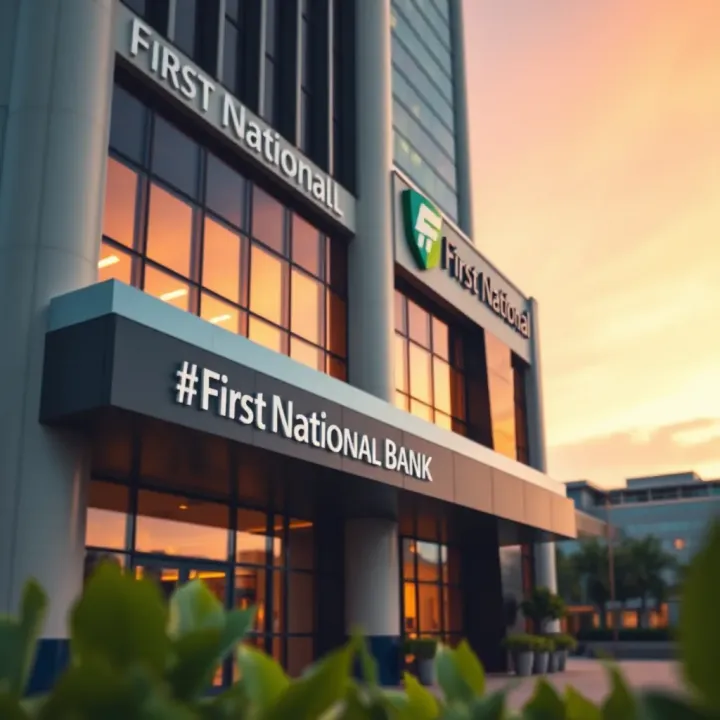
Digital innovation forms a major pillar of FNB's strategy. The bank's mobile app and online banking system provide seamless access to accounts, payments, and investment options. Notably, FNB was among the first to incorporate contactless payment features and biometric security into its offerings, recognising early on the evolving demands of South African consumers and businesses.
FNB’s robust digital solutions support not only urban clients but also customers in more remote areas, contributing to financial inclusion across South Africa.
The bank has also positioned itself as a partner for business growth, offering tailored financial products for small businesses as well as solutions for larger corporates navigating complex economic conditions. In the wake of challenges such as loadshedding and uncertain global markets, FNB provides risk management tools and advisory services to help clients stay resilient.
South Africa's regulatory environment shapes FNB’s operations, with compliance to the Financial Sector Conduct Authority (FSCA) standards and adherence to the Protection of Personal Information Act (POPIA) being priorities. The bank’s engagement with the South African Reserve Bank’s (SARB) monetary policies ensures it remains competitive while managing liquidity and credit risk effectively.
In summary, FNB’s blend of historical stability, innovative service delivery, and sharp focus on customer needs cements its role in the South African financial landscape. For traders, investors, and financial advisors, understanding FNB’s offerings and market approach is essential when assessing banking partnerships or economic outlooks in the region.
Understanding the history and growth of First National Bank (FNB) is key for anyone analysing South Africa's banking landscape. FNB's evolution reflects broader economic and social shifts in the country, and its strategic decisions have shaped its offerings and market reach. For investors or financial advisors, appreciating these roots helps make sense of current operations and future directions.
FNB was founded in 1838, making it one of the oldest banks in South Africa. Its roots lie in servicing the banking needs of local settlers in the Cape Colony, beginning as a small institution that gradually expanded its footprint. Early milestones include establishing the first bank branch in the interior regions, which provided vital financial services to emerging towns and businesses.
Over time, FNB grew alongside South Africa's economy. Its expansion within the country positioned it as a household name, extending services to both rural communities and urban centres. This growth was not just about physical branches but also an increase in product range, catering to farmers, traders, and later industrial clients. This deep local presence remains a practical asset, ensuring accessibility to diverse customer segments.
FNB’s role in the evolving banking sector is significant. It has adapted through South Africa's complex history—from colonial times and apartheid to democracy and modern financial regulatory environments. Its ability to innovate around changing customer needs and government policies shows resilience. For example, as digital banking started gaining traction, FNB was among the early adopters in South Africa, setting standards that other banks follow.
The formation of FirstRand Limited in 1998 marked a turning point for FNB. This holding company consolidated major financial entities, including FNB, Rand Merchant Bank, and WesBank. This structure gave FNB access to broader capital, shared expertise, and economies of scale, which strengthened its competitive edge in both retail and corporate banking.
The synergies between FNB and FirstRand’s other brands offer practical benefits. For instance, Rand Merchant Bank's corporate finance tools complement FNB's SME offerings, while WesBank provides specialised vehicle finance solutions that align with FNB’s retail and business customers. These collaborations enhance product diversity without duplicating efforts, allowing for tailored services that meet specific market needs.
These integrations have influenced FNB’s business strategy by focussing on innovation and customer-centric solutions. With the backing of a larger financial group, FNB could invest heavily in digital platforms and risk management systems. This strategic positioning supports sustainable growth and helps the bank react quickly to market trends, including shifts in regulatory demands and consumer behaviour.
FNB’s trajectory—from a local bank to part of a financial powerhouse—illustrates how strategic growth and integration can drive long-term success in a complex, evolving economy.
First National Bank (FNB) offers a wide range of banking products designed to suit different financial needs of individuals, businesses, and investors. This variety plays a significant role in South Africa’s financial sector by providing tailored solutions that improve access to credit, savings, and investment opportunities across the board.
FNB offers multiple transaction accounts, including options like the FNB Easy Account and the FNB Gold Account, catering to everyday banking needs. These accounts typically come with features such as instant payments, e-wallet access, and competitive fees. For savers, FNB provides tailored savings products ranging from fixed deposits with competitive interest rates to flexible call accounts. These products help individuals grow their savings securely while keeping easy access when needed.
In South Africa, buying a home or vehicle often requires financial assistance. FNB supports this with home loan options that cover purchase, renovation, and refinancing. The bank’s home loans come with flexible repayment plans and competitive interest rates, easing affordability. Vehicle finance is equally accessible, with loans tailored to new and used vehicles, helping customers with clear terms and manageable instalments. Both options are backed by thorough credit assessments to minimise risk for both parties.
For those needing short-term credit, FNB provides various credit card options, including rewards programmes and travel benefits. Their credit cards come with different limits and interest rates to suit diverse customer profiles. Additionally, overdraft facilities linked to transaction accounts allow customers flexible spending power for occasional cash flow needs, providing a safety net against unexpected expenses.

FNB understands the vital role SMEs play in job creation and economic growth. Their SME banking solutions include business transaction accounts, tailored lending products, and advisory services. Through partnerships and programmes, FNB helps small businesses with cash flow management, business planning, and access to markets, which is crucial in the competitive South African landscape.
For larger corporate clients, FNB offers diverse financing solutions such as working capital loans, bridging finance, and structured lending. These products are designed to support operational needs, expansions, and project funding. FNB’s corporate financing often involves customised solutions, reflecting detailed risk analysis and strategic alignment with client goals.
FNB provides merchant services that enable businesses to accept multiple payment forms, including card and contactless payments, using secure terminals and online platforms. Their payroll services support compliance with South African labour laws, ensuring timely salary payments, UIF contributions, and tax deductions. This reduces administrative burden and streamlines operations for businesses.
FNB’s investment offerings include access to a wide range of unit trusts, allowing investors to diversify through professionally managed portfolios. Their retirement planning services help individuals with goal-setting, risk profiling, and selecting appropriate pension or provident funds. This guidance is invaluable given South Africa’s complex regulations and the increasing importance of personal retirement savings.
The bank offers professional financial advisors who assist clients in creating customised investment and wealth preservation strategies. These services cover tax efficiency, estate planning, and succession, helping South Africans protect and grow their wealth amid economic fluctuations.
FNB enables investors to trade equities on the Johannesburg Stock Exchange (JSE) through brokerage services. Clients can also invest in bonds, ETFs, and other listed instruments. This access provides opportunities to participate in South Africa’s economic growth beyond traditional banking.
FNB’s banking products and services reflect a comprehensive approach, balancing everyday needs with strategic financial growth, all tailored within the South African context.
Digital banking stands as a major pillar for First National Bank (FNB), shaping how it serves an increasingly tech-savvy South African market. As customers demand quicker access, smoother transactions, and reliable security, FNB’s digital offerings meet these needs while supporting financial inclusion beyond urban centres. This section explores the bank’s internet and mobile platforms, alongside emerging technologies that drive customer experience.
FNB’s internet banking platform delivers a comprehensive suite of user features adapted for everyday banking needs. It offers users the ability to view statements, initiate payments, manage beneficiaries, and track spending. This platform also includes tools tailored for investments and loans, helping customers monitor all aspects of their finances remotely. For example, a client in Polokwane can manage their bond repayments or transfer funds without needing to visit a branch.
The mobile app extends these capabilities, focussed on on-the-go convenience. Regular updates have introduced fingerprint and facial recognition logins, improving security while speeding up access. The app supports instant notifications for transactions, as well as features like prepaid airtime top-ups and electricity purchases—key in South Africa’s prepaid utilities environment. These updates ensure customers stay connected with their banking, regardless of where they are.
Security at FNB’s digital platforms remains a priority, with multilayered protection against fraud and unauthorised access. Encryption technologies secure data transmissions, while behavioural analytics monitor transactions for unusual patterns. Customers benefit from real-time alerts for suspicious activity, plus quick-response teams to investigate fraud attempts. Given South Africa’s challenges with digital crime, these measures build essential trust for users managing sizable financial assets online.
FNB has implemented AI chatbots within its digital ecosystem to provide around-the-clock assistance. These chatbots handle routine queries such as account balances or transaction limits, freeing up human agents for more complex issues. Users appreciate the instant responses, and the chatbots continuously learn to improve accuracy, tailoring support to common South African banking habits.
Digital wallets and contactless payments form a vital part of FNB's offering, reflecting changing payment preferences. Integration with platforms like SnapScan and Zapper means customers can pay for daily essentials swiftly using their mobile phones. This has become especially relevant in markets with loadshedding-induced power outages, as contactless transactions reduce reliance on cash and physical point-of-sale terminals.
FNB also integrates tightly with South African payment systems, including the real-time clearing house (RTGS) and the Automated Clearing Bureau (ACB). This ensures swift processing of salary payments, business transactions, and retail purchases. The bank’s support for mobile money services and QR payments aligns with the National Payment System set by the South African Reserve Bank, streamlining financial flows nationwide.
Digital innovation at FNB isn't just about tech for tech's sake; it’s about making banking accessible, secure, and aligned with South Africa’s unique financial landscape.
This continuous push towards digitisation equips customers—be they individual traders, investors, or corporate clients—with tools that save time, cut costs, and protect hard-earned money. For financial advisors and analysts, understanding these innovations offers insights into how FNB maintains its edge in a competitive banking sector.
Providing excellent customer service is a key part of First National Bank’s (FNB) reputation and success. In South Africa’s diverse banking landscape, straightforward support and easy access help build trust and ensure clients – whether individuals or businesses – can manage their finances without hassle. FNB’s approach focuses on blending physical presence with digital convenience, responding quickly to queries, and maintaining service quality even when conditions aren’t ideal.
Coverage in urban and rural areas
FNB maintains an extensive branch footprint across South Africa, balancing coverage in both bustling cities like Johannesburg and Cape Town, as well as less accessible rural areas. This widespread reach is crucial for inclusive banking, as many South Africans still rely on physical branches for advice, cash deposits, and withdrawals. For traders and investors based outside major centres, easy branch access helps manage accounts face-to-face when needed.
Services offered at physical branches
Branches provide a full range of services including account openings, loan applications, investment advice, and dispute resolution. For example, small business owners can walk in for guidance on financing options. Physical locations also cater for cash-intensive activities, vital in communities where digital banking uptake might be slower due to connectivity issues or personal preference.
Adaptations during loadshedding and disruptions
Eskom’s loadshedding creates unique obstacles, especially for banks that rely on power for day-to-day operations. FNB branches often have backup generators or UPS systems to keep critical services running during power outages. This ensures customers can still withdraw cash, access their accounts, or meet with bank advisors without delays. The bank also prepares contingency plans to manage heavy customer traffic when network and system access gets affected.
Call centres and online support
FNB invests in robust call centres that handle inquiries swiftly, including specialised support for investment and business clients. Call centre agents receive training to resolve issues on first contact where possible, saving time for busy clients. Online support via chatbots and email complements this, particularly outside branch hours, making banking services more flexible.
Social media engagement
In today’s connected world, FNB engages actively on platforms like Twitter and Facebook, providing updates about new products, system status, and loadshedding-related disruptions. This open communication allows customers to get quick answers and signals that the bank is approachable and responsive.
Feedback and complaint handling
FNB encourages client feedback both online and in-branch, handling complaints promptly through designated teams. Efficient complaint resolution is central to maintaining client confidence, especially for investors who expect reliability and professionalism. Transparent processes and timely responses reduce friction and help the bank continuously improve its services.
FNB’s mix of accessible branches, solid contact centres, and clear communication channels ensures clients remain supported no matter where they are or the challenges at hand. This practical, people-centred approach lends strength to FNB’s position in South Africa’s banking sector.
First National Bank (FNB) plays a significant role in South Africa's economy by supporting growth, innovation, and financial inclusion. Its large footprint and diverse product range mean that it touches practically every sector—from small startups through to large corporates. Understanding this role offers investors and analysts insight into how the bank contributes beyond simply providing financial services.
FNB actively helps small businesses gain access to necessary funding, which can be a major hurdle for many emerging entrepreneurs in South Africa. Through tailored lending products and credit facilities, it provides capital that often serves as a lifeline for startups and smaller enterprises.
Alongside finance, FNB offers mentorship programmes and business advice, recognising that capital alone isn't enough for sustained growth. For instance, many township businesses have benefitted from FNB’s guidance on managing cash flow or scaling operations, which in turn helps nurture local economic ecosystems.
By supporting small and medium-sized businesses, FNB indirectly helps create employment opportunities. SMEs remain one of the largest job creators in South Africa, so the bank’s role in financing and nurturing these businesses has a ripple effect on the job market.
A case in point is FNB’s backing of informal sector entrepreneurs who expand into formal markets and employ staff. This not only reduces unemployment but also broadens the tax base, supporting public services that benefit the wider economy.
FNB collaborates with various government programmes aimed at bolstering economic development. Through partnerships with entities like the Small Enterprise Finance Agency (SEFA) and initiatives aligned with the Department of Trade, Industry and Competition (DTIC), the bank enhances access to finance and capacity-building for SMEs.
These partnerships enable FNB to reach underserved parts of the economy, such as rural business owners and cooperatives, helping to address historic inequalities in financial accessibility.
Operating under the oversight of the South African Reserve Bank (SARB) and the Financial Sector Conduct Authority (FSCA), FNB ensures that its practices meet regulatory standards designed to protect customers and maintain financial stability.
This adherence is critical for investors and brokers who rely on the bank's sound risk management and transparent practices. It means FNB operates with a solid governance framework that aligns with South Africa’s stringent financial sector rules.
The Protection of Personal Information Act (POPIA) and Financial Intelligence Centre Act (FICA) place obligations on FNB to safeguard customer data and prevent financial crimes.
In practical terms, FNB invests heavily in data security systems and customer verification processes. Complying with these laws builds client trust and reduces risks such as fraud or identity theft — a key concern in South Africa’s increasingly digital banking environment.
FNB employs comprehensive anti-money laundering (AML) strategies to detect and prevent illicit financial activities. This includes monitoring transactions, identifying suspicious behaviour, and filing requisite reports with authorities.
By maintaining robust AML controls, the bank not only abides by legal requirements but also helps protect the broader financial system from abuse. This vigilance matters for maintaining international confidence and ensuring South African markets function transparently.
FNB’s commitment to supporting small businesses and rigorous compliance practices highlights its integral role in strengthening South Africa’s financial and economic landscape.
This section sheds light on how FNB is more than just a bank—it acts as a partner in growth, a guardian of regulatory standards, and a catalyst for economic opportunity within the country.
Learn how peer-to-peer (P2P) trading works in South Africa 🇿🇦 including platform types, safety tips, legal advice, and its impact on the local economy 📈.

💸 Discover how SuperForex minimum deposit rules affect South African traders. Learn deposit options, compare brokers, and fund your account smartly!

📈 Discover how South African investors can use stock indices to track market trends, understand calculations, and make smarter investment choices today.

Explore RoboForex account types for South African traders! Discover features, minimum deposits, platforms, leverage & commissions to choose the best fit 📊💼
Based on 15 reviews