

Understanding the Forex Complex: A Clear Guide
🌍 Discover how the Forex complex operates, its key players, economic impacts, and effective trading strategies. Navigate global currency markets with confidence! 💱📈
Edited By
Henry Fletcher
Forex indices provide a useful way for traders to monitor the overall direction of currency markets by bundling multiple forex pairs into one index. Instead of tracking individual currencies, indices reflect aggregated price movements, offering a broader and often clearer picture of market trends.
For Kenyan traders dealing with the complexities of forex, indices simplify decision-making by reducing the noise from single pair fluctuations. Imagine you are watching the Kenyan shilling (KES) against several major currencies like the US dollar (USD), euro (EUR) and British pound (GBP). An index would summarise the general performance of KES across these pairs rather than forcing you to analyse each individually.

Forex indices help capture market sentiment and can highlight shifts in global economic conditions or investor risk appetite quicker than isolated pairs.
These indices are calculated using weighted averages of selected currency pairs or baskets. The weight depends on factors such as trading volume or economic significance, reflecting the influence of each currency on the overall index. For example, a USD index often relies heavily on its relationship with the euro, yen, and pound due to their high trading volumes.
Kenyan traders should note several key types of forex indices:
Major currency indices: These cover the most actively traded currencies worldwide (USD, EUR, JPY, GBP) and give an overview of their global strength.
Regional currency indices: Such as the Euro index or Asia-Pacific indices that focus on currency movements within specific geographical areas.
Emerging market indices: Including currencies from markets like Kenya, South Africa, and Nigeria, offering insight into economic trends relevant to frontier and emerging economies.
Understanding how these indices function allows traders to better gauge market dynamics, align trades with macro trends, and manage risks effectively. For instance, if the USD index shows a strengthening dollar trend, it might impact Kenyan exporters' competitiveness or influence the cost of imported goods.
Overall, forex indices serve as valuable tools for Kenyan traders looking to balance detailed analysis with broader market perspective. They bridge the gap between granular pair data and large-scale economic trends, helping traders act with clearer insight and informed confidence.
Forex indices are financial tools that track the overall value of a group of currencies against a single base currency, offering a snapshot of currency market movements. Instead of focusing on one currency pair, these indices aggregate the performance of several currencies to provide a broader market perspective. For instance, the US Dollar Index (DXY) tracks the strength of the US dollar against a basket of six major currencies including the euro, yen, and pound. This approach helps traders understand how a currency is doing overall rather than in isolated pairs.
These indices simplify complex market data and can reveal trends that might be missed if you only watch individual pairs. Kenyan traders benefit by gaining a clearer picture of market sentiment, especially when managing portfolios that involve multiple currencies or are sensitive to currency risk.
Forex indices serve as barometers for currency strength and overall market direction. When an index rises, it means the base currency is gaining value relative to the others in the basket. Conversely, a drop indicates weakening. For example, if the US Dollar Index shows a consistent uptrend, it suggests broad US dollar strength, which might influence decisions whether to buy or sell dollar-denominated assets.
Besides tracking strength, indices show how currencies correlate with economic events. For example, news about Kenya’s trade balance or inflation could affect the Kenyan shilling indirectly through shifts in regional currency indices. This wider view is valuable for traders who want to anticipate market moves, hedge risks, or confirm signals from individual currency pairs.
Understanding forex indices helps traders spot overall trends and avoid making decisions based on narrow or incomplete market information.
By monitoring forex indices alongside traditional analysis, Kenyan traders can adapt better to fast-changing forex environments. The indices act like a compass pointing to the general currency direction, guiding traders instead of leaving them to rely solely on individual pair movements, which can fluctuate more erratically.
In practice, this means if one notices, for instance, that the African Currency Index is weakening, they might reconsider trades involving the Kenyan shilling or neighbouring currencies. This broader insight can prevent losses caused by isolated pair focus and improve trading timing.
In summary, forex indices clarify market complexity by combining various currency performances into a single, easy-to-follow metric. For Kenyan traders, this enhances understanding, sharpens strategy, and supports more informed trading decisions.
Understanding the different types of forex indices is vital for any trader aiming to get a broader view of currency market dynamics. These indices aggregate several currency pairs into one value, making it easier to track general trends rather than focusing on individual currencies. For Kenyan traders, knowing the specific indices and their regional or global relevance can improve decision-making and risk management.
The US Dollar Index (DXY) is the most widely followed forex index globally. It tracks the value of the US dollar against a basket of major currencies including the euro, Japanese yen, British pound, Canadian dollar, Swedish krona, and Swiss franc. For Kenyan traders, the DXY is crucial because the US dollar strongly influences the Kenyan shilling due to trade and remittances. Movements in the DXY often signal shifts affecting import costs, local inflation, or forex liquidity.
If the DXY strengthens, it usually means the dollar is gaining on other currencies, which can put pressure on the shilling and affect the prices of goods imported from the US or dollar-priced commodities like fuel.
The Euro Currency Index measures the euro’s strength against a group of currencies, which often include the US dollar, British pound, Japanese yen, Swedish krona, and Swiss franc. For Kenyan traders, the euro is significant because the European Union remains one of Kenya’s key trading partners. Changes in the euro’s value can impact European imports and exports, affecting sectors from agriculture to manufacturing.
For example, if the euro weakens against the dollar or other currencies, Kenyan exporters to Europe might find their goods more competitively priced. Conversely, a strong euro can raise the cost of European products in Kenya.
The Japanese Yen Index tracks the yen against major world currencies such as the US dollar, euro, and pound. While Japan is not a primary trade partner for Kenya, the yen often acts as a safe-haven currency in times of global uncertainty. For Kenyan traders, watching the Japanese Yen Index helps gauge risk sentiment in the forex market.
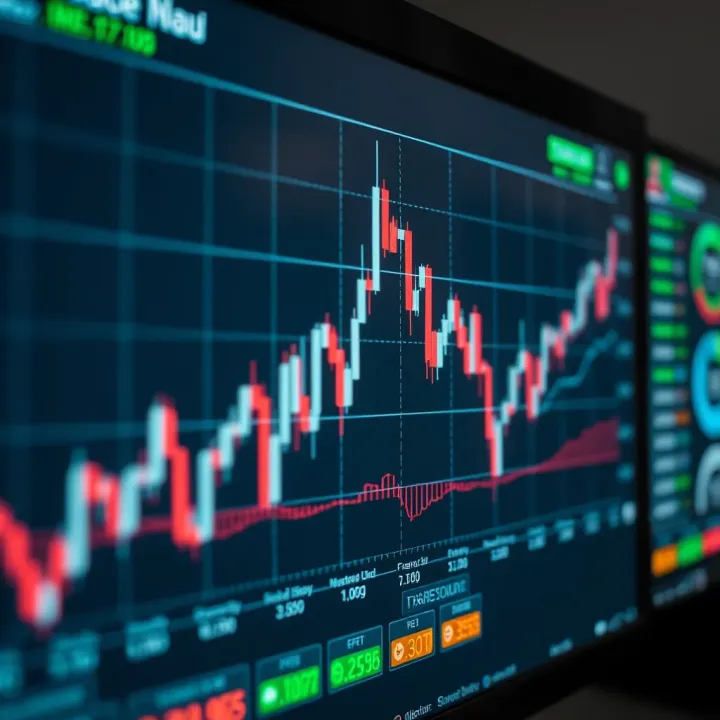
A rising yen index typically signals risk aversion among investors, which can indirectly affect emerging markets, including Kenya, by influencing capital flows and forex stability.
Asian currency indices group major Asian currencies like the Chinese yuan, Indian rupee, Singapore dollar, and South Korean won. For Kenyan traders, these indices matter because Asian economies are increasingly linked with Africa through trade and investment. A strengthening Asian currency basket might reflect robust regional growth and increased demand for commodities from Africa, which can boost Kenyan exports.
On the flip side, currency weakness in Asia may signal regional troubles, affecting global commodity prices and investor appetite towards emerging markets.
African currency indices cover major African currencies such as the South African rand, Nigerian naira, Egyptian pound, and Kenyan shilling. These indices provide a snapshot of the relative strength or weakness of African currencies as a group.
For Kenyan traders, these indices can highlight regional forex trends and macroeconomic shifts that might affect the shilling indirectly. For instance, a significant drop in the rand or naira could influence regional investor sentiment or trade balances, which in turn impacts Kenya’s currency and economic outlook.
Emerging market currency indices include currencies from countries in Latin America, Eastern Europe, and other developing regions. These indices aggregate various currencies subject to high volatility due to political or economic instability.
Kenyan traders can use these indices to compare the shilling’s performance against other emerging currencies. Such comparison is useful when deciding on portfolio diversification or assessing risks related to capital flight affecting African markets.
Tracking various forex indices gives traders a better grasp of global and regional currency trends. In Kenya’s context, blending major and regional indices insight equips traders to anticipate market moves linked to trade, inflation, and investment flows.
To summarise, familiarising yourself with these indices helps you focus not just on individual currency pairs but on broader patterns that impact forex trading choices every day.
Trading forex indices offers Kenyan traders a way to engage with aggregated currency movements rather than individual pairs. This broad view helps reduce exposure to sudden shocks that might hit a single currency. Approaching trading with effective strategies and tips is important to manage risks and take advantage of market conditions efficiently.
One clear advantage of trading forex indices is diversification. Since an index reflects the combined performance of several currencies, you’re less likely to suffer from one currency's volatility alone. For example, trading the US Dollar Index (DXY) gives you exposure to the US dollar’s strength against multiple trading partners at once. This approach cuts down the noise from individual pair fluctuations and may bring steadier price moves.
Another benefit is that forex indices usually show clearer trend patterns, making it easier for traders to identify momentum and market sentiment. This helps even less experienced traders make informed entries and exits. Plus, many brokers offer lower spreads on indices compared to single forex pairs, improving cost efficiency.
Trend following involves identifying and riding the direction of the market trend. When forex indices show a consistent upward or downward movement, traders enter positions aligned with that trend. This approach is practical because indices often exhibit longer and more reliable trends than individual currencies swayed by news or events. For example, if the Euro Currency Index is trending down, a trader might short the index, expecting the euro to weaken broadly.
Using indicators like moving averages helps spot trends early. Kenyan traders can apply this strategy on platforms like MetaTrader or TradingView, watching daily or weekly charts for solid trends before placing trades.
Swing trading targets short- to medium-term price movements by capturing swings within broader trends. Instead of holding positions for weeks, traders might enter and exit over days or sessions, profiting from smaller rises and falls in forex indices.
For instance, a swing trader monitoring the Japanese Yen Index might wait for a pullback within a general upward move and buy at a support level. Swing trading works well during ranges or when overall markets slow down, offering opportunities without the stress of long-term exposure.
Hedging is a risk management tactic used to offset losses in other positions. Traders with exposure to multiple currency pairs might use forex indices to reduce overall portfolio risk.
Say you’ve invested in several pairs involving the US dollar; shorting the US Dollar Index at the same time can protect you if the dollar suddenly weakens across the board. This strategy is useful for Kenyan investors managing foreign currency risk or sleep easy during volatile global events.
Successful forex indices trading requires combining technical charts and fundamental factors. Technical analysis focuses on price charts, patterns, and indicators to time trades in the short run. Popular tools include Relative Strength Index (RSI), Bollinger Bands, and MACD which help spot momentum, overbought or oversold conditions, and trend reversals.
On the other hand, fundamental analysis looks at economic news like interest rate changes, inflation, or political developments that affect underlying currencies. For example, a positive jobs report in the US might strengthen the US Dollar Index, giving traders clues about market direction.
Kenyan traders should keep an eye on releases by central banks such as the US Federal Reserve or European Central Bank since these have widespread impact on forex indices. Combining these two analysis forms creates a well-rounded trading plan that balances technical entry points with bigger economic trends.
Trading forex indices isn’t about guessing one currency but understanding how collective currency strength and weaknesses shape market moves. A measured, strategic approach improves your chances of consistent profits.
By applying these strategies and keeping a close watch on both price action and news, Kenyan traders can navigate forex indices markets with confidence and better manage their risks.
Trading forex indices is not without its risks. For Kenyan traders, understanding these challenges is key to managing them effectively. This section highlights the main risks involving market volatility, leverage, and regulatory factors unique to Kenya.
Forex indices track multiple currency pairs, which means their values react to a wide range of economic and geopolitical events. This contributes to high volatility and unpredictable swings. For instance, sudden policy changes from the US Federal Reserve can affect the US Dollar Index sharply, causing ripple effects on indices involving the dollar. Kenyan traders should be aware that such indices can move swiftly within short periods, increasing both the potential for profit and the risk of loss.
Unlike single currency pairs, indices may mask individual currency movements, making it tricky to predict exact shifts. Traders must watch global news closely and use risk control tools like stop-loss orders. Volatility can spike during major economic releases or during geopolitical tensions such as trade disputes involving countries represented in the index.
Leverage amplifies gains but also increases losses. Many brokers offer high leverage on forex indices—sometimes up to 1:200. While tempting, this can quickly wipe out a trader’s account if markets move against a position. For example, a 1% adverse move on a highly leveraged trade can result in a total loss of the invested margin.
Kenyan traders should approach leverage conservatively. Using smaller leverage ratios and setting clear margin requirements helps preserve capital in volatile markets. It's also vital to understand margin calls and ensure funds are available to maintain open positions. Ignorance of leverage risks has led some traders in Kenya to lose significant sums rapidly, emphasising the need for education before engaging with leveraged indices.
Kenya's regulatory environment for forex trading is evolving. The Capital Markets Authority (CMA) oversees forex brokers operating locally. Choosing brokers regulated by CMA or other reputable global authorities reduces the risk of fraud or unfair practices.
Also, trading via brokers that support local payment methods like M-Pesa makes deposits and withdrawals smoother. However, some international brokers may not be fully authorised to serve Kenyan clients, exposing traders to legal and financial risks.
Always verify a broker's licensing status through CMA or recognised regulators and read reviews from other Kenyan traders.
Besides licensing, traders should understand the broker’s terms, especially around spreads, commissions, and withdrawal times. Problems here can eat into profits or delay access to funds.
Kenyan traders must remain cautious and do thorough due diligence before committing funds, balancing the appeal of diverse forex indices with sound risk management practices.
Trading forex indices in Kenya involves understanding the right platforms, payment methods, and practical steps to get started. These elements determine how smoothly you can enter the forex indices market and how effectively you can manage your trades. Kenyan traders benefit from platforms that offer transparent pricing, reliable execution, and payment options adapted to local preferences such as M-Pesa.
Kenyan traders have access to various brokers and online platforms that provide forex indices trading. Well-known international brokers like IG, FXTM, and AvaTrade cater to Kenyan clients, offering indexes like the US Dollar Index (DXY), Euro Currency Index, and even regional indices. Locally, some brokers registered with the Capital Markets Authority (CMA) include Cytonn Investments and Nabo Capital, although they tend to focus more on equities and commodities than forex indices specifically.
Platforms must be user-friendly and compatible with mobile devices since many Kenyan traders operate from smartphones. MetaTrader 4 and MetaTrader 5 remain popular platforms given their analytical tools, liquidity, and access to multiple markets including forex indices. Always confirm a broker's regulatory status and client reviews before trading.
One major advantage Kenyan traders enjoy is the integration of M-Pesa for deposits and withdrawals. This mobile money platform is widely trusted and offers fast, low-cost transfers, making it easier to fund trading accounts and withdraw profits. Many brokers now accept M-Pesa either directly or through partnerships with local payment processors.
Besides M-Pesa, some platforms accept bank transfers, credit/debit cards, and occasionally e-wallets like Skrill or Neteller. However, these may involve higher fees or longer processing times. Always check for any charges on deposits or withdrawals and consider the speed of transactions, as these can affect trading flexibility.
Using M-Pesa reduces barriers for Kenyan traders, especially those in rural areas or without traditional bank accounts, giving them quicker access to global forex markets.
Start by choosing a broker or platform that fits your trading style and offers indices you want to trade. Test your strategy on demo accounts first — many brokers provide this option to practice without risking real money. Also, be cautious with leverage, particularly since forex indices can be volatile.
Keep in mind trading costs, including spreads and commissions, because these directly influence your profitability. Kenyan traders should also consider the time zone differences; most forex indices active times align with European or American markets, so plan your trading hours accordingly.
Lastly, stay updated on local regulatory changes from CMA and global forex news that impact indices movements. Joining Kenyan trading communities or forums can help you share insights and get practical tips from fellow traders.
Accessing and trading forex indices in Kenya is practical and increasingly accessible thanks to growing broker options and convenient payment methods like M-Pesa. By selecting the right platform and managing risks well, Kenyan traders can take advantage of broader currency market trends through forex indices.
🌍 Discover how the Forex complex operates, its key players, economic impacts, and effective trading strategies. Navigate global currency markets with confidence! 💱📈
📊 Discover how synthetic indices work, their pros and cons, plus key trading tips. Gain clear insights on this financial tool used in South African markets.
🤖 Discover how automated Forex trading robots work, their pros & cons, and tips to choose & use them wisely in South Africa’s Forex market.

Explore how forex trading robots work, their pros and cons, plus tips for South African traders to use automated systems confidently 🤖💱📈
Based on 9 reviews