

Robot Trading Apps Guide for South African Investors
🤖 Explore robot trading apps for SA investors! Learn how automated trading works, key features to consider, regulatory tips, and risk management strategies.
Edited By
James Thornton
Trading bots have become quite the talking point among investors, especially here in South Africa where the market's unique challenges can make manual trading a bit of a struggle. These bots are automated software that execute trades on your behalf based on set rules, taking emotion and guesswork out of the equation.
For South African investors dealing with local equities, forex, or crypto markets, free trading bots offer a way to start automating without committing capital upfront. They can scan multiple markets and place orders quickly — something difficult to match by hand, especially during Eskom's loadshedding stages when connectivity might be patchy.

What sets free trading bots apart from paid ones isn’t just cost — it’s often the simplicity and reduced features too. Many free bots come with basic algorithmic strategies like moving average crosses or RSI signals. While these might not win you any medals in a bull market, they provide a solid foundation to understand automation before diving deeper.
While free trading bots can ease your trading workload, they’re not magic wands. They require regular oversight to adjust strategies, especially with the fast-moving assets common in our markets.
These bots plug into your trading platform via API access, giving them permission to place trades, read price data, and manage your portfolio according to pre-set parameters. For example, a bot might be set to buy shares of a JSE-listed stock when the 20-day moving average crosses above the 50-day moving average, then sell when momentum fades.
Most bots operate on simple logical rules:
Identify entry points based on technical indicators
Manage stop-losses to limit downside
Automatically execute trade orders
Behind the scenes, the bot keeps an eye on market changes 24/7 — invaluable for crypto traders across time zones or those who can’t monitor screens during the working day.
Consider an investor tracking Capitec shares. A free bot could be set up to monitor the share price in relation to its recent volatility and act if the price dips below a specific threshold, stepping in quickly to buy at a bargain. Alternatively, a crypto trader might use a bot for Bitcoin on exchanges like Luno, automating trades around local patterns without constantly checking prices manually.
That’s the core appeal: efficiency and consistent discipline in execution, plus the opportunity to keep costs low while learning what works for your trading style.
This article will go deeper into which free bots suit South African traders, walk you through setting them up securely, and share tips to avoid common pitfalls. Staying informed is your best defence when navigating automated tools alongside the quirks of local markets.
Trading bots are becoming a practical tool for investors looking to automate their trading activities. At their core, these bots are computer programmes designed to execute trades automatically based on predefined rules and strategies. For South African investors, free trading bots offer a way to participate in markets without constantly monitoring price movements or relying solely on manual decisions.
In South Africa, trading bots interact with local brokerages and exchanges such as EasyEquities or the Johannesburg Stock Exchange (JSE). Unlike traditional manual trading, bots remove emotional bias and enable quicker reactions to market changes. For instance, a bot can be set to buy shares in a blue-chip company like Sasol when prices drop by a certain percentage. This hands-free approach suits traders balancing day jobs or other commitments.
These bots operate by analysing market data, including price trends, volume, and technical indicators, to identify trading opportunities. Users set parameters such as entry price, stop-loss limits, and take-profit targets. When the market hits these triggers, the bot executes trades without human intervention. Imagine you set a bot to sell a share if it loses 5% in value to limit your losses—this happens instantly even if you’re away from your computer.
Automated trading also allows for backtesting strategies using historical data. This means you can simulate how a chosen strategy might have performed during past market conditions before risking real money.
Several platforms offer free trading bots suitable for South Africans. One popular option is the community-driven bots on platforms like 3Commas and Cryptohopper, which support integration with local brokers and crypto exchanges used by South African traders. Another option is MetaTrader 4 (MT4), which allows for automated forex trading through 'Expert Advisors' — free and customisable trading scripts.
These platforms often provide user-friendly interfaces, enabling users without coding skills to deploy bots with preset templates or simple drag-and-drop features. However, it's vital to check compatibility with the broker's infrastructure and ensure compliance with South African financial regulations.
For South African traders, understanding how free trading bots function helps in harnessing their benefits effectively while being alert to inherent risks.
By grasping the basics of what trading bots are, how they operate, and the platforms available locally, investors can make informed choices and potentially improve trading discipline and efficiency.
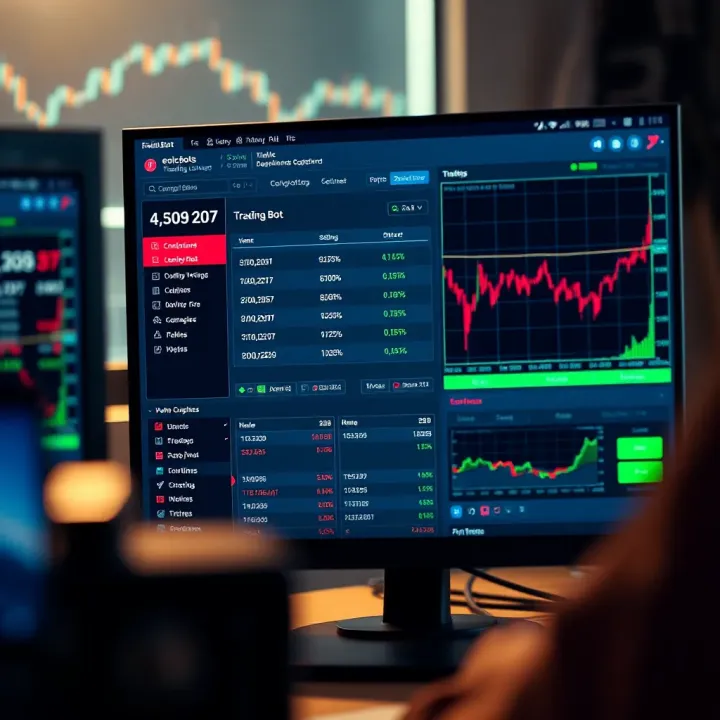
Free trading bots offer a mixed bag of benefits and challenges that South African investors must weigh carefully before jumping in. While they can ease some trading headaches, they’re not without their quirks. Let’s break down the real perks and pitfalls.
One of the biggest draws of free trading bots is, quite simply, the price. Not having to part with a single rand upfront can be very appealing, especially for new traders or those hesitant to commit large sums. For instance, platforms like Pionex offer free bot services with no monthly fees, allowing users to experiment with automated trades without immediate financial pressure. This contrasts with paid services which might charge anything from R200 to R1,000 per month, not including brokerage fees.
However, free usually means fewer features and less customisation. Paid bots often come with advanced algorithms, better data analysis, and premium support, which might justify the cost for more serious traders.
Markets never sleep — especially cryptocurrency markets that run round the clock, including weekends and public holidays. Free bots can keep an eye on price movements and execute trades even when you’re catching some shut-eye or stuck in traffic on a Gauteng highway.
This constant vigilance helps investors react instantly to market changes, potentially locking in profits or cutting losses faster than manual trading allows. For example, a bot might spot a sudden drop in Bitcoin and trigger a sell order within seconds, something impossible to achieve manually at all hours.
That said, free doesn’t always mean trustworthy. Many free bots rely on basic code, which can be prone to glitches, errors, or unexpected behaviour during volatile market swings. South African investors face additional risks if a bot doesn’t comply with local data protection laws like POPIA (Protection of Personal Information Act).
Security is another issue. Feeding your trading account API keys into unvetted bots can expose you to hacking or unauthorised trades. Always check the reputation of a bot platform and opt for ones with two-factor authentication and clear privacy policies.
Exercise caution with free bots — a bot’s efficiency can be undone overnight by poor security or unexpected software bugs.
Free bots tend to offer limited options for tailoring strategies to your personal risk tolerance or market preferences. For example, some bots might only allow fixed percentage trades or a narrow range of indicators, making them less flexible.
Customer support is usually minimal, if available at all. If you hit a snag setting up your bot or want to tweak it for local market conditions, you may be left to figure things out on your own through forums or FAQs. This can be frustrating, especially if you’re new or if South African market specifics aren’t addressed.
In short, free trading bots can be a handy stepping stone for beginners or a secondary tool for skilled traders, but it’s wise to understand their boundaries and risks before relying on them entirely.
Selecting the right free trading bot is crucial for South African investors keen to automate their trading activities effectively. The bot should align well with your trading goals, the platforms you use, and your comfort with technology and risk. This section highlights key factors to weigh before committing to any free trading bot.
First and foremost, ensure the trading bot supports integration with South African brokerages and exchanges you use. Local platforms like EasyEquities, Standard Bank Online Share Trading, and SatrixNOW operate differently compared to international ones. A bot that natively connects to these platforms will save you hassles like dealing with extra API setups or risking unsupported functionalities. For instance, a bot compatible with EasyEquities' API allows for quicker order execution and real-time data access, which is vital for timely trades. Without this, you might face delays or errors that could cost money.
A clean and intuitive interface matters, especially if you’re new to automated trading. Users should be able to install, link accounts, and configure basic strategies without requiring a software engineering background. Some free bots offer drag-and-drop strategy builders or presets designed to cover common trading approaches, such as momentum or mean reversion. For example, a bot with a simple dashboard and clear trade history reports reduces frustration and helps you track performance easily. Avoid bots that dump you into complex code or endless menus, unless you like tinkering with scripts.
Security needs more attention than ever, given the rising online threats. Your bot must protect sensitive details like API keys—giving it permission to trade on your behalf—and personal information. Look for bots that store data locally on your device or use strong encryption if data is kept in the cloud. Additionally, see if the bot allows limiting permissions to read-only or restrict withdrawal rights, reducing risk in case of compromise. Avoid free bots demanding broad access without clear explanations of security measures.
Free bots often depend on community or developer backing for updates and troubleshooting. Check if the bot has an active user forum, regular version updates, or responsive developer channels. A lively community means chances of encountering issues or questions and getting quick guidance are higher. For example, bots with GitHub repositories or South African-focused user groups provide learning opportunities and safer experimentation. Neglecting this aspect could leave you stuck without fixes or crucial updates, especially as markets and regulations evolve.
Choose a free trading bot that feels like a partner — compatible with your tools, user-friendly, secure, and supported — so you trade smarter with confidence.
In summary, South African investors should prioritise bots that work seamlessly with local platforms, are easy to operate, take data security seriously, and offer solid community support. These criteria help avoid common problems and unlock the real benefits automated trading can offer without paying a cent.
Setting up a free trading bot correctly is essential for South African investors who want to automate their trades without unnecessary headaches. A bot that’s poorly configured or not tailored to local market conditions can quickly cause losses rather than profits. The process involves linking your local brokerage accounts, setting clear trading parameters, and keeping an eye on performance to make adjustments as needed. These steps help ensure your investment strategy stays aligned with your goals.
First, you must ensure your chosen trading bot supports integration with South African brokerages or exchanges. Popular local platforms like EasyEquities, Standard Bank Online Trading, or even international exchanges accessible from Mzansi require different approaches. Usually, this involves generating an API key from your brokerage, which allows the bot to execute trades on your behalf.
For example, EasyEquities users can obtain API keys through their account settings, then input these credentials into the bot’s setup. Always double-check that the API permissions are set carefully—most bots only need 'trade' access, not withdrawal privileges, to keep your funds safe.
Once connected, defining your trading strategy is next. Most free bots offer preset strategies such as scalping, swing trading, or dollar-cost averaging. You can try these presets or create a simple rule-based strategy.
Say you want to buy shares in a JSE-listed company like Sasol when its price drops by 3% in a day and sell when it rises 2%. Many bots can handle this logic once configured properly. Configuring stop-loss limits is vital to protect your capital from sudden downturns—critical in volatile South African markets.
Automation doesn’t mean you can just set and forget. Regularly checking your bot’s performance and adjusting its parameters is key to success. For instance, if your bot trades during load-shedding blackouts, internet drops can interrupt operations, so timing and safeguards matter.
Use the bot’s dashboard to track your trades, profitability, and alerts. If the strategy underperforms or market conditions shift, tweak the thresholds or switch strategies. Setting notifications on your mobile device ensures you won’t miss sudden changes.
Remember, earnings from automated trades are subject to tax in South Africa just like any other capital gains or income. SARS requires you to declare these profits in your tax return. Keeping detailed records of all trades executed by your bot is important for easy tax filing.
Additionally, ensure your trading activities comply with laws such as the Financial Sector Conduct Authority (FSCA) regulations and use only bots approved for use with licensed brokers. This protects you from illegal schemes or scams posing as free bots.
Proper setup and ongoing management of free trading bots help South African investors harness technology effectively, but it requires attention to local requirements and market realities.
Using free trading bots can seem tempting enough for investors looking to automate trades without paying fees. But the thing is, without some proper guidance, you risk misusing these tools or falling prey to common mistakes. Here's how to make sure your free bot experience works in your favour.
Before plugging in your real cash, always test your chosen trading bot in a demo or simulated environment. Many platforms, including local brokers such as EasyEquities or international ones like Interactive Brokers, offer practice accounts. This lets you see the bot's reaction to market swings without risking your Rand. For example, if you set a bot to trade based on certain technical indicators like RSI or moving averages, a demo lets you verify if it actually complies and adapts well to changing conditions. Running tests over various days and market conditions builds confidence and avoids nasty surprises.
The popularity of free trading bots has opened the door for shady schemes and scammy offers. Be very wary of bots that promise guaranteed profits or require upfront deposits beyond account funding. Watch out for vague documentation or bots that ask for excessive personal information. Stick to well-reviewed platforms or established bots with transparent code or developer history. The Financial Sector Conduct Authority (FSCA) provides some consumer alerts about fraudulent schemes — worth checking there too. Remember, automation doesn’t replace vigilance; always keep your credentials secure and avoid sharing your broker login details beyond official APIs.
Bots can monitor markets tirelessly but they’re not foolproof and can be caught off-guard by sudden events like load-shedding impacts on exchange servers or volatile geopolitical news relevant to South African markets. Use your bot as a tool, not a set-and-forget solution. Regularly review your bot’s trades and performance, especially during high market volatility. Adjust your settings as needed or temporarily disable the bot if conditions warrant. For instance, if you notice unexpected big losses, it may signal that the bot’s strategy is misaligned with current trends. Combining your own insight with automation tends to produce better, more reliable outcomes.
Remember, free trading bots are just one piece of your investing toolbox. Testing thoroughly, staying alert to risks, and blending automation with human judgement helps you find real value without falling into pitfalls.
By following these practical steps, South African investors can get the most out of free trading bots while avoiding common traps and maintaining healthy control over their investments.
🤖 Explore robot trading apps for SA investors! Learn how automated trading works, key features to consider, regulatory tips, and risk management strategies.

📊 Master trading in South Africa with our detailed guide covering key concepts, risk management, strategies, and local market insights for confident trading.

📈 Discover surge trading in South Africa! Learn key strategies, risks, and market tips to boost your trading success in dynamic markets.

Explore how online brokers operate in South Africa 🇿🇦. Learn about fees, security, and tips to pick the right platform for smarter investing 📊💡.
Based on 8 reviews