

Platinum Price Forecast: Trends and Market Outlook
Discover how supply, demand, economic trends, and geopolitics impact platinum prices 📈. Insights tailored for South African investors and industry players.
Edited By
Isabella Morgan
Gold remains a vital asset for many investors, especially during economic uncertainty. Today’s gold forecast focuses on recent price trends, global influences, and their impact on Kenyan investors. Understanding these factors can help you make smarter decisions whether you’re trading daily or holding gold for long-term security.
Over the past few months, gold prices have fluctuated due to shifting global events. For instance, rising inflation in major economies like the US and the Eurozone has increased demand for gold as a hedge against currency weakness. On the other hand, stronger US dollar movements and higher interest rates sometimes put pressure on gold prices, pulling them down temporarily.
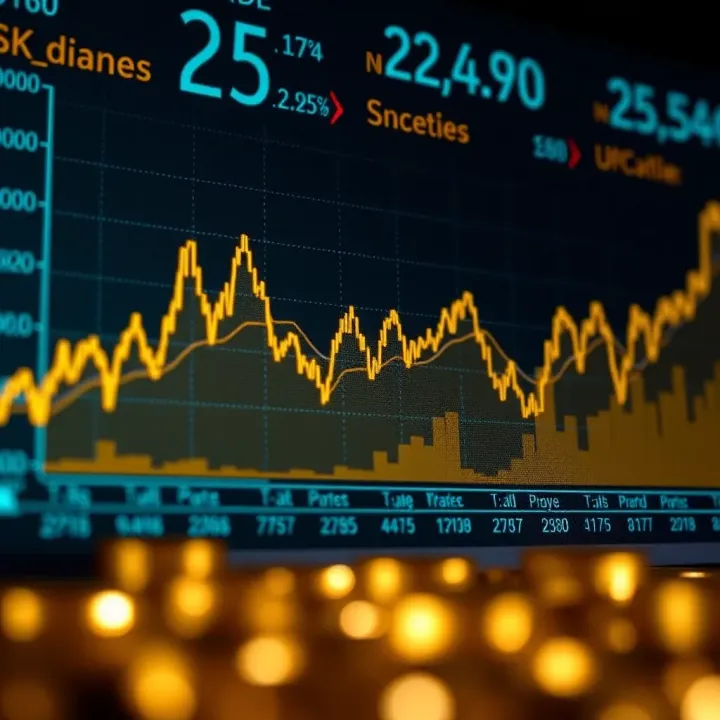
In Kenya, gold's value is affected not only by global markets but also by local factors. The Kenyan Shilling’s stability, changes in the Central Bank of Kenya’s monetary policy, and regional political developments play a role. For example, if the shilling weakens against the dollar, importing gold becomes costlier, pushing local prices higher. Additionally, decisions by the Nairobi Securities Exchange (NSE) on commodity listings can influence investor access and sentiment.
For Kenyan investors, tracking both global trends and local economic signals is key to anticipating gold price movements.
Here are the main drivers to watch closely today:
Global inflation rates: High inflation encourages investors to shift towards gold.
US Federal Reserve interest rate decisions: Rate hikes may dampen gold prices.
Currency trends, especially USD and KSh exchange rates.
Geopolitical tensions, which boost safe-haven demand.
Kenyan market regulations impacting gold trading and investment.
Understanding how these factors interact helps investors time their gold trades more effectively. Staying updated on data releases from bodies like the Central Bank of Kenya and global institutions will give you an edge.
In short, gold’s value today reflects a complex mix of world events and local market conditions. Being alert to these trends can help you avoid surprises and secure better returns on your investment.
Understanding current gold price trends is essential for investors seeking to make informed decisions amid a volatile market. This section focuses on how daily and weekly price changes reflect broader economic signals, while comparisons with previous months offer a clearer picture of longer-term momentum. In Kenya, where gold serves both as an investment asset and a store of value, keeping tabs on these trends helps investors and traders time their actions more strategically.
Daily and weekly price fluctuations involve examining how gold prices behave within short time frames. These fluctuations are often influenced by global events, changes in currency values, or immediate shifts in investor sentiment. For example, a sudden drop in the US dollar can drive gold prices up, as investors look for safer assets. For Kenyan traders, understanding these short-term swings is key, especially when trading on Nairobi Securities Exchange (NSE) or through local brokers who price gold in US dollars before converting to Kenyan Shillings.
Comparison with previous months offers a broader perspective on price behaviour, smoothing out the noise from daily ups and downs. For instance, analysing price performance over the past three to six months helps identify whether gold is on an upward trajectory or facing pressure from correcting markets. Recently, if gold prices rose steadily over several months, investors might anticipate continued strength, unless disrupted by new economic data like inflation reports or interest rate adjustments.
Understanding spot gold prices means looking at the price for immediate delivery of gold. The spot price is essentially the base rate against which all other contracts and transactions are assessed. This price moves continuously during trading hours, reflecting the current balance of supply and demand. In Kenya, spot price data is often referenced by jewellers and investors to set transaction values, especially as gold bars and coins are purchased outright.
Role of futures contracts in price forecasting is about using agreements to buy or sell gold at a set price on a future date. Futures prices indicate market expectations and can offer clues about upcoming price trends. If futures prices are higher than spot prices, it signals that traders expect gold’s value to rise. Kenyan investors can track these contracts on international commodity exchanges to gauge market sentiment, adjusting their portfolios accordingly. However, futures trading involves higher risk and is typically suited for experienced traders or institutional investors.
Monitoring both spot market activities and futures contracts provides a comprehensive view of gold's price direction, helping you anticipate changes and strategise investment moves intelligently.
Understanding the factors behind gold price movements is essential for investors, traders, and analysts. Gold does not move in isolation; its value responds to a mix of global economic changes, geopolitical events, and local market dynamics. These factors offer practical insights that help in making informed decisions—whether you are timing a purchase or assessing portfolio risk.

Effects of inflation and interest rates
Inflation erodes the purchasing power of money, prompting investors to seek assets like gold that traditionally retain value. When inflation ticks up, demand for gold often rises, pushing prices higher. On the flip side, when central banks raise interest rates to control inflation, the opportunity cost of holding non-yielding gold increases, which may dampen gold demand temporarily. For instance, in recent months, global central banks hiking rates amid inflation concerns led to fluctuating gold prices as investors weighed the trade-off between rising yields and gold’s safe-haven appeal.
Currency strength and exchange rates
The US dollar plays a central role in global gold pricing. If the dollar strengthens, gold becomes more expensive in other currencies, often reducing demand. Conversely, a weak dollar tends to boost gold prices as it becomes cheaper for holders of other currencies. For Kenyan investors, the interplay between the US dollar and the Kenyan shilling adds another layer. If the shilling weakens against the dollar, local gold prices may rise even if international prices are steady, affecting affordability and investment timing.
Impact of geopolitical events
Tensions in regions rich in natural resources or political instability can push gold prices up as a safe haven. Events like conflicts, trade disputes, or sanctions create uncertainty, leading investors to flock to gold for security. The ongoing global shifts and occasional crises in major economies often ripple through commodity markets, with gold notably reacting due to its role as a crisis hedge.
Investor risk appetite and safe haven demand
When markets are volatile or confidence wanes, investors tend to reduce exposure to risky assets like stocks and turn to gold. This demand shift can cause short-term price spikes. On the other hand, during bullish market phases, appetite for riskier investments may pull funds away from gold, weighing on prices. Recognising these sentiment changes helps investors gauge whether gold’s move reflects broader market moods or isolated factors.
Kenya's Shilling fluctuations
The Kenyan shilling's value often shifts due to trade balances, foreign exchange inflows, or external shocks. Since gold trades in US dollars, a weakening shilling makes gold imports costlier in Kenya, usually pushing local prices up. This effect can be significant for Kenyan investors buying physical gold or trading on local platforms, as exchange rate volatility directly impacts investment costs and returns.
Demand for gold in Kenyan markets
Local demand for gold in Kenya is shaped by investment trends, cultural practices (like engraving and jewellery), and economic conditions such as disposable income or inflation. For example, during festive seasons or weddings, demand for gold jewellery rises, affecting prices. Moreover, increased interest in gold as an investment in Nairobi and other urban centres has grown, boosted by digital gold platforms and awareness of gold’s role as a hedge against inflation.
Staying attuned to these global and local factors helps Kenyan investors anticipate price movements and better manage risks in their gold portfolios.
Understanding how to interpret today’s gold forecast is essential for any serious investor or trader. The forecast offers insights into where the gold price may be headed in the near term, helping you make informed decisions rather than relying on guesswork. Given gold’s sensitivity to numerous factors—from global economies to local currency swings—grasping the mechanisms behind price projections can sharpen your timing and risk management.
Using technical analysis for short-term trends requires focusing on price charts, moving averages, and key indicators like RSI (Relative Strength Index) or MACD (Moving Average Convergence Divergence). These tools look at past price movements to suggest potential future patterns. For instance, if gold prices keep bouncing off a certain support level, technical analysis might hint at a good buy point. Traders in Nairobi often watch for these signs, especially around Kenya’s major economic events, to time their entries or exits more smartly.
Technical approaches are particularly useful for short-term trading strategies, such as swing trading, where positions are held for days or weeks. Still, they don't predict the future with certainty. So, pairing technical signals with market news or economic reports can strengthen your strategy.
Limitations and risks of forecasts must not be overlooked. No forecast accounts perfectly for unexpected events like sudden geopolitical tensions or sharp inflation surprises. For example, if a conflict breaks out near major gold-producing countries, prices might spike beyond predicted levels. Similarly, sudden shifts in Kenya’s shilling value can affect gold prices locally, catching investors off guard.
Moreover, forecasts built mainly on past data risk missing emerging trends. This is why relying solely on any single indicator or prediction model can be risky. Keeping some flexibility and setting stop-loss orders can protect your investment from unforeseen market swings.
Key market analysts and institutions such as the World Gold Council, Bloomberg, and leading banks like Standard Chartered publish regular gold outlooks. These sources combine economic data, geopolitical insights, and market sentiment to offer balanced forecasts. In Kenya, tracking reports from the Central Bank of Kenya (CBK) alongside global reports can provide a clearer picture of gold’s movement.
Professional analysts often update forecasts frequently, reflecting changes like interest rate decisions or inflation reports. For example, when CBK adjusts policy rates, it can influence the shilling’s strength and, by extension, gold prices. These timely reports help investors stay ahead of shifts.
How to differentiate informed forecasts from speculation is key to avoiding costly mistakes. Reliable forecasts usually explain their assumptions clearly and base predictions on data—like inflation trends, currency movements, or supply-demand fundamentals—rather than vague claims. Beware of market chatter or social media hype promising guaranteed returns on gold investments without solid backing.
Check whether the source has a track record of accurate predictions over time. Informed forecasts also acknowledge uncertainties and remind investors of risk. For example, a credible report will mention that sudden political events could change the outlook, rather than suggesting absolute certainty.
Always approach gold forecasts as guidance tools, not crystal balls. Use them alongside your own research and practical experience to make the best decisions.
Investing in gold requires more than just knowing the current price or market trends. For Kenyan investors, practical tips are vital to navigate local market specifics, avoid common pitfalls, and maximise returns. This section offers hands-on advice to help you decide when to trade and which investment channels to trust. Being well-informed can save you from risky deals and ensure your gold investments align with your financial goals.
Timing your gold transactions improves your chances of profit. Pay attention to global cues like US dollar strength, central bank interest rate decisions, and inflation reports, as they often reflect on gold prices. Locally, watch for fluctuations in the Kenyan shilling—when the shilling weakens, gold tends to become more expensive in Kenya. Seasonal demand, such as before festive seasons or wedding periods, can also affect prices in the Kenyan market.
Technical indicators like support and resistance levels, or moving averages on price charts, offer useful clues for short-term traders. For example, if gold prices cross above the 50-day moving average, it can signal a buy opportunity. Combining such technical signals with awareness of geopolitical tensions can give investors a well-rounded view of when to trade.
Not all investors aim for quick profits. If your goal is wealth preservation or long-term growth, reacting to every price swing can do more harm than good. Set clear goals: Are you aiming to protect savings from inflation, or looking for speculative gains? This choice affects when you buy or sell.
For instance, a retiree using gold as a hedge may prefer to hold through short-term dips, while a trader might seize brief price spikes to sell. Align your timing strategy with your risk appetite and investment horizon. In the Kenyan context, understanding your liquidity needs is also key — gold is not as easily liquidated in all counties, so plan your trades accordingly.
Physical gold (like bars, coins, or jewellery) remains popular in Kenya, especially in urban centres like Nairobi and Mombasa. It offers tangibility but requires secure storage and insurance. Buying jewellery is common but may carry higher premiums and resale challenges.
Alternatively, digital gold platforms (such as those provided by some Kenyan banks or fintech firms) allow you to invest in gold without handling the metal physically. These platforms can be convenient, often with options to buy in small amounts and sell instantly online. However, it’s critical to understand the terms, fees, and actual ownership rights before committing.
Kenya does not have a dedicated gold regulator, but investments fall under general financial regulations. Always purchase physical gold from established dealers registered with the Capital Markets Authority (CMA) or under recognised bodies like the Kenya Gems & Jewellery Employers Association.
For digital products, ensure the platform complies with the Central Bank of Kenya (CBK) rules and has clear terms on custody and redemption. Avoid dealers offering unrealistic prices or pressure sales. Reputable dealers often provide certificates of authenticity and transparent pricing aligned with global gold rates, helping you avoid counterfeit risks.
Trust and due diligence are just as valuable as market insight when investing in gold in Kenya. Use these tips to protect your investment and make informed choices based on your unique financial goals.
Discover how supply, demand, economic trends, and geopolitics impact platinum prices 📈. Insights tailored for South African investors and industry players.
Explore Ethereum price trends, key factors driving ETH fluctuations, and what Kenyan investors should expect. Get clear insights to trade or invest wisely📊💻
📈 Explore Solana price trends, expert insights, risks & market factors impacting its future. Get a clear view on Solana's outlook in South Africa! 🇿🇦
Discover Ethereum's future 🔮 as this article covers market trends 📈, upgrades ⚙️, regulations 📜, and expert insights to guide your crypto journey 🚀.
Based on 6 reviews