
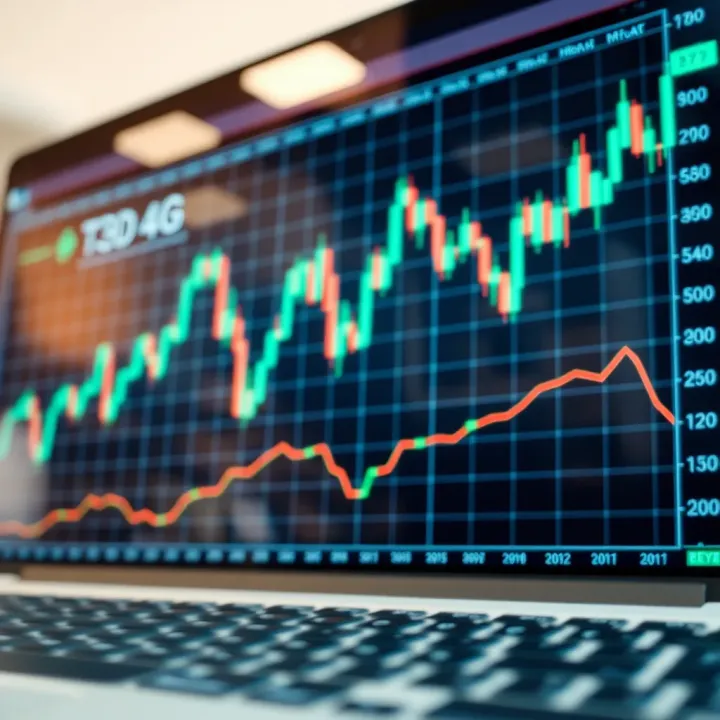
How Robot Traders Influence Financial Markets
🤖 Discover how robot traders automate financial market trades, their key strategies, benefits, risks, and effects on market behaviour in South Africa.
Edited By
Sophia Turner
Automated traders have changed how financial markets work worldwide, including Kenya's NSE (Nairobi Securities Exchange). These systems rely on computer programmes to execute trades automatically based on pre-set rules, removing the need for human traders to intervene every time they want to buy or sell.
At its core, automated trading uses algorithms—step-by-step instructions written in code—to identify trading opportunities and act on them instantly. This speed and precision can outpace manual decision-making, especially in markets where prices change quickly.
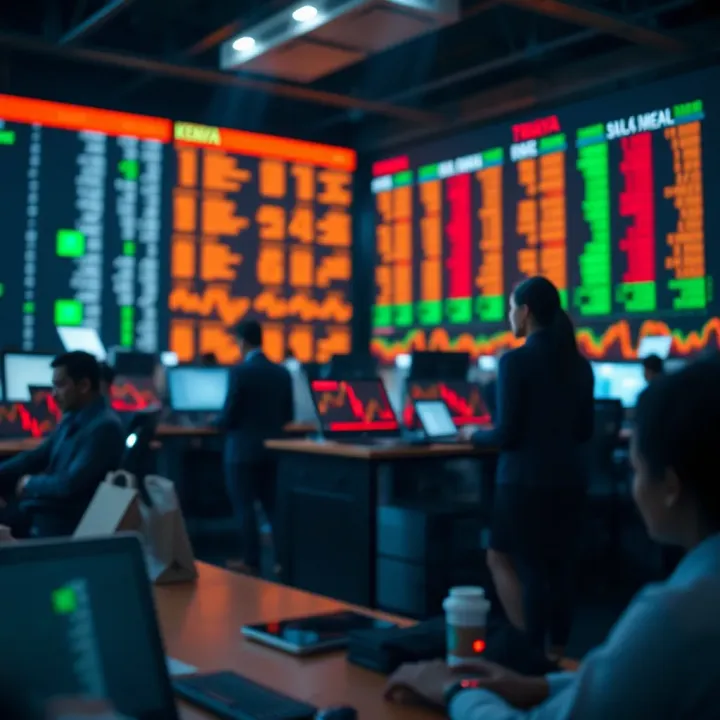
For instance, a Kenyan investor using an automated system could set rules that buy shares of Safaricom when its price drops by 2% within an hour but sell once it gains 3%. The software scans data constantly and places orders immediately without waiting for a person to react.
Automated trading is not just about speed; it reduces emotional decisions that often lead to costly mistakes.
Algorithms analyse various data points—such as price trends, volume, and historical patterns—to decide when to trade. Depending on the strategy, these might include:
Trend-following, where the system buys when prices rise steadily and sells when they fall.
Mean reversion, betting that prices will return to average after extreme moves.
Arbitrage, exploiting price differences for the same asset across different markets.
These approaches can run around the clock, which is useful in markets like forex or crypto where trading never stops.
Most automated trading in Kenya focuses on:
High-frequency trading (HFT), which executes thousands of tiny trades to profit from small price gaps.
Algorithmic mutual funds or ETFs, where funds use algorithms to balance investments automatically.
Robo-advisors, which help investors create portfolios and manage risk using algorithms.
Automated trading can improve efficiency and access to global markets for Kenyan traders. However, the flip side is the need for strong technology, good data, and understanding risks from sudden market swings.
Investors should also be aware of the regulatory environment by bodies like CMA (Capital Markets Authority) in Kenya, ensuring their trading platforms and strategies comply with local laws.
In sum, automated trading can be a useful tool if you understand how it works and keep an eye on risks. This knowledge helps you trade smarter, whether you are an individual investor, broker, or financial advisor.
Automated trading refers to the use of computer programmes to buy and sell financial assets without manual intervention. This method offers traders a way to execute orders swiftly and systematically, based on pre-set rules rather than emotions or guesswork. In Kenya’s evolving markets, where speed and precision can make a difference, understanding automated trading is essential for investors wanting to keep pace.
At its core, automated trading allows investors and institutions to react to market changes instantly, something difficult to achieve manually. For instance, a trader using an algorithm could set conditions to buy shares of a company if the price drops by a specific percentage, ensuring no opportunity slips by during volatile moments.
Automated traders depend on specialised software that connects to trading platforms like the Nairobi Securities Exchange (NSE). These programmes monitor market data, execute orders, and manage trades without needing constant human attention. Such software can continuously track price fluctuations and news, which is practically impossible for a trader to do manually throughout the day.
This software's ability to operate non-stop makes automated trading accessible round the clock, especially when dealing with global markets involving multiple time zones.
Algorithms are the backbone of automated trading. These are sets of mathematical rules created to identify trading opportunities based on market data patterns. For example, an algorithm may analyse price trends, volumes, or even news sentiments to decide when to buy or sell.
By using algorithms, traders reduce the impact of human emotions—fear or greed—that often lead to poor decisions. Instead, trades happen strictly according to the defined rules, ensuring consistency and discipline. This is especially beneficial in fast-paced settings, like forex or equities, where hesitation could cost investors dearly.
Once the algorithm detects a favourable condition, it automatically places an order on the trading platform. This can range from simple market orders to complex conditional orders requiring multiple criteria.
For example, if an algorithm spots an arbitrage opportunity—where the price difference of the same asset exists across two markets—it may simultaneously execute buy and sell orders to capture the profit margin. Doing this manually would be challenging given the speed and scale required.
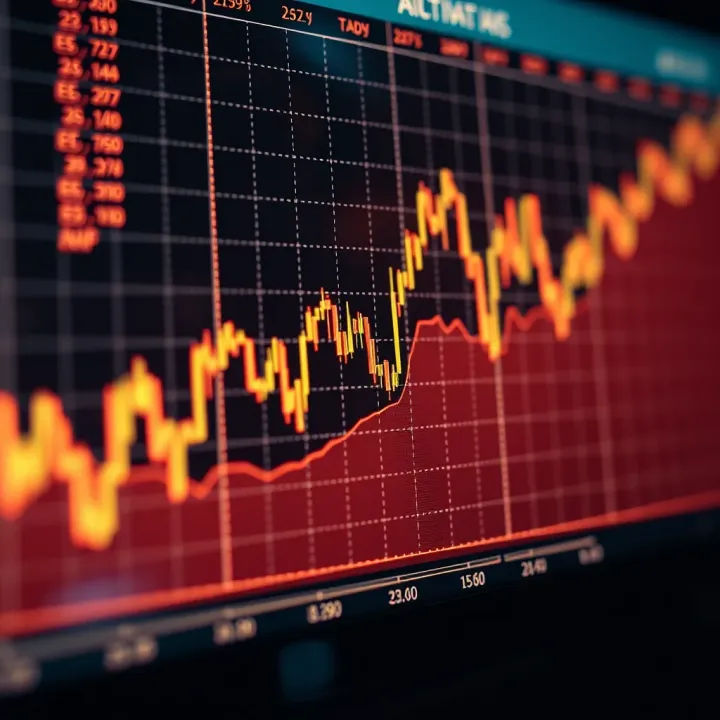
Automated systems execute trades in fractions of a second, far quicker than any human can. This speed advantage allows traders to capitalise on short-lived opportunities before prices adjust.
Moreover, automation reduces errors from manual data entry or delayed reaction times. Where manual traders might miss the moment to act, algorithms ensure trades happen at exactly the right conditions. This efficiency also lowers transaction costs through faster order execution and reduced reliance on manual oversight.
The rapid response enabled by automated trading levels the playing field, allowing small and large investors alike to navigate Kenya's dynamic financial markets with greater confidence and accuracy.
By combining software-driven processes, algorithmic decision-making, and high-speed order execution, automated trading offers a practical and powerful approach for modern investors in Kenya and beyond.
Automated trading employs various strategies to navigate the complexities of financial markets with minimal human input. Understanding these strategies helps traders and investors choose approaches that suit their goals and risk appetite. Each strategy relies on specific market behaviours and data signals to trigger buy or sell orders efficiently.
Trend following strategies rely on recognising when a financial asset starts moving consistently in one direction. The algorithm detects trading signals like moving averages crossing or price breaking resistance levels. For example, if the 50-day moving average crosses above the 200-day moving average, the system may interpret this as the start of an upward trend and execute buy orders. These signals aim to capture profits by riding the market momentum.
In the forex market, trend following is popular because currency pairs often show strong directional moves during economic news releases. For instance, if the Kenyan shilling weakens against the US dollar, the algorithm may pick up switching momentum and enter short positions to benefit. Similarly, in equities trading, momentum strategies track stocks with rising volumes and prices, such as a Safaricom share rally after positive earnings reports.
Mean reversion assumes that prices will tend to return to an average over time. Algorithms using this strategy signal trades when asset prices deviate significantly from their historical mean. Suppose a stock in the Nairobi Securities Exchange suddenly drops below its usual range without new negative information; the system may place buy orders expecting a price rebound.
Arbitrage takes advantage of price differences between related markets or instruments. For example, if East African Cement shares trade at a lower price on the NSE compared to a similar exchange like the Uganda Securities Exchange, arbitrage bots buy on the cheaper market and sell on the higher, profiting from the discrepancy. Such opportunities usually vanish quickly, so automation is critical to seize profits before the gap closes.
High-frequency trading (HFT) revolves around executing a high number of orders within fractions of a second. These algorithms monitor market data and instantly act on tiny price movements that might be invisible to manual traders. The ultra-fast order execution relies on powerful servers and direct exchange connections to reduce latency.
HFT usually improves market liquidity by increasing the volume of trades and narrowing bid-ask spreads. However, critics argue it may sometimes lead to unfair advantages against slower investors or cause sudden market swings. Despite this, many institutional players in Kenya and beyond rely on HFT to provide tighter pricing and faster trade execution.
Automated trading strategies vary widely but share a common aim: to respond swiftly and accurately to market signals. For Kenyan investors, knowing these approaches enables smarter decisions and better risk management in an evolving digital trading environment.
Automated trading offers significant benefits that appeal to investors but also poses notable challenges that require attention. Understanding these pros and cons helps traders navigate both the opportunities and pitfalls in financial markets, especially as Kenya's digital financial sector grows.
One major advantage of automated trading is removing human emotions from the decision-making process. Traders often fall prey to fear or greed, leading to impulsive buys or panic sales. Automated systems, however, follow predefined algorithms repeatably, avoiding emotional biases that might cloud judgment during market swings. For example, a trader using an automated system during Kenya's election season might avoid rash moves driven by temporary headlines, sticking instead to solid strategy.
Automated traders can react much quicker to market movements than humans. Algorithms scan vast amounts of data and execute trades within milliseconds, capturing opportunities before they disappear. For instance, in Nairobi Securities Exchange (NSE) where price movements can be swift, automated systems can execute buy or sell orders faster than manual trading, increasing chances of profit or limiting losses.
By removing the need for constant manual oversight, automated trading usually results in lower transaction costs. Automated systems can batch orders efficiently and minimise the bid-ask spread impact, which is particularly valuable for traders dealing in large volumes or high-frequency trades. Additionally, automated trading helps reduce brokerage fees related to human interventions, a benefit Kenyan traders increasingly appreciate amid growing market activity.
Automated trading depends heavily on technology, which means that technical faults can cause serious problems. System failures, internet outages, or software bugs might lead to missed trades or unintended orders, resulting in losses. For example, during heavy trading days around corporate earnings announcements, a glitch in an algorithm could miss an exit point, causing losses instead of profits.
There are worries that some automated trading strategies might be used to manipulate markets. Practices like spoofing—placing and quickly withdrawing large orders—can create false impressions of demand or supply. Kenyan regulators like the Capital Markets Authority (CMA) keep an eye on such activities to protect market integrity but investors need to be aware that automated systems are not foolproof against these risks.
Deploying an algorithm without thorough testing can lead to costly errors. Backtesting strategies against historical data helps verify their effectiveness before real money is involved. Paper trading, which uses simulated environments, also allows traders to fine-tune their algorithms. Kenyan investors must consider this carefully to avoid losses from poorly performing or improperly coded strategies.
Automated trading comes with clear benefits such as speed and emotional detachment but requires due diligence around system reliability and ethical concerns to protect investments effectively.
Automated trading in Kenya operates within a framework set by regulatory bodies to ensure fairness, transparency, and investor protection. Knowing these regulations is essential for anyone involved in algorithmic trading, as it helps in navigating the legal environment and avoiding potential pitfalls. This section explains the key guidelines governing automated trading and how they impact traders and investors.
The Capital Markets Authority (CMA) of Kenya mandates that operators engaging in automated trading systems must obtain proper licences. This ensures that platforms and service providers meet minimum standards related to technology, security, and financial stability. For example, a trading firm offering algorithmic services needs a licence that confirms its ability to manage client funds responsibly and adhere to market conduct rules.
Licensing also helps protect investors against unregulated operators who may offer unreliable or fraudulent services. Before committing to any automated trading platform, it's crucial to verify its registration with the CMA, as this compliance assures a level of oversight and accountability.
Beyond licensing, the CMA requires firms to maintain clear and accurate records of their automated trading activities. This transparency means that trades executed through algorithms are subject to monitoring for any suspicious or manipulative behaviour. Firms must report significant transactions and system updates to the regulator, ensuring markets remain orderly.
Traders also benefit from knowing that the platforms they use regularly disclose performance data and system limitations. Transparent operations help users understand the risks and capabilities involved, allowing for better-informed decisions and reducing the chance of hidden pitfalls.
Fraud prevention is a key part of Kenya's regulatory landscape. The CMA enforces strict rules to prevent practices like spoofing or artificial price manipulation through automated trading. Additionally, investors are encouraged to use platforms with robust cybersecurity measures to avoid hacking risks, which can compromise trading algorithms.
Practical protections include verification of client identities and segregation of client funds from company assets. These measures ensure that even if a firm runs into trouble, clients' investments remain separate and protected.
The regulatory environment in Kenya strives to create a safe space where automated trading can thrive without exposing investors to unnecessary risks.
The Nairobi Securities Exchange (NSE) plays a pivotal role in supervising automated trading activities, particularly for equities and bonds traded on its platform. The NSE monitors order flows and trading patterns to detect anomalies that could indicate algorithmic errors or market abuse.
Moreover, the NSE provides technological infrastructure that supports reliable and efficient execution of automated trades. By collaborating with regulators and market participants, the NSE helps ensure the market remains liquid, transparent, and trustworthy for both local and international investors.
Being aware of NSE’s role reassures traders that automated systems operate in a well-regulated environment, aligning with global best practices while catering to Kenya’s unique market context.
Getting started with automated trading in Kenya is an essential step for investors looking to optimise their strategies while staying competitive in today’s financial markets. Automated trading systems can handle complex trades faster and more efficiently than manual trading, but to benefit, you need to select the right platform, test strategies properly, and understand how to control risks effectively.
When picking a trading platform, cost, usability, and reliability are your main concerns. Platforms with hefty fees or expensive subscriptions may soak up your profits, so consider options that offer transparent pricing without hidden charges. Usability matters because a complicated interface can slow you down, especially if you’re new to automated trading. A reliable platform will ensure your trades get executed fast and with minimal downtime—crucial in Kenya’s fast-moving markets.
Popular platforms accessible to Kenyan traders include MetaTrader 4 and MetaTrader 5, which support algorithmic trading and offer built-in tools for strategy development. Nairobi traders also access platforms like Interactive Brokers and Thinkorswim, recognised for their robust features and global market access. Many Kenyan brokers now integrate with local payment methods such as M-Pesa to simplify deposits and withdrawals.
Backtesting your trading algorithms is vital before going live. This involves applying your strategy to historical market data to assess performance under real market conditions. For example, you might backtest a momentum strategy against past NSE 20 index data to check if it would have made profits. Backtesting helps spot flaws without risking real money.
After backtesting, paper trading comes next. This means running your algorithms in simulated markets with virtual money but in real-time. It allows you to see how your strategy performs in current market conditions without financial risk. Paper trading also helps you get used to handling alerts or adjusting parameters before risking actual capital.
Setting stop-loss limits is a simple but effective way to manage risk. Stop-loss orders automatically close a position once a certain loss threshold is reached. This feature can protect your investment from unexpected market volatility, which is common during political announcements or economic shifts in Kenya.
Regular system monitoring is equally important. Automated systems can fail due to technical glitches, internet outages, or unexpected market events. Keeping an eye on your system’s performance ensures you catch issues early, preventing bigger losses. For example, scheduling daily checks or alerts when trades deviate from expected behaviour keeps you in control even when automation does the work.
Starting with a clear plan—choosing the right platform, thoroughly testing your algorithms, and managing risks—sets you on a solid path to success with automated trading in Kenya.
🤖 Discover how robot traders automate financial market trades, their key strategies, benefits, risks, and effects on market behaviour in South Africa.
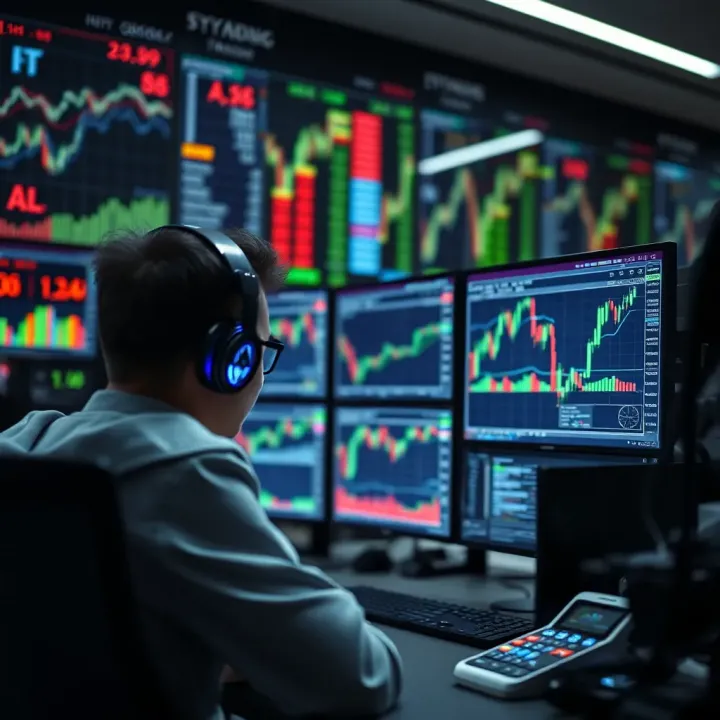
🤖 Explore how robot trading systems work in South Africa, their pros, risks, and impact on markets. Get insights on automated trades and investment tips!

🔍 Wondering if Vault Markets is legit? Discover its regulation, security, fees, and support to trade cryptocurrencies confidently in Kenya. Stay safe! 🇰🇪
💰 Explore RCG Markets bonus options for South African traders, learn eligibility rules, essential terms, and smart tips to benefit fully and avoid risks.
Based on 14 reviews