
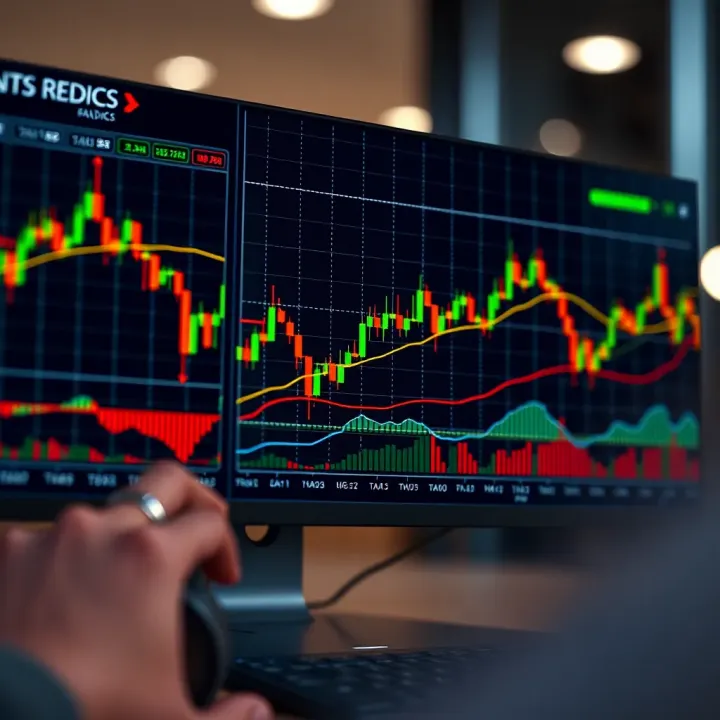
Effective Strategies for Trading Synthetic Indices
Discover effective strategies for trading synthetic indices 📈. Learn market behavior, risk management, and tactics to enhance your trading success in South Africa.
Edited By
Amelia Wright
Trading is often seen as a path to quick wealth, but the reality is much more demanding. To become an expert trader, you need more than just guts and luck—you require a solid grasp of market behaviour, clear strategies, and the discipline to stick to your plan even when emotions run high.
South Africa's markets can be particularly challenging with the ups and downs of the JSE, currency fluctuations, and external factors like global commodity prices. The key is to develop skills that allow you to navigate these complexities confidently.
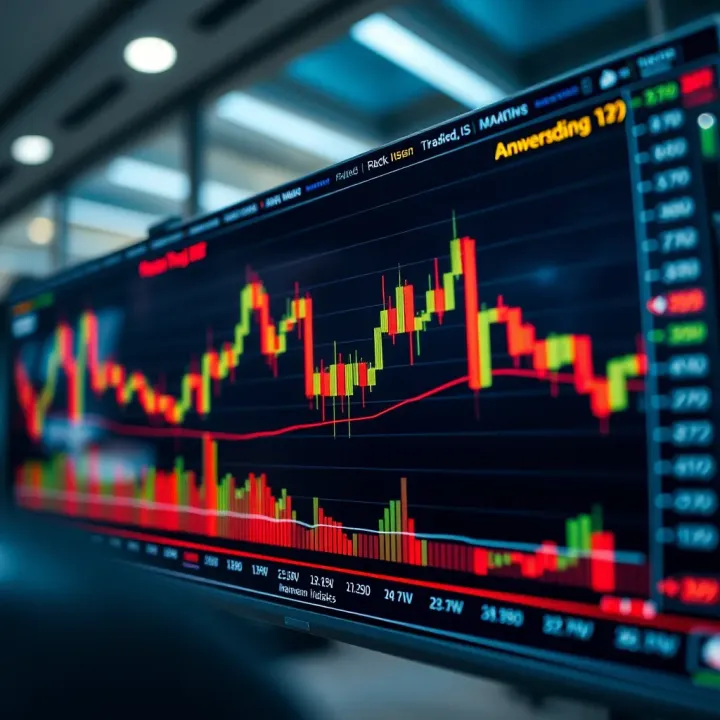
Expert traders combine technical knowledge with practical experience. They understand how economic indicators like repo rate changes by the South African Reserve Bank (SARB) can affect sectors like mining or retail. These traders don’t jump in blindly—they prepare with thorough research and set clear entry and exit points.
Discipline plays a huge role. For instance, setting stop-loss limits prevents devastating losses during volatility, especially when global events suddenly sway the rand. Many beginner traders get caught chasing losses or holding onto positions out of stubbornness. Experienced traders know when to cut their losses and move on.
To illustrate, consider a trader who follows local news closely, noting how Eskom’s loadshedding stages impact industrial shares. By adapting strategies to these realities, they avoid surprises and seize opportunities that others miss. This kind of market insight separates amateurs from pros.
Becoming an expert isn’t about predicting every market move but managing risks smartly and staying adaptable as conditions shift.
Throughout this article, you'll find practical tips on developing core skills, building robust trading strategies tailored for South African conditions, and fostering the right mindset for steady growth. The goal is to help you take control of your trading journey with tools and insights that deliver real results.
Becoming an expert trader involves more than just making profitable trades from luck or guesswork. It’s about mastering specific competencies that allow you to understand, analyse, and react to market movements consistently. In the South African context, where markets can be volatile and influenced by a mix of local events and global trends, identifying what sets an expert trader apart helps sharpen focus and guide development.
A strong grasp of market fundamentals is the backbone of expert trading. This means knowing how different exchanges operate, the influence of macroeconomic factors like interest rates and political developments, and understanding market sentiment. For instance, an expert trader might follow the Johannesburg Stock Exchange closely, keeping an eye on resources stocks sensitive to rand fluctuations or commodity price shifts backed by global demand. This knowledge shapes decisions and helps avoid knee-jerk reactions to short-term noise.
Skilled traders don’t rely solely on one method. Fundamental analysis involves evaluating a company’s financial health, sector prospects, and economic conditions, while technical analysis focuses on price and volume trends, chart patterns, and momentum indicators. In practice, an expert trader in South Africa might use fundamental analysis to decide which stocks have strong growth potential amid local economic shifts, yet apply technical tools to time entries and exits precisely. Neither approach alone guarantees success, but combined wisely they offer a fuller picture.
Emotions are often the enemy in trading. Fear and greed can prompt hasty decisions, like chasing losses or jumping into trades without proper assessment. Expert traders cultivate emotional discipline, sticking to their strategies even when the market feels unpredictable. For example, they won’t double down on a losing position out of frustration but will respect stop-loss limits to protect capital. This control comes from experience and deliberate practice, enabling calm and clear decision-making even under pressure.
The hallmark of an expert trader is a track record of consistent results over time, not just occasional big wins. Consistency means the trader can generate profits while managing risks prudently. For example, instead of hitting it big once and losing twice as much, they aim for steady gains that accumulate. This steadiness reflects a clear, tested plan rather than gambling.
Markets never stand still. Expert traders know how to shift strategies when conditions change—for instance, being cautious during Eskom-induced market jitters or adjusting when the rand weakens against the dollar. They don’t get stuck in one way of thinking but continually monitor economic trends and technical signals to remain flexible.
While short-term trading can yield quick profits, expert traders weigh these against long-term objectives. They avoid the pitfall of chasing quick wins at the expense of enduring capital preservation and growth. For example, an expert investor might balance day trading opportunities with building positions in solid blue-chip companies listed on the JSE for long-term wealth.

Expert trading is a blend of knowledge, emotional control, and adaptability—qualities that develop steadily through disciplined practice and reflection.
Understanding these elements helps you map your current skills, identify gaps, and build a framework for sustained trading success.
Effective trading strategies form the backbone of consistent success in the financial markets. Without a clear plan, traders risk making impulsive decisions driven by emotion rather than analysis. In South Africa’s complex market environment, tailoring strategies to local dynamics while aligning them with personal trading styles is essential. A solid approach helps manage risk, maximise returns, and build confidence over time.
Equities, forex, commodities, and derivatives each offer distinct opportunities and risks. Equities represent ownership in companies and tend to appeal to traders interested in long-term growth or dividend income. Forex involves currency pairs and suits those who thrive on short-term volatility, often at international scale. Commodities like gold or platinum are particularly relevant in South Africa due to the country’s resource-rich economy and can offer a hedge against inflation or currency fluctuations. Derivatives such as futures or options allow traders to speculate on price movements or hedge existing positions with varying levels of complexity.
Focusing on South African market specifics is critical when choosing where to trade. The Johannesburg Stock Exchange (JSE) is the primary equities venue, with liquid shares in industries like mining, financial services, and retail. However, liquidity varies considerably, and smaller counters may trade infrequently, leading to wider spreads and potential slippage. Understanding these nuances helps avoid costly mistakes. Similarly, forex pairs involving the rand (ZAR) exhibit unique price behaviour influenced by local economic data, political events, and Eskom’s loadshedding patterns.
Backtesting strategies against historical data offers a reality check on effectiveness before risking real money. By running your plan through past market conditions, you identify flaws or strengths you might otherwise miss. For instance, a trader testing a moving average crossover strategy on JSE-listed shares might discover it performs well in trending markets but struggles during sideways conditions. This knowledge lets you tweak rules or apply filters to improve outcomes.
Setting clear entry, exit, and stop-loss criteria is fundamental to discipline. Knowing when to buy, when to take profits, and where to cut losses protects capital from emotional reactions. For example, in a volatile sector like mining stocks, placing a stop-loss at 3% below entry price might limit damage from unexpected gold price shocks but still allow room for recovery. These rules should be specific and respected regardless of short-term feelings.
Using technical indicators effectively means choosing tools that complement your style and making sure their signals aren’t conflicting or excessive. Common indicators such as the Relative Strength Index (RSI) or Bollinger Bands help identify overbought or oversold conditions, but relying solely on any single tool can be misleading. Instead, combine indicators with price patterns and volume analysis to get a fuller picture. In South African markets, where data frequency differs from international exchanges, adjusting indicator settings to suit local liquidity levels improves reliability.
Developing sound trading strategies tailored to South Africa’s particular market traits will enhance your chances of sustained success and help you navigate uncertainty with confidence.
Risk management stands at the heart of successful trading. Without controlling losses, even the most promising strategies can fail. South African traders especially face unique challenges such as market volatility influenced by local political shifts and global commodity prices. Effective risk management ensures that a single bad trade doesn’t wipe out months of gains.
Determining acceptable risk per trade means setting a limit on the amount of capital you’re willing to lose on any single trade. For most expert traders, this usually falls between 1% and 2% of their total trading account. For example, if you have a R100,000 trading account, risking R1,000 to R2,000 per trade helps preserve your capital through inevitable losing streaks. Without this discipline, you might end up risking too much on one bet, which can be disastrous when the market turns against you.
Applying position sizing based on account size ties directly into acceptable risk levels. This involves adjusting your trade volume to match how much you’re willing to lose per trade. If your stop-loss is placed 5% away from your entry price, and you want to risk R1,000, your position size should be calculated so that a 5% move equates to a R1,000 loss. This keeps risk consistent across trades regardless of market volatility or instrument price, preventing oversized exposure that can deplete your margin and impact future trades.
Stop-loss orders and trailing stops are the frontline tools for containing losses. A stop-loss order automatically closes your position once the price hits a predetermined level, preventing larger-than-intended losses. Consider a scenario where you buy a share at R50 and place a stop-loss at R47; if the price drops, your position closes automatically before the loss escalates. Trailing stops add flexibility by moving the stop level upward with gains, locking in profits while still allowing for some price fluctuations. This technique suits momentum traders who want to ride trends but protect capital.
Diversification across instruments and sectors reduces risk concentration. Rather than putting all your eggs in one basket—say, shares in the mining sector—you spread capital across various assets like retail stocks, bonds, or even forex. This approach protects against sector-specific shocks, such as a sudden plunge in platinum prices due to strikes or regulatory changes. In South Africa’s market where certain sectors can react sharply to events, diversification helps smooth out returns and improves your chances of preserving capital during turbulent times.
Managing risk is not about avoiding losses entirely; it’s preparing so that no single loss derails your entire trading journey.
Employing these risk management techniques keeps you in the game long enough to make smarter decisions and benefit from the market’s ups and downs. For traders serious about growth, protecting capital always comes first before chasing big returns.
Psychology plays a significant role in expert trading, often making the difference between consistent profits and repeated losses. Mastering your own mindset helps handle stress, maintain discipline, and prevent emotional pitfalls. With so much uncertainty in markets, traders who stay level-headed tend to outperform those swayed by fear or greed.
Overtrading and revenge trading often stem from emotional reactions rather than strategic thinking. Overtrading can happen when a trader increases their position size or frequency after a loss, hoping to recover quickly. This behaviour can quickly drain capital, especially when markets don’t cooperate. Revenge trading, on the other hand, is chasing losses by making impulsive trades to get even, which usually compounds the problem. For example, a trader who loses R10,000 on a failed forex move may make rash trades trying to claw back that loss, ignoring their initial plan.
Avoiding these habits requires recognising the emotional triggers that prompt them. Keeping a trading journal can help identify patterns like these early. Setting daily or weekly loss limits also prevents emotional decision-making from running amok. For real-world traders in Johannesburg or Cape Town, knowing when to stop and regroup is essential for long-term survival.
Dealing with losses and maintaining confidence is another crucial skill. Every trader faces losses—it’s part of the game. The challenge is accepting losses as part of the process rather than a personal failure. For example, a stock that tanks after a well-researched entry can feel defeating. Traders who dwell too long on mistakes tend to freeze or avoid following trades later, hurting overall performance.
Building resilience means viewing losses objectively. Reviewing losing trades for lessons instead of being discouraged makes a big difference. Reminding yourself that even the best traders have off days helps keep confidence intact. This mindset keeps you steady through the ups and downs, critical for navigating South Africa’s sometimes volatile market.
Sticking to the plan is a cornerstone of expert trading. Without discipline, even good strategies fail. A well-crafted trading plan outlines when to enter, exit, and cut losses based on defined rules. Sticking to that plan means not chasing after a trade just because it looks tempting or reacting to every market rumour.
For instance, if your plan sets a stop-loss for a commodity trade at a certain price due to fundamental reasons, moving that stop just because of nervousness usually leads to bigger losses. South African traders dealing with variable liquidity in JSE shares or commodities need this kind of discipline to avoid unnecessary risk.
Learning from mistakes without emotional bias requires honest self-reflection. It’s common to blame external factors or deny errors, but effective traders own their decisions. They use their mistakes as a source of improvement rather than frustration.
A practical technique is to review trades impartially, noting exactly what went right or wrong. Maybe a forex trade failed because you didn’t check key economic data or ignored your risk limits. Learning to separate facts from feelings allows you to adjust your strategy thoughtfully instead of reacting emotionally. Over time, this builds better judgement and consistent results.
In the end, controlling your psychological responses is as vital as reading charts or following market news. Discipline, patience, and emotional awareness form the backbone of expert trading success.
Staying informed is not a luxury but a necessity for any trader aiming to maintain an edge in the market. Markets evolve constantly, influenced by new regulations, economic shifts, and technological advances. Continuous learning keeps traders sharp, helping them adjust strategies and avoid costly mistakes. In South Africa, where local economic conditions and global trends interplay uniquely, staying educated provides real practical value.
Using trusted South African sources and platforms is vital for reliable market information. Relying on local financial news outlets like BusinessTech, Moneyweb, or the financial pages of News24 ensures access to up-to-date developments affecting the JSE and other markets. These platforms often offer timely reports on corporate results, policy changes by the South African Reserve Bank (SARB), or Eskom load-shedding impacts—all of which sway market sentiment.
On the flip side, international platforms like Bloomberg or Reuters remain useful for global context but may lack the specific details relevant to South African traders. For example, understanding how National Treasury’s budget announcements could affect fiscal policy or how municipal service delivery problems influence sector performance requires local insight.
Understanding how local and global events affect markets is key. A move in the Rand’s exchange rate can ripple through exporters and importers differently. The ongoing effects of global commodity price swings directly touch sectors like mining, which dominate the South African market. Political developments, such as changes in government leadership or policy shifts around land reform, also affect investor confidence substantially.
Globally, shifts in US interest rates or trade tensions impact capital flows and risk appetite across emerging markets, including South Africa. Expert traders watch these events closely to position themselves advantageously, knowing that timing and context matter as much as the headline itself.
Charting software and trading platforms provide the backbone for informed decision-making. Platforms such as ThinkMarkets, IG South Africa, or easyEquities equip traders with essential charting features to analyse price trends, volumes, and patterns effectively. These tools enable traders to customise indicators like moving averages or RSI tailored to their preferred strategies.
Having a reliable and user-friendly platform also means faster trade execution—crucial when market moves happen swiftly during volatile sessions. Mobile apps ensure traders can respond on the go, especially vital for those juggling offices, homes, or even taxi commutes.
Automated alerts and algorithmic support take trading efficiency further. Setting alerts on price levels or technical triggers helps avoid missing opportunities without constantly staring at screens. Many platforms now offer algorithmic trading options, allowing users to run predefined strategies or use bots that react instantly to market conditions.
While algorithmic trading requires technical understanding, even beginners benefit from automated tools like stop-loss alerts or limit orders. For instance, a trader in Johannesburg could programme an alert for when a stock on the JSE breaks above resistance, giving them a signal to act immediately without delay.
Staying educated and leveraging the right tools sharpens a trader’s ability to navigate both local and global markets confidently. It transforms data into decisions—making all the difference between reacting late and acting smart.
Discover effective strategies for trading synthetic indices 📈. Learn market behavior, risk management, and tactics to enhance your trading success in South Africa.
📈 Master smart trading in South Africa with practical strategies, key tools, and risk control to make informed investment decisions and improve your returns.
🤖 Explore how robot trading systems work in South Africa, their pros, risks, and impact on markets. Get insights on automated trades and investment tips!
Explore The 5ers trading program 🌍 for forex traders in South Africa—understand eligibility, rules, benefits, and how it stacks up against other funding paths 💹.
Based on 14 reviews