

Trading Guide for South African Traders
📊 Master trading in South Africa with our detailed guide covering key concepts, risk management, strategies, and local market insights for confident trading.
Edited By
Laura Mitchell
Mobile trading robots have become a popular tool among South African traders keen to automate their trading activities while on the go. These software applications connect directly with trading platforms via mobile devices, automatically executing trades based on pre-set rules. They offer the convenience of managing investments anywhere, without needing to sit in front of a desktop.
At their core, mobile trading robots operate using algorithms programmed to analyse market data, such as price movements and indicators. When specific conditions are met, the robot places trades in real time. For instance, if a robot is set to buy shares of a JSE-listed company when its price drops by 2%, it will do so immediately upon that trigger.
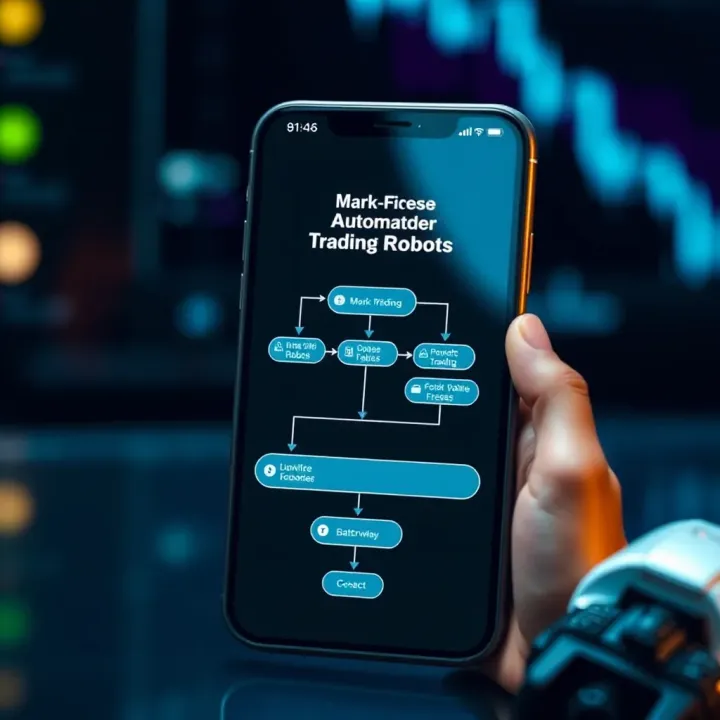
For South African traders juggling busy schedules or facing loadshedding interruptions, these robots can ensure opportunities are not missed, as trades execute even when you're offline.
However, while they offer speed and automation, it's not without risk. Market volatility can lead to unexpected losses if the robot reacts to false signals. It's also crucial to understand the technology behind the robot, including how it connects with platforms such as EasyEquities, IG, or Plus500 – all popular locally.
When considering mobile trading robots, look for features like:
Customisable strategy settings
Real-time market data and alerts
Clear demonstration accounts for testing
Strong encryption for data security
Responsiveness on both Android and iOS devices
Local regulations also matter. The Financial Sector Conduct Authority (FSCA) oversees trading activities, so ensure your chosen robot complies with South African laws and platform terms.
In effect, mobile trading robots combine the flexibility of mobile access with the sophistication of automated trading. With the right knowledge and careful selection, they can be a practical addition to your trading toolkit.
This guide will help you get started, pointing out what you must know about technology, legal considerations, and how to match these tools with your trading goals in the South African context.
Mobile trading robots offer a way for South African traders to automate their trading actions using smartphones or tablets. Understanding how these robots work is vital to using them effectively and safely. This section explains the core mechanisms behind mobile trading robots and highlights practical considerations relevant to traders in our market.
Algorithm-based decision making lies at the heart of mobile trading robots. These are sets of predefined rules encoded into the software to analyse market data — like price movements, volume, or technical indicators — and decide when to buy or sell. For example, a robot might scan the JSE Top 40 index for specific trading patterns and trigger trades accordingly. The benefit is clear: the robot can process vast amounts of data faster and more objectively than a human could. This is particularly useful in volatile markets or when monitoring many instruments at once.
Trade execution without manual input means the robot can carry out trades automatically once certain conditions are met, without the trader needing to approve each one. After the algorithm signals a trade, the robot connects to your trading account via the mobile platform and places the order instantly. This feature reduces the risk of missing out due to delayed reactions or emotional hesitation. Traders in South Africa often face fast-moving markets and time zone challenges, so automated trade execution means you don't have to be glued to your device 24/7.
Pre-programmed robots operate strictly according to fixed rules set by their developers or the trader. They focus on specific strategies, such as following moving averages or exploiting arbitrage opportunities across forex pairs like ZAR/USD or ZAR/EUR. The main advantage is predictability; you know exactly what triggers a trade. However, they lack flexibility and may struggle during unexpected market scenarios or when conditions shift rapidly.
On the other hand, machine learning and adaptive systems improve with experience. These robots analyse historical and real-time data to identify complex patterns and adjust their strategies on the fly. For instance, a robot using machine learning might adapt to changing trends in commodity prices relevant to South Africa’s mining sector. While these robots are more sophisticated and can handle market shifts better, they require careful configuration and continuous monitoring to avoid errors or overfitting – where the system becomes too tailored to past data and performs poorly on new information.
Traders should weigh the trade-offs between a simple, rule-based robot and a more advanced learning system based on their comfort with technology, risk appetite, and the complexity of the markets they trade.
In summary, knowing how these robots operate helps South African traders pick solutions that fit their needs. Whether you prefer the no-nonsense approach of pre-programmed bots or the evolving insights of machine learning systems, understanding the core automation features can boost your trading efficiency and control.
Mobile trading robots offer South African traders a straightforward way to automate trading decisions via their smartphones or tablets. The appeal lies in convenience, speed, and removing some human errors. Yet, like all tech, they come with risks. Understanding these helps you make smarter choices rather than relying on hype.
One key allure of mobile trading robots is being able to trade anytime, anywhere. Whether you're commuting on the Gautrain, waiting in a queue at the bank, or at a coffee shop in Cape Town, these robots let you stay active in the markets without being tied to a desktop. You can monitor trades and adjust settings in real time without missing a beat. For example, if a sudden rand-dollar move happens during peak traffic, you're not stuck without options.
Markets can get hectic. Fear or excitement often leads traders to make impulsive decisions—buying high or selling low. Mobile trading robots stick strictly to pre-set rules and algorithms, so they don’t panic or get greedy. This discipline helps traders avoid emotional swings that often cause losses. For instance, during volatile phases when local political news affects markets, a robot can maintain steadier trading behaviour.
Speed matters in trading, and mobile robots offer rapid response times that humans rarely match. They analyse signals and place trades instantly, which can catch short-lived market opportunities. This is particularly helpful during rapid price shifts in forex or commodities that South African traders often follow. While you might take seconds or minutes to tap your screen, the robot acts in milliseconds.
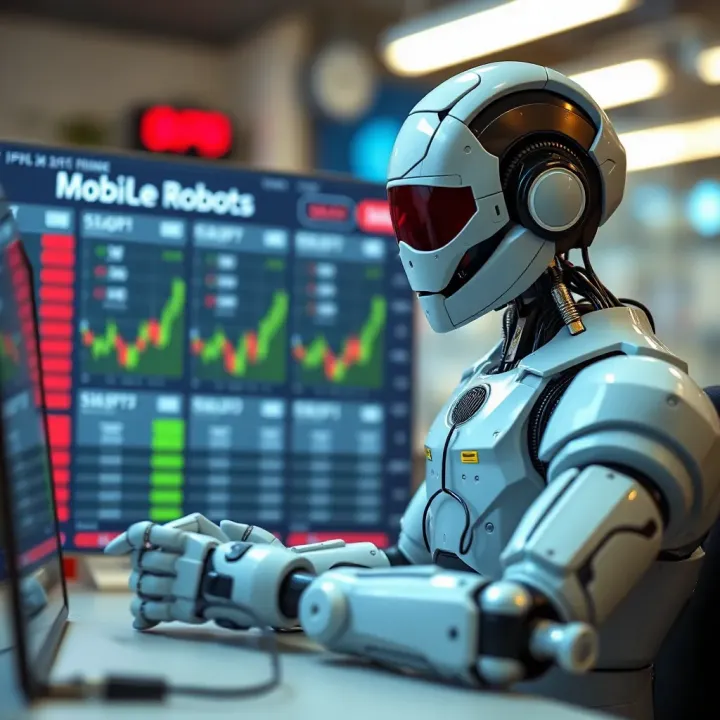
No technology is flawless. Even the best mobile trading apps or robots can experience glitches, crashes, or temporary disconnects. For traders, this could mean missed signals or failed trade execution, potentially costing money. For example, a sudden network outage during Eskom load shedding or data throttling issues might disrupt your robot’s operation.
Relying blindly on robots can backfire. Markets often behave unpredictably, especially with sudden political events or economic changes in South Africa. Robots use historical data and fixed algorithms, which might not adjust well to anomalies or black swan events. Experienced traders know when to step back and intervene manually rather than leaving everything to automation.
Mobile devices are vulnerable to hacking, malware, or loss. Trading robots require access to your accounts and funds, so security lapses could expose you to fraud. South African traders should safeguard devices with strong passwords, two-factor authentication, and avoid using public Wi-Fi for trading. Simple precautions can make a big difference in preventing unauthorised access.
Mobile trading robots bring speed and discipline but need careful monitoring and strong security to protect your trades.
Balancing these benefits and drawbacks will help South African traders use mobile robots more effectively rather than depending solely on automation or convenience.
When choosing a mobile trading robot, certain key features can make a significant difference in performance and user experience. South African traders, juggling loadshedding and varying data costs, need robots that are not just smart but adaptable, secure, and reliable. This section highlights those essentials to help you pick a robot that fits your trading style and local context.
Most mobile trading robots integrate with widely used platforms like MetaTrader 4 (MT4), MetaTrader 5 (MT5), and cTrader. These platforms are popular globally and in South Africa due to their straightforward user interfaces and broad broker support. For example, many MT4 robots allow you to automate trades on both forex and CFD markets through a simple app on your cellphone. This means you can monitor and manage trades even if you're stuck in traffic or away from your PC.
Integration with South African brokers is crucial. While global platforms offer broad access, you want a robot supported by local brokers recognised by the Financial Sector Conduct Authority (FSCA). Brokers like IG South Africa or ThinkMarkets provide this local access, ensuring compliance with FICA regulations and smoother rand-based transactions. Using a robot compatible with these brokers reduces delays and improves your trading experience, especially during volatile market moves.
Good mobile trading robots allow you to tweak strategies and parameters without needing coding skills. You might want to adjust stop-loss levels, take-profit points, or risk settings to match your risk appetite or market conditions. For instance, during increased volatility due to load shedding announcements or political events, adjusting your strategy quickly can protect your capital.
Real-time notifications are a lifesaver. Receiving alerts via your mobile for trade executions, margin calls, or significant market movements helps you stay in control. Some robots even send customised messages if trades deviate from expected patterns or if conditions require manual intervention. This way, you’re not caught blindsided even when trusting automation.
Data security on mobile trading robots can’t be overlooked, especially given risks of cybercrime and data breaches in South Africa. Encryption ensures that your login details, trading data, and personal information are scrambled during transmission over networks — essentially turning your data into an unreadable code for outsiders. This prevents hackers from intercepting sensitive info when you’re trading via unsecured public Wi-Fi or mobile data.
Two-factor authentication (2FA) adds an extra layer of defence against unauthorised access. Besides your password, you’ll need a one-time pin from a separate device or app to sign in. This reduces the chance of fraud, especially if your mobile device is lost or stolen. Many local brokers and mobile trading apps now make 2FA standard to protect your investments.
When selecting a mobile trading robot, prioritise compatibility, flexibility, and strong security to safeguard your trading and personal information — especially within the South African market’s unique challenges.
Understanding the regulatory framework is essential for South African traders using mobile trading robots. Clear rules and safeguards ensure these automated tools operate fairly and securely within the local financial system. Practically, being aware of regulations helps you avoid penalties, scams, and poor choices in selecting brokers or software. Knowing what to look out for also means you can trade with confidence, knowing you comply with national laws.
The Financial Sector Conduct Authority (FSCA) regulates financial services in South Africa, including firms offering automated trading solutions like mobile trading robots. Its main job is to protect investors by ensuring brokers and platforms meet strict licensing requirements before offering services.
For example, the FSCA sets rules ensuring that mobile robot providers operate transparently and maintain fair trading practices. This means South African traders should check if their chosen broker or robot provider is FSCA-licensed. Trading with an FSCA-regulated broker reduces the chance of falling foul of scams or untrustworthy platforms.
FICA requires financial institutions and related service providers to verify clients’ identities and monitor transactions to prevent money laundering and illegal activities. When using a mobile trading robot, this means you’ll usually have to submit identification documents during account setup.
This process might feel like a hassle, but it’s designed to keep South Africa's financial system safe. For traders, complying with FICA ensures your trading activities aren’t disrupted by sudden freezes or investigations. It's worth noting that some local brokers integrate FICA checks swiftly, making onboarding smoother.
Always confirm that your broker holds a valid licence from the FSCA. This is critical because only licensed brokers are legally allowed to offer trading and investment services in South Africa. You can usually find this information on the broker’s website or the FSCA’s official register.
Using a licensed broker means your funds are better protected and you have legal recourse if disputes arise. For instance, some FSCA-approved brokers offer investor compensation schemes, providing a safety net in rare cases of insolvency.
Unregulated software, including trading robots, carries significant risks. Such platforms may not follow industry security standards, exposing your data and funds to theft or mishandling.
Furthermore, unregulated mobile trading robots might make exaggerated claims about profits without real backing or proper oversight. They can malfunction or execute trades contrary to your strategy, leaving you vulnerable to losses.
Trading through unverified software or brokers can lead to losing more than just money; your personal information and peace of mind are at stake.
In summary, South African traders should prioritise FSCA-licensed brokers and trusted software providers when using mobile trading robots. This cautious approach ensures compliance with local laws, protects investments, and supports safer trading practices overall.
Starting with mobile trading robots in South Africa involves understanding practical steps to safely integrate automation into your trading routine. Given the volatility of local markets and the influence of global events, setting up and testing your robot carefully helps avoid costly mistakes. It’s especially useful for traders who want to combine the convenience of trading via mobile with robust risk management.
Demo accounts and paper trading allow you to familiarise yourself with how a mobile trading robot operates without risking real money. Most brokers, including local ones like IG South Africa and EasyEquities, offer demo accounts that replicate live market conditions. This means you can observe how your robot executes trades, handles swings, or reacts to sudden news, all while sitting in your stoep with your phone.
Paper trading also helps you test new strategies with zero financial risk—a must when fine-tuning a robot's approach to South Africa’s unique market patterns. For example, if your robot responds too aggressively to Eskom’s load-shedding announcements, paper trading lets you spot that before it harms your portfolio.
Backtesting strategies means running your robot’s trading rules against historical market data. This is a critical step for South African traders who want to verify if their approach would have performed well during past events such as currency fluctuations or commodity price shifts relevant to the JSE.
With backtesting, you get a clearer picture of your robot’s potential strengths and weaknesses. For instance, if your strategy relied heavily on trends that disappeared during the 2008 financial crisis or the recent pandemic, backtesting exposes those blind spots. It gives you confidence before real money enters the fray.
Regular performance reviews keep your mobile trading robot in check. Even the best algorithms can falter when market dynamics shift suddenly or prolonged structural changes occur—think of changes in SARB’s monetary policy or unexpected political developments.
Set regular intervals, perhaps weekly or monthly, to evaluate your robot’s trades, profitability, and risk levels. South African traders often face municipal interest rate shocks that can impact markets rapidly. Keeping an eye on performance ensures you can tweak or pause the robot before losses accumulate.
Balancing automation with manual oversight is key. While robots handle routine trades quickly, human judgement remains vital for exceptional scenarios. For example, during Eskom Stage 4 load-shedding or Zuma’s State Capture revelations, no algorithm perfectly grasps the full impact.
You might let the robot place trades during routine daylight hours but review flagship trades personally. This hybrid approach safeguards your portfolio, combining the speed of automation with human flexibility and insight.
Starting strong with mobile trading robots means not only setting them up well but also managing them like a seasoned gardener tends their garden—regularly pruning and adjusting for the season.
In sum, South African traders should embrace demo trading, backtesting and ongoing reviews to get the most from their mobile trading robots while navigating local market quirks confidently.
📊 Master trading in South Africa with our detailed guide covering key concepts, risk management, strategies, and local market insights for confident trading.
📈 Discover surge trading in South Africa! Learn key strategies, risks, and market tips to boost your trading success in dynamic markets.
📊 Master smart trading in South Africa with tips on skills, risk control, market insights, tech tools, and regulations to boost your profits and confidence.
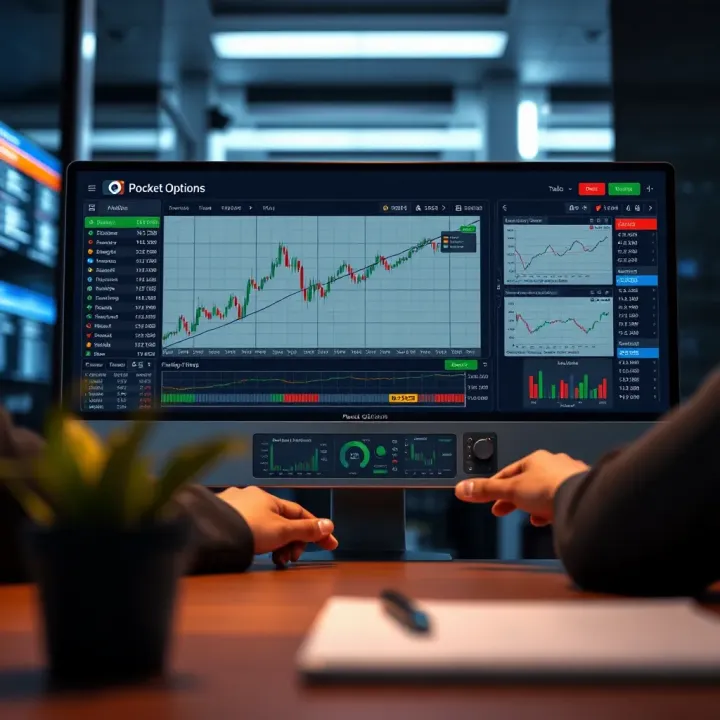
Explore Pocket Options for South African traders: account types, platform ease, trading tools, risks, and smart strategies to trade confidently 📊🇿🇦
Based on 9 reviews