

Pocket Option Broker Guide for South African Traders
📊 Explore Pocket Option broker tailored for South African traders. Discover features, account types, assets, risks, and support to trade smartly. 💼
Edited By
Thomas Whitaker
Pocket Option has gained attention among South African traders curious about online trading platforms. But before you commit your hard-earned money, it's wise to understand what you're dealing with. This article provides a clear-eyed look at Pocket Option’s legitimacy, safety, and trading features specifically from a South African perspective.
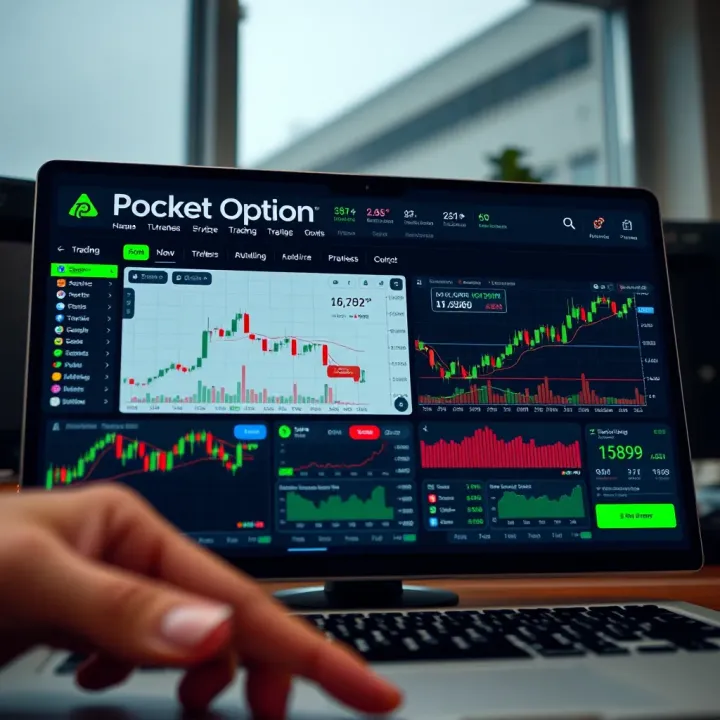
Legitimacy means more than just existing online; it’s about trustworthiness, legal standing, and how well a platform protects its users. In South Africa, many traders face challenges with platforms lacking proper regulatory backing or transparency. This makes verifying regulatory status and security measures vital.
Regulation: Pocket Option operates under the jurisdiction of offshore regulators, which often causes concern for South African users seeking the protection offered by entities like the Financial Sector Conduct Authority (FSCA).
Trading Features: It provides various trading options, including binary options and cryptocurrencies, with features such as a demo account, quick deposits, and social trading. However, these features must be weighed against risks.
User Experience: Feedback varies, with some users highlighting fast execution and others raising concerns about withdrawal delays and unclear terms.
Understanding these elements arms you with the insight to judge whether Pocket Option fits your trading goals and risk appetite.
Remember, no platform is perfect. Assessing the balance between opportunities and risks can help you make an informed choice rather than rushing into a trading platform simply because it’s popular.
In the sections that follow, we'll dissect each aspect of Pocket Option's offering, focusing on what matters most to South African traders.
Understanding Pocket Option’s position in the online trading scene is key for South African traders wondering if this platform suits their needs. Pocket Option offers a platform where users can trade binary options, CFDs (contracts for difference), and other assets like cryptocurrencies, stocks, and forex pairs. Its accessibility and relatively low entry barriers make it attractive for those starting or diversifying their trading portfolios.
Pocket Option provides a straightforward trading interface that supports both desktop and mobile use. Among its key features are an array of asset types, from popular forex pairs like USD/ZAR to well-known shares such as Sasol and Naspers. Users can place trades with minimum amounts starting from around R15, making it accessible to traders with modest capital.
Another notable offering is the social trading feature, which allows beginners to follow or copy trades from more experienced traders on the platform. This can be particularly helpful in the South African market, where access to quality trading mentorship is limited.
The platform also includes technical indicators and charting tools helpful for developing trading strategies. Importantly, Pocket Option often runs bonuses and competitions which may appeal to traders looking for additional incentives, although such offers demand a careful read of terms.
Globally, Pocket Option has gained popularity due to its user-friendly setup and fast trade execution. Among South African traders, its appeal lies in convenient payment options, including support for local methods like EFTs and wallet services that accept Rand deposits. This localised focus helps smooth the process of funding accounts without the usual forex exchange headaches or additional charges.
In South Africa, where access to some global platforms may be restricted or complicated by regulatory rules, Pocket Option provides a relatively accessible gateway into online trading. Many users appreciate the ability to test the platform through a free demo account before committing real money, which supports learning and confidence-building.
Pocket Option stands out for blending an easy-to-use trading environment with features that resonate well with South African traders, particularly on account of payment flexibility and trade accessibility.
While it is popular, traders must still weigh the platform’s regulatory standing and security measures, topics covered later in this article. That said, Pocket Option’s services reflect an effort to carve out a niche among the diverse and growing South African online trading community.
Understanding the regulatory compliance and legal standing of Pocket Option is essential for South African traders before committing their money. Regulation ensures that a platform operates transparently, protects client funds, and follows industry-standard practices, which in turn reduces the risk of fraud or malpractice. South Africans who trade on unregulated platforms may face difficulties in recovering lost funds or addressing disputes, as local financial authorities cannot intervene.

Pocket Option is registered under the jurisdiction of the Marshall Islands, which is not known for rigorous financial regulation. This platform claims to be regulated by the International Financial Market Relations Regulation Centre (IFMRRC), a self-regulatory organisation based outside mainstream global financial regulators. Unlike South Africa's Financial Sector Conduct Authority (FSCA), IFMRRC does not carry the same regulatory weight or enforcement capabilities.
The absence of authorisation from well-known financial regulators such as the FSCA or the UK's Financial Conduct Authority (FCA) is a point South African traders should take seriously. Licensing by the IFMRRC offers limited assurance, mainly focusing on dispute mediation rather than full regulatory oversight. Typically, platforms regulated by reputable bodies implement strict client fund segregation, regular audits, and operate with transparency.
Without registration or oversight by South African authorities like the FSCA, Pocket Option does not fall under South African consumer protection laws. This means traders have limited legal recourse if problems arise, such as unfair trading practices or withdrawal delays. Local authorities cannot compel the platform to adhere to South African standards, leaving users exposed.
Moreover, South African traders might face challenges related to currency controls and compliance with the Financial Intelligence Centre Act (FICA). Regulated brokers usually implement Know Your Customer (KYC) procedures aligned with South African law, which helps prevent fraud and money laundering. Where a platform operates without these checks under FSCA guidelines, it can raise red flags.
South African traders should prioritise platforms regulated by the FSCA or equivalent authorities to ensure better protection and accountability.
In short, while Pocket Option offers access to various trading instruments, the lack of local regulatory oversight demands careful consideration. If you decide to trade here, weigh the benefits against potential risks and consider using smaller amounts or demo accounts to test the platform’s reliability first.
Security practices and customer protection measures play a major role when deciding whether to trade on any online platform. For South African traders, who often face hurdles like fluctuating internet connectivity and concerns about financial safety, understanding these elements is key. Pocket Option’s approach to online security affects not just your account’s safety but also the integrity of your funds and personal data.
Pocket Option incorporates standard security protocols such as Secure Sockets Layer (SSL) encryption to safeguard data transmitted between your device and their servers. This means your login credentials and personal information are encrypted, making it difficult for hackers to intercept. However, traders should verify if two-factor authentication (2FA) is available and enabled. 2FA provides an important second layer of protection by requiring a one-time code upon logging in, which prevents unauthorised access even if your password is compromised.
Protecting your account starts with you too. Using strong passwords, regularly updating them, and avoiding the same password on multiple platforms minimise the risk of breaches. Pocket Option also claims to keep backups of user data and restricts internal access to authorised staff only, though South African traders should always stay alert for phishing attempts delivered by email or SMS.
When it comes to handling your money, Pocket Option offers several payment options including credit/debit cards, e-wallets like Skrill, and cryptocurrencies. Each transaction should be secured with encryption and comply with anti-money laundering (AML) regulations to minimise financial fraud risks.
One practical aspect many users look at is how quickly and transparently withdrawals are processed. Delays or unexplained holds on withdrawals are traditionally red flags. Pocket Option reportedly reviews withdrawal requests manually as an anti-fraud measure, which can lead to delays but also adds a layer of security. Traders in South Africa must be aware of potential foreign exchange fees or limitations when converting Rand for deposits or withdrawals, so planning ahead is wise.
Good practice for traders: always double-check the withdrawal policy and limits before committing funds, and keep records of all transaction confirmations.
In summary, while Pocket Option shows commitment to basic account security and protection protocols, South African traders need to actively manage their password safety, confirm available security features like 2FA, and understand deposit and withdrawal mechanics to safeguard their funds effectively.
For South African traders, how easy and accessible a platform is can make or break the trading experience. With rising internet data costs and intermittent connectivity in some areas, platforms must run smoothly without demanding heavy data or being overly complex. Traders want a setup that lets them focus on market moves rather than trying to work out the interface or deal with payment hassles.
Pocket Option offers a user-friendly interface that balances simplicity with the powerful tools traders need. The platform supports charting options with indicators such as Moving Averages and RSI, which are crucial for making informed decisions. A standout feature is the demo account that lets users practise without risking real money — perfect for those new to trading or testing strategies.
The platform's web and mobile versions are responsive and function well even on moderate-speed connections common in South Africa's urban and township areas. However, traders should know that some advanced features seen on other platforms, like custom algorithmic trading bots or extensive social trading functions, are limited or absent.
When it comes to moving money, Pocket Option supports various payment methods, including credit/debit cards, e-wallets such as Skrill and Neteller, and crypto deposits. For South African traders, the ability to deposit and withdraw in South African Rand (ZAR) is a significant plus, eliminating forex conversion fees and making budgeting straightforward.
Local options like using Visa or Mastercard linked to a South African bank (e.g., FNB or Absa) are also accepted, though transaction times can vary depending on the provider. The platform lacks direct support for popular South African instant EFT services like Ozow or Zapper, which are often preferred for their convenience, but integrated crypto payments provide an alternative that is growing in popularity.
Reliable customer support rounds off the user experience. Pocket Option offers 24/7 live chat and email support, which is handy given South Africa's time zone differences with many overseas platforms. The live chat function tends to respond promptly during trading hours, while emails may take a few hours — still reasonable for urgent trading queries.
Traders appreciate receiving clear, straightforward answers without the runaround. While support agents are generally helpful, language nuances occasionally surface, possibly due to international support teams. For complex issues, having detailed FAQs and tutorial videos on the platform aids independent troubleshooting.
Accessibility and ease-of-use aren’t just conveniences — they’re essential. South African traders must choose platforms that respect local payment preferences, data limits, and offer support that aligns with their schedules.
Understanding these practical elements helps traders decide if Pocket Option fits their trading style and local conditions, reducing surprises and building confidence.
When considering Pocket Option for trading, especially from a South African perspective, it’s vital to weigh both its advantages and drawbacks carefully. This balanced approach helps traders avoid rash decisions and understand if the platform fits their unique needs and risk tolerance.
Pocket Option offers several appealing features that make it attractive for many users. For starters, the platform supports a straightforward interface that’s beginner-friendly but still caters well to more experienced traders. The availability of diverse assets—from forex and cryptocurrencies to commodities—means South African traders can diversify without needing multiple platforms. Moreover, competitive spreads and a requirement for relatively low minimum deposits (often around R500-R1,000) provide accessible entry points without demanding large upfront capital.
Another practical benefit is the demo account feature that lets you practise without risking real money. This is especially useful for newcomers who want to get familiar with trading tactics before committing funds. Additionally, Pocket Option’s range of payment methods includes popular options like instant EFT and e-wallets frequently used by South Africans, making deposits and withdrawals smoother.
Still, there are red flags worth considering. Notably, Pocket Option operates under a licence from the International Financial Market Relations Regulation Centre (IFMRRC), which isn’t recognised by South African regulators such as the Financial Sector Conduct Authority (FSCA). This absence of local licence means South African traders do not have the protections that regulated brokers usually provide, which could complicate disputes or recourse if issues arise.
Some users have reported slower-than-expected withdrawal times and occasional account verifications delays, which can be frustrating if you need quick access to funds. Plus, the platform’s high leverage options, while tempting for quick gains, could also lead to rapid losses if not handled carefully.
When compared with other platforms popular among South African traders, such as Plus500, IG Markets, or local brokers regulated by FSCA, Pocket Option stands out for its simplicity and low minimum deposit but falls short on regulatory safeguards. For example, Plus500 and IG have FSCA licences and thus adhere to tighter rules around client fund protection and dispute resolution.
That said, Pocket Option’s asset variety and quick account setup often appeal to those who prioritise ease of access over stringent regulation. However, if you’re after strong consumer protections typical of South African-regulated brokers, you might lean towards these local alternatives despite their often higher minimum deposits.
In essence, knowing what you prioritise most in a trading platform—security, asset range, ease of use, or regulatory oversight—will guide your choice. As with any investment, balance the allure of potential gains with the risks involved and choose accordingly.
By carefully weighing these pros and cons, South African traders can make a more grounded decision about whether Pocket Option suits their trading style and risk appetite.
📊 Explore Pocket Option broker tailored for South African traders. Discover features, account types, assets, risks, and support to trade smartly. 💼

Explore Pocket Options for South African traders: account types, platform ease, trading tools, risks, and smart strategies to trade confidently 📊🇿🇦

📊 Master trading in South Africa with our detailed guide covering key concepts, risk management, strategies, and local market insights for confident trading.
Explore Pocket Option's features, fees, and security for South African traders 🇿🇦. Find out if it's the right platform for your online trading needs! 📊💼
Based on 10 reviews