

Understanding FX Robots: How They Work in Forex Trading
Explore how FX robots operate in Kenya’s forex market, their tech, key benefits, risks, and legal aspects to help you trade smarter 📉🤖🇰🇪
Edited By
James Harrington
Automated trading robots, often called trading bots, are computer programmes designed to carry out trades automatically based on set rules. For Kenyan investors, these systems offer a way to trade on markets without needing to be glued to their screens all day.
Unlike manual trading, where investors decide when to buy or sell, automated robots execute trades instantly whenever their programmed conditions are met. This can be especially useful in markets like the Nairobi Securities Exchange (NSE) where price movements sometimes happen quickly.
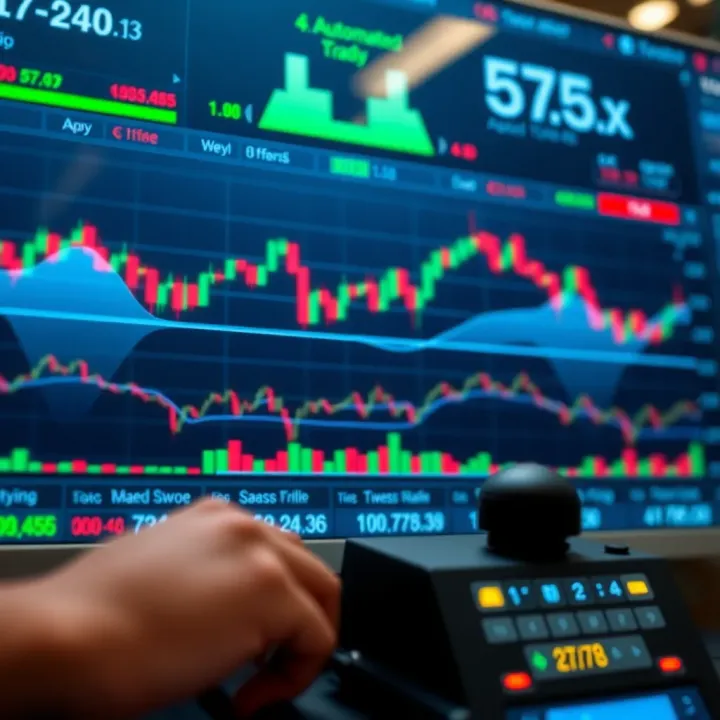
At their core, these robots use algorithms to analyse market data, such as past prices or volume, and then make decisions based on strategies you set in advance. For example, a robot might buy shares when their price crosses above a moving average or sell if certain technical indicators suggest a downturn.
Automated trading doesn't mean you just press a button and forget; you still need to monitor and adjust your strategies to ensure they fit the current market conditions.
Day trading NSE stocks: Investors who want to catch small price changes without monitoring the market all day can program robots to react immediately.
Forex trading: Automated bots work on currency pairs and can place orders 24/7, capturing opportunities while you’re asleep or busy.
Commodity markets: Whether trading tea or coffee futures, algorithms help spot best entry and exit points.
That said, choosing the right robot requires understanding its strategy, reliability, and compatibility with platforms that Kenyans use. Not all bots suit every market, and some require more technical skills to manage.
With the rise of mobile apps and cloud computing in Kenya, many platforms now support automated trading, making it easier even for individual traders to get started. However, a clear grasp of how these robots operate ensures you avoid costly mistakes or over-reliance on technology.
In this guide, we will break down how these trading robots function, the benefits and risks involved, and what Kenyan investors should consider before embracing this technology.
Automated trading robots are software programs designed to execute trades on financial markets without human intervention. In Kenya’s growing investment scene, understanding how these robots operate helps investors move beyond manual trading, allowing them to capitalise on market opportunities around the clock. These systems can monitor price movements and make split-second decisions based on pre-set rules, which is especially useful for those juggling other commitments or new to trading.
How trading robots work: At their core, trading robots analyse market data such as price trends, volume, and volatility. They follow algorithms—specific sets of instructions—that dictate when to buy or sell assets like equities on the Nairobi Securities Exchange (NSE) or forex pairs. For instance, a robot might be programmed to buy shares in Safaricom whenever its price drops below a certain level and sell when it rebounds. This automated approach removes emotions like fear or greed from the decision-making process and speeds up execution.
Common types of trading robots: There are several types of robots based on their trading strategies. Trend-following robots track the general direction of a market, placing trades that align with upward or downward trends. Arbitrage bots look for price differences between markets, exploiting those gaps for profit. Other robots, such as scalpers, engage in rapid, small-profit trades throughout the day. Knowing these types helps investors select a robot that matches their risk tolerance and trading goals.
Algorithms and trading strategies: The effectiveness of a trading robot depends heavily on the algorithms it uses. These algorithms encode specific rules derived from technical analysis, such as moving averages or support and resistance levels. For example, an algorithm could be written to trigger a trade when the 50-day moving average crosses above the 200-day moving average, signalling a potential bullish trend. Kenyan investors should ensure the trading strategies embedded in a robot have a proven track record or align with their market outlook.
Technology and software platforms: Trading robots typically run on specialised platforms that provide real-time market data and the interface to execute orders. Popular platforms compatible with trading robots include MetaTrader 4 and 5, widely used for forex and stock trading across Kenya. These platforms offer tools for customising robots and testing strategies through historical data simulations. Choosing a reliable platform is crucial because any software lag or connectivity issues can cause missed trades or unwanted losses.
Understanding the fundamentals of automated trading robots equips Kenyan investors to make better choices and harness technology effectively in their trading endeavours.
Key terms to remember:
Algorithm: Step-by-step instructions guiding the robot’s buy and sell decisions.
Trading strategy: The overall plan the robot follows, such as trend following or scalping.
Software platform: The environment where the robot operates and interfaces with the market.
With this foundation, investors can explore further how these robots perform in real trading conditions.
Understanding how automated trading robots work in the financial markets is key for Kenyan investors considering their use. These robots analyse market data and execute trade orders automatically, removing human delay and emotion. This efficient process allows for quicker responses to market movements, which can be crucial in the fast-moving environment of the Nairobi Securities Exchange (NSE) or international markets.
Market data analysis is the first essential step in automated trading systems. The robot continuously scans and interprets vast streams of data such as stock prices, volumes, and relevant indicators. For example, a robot might track price fluctuations of KCB Group shares or monitor currency pairs like USD/KES. By processing this information instantly, the system identifies trading opportunities based on the strategy programmed into its algorithms.
This real-time analysis lets the robot spot patterns or trends that may not be obvious to manual traders. In practice, this means automated robots can react quickly to Kenyan market news or unexpected events, such as a CBK monetary policy announcement, helping investors position themselves advantageously.
Order placement and execution follow once the robot decides to buy or sell. The robot connects directly to a broker’s trading platform to place orders instantly, without manual input. This automation eliminates execution delays common when traders act manually, reducing slippage—the difference between intended and actual trade price.
For Kenyan investors, fast execution is useful since NSE stocks can fluctuate sharply during busy trading hours. For instance, when Safaricom releases quarterly results, trading robots can swiftly open or close positions to capitalise on price movements, which manual traders might miss due to slower response times.
Popular trading platforms supporting robots include MetaTrader 4 (MT4) and MetaTrader 5 (MT5), widely used in Kenya. These platforms allow seamless connection of automated systems, offering tools for strategy deployment and monitoring. MT4 and MT5 support multiple asset classes, including NSE equities, forex, and commodities, useful for investors who want diverse portfolios.
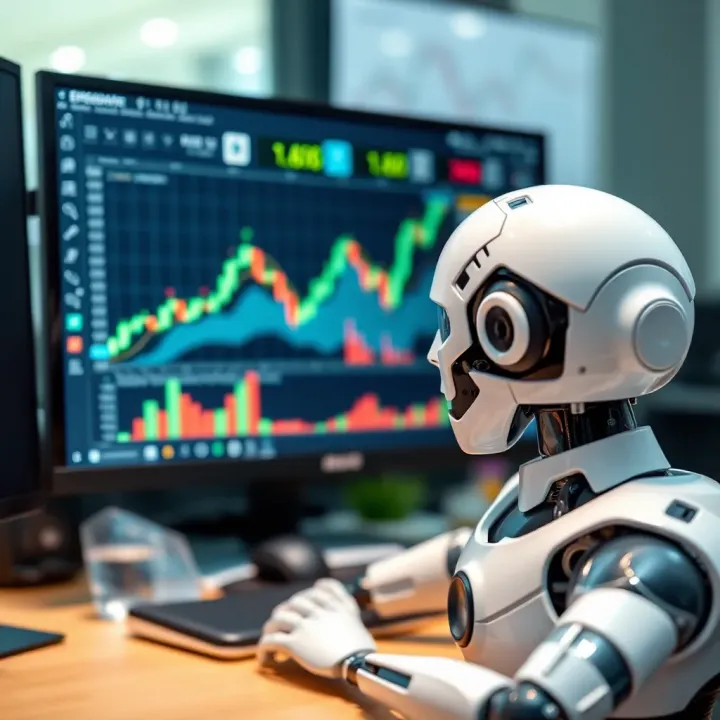
Moreover, platforms like NinjaTrader and cTrader also cater to advanced automated trading, with strong analytical features and reliable connectivity. These platforms are regularly updated to ensure compatibility with Kenyan brokers and market infrastructures.
Technical requirements for running trading robots typically involve a stable internet connection and a computer or server capable of operating the software continuously. Many traders in Kenya use Virtual Private Servers (VPS) located closer to broker servers to minimise latency, ensuring trades happen instantly and without interruptions.
Setting up a VPS is practical for investors who cannot keep their home computers running 24/7 due to power outages or internet issues common in some areas. Technical knowledge is needed to configure the robot correctly on these platforms, but many providers and brokers offer tutorials and customer support to assist with setup.
Successful automated trading depends not only on the robot’s algorithms but also on its smooth integration with trusted trading platforms and reliable technical infrastructure.
By grasping the operational details, Kenyan investors can better evaluate which automated trading systems fit their needs and local market conditions. This understanding helps avoid costly mistakes, making automated trading a more approachable option for savvy traders.
Automated trading robots present both opportunities and challenges that Kenyan investors should weigh carefully. They offer distinct advantages by simplifying trading processes and potentially improving efficiency. At the same time, it is wise to understand their limitations to avoid unexpected losses or reliance on faulty systems.
Emotions like fear and greed often skew decision-making in trading. Automated trading robots stick strictly to predefined strategies, steering clear of these emotional pitfalls. For example, a trader tempted to sell in panic during market dips will benefit from the robot’s discipline, which follows set rules rather than gut feelings.
This can help Kenyan investors avoid erratic trades that might occur after hearing unconfirmed market rumours or reacting to political events. By automating trades, robots maintain consistency that helps protect investments from impulsive decisions.
Trading robots operate at speeds that human traders cannot match. Once a trading signal is generated, robots instantly place orders, capitalising on brief market opportunities.
For instance, when the Nairobi Securities Exchange (NSE) experiences rapid price movements, a robot can execute trades in milliseconds to secure better prices. This quick reaction is especially valuable in volatile markets where delays can mean missing profitable trades or incurring losses.
Unlike humans, trading robots do not need breaks or sleep. They can trade around the clock, covering markets in different time zones or cryptocurrencies which operate 24/7.
This continuous operation suits Kenyan investors active in global markets or crypto trading. While NSE trading hours are fixed, other markets in Africa or offshore might be open when Nairobi is closed. Robots ensure no opportunity is missed due to time restrictions or human fatigue.
Automated systems depend heavily on reliable hardware, software, and internet connections. Any breakdown—whether a server crash or connectivity loss—can disrupt trading, causing missed orders or unintended trades.
In Kenya’s sometimes unstable internet environment, such glitches can be costly. Traders must prepare for occasional outages by having backup plans or alerts to pause trading if the system behaves erratically.
A robot only performs as well as its programmed strategy. If the strategy is flawed or unsuitable for current market conditions, the robot will deliver poor outcomes.
For example, a strategy optimised for stable markets may fail during volatile political seasons in Kenya or globally. Investors should continuously backtest and adjust their robot’s strategies to stay effective rather than relying blindly.
While robots aim to reduce risk, they do not eliminate it. Market movements can be unpredictable, and market shocks may lead to losses despite automation.
Consider the sharp changes during economic announcements or unexpected global events; even the best robots can’t foresee these shifts. Kenyan investors should use appropriate risk management tools like stop-loss orders and avoid investing money they cannot afford to lose.
Automated trading robots offer helpful tools but need active oversight and strategy refining to work well, especially in the dynamic Kenyan and global markets.
In all, understanding these advantages and risks will help investors make informed choices about incorporating robots into their trading practices. Proper awareness is key to maximising benefits while safeguarding against pitfalls.
Selecting the right automated trading robot makes a big difference for Kenyan investors aiming to trade efficiently in local and international markets. These robots vary widely in cost, features, and usability. Knowing what to prioritise helps you avoid wasting money on over-complicated systems or falling into traps with poorly built bots.
Cost is a key factor. While some trading robots require a one-time purchase fee, others operate on subscription models with monthly or annual payments. For Kenyan investors, affordability matters especially when starting out. A bot costing KSh 50,000 upfront might be a stretch, whereas a monthly fee of KSh 3,000 could better fit budgeting plans.
Additionally, some systems charge commission on profits or require fees for additional features. It’s practical to compare all costs against expected benefits and trading volume. For instance, a low-cost robot that executes fast trades but lacks advanced risk controls could end up costing more through losses.
Even the best trading robot is no help if it’s too complicated to use. Many Kenyan investors, especially those new to automated trading, need solutions that offer straightforward setup and clear dashboards. User-friendly interfaces save time and reduce errors.
Examples include robots with simple drag-and-drop strategy builders or mobile apps with easy monitoring. If a system demands coding knowledge or complex configurations, it may discourage consistent use. Accessibility matters greatly when you’re juggling multiple commitments and need reliable tools.
Before committing your hard-earned money, check what other users say. Reviews from Kenyan investors or established trading communities reveal valuable insights about a robot’s real-world performance and support.
Beware of overly positive testimonials without detail, and look for feedback about customer service, software bugs, and withdrawal processes. Well-known bots used on platforms like MetaTrader or NinjaTrader tend to have well-documented track records.
Automated trading robots must comply with Kenya’s financial regulations, which oversee trading activities to protect consumers. For example, the Capital Markets Authority (CMA) regulates brokerage activities and related services.
Choosing a robot associated with licensed brokers or platforms ensures legal trading. Avoid unregulated providers that promise guaranteed profits—these often skirt rules and pose serious risks.
When trading on the NSE, verify that the robot supports relevant order types and market conditions specific to this exchange. For instance, some robots may not handle NSE’s trading hours or settlement processes well.
It’s also wise to test the robot with NSE-listed securities through demo accounts before committing real funds. Integration with local brokers offering NSE access strengthens execution speed and compliance.
Properly choosing your trading robot means balancing costs, ease of use, and compliance. This tailored approach helps Kenyan investors trade confidently and maximise opportunities in both domestic and international markets.
Stepping into automated trading requires careful preparation. Understanding how to set up and test these systems, as well as managing their performance and risks, is essential for any Kenyan investor aiming to rely on trading robots. This section outlines practical first steps and ongoing actions that help safeguard your investments and fine-tune robot performance.
Demo accounts and trial periods offer a risk-free environment to test trading robots before committing real funds. Several Kenyan brokers and global platforms supporting the Nairobi Securities Exchange (NSE) provide demo accounts where investors can simulate trades using virtual money. This allows you to see how the robot reacts to market conditions without risking your capital. For example, you might run your robot on historical NSE 20 Share Index price data or simulate trades during the usual NSE trading hours to observe its behaviour.
Trial periods also let you familiarise yourself with the robot's user interface and settings. You can tweak parameters or strategies during this phase to better suit your risk appetite or specific market outlook. Such hands-on practice is crucial to avoid surprises when you switch to live trading.
Backtesting strategies is the process of running a trading robot against past market data to evaluate how it would have performed historically. This method helps you judge the effectiveness of your robot’s trading strategy. If your robot repeatedly shows profits on past NSE price trends or sectors like banking or telecommunications, you get some confidence it might perform well in similar future conditions.
However, backtesting results should be taken with caution since market dynamics can change. For Kenyan investors, this means using data relevant to NSE sessions and adjusting for economic events like election years or currency fluctuations that could affect market behaviour.
Regular reviews and adjustments are necessary after deploying your robot for live trading. Market conditions evolve, and a strategy that once worked might grow less effective. Kenyan markets can be affected by local factors such as political changes or external shocks like oil price swings. Regularly checking your robot’s performance against expected outcomes helps you identify if the settings need tuning or if the strategy needs complete overhaul.
Scheduling weekly or monthly checks, possibly linking reports to your mobile phone or computer, will keep you informed. Such discipline avoids blind reliance on the robot and guides timely intervention.
Using stop-loss and risk control measures limits potential losses if the market moves unfavourably. Most trading robots allow setting stop-loss orders that automatically close a trade after a certain loss threshold is hit. For instance, if your robot buys Safaricom shares, a stop-loss might trigger a sell if the price declines by 5% to avoid bigger losses.
Other risk controls include limiting the size of each trade or diversifying strategies across different sectors on the NSE. Kenyan investors might use such safeguards alongside mobile alerts to stay updated. These measures make automated trading safer and prevent a single market event from wiping out large chunks of your portfolio.
Starting with demo accounts and backtesting, then moving to live trading with vigilant performance reviews and risk controls, is the best way to build confidence and protect your investments with trading robots in Kenya.
Explore how FX robots operate in Kenya’s forex market, their tech, key benefits, risks, and legal aspects to help you trade smarter 📉🤖🇰🇪
📊 Explore how derivative trading works in Kenya’s markets, the types involved, regulation, risks, and practical investor tips to navigate this complex area wisely.
🤖 Discover how automated Forex trading robots work, their pros & cons, and tips to choose & use them wisely in South Africa’s Forex market.
Explore how IQ Option robots handle trades automatically ✅, the risks and rewards for South African traders 🇿🇦, plus tips for safer, smarter use on the platform.
Based on 7 reviews