
Understanding Derivative Trading in Kenya
📊 Explore how derivative trading works in Kenya’s markets, the types involved, regulation, risks, and practical investor tips to navigate this complex area wisely.
Edited By
Eleanor Sinclair
Crude oil prices directly shape the global economy and daily life in Kenya. For traders, investors, and analysts, understanding the drivers behind price shifts is key to navigating markets and managing risk.
The pricing of crude oil is influenced by several factors that often interact unpredictably. Supply and demand remain the core elements. For example, when OPEC (the Organisation of Petroleum Exporting Countries) decides to cut production, global supply tightens, often pushing prices up. Conversely, a surge in US shale production can flood the market, driving prices down.
Geopolitical tensions, such as conflicts in the Middle East or sanctions on oil-producing nations, also trigger price volatility. These events raise concerns about supply disruptions, spooking markets and investors.
Market speculation influences prices too. Traders buy and sell oil futures based on expected changes in supply or demand. This trading activity can amplify price swings, sometimes detaching prices from immediate physical supply conditions.
In Kenya, fluctuations in crude oil prices are felt keenly through fuel costs. Since the country depends largely on imported petroleum, shifts in international prices translate quickly into prices at the pumps and in transport costs. For instance, a KSh 10 rise per litre in petrol impacts matatu fares and transport costs across the board, affecting goods prices from Nairobi to Kisumu.
Businesses face direct and indirect costs when prices change. High oil prices raise expenses for manufacturing and logistics, forcing many companies to adjust budgets or pass costs to consumers. On the other hand, dips in crude prices can ease inflation pressures and improve consumer spending power.
Tracking crude oil prices offers critical clues about global economic health and local cost pressures. For investors and financial advisors, this knowledge supports smarter decisions on portfolios and risk management.
Key points to watch include:
OPEC production changes affecting global supply
Geopolitical developments in major oil-producing regions
Shifts in global demand, especially from large consumers like China
Speculative trading patterns in commodity markets
Understanding these factors helps stakeholders anticipate price trends, adjust strategies, and protect business margins in Kenya's evolving economic environment.
Crude oil prices are influenced by a combination of factors that reflect the health of the global economy, supply limitations, and market behaviour. Understanding how these prices are formed helps traders, investors, and financial advisors make informed decisions, especially in volatile markets. Kenyan businesses and consumers feel the ripple effects, from fuel prices to transportation costs, making the pricing mechanisms relevant for economic planning at the local level.
At the core, oil prices respond to the balance between supply and demand. When production surpasses demand, prices tend to fall, while limited supply amid strong demand pushes prices higher. For example, if a cold spell increases fuel consumption for heating in Europe, oil demand rises and prices may surge. Conversely, during global slowdowns, reduced industrial activity lowers demand, leading prices to dip. Seasonal trends also matter; refinery maintenance usually occurs in spring and autumn, affecting supply temporarily and nudging prices.
Global oil output directly impacts price stability. Key producers like Saudi Arabia and Russia control large shares of supply, so their production decisions signal market shifts. For example, if OPEC decides to cut output, the reduced supply can trigger price hikes. Besides production, storage levels reveal market confidence. High inventories in hubs like Cushing, Oklahoma, often indicate oversupply, which can push prices down. In contrast, low storage suggests tight supply, pressuring prices upwards. Storage costs, transport bottlenecks, and geopolitical issues affecting pipelines also play a part.
Beyond physical supply and demand, financial markets shape oil prices through speculation. Traders buy and sell oil futures contracts, betting on future price movements. For instance, if a trader expects unrest in the Middle East, they might buy contracts in anticipation of supply disruption, driving prices up even before any actual shortage occurs. Speculators provide liquidity but can also amplify price swings, especially when large funds enter or exit positions quickly. Understanding this speculative layer helps investors anticipate volatility but also requires close monitoring of market sentiment, economic indicators, and global news.
Oil price movements reflect a complex dance between physical realities and market psychology. Grasping these elements helps in navigating investments and understanding broader economic impacts.
To sum up, for anyone involved in oil-related trading or financial advising, keeping track of supply-demand changes, production shifts, storage trends, and market trading patterns is critical. These factors combined create the daily price fluctuations witnessed on global exchanges and eventually affect local economies like Kenya's.
Geopolitical events influence crude oil prices significantly because they directly affect supply stability and market confidence. For traders and investors, understanding these factors can guide better decision-making and risk management. In unstable regions where oil is produced, even minor political unrest may constrain supply, sending prices sharply higher. Conversely, periods of calm tend to stabilise or even reduce prices.
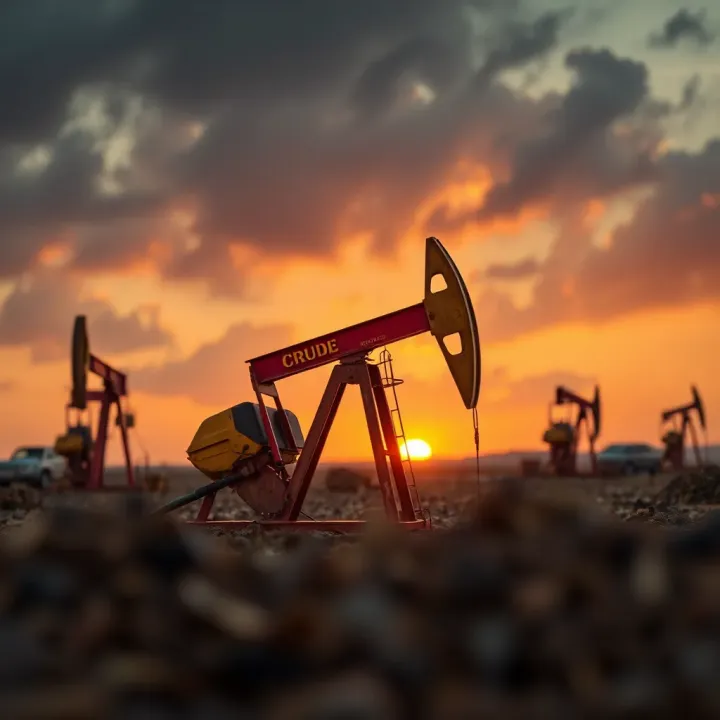
Conflicts and political unrest in key oil-producing areas often cause sudden disruptions in output. For example, the ongoing tensions in the Middle East—including parts of Iraq and Libya—have repeatedly reduced crude exports. These interruptions tighten global supplies and trigger price spikes. Traders monitoring these situations watch closely for signs of escalation or resolution to adjust positions accordingly.
Moreover, sanctions imposed on oil exporters due to political disagreements can limit the global oil supply. The sanctions on Iran and Venezuela over recent years serve as notable cases where restricted exports have led to higher oil prices. These shifts don’t just affect oil markets in producing countries but ripple across importers worldwide, Kenya included.
Political instability injects uncertainty into oil markets, often causing short-term price volatility that savvy investors can anticipate by following reliable news sources and geopolitical analyses.
The Organisation of the Petroleum Exporting Countries (OPEC) significantly shapes oil pricing through coordinated production policies. By agreeing to increase or cut output, OPEC members influence global supply levels, helping stabilise prices or responding to market shocks. For example, during the COVID-19 pandemic, OPEC and its allies (known as OPEC+) agreed on historic production cuts to support prices amid falling demand.
Beyond OPEC, institutions like the International Energy Agency (IEA) and major oil-producing non-OPEC countries, such as Russia, also impact oil markets through production adjustments or strategic reserves release. Their actions can either alleviate or worsen price pressures.
Understanding the roles and decisions of these organisations helps financial advisors and analysts anticipate market trends. Kenya's reliance on imported fuel means any OPEC-driven price shift quickly affects local petrol prices and inflation.
In summary, geopolitical tensions and the actions of oil-producing alliances remain among the top drivers of crude oil price changes. Tracking these developments closely is essential for market participants who want to manage risks and spot opportunities in a fluctuating global oil market.
The movement of crude oil prices over recent years offers valuable insights for traders, investors, and financial analysts. Tracking these trends reveals how global events, technological changes, and energy policies shape this vital commodity’s value. For those involved in Kenya’s dynamic economy, understanding these fluctuations helps anticipate impacts on inflation, fuel costs, and business operations.
Crude oil prices have seen notable swings from 2018 through 2023, driven by several key factors. For instance, the COVID-19 pandemic in 2020 led to an unprecedented drop — prices briefly dipped below zero USD per barrel due to plummeting demand amid global lockdowns and excess supply. This sudden collapse affected Kenya’s fuel market, forcing temporary price adjustments at petrol stations.
Another example came in 2022 when geopolitical tensions, particularly the Russia-Ukraine conflict, pushed oil prices sharply upwards, nearing $120 per barrel. Supply chain disruptions and sanctions on Russian oil tightened global supply, driving costs higher across energy-dependent sectors. These shocks illustrate how political unrest and unexpected crises create volatility in oil prices.
Price swings are also shaped by OPEC (Organisation of the Petroleum Exporting Countries) decisions on production quotas. When OPEC cuts supply, prices tend to rise; conversely, quota increases often ease prices. Traders monitor OPEC meetings closely to adjust positions accordingly.
Technological innovation is steadily influencing crude oil demand and prices. The rise of hydraulic fracturing and horizontal drilling unlocked vast shale oil reserves, particularly in the United States, increasing global supply and putting downward pressure on prices during certain periods.
Meanwhile, Kenya’s growing investment in geothermal, wind, and solar energy reduces reliance on imported oil. As cleaner energy sources gain traction, demand for crude may soften long term. This trend highlights an important consideration for investors: energy diversification increasingly shapes market dynamics.
Advances in energy storage and electric vehicles (EVs) also play a role. For example, as EV adoption grows, especially in urban Kenyan areas like Nairobi and Mombasa, fuel consumption patterns could shift, impacting future crude demand.
Understanding these price trends and their drivers equips financial players to make informed decisions in both global and local markets. Kenya’s unique blend of energy development, economic growth, and exposure to international supply factors calls for a keen eye on crude price behaviour.
Some key points to track:
Global crises and political unrest can cause sudden price swings.
OPEC’s supply policies remain central in price setting.
Technological progress influences both supply increases and demand shifts.
Kenya’s embrace of alternative energies signals a gradual market transformation.
By following these evolving forces, traders and analysts can better gauge risks and opportunities tied to crude oil prices today and in the years ahead.
Fluctuations in crude oil prices have a direct impact on Kenya's economy, influencing everyday life and business operations. Since Kenya imports most of its petroleum products, changes in global crude oil costs ripple through local fuel prices, affecting transport, inflation, and government budgets. Understanding these effects is key for traders, investors, and policymakers who track economic stability and growth prospects.
Fuel costs in Kenya closely follow international crude oil trends, as refineries and distributors adjust prices based on global rates. When crude oil prices rise sharply, the cost of petrol, diesel, and kerosene at the pump also increases. This pushes up transportation and production costs, feeding into the prices of goods across the board. For instance, a KS0 increase per litre in petrol can add several shillings per kilo to transport charges of fresh produce from rural shambas to Nairobi markets. Over time, this leads to measurable inflation, especially as buyers face higher prices for essentials like food and manufactured goods.
Kenya's matatu and trucking industries are particularly sensitive to fuel price shifts. Operators often pass higher fuel costs to passengers and cargo owners, squeezing disposable incomes and increasing the cost of doing business. Manufacturers relying on fuel-powered machinery or logistics services see their margins tighten during spikes in crude prices. Conversely, when oil prices dip, businesses gain some relief, but unpredictable swings complicate financial planning. Transport-heavy sectors, such as agriculture and construction, bear the brunt of these fluctuations, which may delay projects or reduce output.
The Kenyan government plays a significant role in moderating oil price impacts through taxes, levies, and subsidies. The Energy and Petroleum Regulatory Authority (EPRA) regularly reviews fuel price formulas that incorporate current import costs, taxes, and distribution expenses. Sometimes, the government adjusts excise duty or VAT on petroleum products to stabilise prices. For example, during periods of excessive global price volatility, temporary tax reliefs have been introduced to shield consumers. Additionally, Kenya's push towards alternative energy sources and locally refining capacity seeks to reduce dependence on imported crude and improve price resilience.
Fuel price changes do not just hit pockets at the pump; they shape the rhythm of businesses, transport, and inflation across the country.
Understanding these outcomes helps traders, investors, and analysts anticipate market movements and make informed decisions related to Kenya’s diverse economy.
Looking ahead, understanding future trends in crude oil prices is vital for traders, investors, and analysts. Shifts in the global economy and national energy strategies will shape demand and supply, impacting prices and financial decisions. Kenya, as an emerging economy, must also adapt its energy approach to navigate these changes.
Economic growth or slowdown worldwide plays a direct role in oil demand. For instance, when China or India increases industrial production, oil consumption rises, pushing prices upward. Conversely, global recessions, like the one experienced during the COVID-19 pandemic, cause sharp drops in demand, leading to price dips.
The transition towards greener economies influences future demand too. Countries adopting stricter emissions targets reduce fossil fuel reliance. This could slow demand growth or even shrink it in some regions. However, this shift won't happen overnight. Many developing economies still depend on oil for transport and manufacturing.
The rise of electric vehicles (EVs) and alternative fuels threatens to cut oil use in the transport sector. Yet, in Africa, including Kenya, EV adoption remains limited due to high costs and lack of infrastructure. So, short to medium-term global oil demand might not drop drastically.
Traders and investors should closely watch economic indicators from key players—the US, China, the EU—and international climate policies to anticipate shifts in oil prices.
Kenya has recognised the need to diversify its energy sources, aiming to reduce reliance on imported petroleum products. The country is investing in renewable energy like geothermal plants in the Rift Valley, wind farms in Turkana, and solar projects across many counties.
This diversification affects crude oil demand locally. As renewables supply more electricity, industries may depend less on oil-based energy, moderating demand and cushioning the economy from oil price shocks.
Additionally, Kenya has started exploring its own oil reserves in the Lokichar Basin. If production scales up, Kenya could become an oil exporter, impacting local prices and trade balances.
However, infrastructure and processing facilities must improve to support this growth. Also, policy clarity is essential to attract investment and manage environmental risks responsibly.
Kenya's approach balances economic growth and environmental sustainability, shaping future oil price dynamics in the region.
Investors focusing on the Kenyan market should assess how national energy projects and policies might shift demand patterns and influence the country’s oil price exposure.
In sum, future crude oil prices depend on a complex mix of global economic changes and Kenya's energy decisions. Staying informed about these is key for making smart trade and investment choices.
📊 Explore how derivative trading works in Kenya’s markets, the types involved, regulation, risks, and practical investor tips to navigate this complex area wisely.

Explore how scope markets boost innovation and collaboration across South Africa's industries, with practical tips and real-world examples 🌍💼🔍
Learn how forex trading swaps work, their impact on overnight positions, interest rate effects, and strategies to manage swap costs in South Africa 🇿🇦💱📈

Explore how FX robots operate in Kenya’s forex market, their tech, key benefits, risks, and legal aspects to help you trade smarter 📉🤖🇰🇪
Based on 7 reviews