

Trading Guide for South African Traders
📊 Master trading in South Africa with our detailed guide covering key concepts, risk management, strategies, and local market insights for confident trading.
Edited By
Isabella Foster
If you're keen to learn trading without risking your hard-earned R, demo trading apps offer a practical and risk-free way to get started. These platforms simulate real stock or forex trading using virtual money, allowing you to practise strategies and understand market movements in a safe environment.
South African traders find these apps handy for many reasons. For starters, the local market can be quite volatile with factors like loadshedding influencing investor sentiment unexpectedly. Demo trading helps you get a feel for how these external events might impact your trades before you put real cash on the line.

Beyond just practice, demo apps come with tools and data that mimic live trading conditions. This means you can watch charts, place orders, and respond to price changes just like you would on a live platform. For example, if you want to test how to trade JSE shares or local ETFs, you can do so without worrying about losses.
Demo trading apps are like the training ground before the big match. They build confidence and sharpen your skills without the financial pressure.
Keep in mind, though, that demo environments sometimes lack the emotional pressure and slippages that real markets involve. So, while these apps prepare you technically, it’s wise to start small when moving to live trading.
In this guide, we break down what to look for in a demo trading app suitable for South African traders, such as:
Accurate market data for both local and international assets
User-friendly interfaces that suit beginners and experienced users
Educational resources linked to the platform
Compatibility with popular devices like smartphones and tablets
Parsing through options from platforms like EasyEquities, Plus500, or IG Markets, which offer South African Rand accounts, will give you a good start for demo trading. You’ll want an app that balances realism with ease of use so you can focus on honing your skills.
Now, let's explore how you can pick the right demo trading app, spot common mistakes, and use the platforms effectively to grow as a confident trader in Mzansi’s unique market environment.
Demo trading apps offer a simulated environment for traders to buy and sell assets without risking real money. These apps mimic actual market conditions, providing a safe space for users to practise trading strategies and familiarise themselves with platform tools. For South African traders, this means they can learn the ropes and test ideas before committing R to live markets, which is especially valuable given local market nuances like JSE trading hours and forex spreads.
Simulating real market conditions means demo apps replicate price movements, order books, and market volatility as closely as possible. For instance, a demo account on a forex platform will show currency pairs fluctuating in real-time, so you get a feel of how markets react to economic events, just like in live trading. This realism helps bridge the gap between theory and actual trading experience.
No real money involved is perhaps the key appeal of demo trading platforms. You make trades using virtual money, so there is zero financial risk. This lets new traders explore without fear of losing hard-earned cash. Even seasoned traders can use demos to trial complex strategies without risking their capital, serving as a testing ground for fresh approaches.
Access to virtual funds typically comes in the form of a preset balance—often R100,000 or more in fake money. South Africans can adjust this or top-up as needed, allowing for testing different trade sizes and risk levels. Having virtual capital to play with means you can practice managing portfolios and reacting to losses or gains, sharpening your discipline for the real market.
Practice trading strategies on demo apps lets you refine entry and exit points, test stop-loss limits, and evaluate potential returns. For example, a trader might try out a new swing trading tactic on a demo before applying it live, reducing costly trial-and-error with actual funds.
Build confidence and discipline is another major benefit. Demo trading helps solidify habits like sticking to a trading plan or avoiding impulsive decisions. Without the pressure of real money, you learn to manage emotions—fear, greed, impatience—which often lead to mistakes in live markets.
Test platform features and tools to see what suits your style. South African traders might find certain apps provide better charting, research feeds, or integration with local brokers. Exploring layouts, alerts, and order types on a demo account helps avoid surprises when switching to live trading with real cash.
Demo trading apps give you a risk-free playground to hone skills, understand market mechanics, and build trading confidence—all essential steps before taking the plunge with live capital.
This section of the guide highlights the practical value of demo trading apps, pointing out why they are indispensable for both rookies and veteran traders in South Africa. Practical use of these platforms can make a big difference in how successfully a trader navigates the real markets.
Choosing the right demo trading app means balancing usability, market access, and analytical tools. These elements directly affect how well you can simulate real trading and build your skills without risking actual cash. Picking a clunky app can frustrate your learning, while one that lacks the markets you're interested in won't give you practical exposure. Below, we break down some critical features to help South African traders make an informed choice.

Navigation and design are the front door to your trading experience. A clean, intuitive layout means you won’t waste time hunting for key functions like order types or charts. For instance, a well-designed app will place important tools within easy reach and incorporate logical menus. Think of it as having a neat stoep where everything you need is close-by rather than a cluttered flat with items scattered everywhere. Poor navigation can leave traders fumbling, losing valuable opportunities during fast market moves.
Customisable settings let you tailor the platform to suit your style and preferences. This might include adjusting chart colours, saving favourite instruments, or setting alert notifications for price changes. For example, if you prefer to trade forex but keep an eye on JSE-listed shares, you should be able to switch between these easily and set your watchlists accordingly. Custom settings help make the app feel less like generic software and more like your trading partner.
Diversity in stocks, forex, and commodities gives you the chance to practice across different asset classes. Some apps might focus heavily on international forex pairs or US stocks, which can be useful, but may not fully prepare you for local realities. Including commodities like gold and platinum also reflects South Africa’s economic landscape and trade interests.
Access to the South African market is particularly relevant for local traders. Demo apps that provide JSE trading simulate what you'll face with actual local brokerages, including fees, currency considerations, and liquidity conditions. Plus, exposure to local companies—say Sasol, Naspers, or Anglo American—means your learning is tailored to familiar economic drivers.
Practising with South African instruments helps align your strategies with local market behaviour and conditions, such as response to mining news or rand fluctuations.
Chart types and indicators form the backbone of technical analysis. A good demo app should offer various chart styles—candlestick, line, and bar charts—alongside indicators like moving averages, RSI (relative strength index), and MACD (moving average convergence divergence). These tools help you spot trends and potential turning points, essential for timing trades effectively.
Integrated news feeds and economic calendars give you a real-time feel for factors influencing markets globally and locally. For instance, knowing when the South African Reserve Bank (SARB) announces interest rate decisions or keeping tabs on US employment reports can shape your trading outlook. Having this info inside your app means you’re not switching between multiple sources, saving time and staying focused.
Together, these features turn a simple demo platform into a comprehensive training ground for serious traders looking to gain an edge before moving onto live trading.
Starting out with a demo trading app can seem daunting, but breaking it down into clear, manageable steps makes the process much smoother. This guide covers how to create an account, place trades, and track your progress, giving you confidence to eventually trade live without risking real R. For South African traders, these steps help familiarise you with platforms that may offer access to the Johannesburg Stock Exchange (JSE) and international markets.
Registration process: Signing up for a demo account typically involves submitting your email, choosing a password, and sometimes confirming your identity to comply with regulations like the Financial Intelligence Centre Act (FICA). Most apps keep it straightforward, allowing you to get started within minutes. For instance, platforms like EasyEquities or ThinkMarkets offer quick registrations without complicated paperwork, making them good choices for beginners.
Initial virtual capital setup: After registering, you'll usually be given a virtual balance—for example, R100,000—to start trading. Some apps allow you to adjust this amount to match the scale you intend to trade. Setting this initial capital realistically helps simulate real trading conditions and manages expectations. If you plan to trade small caps on the JSE or forex with modest amounts, commending with similar virtual capital helps build a practical trading mindset.
Order types explained: Getting the hang of order types is vital. The most common are market orders, where trades execute immediately at the current price, and limit orders, which allow you to set a preferred price and execution occurs only if the market reaches it. Stop orders help manage risk by automatically selling or buying when prices hit certain levels. Using demo funds to trial these helps understand the mechanics without pressure.
Managing open positions: Once you place trades, it’s essential to monitor them actively. Managing open positions includes deciding when to close a trade, adjusting stop losses, or adding to positions. Demo platforms usually offer real-time tracking and alerts, allowing you to respond to market moves. For example, if you bought shares in Sasol anticipating a price jump, watching the position and setting stop-losses protects against sharp declines.
Using reports: Demo apps provide reports detailing your trading history, profit and loss, and portfolio performance. These reports highlight which strategies worked and where mistakes were made. Regularly reviewing this data shines a light on patterns, helping you understand your strengths and weaknesses without financial consequences.
Refining strategies: Armed with your reports, tweak your trading approach. Perhaps you notice day trades perform better than swing trades, or certain sectors on the JSE suit your style more. Adjusting your risk levels, entry points, or diversifying your virtual portfolio enables steady development. Remember, the goal is to make decisions based on data rather than guesswork before moving to real money trading.
Starting small and building experience with demo trading apps is a smart move before risking actual capital. By following these practical steps, South African traders can develop solid foundations and improve their chances of success in the live markets.
Demo trading apps provide a risk-free environment to practise, but they come with limitations that can mislead traders if unheeded. Many new and even experienced users fall into the trap of overestimating their readiness based on demo results. Getting a grip on these limitations helps South African traders set realistic expectations and prepare better for real-market challenges.
One of the stark differences between demo and real trading is the emotional experience. When you trade with virtual cash, the fear of losing real money simply doesn’t exist, which changes your decision-making. For instance, you might hold onto losing positions longer in real trading due to the stress or panic you feel—something the demo environment can't replicate. This emotional impact directly influences risk management strategies; traders accustomed to demo apps often find it harder to set stop losses or exit trades early when real money is involved.
Demo accounts usually execute trades instantly at the quoted price, but the real market operates with variable execution speeds and potential slippage—where your order fills at a worse price than requested. In busy South African markets or volatile stocks on the JSE, slippage can affect profitability and trade outcomes significantly. A demo app may fail to mimic this delay or price variation, giving a false sense of flawless trade execution.
It’s easy to feel confident after a streak of wins in a demo environment, but this can be misleading. Since virtual funds don’t impose financial stress, your trading habits may be more aggressive or riskier than what you’d use with your actual money. Recognising these limits is crucial. For example, if you’ve watched your demo account climb steadily, don’t assume this success will translate immediately to live trading. The psychological factors, fees, and slippage will differ.
Moving from demo to live trading needs a cautious approach. Start small with real capital, maybe R500 or less, to test your strategies under real conditions. This gradual transition helps you adapt to emotional pressures and market mechanics you haven't experienced in the demo app. Keeping a trading journal during this phase can shed light on the behavioural differences you encounter and guide you on what to adjust.
Demo apps are valuable training tools, but treating them as exact replicas of real trading can lead to costly mistakes. Awareness of their limitations and a careful step into live markets makes all the difference for South African traders.
Understanding these aspects more clearly puts traders in a better position to avoid common pitfalls and build the skills needed for successful trading.
Finding the right demo trading app can dramatically improve your readiness for the live markets. For South African traders, choosing platforms that offer local market exposure and understand regional trading nuances is a big advantage. This section outlines the most popular demo trading apps that help you practice without risking real R, while providing useful features tailored to Mzansi’s unique trading environment.
Access to the Johannesburg Stock Exchange (JSE) is a key factor for many South African traders when selecting demo apps. Platforms offering JSE trading allow you to simulate transactions on local shares like Sasol, Naspers, or Shoprite. This helps you understand how South African equities behave under different market conditions, including how they react to local news, currency fluctuations, or economic data releases.
Trading JSE-listed shares through a demo app is especially practical when considering the rand (ZAR) exchange rates, transaction costs, and tax implications specific to our market. This local focus makes your practice sessions more relevant and helps build confidence to navigate the actual exchange.
On top of JSE access, many demo trading apps designed for South Africans feature tools that cater to local needs. Currency pairings including ZAR crosses, easy integration of South African news feeds, and analysis tools calibrated for the domestic economy cut back the guesswork. For example, apps might include market updates tied to Eskom announcements or SARS tax deadlines, which impact market sentiment.
These features allow you to fine-tune strategies with real-life context, like preparing for loadshedding-related volatility or mining sector swings. Plus, customer support often understands South African trading specifics, making it easier to get assistance or training in local languages or plain terms.
Besides local platforms, South African traders also turn to globally recognised broker demo apps like MetaTrader 4 or 5, IG, or Plus500. These brokers offer extensive demo accounts with wide coverage of asset classes and robust trading tools. Choosing broker recommendations among these providers is useful because they often maintain strong regulatory standards, ensuring safety and transparency.
These international apps usually extend well beyond the JSE, with access to instruments such as forex pairs, commodities like gold and platinum relevant to South Africa, and global indices. They frequently provide unlimited demo account time with refreshed virtual funds, allowing you to test different strategies at your own pace and depth.
When evaluating supported instruments and demo features, look for:
Multi-asset access to diversify beyond local shares
Advanced charting software with technical indicators
Simulated news and economic calendars impacting international markets
User-friendly interfaces with mobile and desktop compatibility
Such features help you practice real-time decision-making across markets, which suits traders wanting a broader portfolio or exposure to currency volatility between the rand and dollar, euro, or pound.
Choosing the right demo trading app, whether local or international, depends on aligning the platform's features to your trading goals and the South African context. Practising on relevant instruments sharpens skills and reduces surprises when you move to live trading.
By combining platforms with JSE access and international reach, South African traders gain a comprehensive demo experience that prepares them well for the realities of live markets and local challenges.
📊 Master trading in South Africa with our detailed guide covering key concepts, risk management, strategies, and local market insights for confident trading.

📊 Master smart trading in South Africa with tips on skills, risk control, market insights, tech tools, and regulations to boost your profits and confidence.

📈 Discover surge trading in South Africa! Learn key strategies, risks, and market tips to boost your trading success in dynamic markets.
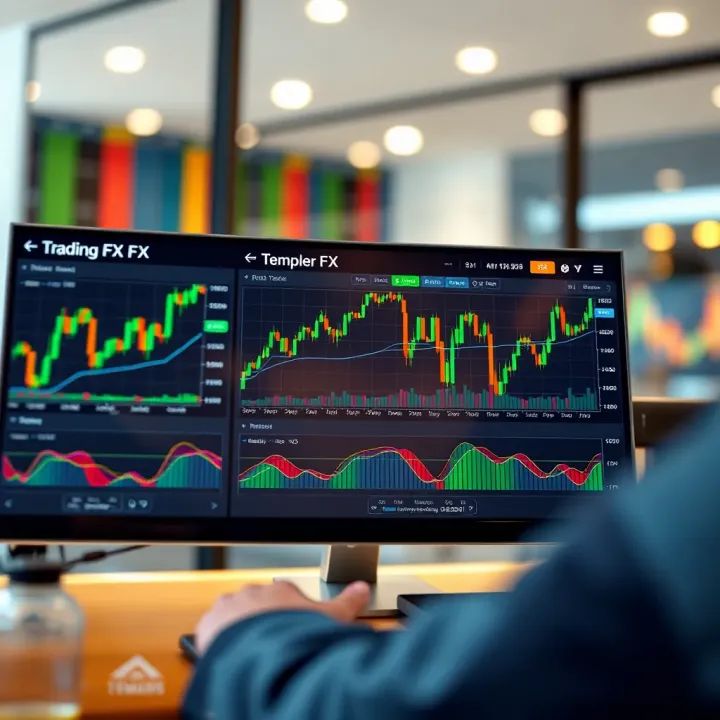
Explore Templer FX's features, platforms & safety for South African traders 🇿🇦. Get insights on accounts & support to see if it fits your trading needs.
Based on 11 reviews