

Understanding Pip Calculators in Forex Trading
📊 Discover how pip calculators work in forex trading, learn why they're vital for managing risk, and get tips to use them confidently in your strategies.
Edited By
Charlotte Hughes
Forex trading bots are software programs designed to automate transactions in the foreign exchange market, commonly known as forex. They operate by following preset algorithms that analyse currency price movements and execute trades without human intervention. These bots aim to capture opportunities across volatile forex markets more swiftly than manual trading.
Automation in forex isn't new, but bots have gained traction because they bring a mix of speed, consistency, and the ability to execute complex strategies 24/7. Importantly, they reduce emotional responses that can cloud trading decisions, such as fear or greed, which often lead to costly mistakes.

It's worth remembering that while bots can streamline trading, they do not guarantee profits; risks remain, especially in unpredictable market conditions.
Bots vary widely in sophistication. Basic bots might use simple rules like moving averages to trigger trades. More advanced models incorporate machine learning and big data to predict price shifts. For instance, a bot might spot a pattern in the EUR/ZAR pair that precedes a price jump and trade accordingly.
South African traders find bots particularly relevant given local forex brokers' increasing support for automated trading platforms like MetaTrader 4 and 5. These bots allow traders to take advantage of market movements during hours when they might otherwise be offline.
Apart from speed, bots offer these advantages:
Clear execution of a trading strategy, minimising missed opportunities.
Backtesting capability to simulate performance with past data.
Ability to handle multiple currency pairs simultaneously.
Still, bots are no magic bullet. They rely on historical data and programmed logic, which can falter in unforeseen events such as sudden geopolitical shifts or unexpected policy announcements from the South African Reserve Bank (SARB). Regular monitoring and updates are vital.
This article will detail the inner workings of these bots, weigh their benefits and pitfalls, and provide guidance specific to South African forex traders aiming to integrate automation responsibly in their portfolios.
Understanding how forex trading bots operate is key to appreciating their value and limitations, especially in the fast-moving currency market. These bots follow pre-set rules to execute trades automatically, which means they can react quicker than a human might, locking in opportunities or cutting losses swiftly. That matters a lot for traders juggling volatile markets or managing multiple currency pairs.
Algorithm-driven trade execution plays the central role here. Essentially, a bot uses a coded set of instructions—an algorithm—that tells it when to buy or sell based on market conditions. For example, a bot might be programmed to buy the USD/ZAR pair only when it spots a breakout above a certain price level and sell when the profit target is reached. This automated approach removes the delay and human hesitation which often costs money in forex trading.
Alongside trade timing, technical indicators and data analysis guide these algorithms. Bots typically rely on tools like moving averages, Relative Strength Index (RSI), or Bollinger Bands to assess price trends and momentum. Imagine a bot that buys when the 50-day moving average crosses above the 200-day moving average—a common trend-following signal—and sells on the reverse. This data-driven approach helps make objective decisions grounded in historical price patterns.
Trend-following bots are designed to ride market momentum. They look for clear trends and open trades in the direction of the trend, holding on until signs of reversal appear. For instance, during a prolonged USD/ZAR uptrend, these bots aim to capture gains as the rand weakens against the dollar. Traders in South Africa find this useful during major economic announcements or when global risk sentiment shifts.
On the other hand, mean reversion bots bet on price corrections. They assume prices will revert to an average after deviating significantly. Suppose the EUR/USD spikes unusually high within a short period; a mean reversion bot might sell expecting it to dip back closer to the mean price. This strategy suits more stable currency pairs but needs careful parameter settings to avoid losses in strong trends.
Arbitrage bots seek price differences for the same currency pair across various platforms or brokers. By quickly buying cheaper on one platform and selling higher on another, these bots try to profit from inefficiencies. While the margins are often small, frequent trades add up. In the South African context, arbitrage can be challenging due to market spreads and liquidity differences but remains an interesting approach if you have access to multiple broker accounts.
Automated bots reduce the legwork in forex trading but understanding their operation and strategy type is vital before putting your money on the line.
With these basics, you get a clearer picture of how forex bots operate, helping you choose or customise options that fit your trading style and risk appetite.
Using forex trading bots offers a unique mix of advantages and challenges for traders, especially within South Africa's trading environment. These automated tools aim to streamline the trading process by removing certain human elements and increasing efficiency. However, understanding their limitations helps equip traders with a realistic perspective to avoid pitfalls.
Trading bots operate solely on algorithms, which means they don’t fall prey to fear, greed, or impatience—emotions that often cloud thinking in volatile forex markets. For example, a trader in Johannesburg might normally hesitate to close a losing position, hoping for a turnaround, but a bot will execute the pre-set exit criteria without hesitation. This objectivity can prevent costly mistakes and promote consistent application of a trading strategy.
Furthermore, in stressful trading situations, particularly when dealing with high volatility pairs like USD/ZAR, bots stick to their rules and avoid panic decisions that human traders may make. This can especially benefit new traders who are still learning not to let emotions drive their trades.
Forex markets operate 24 hours a day, across multiple time zones. Bots can keep trading even when South African traders are off-duty or asleep. For instance, while a trader rests during South Africa's night, the bot can respond instantly to market moves in Asian or European sessions without delay.
This continuous operation is crucial given that economic releases or unexpected events often happen outside local trading hours. Bots can capture opportunities that would otherwise be missed, potentially improving profitability and responsiveness.
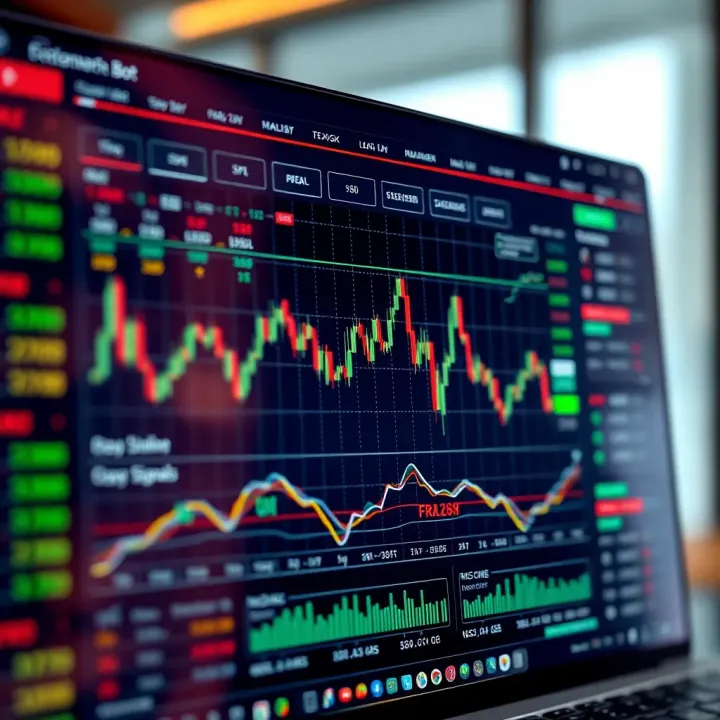
A single trader's attention is limited, but bots can monitor and trade across several currency pairs simultaneously. For example, one bot could track USD/ZAR, EUR/USD, and GBP/USD at the same time, analysing market data and executing trades without delay.
This capacity helps diversify risk and increases chances for profit by not relying solely on a handful of pairs. It also allows South African traders to access global market opportunities beyond their immediate focus.
Like any software, forex trading bots depend on stable internet connections and server performance. A local trader could experience interruptions due to load-shedding, power outages, or unreliable broadband, disrupting the bot’s operations.
Additionally, errors in code or bugs may cause incorrect orders or failure to execute trades as planned, leading to unexpected losses. Regular monitoring and choosing bots with reliable support can mitigate, but not eliminate, these threats.
Bots rely heavily on backtesting — running their strategy against past market data to predict performance. However, historical trends don’t always repeat exactly, especially in rapidly changing forex markets.
For instance, sudden shifts in monetary policy by the South African Reserve Bank (SARB) or geopolitical events can create market conditions that historical data doesn’t capture. This mismatch could cause bots to behave inefficiently or underperform.
Over-optimisation happens when a bot is fine-tuned too closely to past data, making it highly effective in backtesting but poor in real trading. It's like memorising answers for one exam paper and failing when questions change.
A South African trader might fall into this trap by tweaking settings to suit rand-dollar movements over recent months, only to find the bot struggling when the market shifts due to unforeseen factors, like global commodity price swings.
Using a forex bot doesn’t guarantee success—understanding its strengths and weaknesses is key to managing risks and making informed decisions. Regular review and a combined approach with human oversight usually works best.
When choosing a forex trading bot, certain key features determine how well it fits your needs and trading style. These features influence not just performance, but also your control over trades, security of your data, and compatibility with your trading setup. In South Africa's dynamic forex landscape, picking bots that offer flexibility, transparency, and smooth integration can save you loads of headaches down the line.
Adjustable risk settings are vital because no two traders share the same appetite for risk. A bot that lets you tweak stop-loss levels, trade size, and leverage gives you control to tone down risk when the market looks shaky or ramp it up during better conditions. For instance, if you find yourself watching the rand-dollar pair amid Eskom-induced volatility, lowering the bot's risk exposure could prevent unnecessary losses.
Additionally, a bot's ability to support different trading strategies means it can adapt to you rather than the other way around. Whether you favour scalping quick profits, following trends, or using mean reversion tactics, finding a bot that accommodates your style helps you stay consistent. A trend-following bot might be ideal for catching momentum in EUR/ZAR trades, while a mean reversion bot could excel during periods when price swings around a central value.
With personal and financial information involved, safe data handling isn’t negotiable. Bots should employ strong encryption and never store your login details in plain text. South African traders who connect through less reliable internet can’t afford leaks or hacks — a secure bot keeps your account locked tight even if your connection falters.
Clear records matter too. Reporting and audit trails help you verify what trades took place, when, and why. They also give insight into the bot’s decision-making, helping you fine-tune settings. If a bot executes an unexpected trade, logs provide the transparency you need to spot errors or detect technical glitches quickly.
Bots must work well with both popular South African brokers like IG Markets, HotForex, and international players such as FXTM or Saxo Bank. Compatibility ensures smooth order execution and access to local currency pairs with optimal liquidity.
Finally, seamless integration with trading platforms like MetaTrader 4 or 5 is crucial. A bot that runs inside your platform avoids clunky handovers between software, allowing you to monitor trades, tweak parameters, and access tools effortlessly. For example, a trader using MetaTrader on a Telkom Fibre connection in Cape Town will appreciate a bot that synchronises smoothly without adding lag or complexity.
Choosing a forex trading bot means balancing flexibility, security, and technical compatibility. Each feature influences how effectively the bot will manage trades in South Africa’s unique market conditions.
This shortlist can guide you to bots that not only perform but also keep you confident and in control, even when you're managing multiple currency pairs or navigating off-peak hours affected by loadshedding.
Choosing the right forex trading bot is a key decision for any trader keen to automate their trades efficiently. The right bot can help manage risk, execute trades faster than manual efforts, and keep you active in the market 24/7. But a poorly matched bot might cost you through hidden fees, unreliable signals, or even breaches of local trading rules. Understanding how to evaluate these tools is particularly relevant in South Africa, where brokers, regulatory standards, and market conditions can differ from global norms.
Backtesting involves running a trading bot's algorithm against historical forex market data to see how it would have performed in the past. For South African traders, this offers valuable insight before committing real Rand. However, backtesting is not foolproof. Markets evolve and past trends don’t always predict future moves. A bot that posted stellar backtested results during a period of low volatility, for example, might struggle in more turbulent conditions.
It’s essential to look beyond headline figures like ‘90% accuracy’ during backtesting. Check parameters such as maximum drawdown (the largest loss from peak to trough) and the bot’s response to sudden market shifts. Imagine you spot a bot claiming consistent profits on the USD/ZAR pair over the past 3 years; you’d want to verify if it weathered major events like the Eskom loadshedding crisis or global shocks without excessive losses.
While backtesting is a starting point, live trading results reveal how a bot handles real-time data, internet latency, and unpredictable events. Paper trading accounts offered by some platforms allow you to simulate live trades without risking your capital, giving a safer preview of performance.
In practice, live outcomes may differ due to slippage (executing trades at worse prices than predicted) and broker execution delays. For instance, South African traders connected to brokers with slower order execution might notice delays that affect profitability. Observing a bot’s consistency over at least a few weeks of live or demo trading can expose flaws that backtesting missed.
Forex bots come with various cost structures. Some charge a one-off licence fee, while others run on monthly or yearly subscriptions. Upfront fees can be a better deal if you plan to trade long-term without frequent updates. Subscription models often include ongoing support and upgrades, which can be worth paying for particularly if the bot’s developer is active and responsive.
South African traders should weigh these costs against expected returns and the currency conversion charges if payments are in foreign currency. For example, a R2,500 upfront fee might look steep but could be cheaper than paying R300 per month over a year.
A responsive support team is invaluable, especially when market conditions change or technical hiccups occur. Good bots include timely updates to refine strategies and maintain compatibility with popular South African brokers like IG Markets or local platforms.
Imagine a trader noticing their bot hasn’t placed trades during sudden rand volatility — quick customer support can help troubleshoot connectivity or algorithm issues. Without support, you risk downtime or losses from bugs remaining unpatched.
Any trading bot offered to South African traders must adhere to local financial regulations, including registration with bodies like the Financial Sector Conduct Authority (FSCA). Bots that trade on behalf of users or provide financial advice may require licensing. Using unregulated bots exposes traders to potential fraud or loss without recourse.
Checking if the bot’s provider complies with these regulations can protect you from scams and legal issues. Ideally, choose bots integrated with brokers regulated within South Africa or reputable international firms with a presence locally.
Reliable bot providers clearly state risks involved with forex trading, including potential capital loss. South African consumer protection laws expect transparent disclosures to help traders make informed choices.
Beware bots promising guaranteed profits or risk-free trading; these claims are usually too good to be true. Always look for clear risk warnings and an option to withdraw your data and funds easily. South African traders may also benefit from industry watchdog forums and reviews before committing.
Selecting the right forex trading bot means balancing performance evidence, cost structures, support quality, and compliance with local rules. This helps ensure your automated trading journey is both productive and secure in the South African market.
Automated trading bots are steadily becoming part of South Africa’s forex landscape, offering local traders ways to navigate the market more efficiently. Understanding how these bots fit into everyday trading practices here helps you gauge their practical benefits and the specific challenges they face.
South African brokers play a key role in supporting forex trading bots. Many local and international brokers operating in SA offer platforms compatible with popular bots, making integration more straightforward. For example, brokers like IG, Plus500, and local options such as GT247.com provide APIs or platform support that allows bots to execute trades reliably. This means traders can automate strategies without manually managing trades, saving time and reducing the chance of errors.
However, compatibility is only part of the picture. Local regulations and broker policies shape how bots are used in practice. South African brokers often impose limits on leverage or have specific rules around automated strategies to comply with the Financial Sector Conduct Authority (FSCA). As such, bots must be configured considering these limitations to ensure compliance and avoid disruptions.
Loadshedding has a definite impact on how trading bots perform locally. Scheduled power cuts by Eskom interrupt internet services and local network infrastructure, which can cause unexpected disconnections or delays. A trading bot reliant on a stable, continuous internet connection risks missing critical market moves during these outages.
To overcome this, serious traders often use backup solutions like uninterrupted power supplies (UPS) or solar-powered systems to keep their setups running during loadshedding periods. Additionally, cloud-based VPS hosting located outside South Africa helps shield bots from local connectivity issues, maintaining uptime even when the local power is down. Yet, these solutions come at an extra cost, adding another practical consideration when deploying bots in SA.
South Africa has a growing community of forex traders who share knowledge on trading bots through various local forums and online groups. Platforms like MyBroadband and specialised Facebook groups serve as hubs where traders discuss bot strategies, share backtesting results, and warn about scams. This peer guidance is essential for newcomers seeking practical advice from experienced local users who understand the peculiarities of SA’s market.
Local educational support has also stepped up. Several forex training providers and brokers offer courses that now include modules on automated trading. Programs sometimes cover selecting bots, programming basics, and risk management tailored for South African market conditions. This access to tailored training strengthens traders' ability to use bots effectively.
Access to South African-specific forex tools further supports bot users. For example, software solutions that incorporate SA market hours, local news sentiment, and compliance alerts help customize bot strategies. These tools ensure bots respond to regional variables, keeping trading in tune with local realities rather than relying solely on generic global data.
For South African traders, integrating forex bots isn’t just about automation — it’s about fitting technology into a unique trading environment shaped by regulations, infrastructure quirks, and accessible support.
By understanding these practical aspects, traders can better decide when and how to make the most of trading bots in their forex ventures.
📊 Discover how pip calculators work in forex trading, learn why they're vital for managing risk, and get tips to use them confidently in your strategies.

🌍 Discover how the Forex complex operates, its key players, economic impacts, and effective trading strategies. Navigate global currency markets with confidence! 💱📈
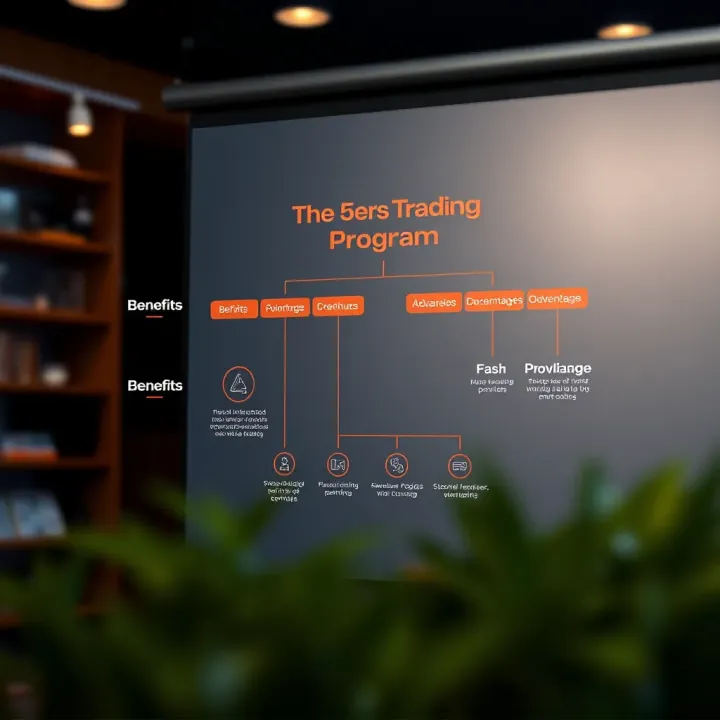
Explore The 5ers trading program 🌍 for forex traders in South Africa—understand eligibility, rules, benefits, and how it stacks up against other funding paths 💹.

📈 Learn how signal trading works for South African traders! Get insights on types, benefits, challenges, and tips to trade smarter with market signals.
Based on 12 reviews