

Choosing a Broker for Volatility Index Trading in Kenya
🔍 Learn how to choose a reliable broker for trading the Volatility Index (VIX) in Kenya. Explore regulation, spreads, platforms & tips for smarter trades.
Edited By
Oliver Grant
Choosing the right broker for trading stock indices isn't just about picking a name; it influences your success and trading ease. Index trading lets you speculate on the movement of entire markets like Kenya’s NSE 20, the US Dow Jones, or the UK’s FTSE, without buying individual shares. But to make the most of it, your broker must fit your trading style and needs.
Major factors to consider include:
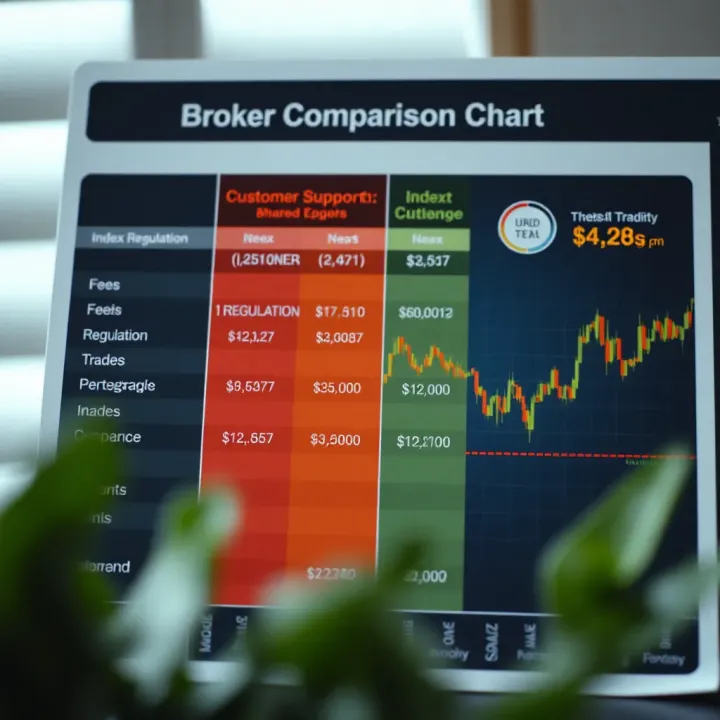
Fees and commissions: Different brokers charge varying spreads, commissions, or rollover fees. For Kenyan traders on a budget, these charges directly affect your bottom line. Some brokers offer fixed spreads on major indices, while others provide variable spreads depending on market volatility.
Trading platforms and tools: A user-friendly platform with real-time data, advanced charting, and quick execution is vital. Platforms like MetaTrader 4, MetaTrader 5, or proprietary systems can influence your ability to react swiftly to market changes. For example, if you trade NSE 20 futures, having a platform that supports fast order placement and risk management tools makes a difference.
Regulation and security: Trust regulated brokers authorised by bodies such as the Capital Markets Authority (CMA) in Kenya or the Financial Conduct Authority (FCA) in the UK. This lowers risks of fraud and ensures your funds have safeguards. Avoid brokers that operate offshore without clear licences, as this adds unnecessary risk.
Customer support: Efficient, localised support can save you when issues arise, especially given time zone differences. Brokers offering responsive help via phone, email, or live chat, ideally during Kenyan trading hours, enhance your trading confidence.
Choosing a broker isn’t just ticking boxes on features; it’s about understanding how those features affect your trading experience in real market conditions, especially when dealing with volatile indices.
Additionally, consider if the broker offers access to a range of indices you want to trade, like NSE 20, Dow Jones, or FTSE, and whether they allow smaller account sizes. For many Kenyan traders, low minimum deposits and flexible payment channels such as M-Pesa integration are practical must-haves.
Knowing these details helps you make informed, practical choices rather than settling for flashy adverts or promises. The goal is a broker who offers fair fees, solid tech, trustworthy regulation, and practical, accessible support that fits your specific index trading needs.
Understanding index trading is vital for any investor wanting to grasp how broader market movements work. Unlike trading single shares, index trading lets you engage with a whole basket of stocks, representing an entire market or sector. This approach gives a clearer picture of market trends without chasing individual company performances.
Financial indices are a collection of stocks that track the overall performance of a particular market segment or economy. For example, the NSE 20 Index reflects top companies listed on the Nairobi Securities Exchange, giving insight into Kenya's economic health. Globally, indices like the Dow Jones Industrial Average and FTSE 100 are widely followed to gauge the US and UK markets respectively.
These indices act as benchmarks. When the NSE 20 climbs, it usually means a majority of key Kenyan firms are doing well, while a fall indicates broader challenges. Such indices simplify complex exchanges into a single, digestible number, helping traders make informed decisions fast.
Diversification benefits: Trading indices reduces risk by spreading your investment across many companies. For instance, buying the NSE 20 Index means you’re exposed to 20 different firms simultaneously. This cushions your portfolio against shocks that might hit one company hard but leave the market mostly steady.
Volatility and liquidity factors: Index trading often experiences less wild price swings compared to single stocks. Because an index includes many firms, the gains and losses of individual companies balance out. Plus, indices tend to be more liquid, meaning you can buy or sell quickly and at fair prices, especially during peak market hours.
Access to broader market trends: Indices give you a snapshot of economic and sector momentum. For example, a rise in the NSE 20 might signal Kenya’s economy is growing, encouraging investors to explore opportunities in sectors like banking or agriculture. This macro view helps traders spot trends early, rather than reacting to isolated stock moves.
Trading indices can serve as a less stressful way to participate in the market, ideal for those interested in overall economic health rather than company-specific news.
By understanding these basics, you can better select brokers and platforms that fit your goals, ensuring your index trading journey is grounded in solid know-how and practical choices.
Choosing the right broker when trading indices involves more than just picking the lowest fees or the flashiest platform. The key features you focus on can shape your trading experience and even affect potential returns. Understanding costs, platform usability, and broker reliability helps you trade with confidence, especially when dealing with markets such as the NSE 20 or FTSE.
Commissions versus spreads: Brokers usually charge fees through commissions or spreads. A commission means you pay a fixed or percentage fee on each trade, while spreads are the difference between buy and sell prices embedded in the trade cost. For example, if you trade the NSE 20, a tight spread can save money over many trades even without paying a direct commission. Some brokers offer commission-free trades but widen spreads, which may cost you more in volatile markets.
Hidden charges and swap rates: Beyond visible fees, some brokers apply hidden charges like withdrawal fees or inactivity penalties. Swap rates are interest fees charged if you hold leveraged positions overnight. Suppose you take a leveraged position on the Dow Jones index and leave it open for days; swap rates can gradually eat into your profits unless you understand and plan for them. Always check the broker’s fee schedule carefully to avoid surprises.
Availability of mobile and desktop platforms: Accessing your trading platform anywhere matters, especially for Kenyan traders who might switch between mobile, desktop at work, and home PCs. A broker offering a smooth experience on both desktop and mobile apps – for example, platforms like MetaTrader 4 or proprietary apps from known brokers – ensures you can place orders or track markets anytime.
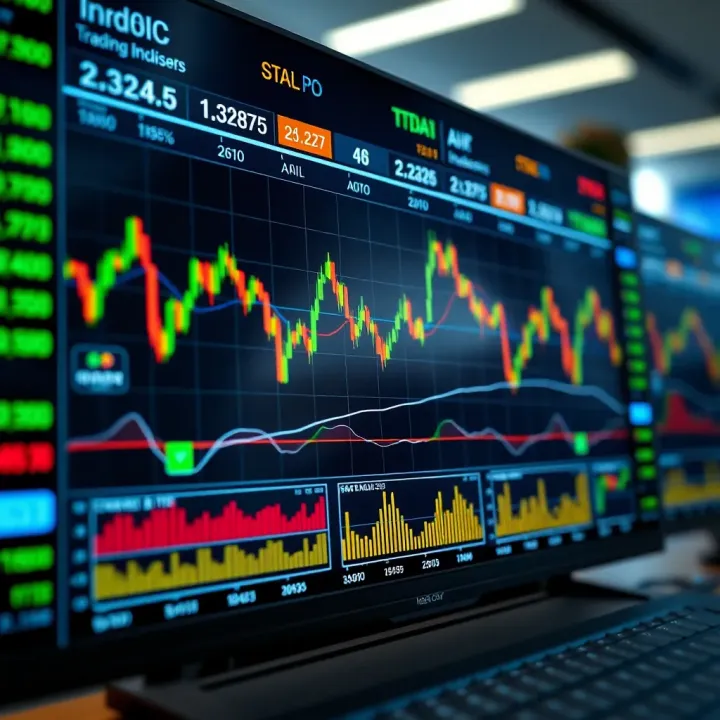
Access to charting tools and indicators: Good charting is essential for index traders analysing trends. Look for platforms with built-in technical indicators (like moving averages, RSI, Bollinger Bands). For instance, a trader following NSE 20 can spot entry points better with these tools than with plain price quotes.
Order types and execution speed: The ability to use different order types such as limit, stop-loss, and take-profit is key to managing risk. Fast execution means your trades happen close to the price you want, avoiding slippage. This is critical when trading volatile indices like the FTSE or DJIA, where prices can shift rapidly during market hours.
Licensed brokers in Kenya and internationally: Trading through brokers licensed by the Capital Markets Authority (CMA) in Kenya or respected international bodies (such as FCA, CySEC) protects you from fraudulent operators. For example, a CMA-regulated broker must adhere to strict rules on disclosure and client fund handling, which adds a layer of trust.
Importance of client fund protection: Some brokers keep client funds in separate accounts, insulating traders if the broker faces financial difficulties. This segregation is more common with licensed brokers and gives you peace of mind that your KSh savings are safe. Also, look for brokers offering compensation schemes or insurance for deposits.
Choosing a broker with clear costs, reliable platforms, and strong regulation forms the foundation for successful index trading. Carefully weigh these features against your trading style and goals to find a broker that suits you well.
Choosing the right broker for index trading requires more than just checking prices; it involves understanding how each broker fits your unique trading needs. Comparing popular brokers allows you to weigh critical differences such as payment methods, platform features, and suitability for various trader levels. This approach helps you avoid costly surprises and find a broker that works well with your preferred indices, like the NSE 20, Dow Jones, or FTSE.
Local payment options such as Safaricom M-Pesa are especially valuable in Kenya’s trading scene. Brokers who support M-Pesa make it straightforward to fund accounts and withdraw profits without the need for complicated bank transfers or forex conversions. For example, platforms like EGM Securities and FXPesa have integrated M-Pesa directly, letting traders deposit funds instantly and start trading without delays. This convenience also reduces the risk of funds getting stuck during payments.
Traders appreciate when the deposit and withdrawal processes are simple, transparent, and closely aligned to their daily financial habits. Allowing mobile payments means less hassle, especially for those outside Nairobi who depend on mobile banking services more than traditional banks.
While M-Pesa transactions are generally affordable, brokers differ in the fees they charge for deposits and withdrawals. Some brokers absorb part of the cost, making it cheaper for traders, while others pass it fully to the user. Processing times also vary — some brokers complete withdrawal requests within hours, whereas others may take one to three business days. For instance, Citifxtrade and XM are known for fast withdrawal processing, which gives traders quicker access to their money.
Understanding these costs upfront can prevent unexpected charges that eat into your gains, especially if you plan to trade frequently. Aim for brokers who offer transparent, fair fees and clear timelines.
Popular brokers that offer trading on the NSE 20 and other global indices usually provide a range of features to support different trading styles. EGM Securities, for example, offers tight spreads and flexible leverage on NSE 20, alongside access to international markets like the Dow Jones and FTSE. Meanwhile, FXPesa focuses on user-friendly platforms with mobile apps and decent charting tools to help traders read market data effectively.
Such brokers also provide order execution speeds and varied order types, which are essential for navigating volatile index markets. Some platforms offer educational content and demo accounts to trial strategies without risking real money.
Beginners benefit from brokers that provide strong customer support, clear educational resources, and easy-to-use platforms. FXPesa and EGM Securities both cater well to novices by offering training webinars and responsive Kenyan-based support teams. On the other hand, advanced traders might prefer brokers like Citifxtrade, which offer advanced technical indicators, broader asset portfolios, and higher leverage options.
The key is to match your trading experience and goals with what the broker provides. A broker that suits a beginner might feel limiting for a seasoned trader, and vice versa. Identifying this fit early on can save you from frustration and help you focus on improving your trading performance.
Compare brokers not just by their fees but also by how well they serve your local payment needs and trading style preferences. This strategy ensures you trade with confidence and efficiency.
Managing risks while seeking good returns is vital in index trading. Unlike buying shares in individual companies, index trading involves exposure to a bundle of stocks representing a market or sector. While this diversification can reduce some risks, traders still face challenges like market swings and leverage effects. Handling these risks well improves the chances of steady profits rather than losses.
Leverage means borrowing funds from your broker to trade a larger position than your actual capital. For example, if you have KSh 10,000 and the broker offers 10:1 leverage, you can control KSh 100,000 worth of an index. This can boost your profits if the market moves in your favour, as even small price changes get magnified. Many brokers allow leverage for indices like the NSE 20, Dow Jones, or FTSE.
However, leverage also increases your potential losses. If the market moves against you, losses multiply just as much as gains would. This means you can lose more than your initial deposit if not careful. Brokers usually require a margin, a minimum amount you must keep in your account to maintain leveraged trades. Falling below this margin might trigger a margin call, forcing you to add funds or close positions.
Starting with lower leverage ratios is safer, especially if you are new to index trading. It lets you manage risks effectively while still allowing room for growth.
Leveraged trading is riskier than regular buying and selling because it amplifies both gains and losses. Sudden market spikes, often caused by news headlines or economic reports, can wipe out your capital quickly if you don’t have proper risk controls. For instance, during volatile times, the NSE 20 index may swing 2-3% in minutes; with 10:1 leverage, this means 20-30% movement on your invested amount.
Besides market movements, overnight holding costs or swap charges are another unique risk. These fees accrue when you keep leveraged positions open after the trading day ends, slowly eating into profits or increasing losses. Kenyan traders should check these costs in broker terms, as they vary significantly.
Stop loss and take profit orders help protect your capital by automatically closing trades at set prices. A stop loss limits downside by exiting a losing trade before it gets worse. For example, if you buy the FTSE at 7,000 points, you might set a stop loss at 6,900 to cap potential loss to about 100 points. This way, you avoid large unexpected losses that can drain your account.
Take profit orders lock in gains by exiting a position once a target price is reached. In a rising market, you could set take profit when the index hits a planned level, ensuring you don’t lose your earnings if the market reverses suddenly. Many traders combine both orders to manage trades without needing to monitor constantly.
Your stop loss and take profit points should reflect current market volatility and personal risk tolerance. In calm markets, tight stop losses make sense, as price moves are smaller and predictable. But in times of big economic announcements, wider stops may help avoid being stopped out prematurely.
Traders should also remember that aiming for very large profits in short timeframes can lead to excessive risks. Instead, setting moderate, achievable profit targets and cutting losses early generally leads to better long-term returns. For instance, targeting 1-2% gains with a 1% stop loss can protect your capital while allowing consistent growth in index trading.
By managing leverage sensibly and using stop loss and take profit orders, you can reduce the odds of severe losses and improve your chances of success in index trading.
Good customer support can make or break your trading experience. When trading indices like NSE 20 or Dow Jones, quick responses from your broker help resolve issues like order execution problems or withdrawal delays. For Kenyan traders, having a local support line means no long waits or communication barriers. A practical example is getting stuck during weekend trading hours—accessible local support can step in faster, preventing losses.
Equally important is the way brokers communicate with their clients. Clear language matters when navigating complex topics like margin calls or leverage. Brokers offering support in English and Swahili bridge this gap well, especially for traders outside Nairobi who may prefer Swahili. Communication channels such as phone, live chat, WhatsApp, or email give flexibility. For instance, a trader might find WhatsApp most convenient for quick questions, while email suits detailed issues requiring documentation.
Responsive local support saves time and money. Imagine a scenario where your platform freezes during a critical market move. A broker with local offices or Kenyan-based agents on call will likely resolve the issue faster than international brokers with overseas centres. This responsiveness reduces downtime and trading risks. Look for brokers with dedicated Kenyan numbers or registered Kenyan entities since this often means better legal protection and quicker responses.
Language and clear communication channels go hand in hand. Some brokers provide support only in English, which might exclude traders more comfortable with Swahili. Others offer multilingual support, making trading more approachable. Also, Kenyan traders value direct communication through channels like WhatsApp, which is widely used locally. Brokers ignoring these preferences risk losing client trust.
Learning never stops, especially in trading. Brokers offering webinars, tutorials, and blogs support traders in understanding index market behaviour, technical analysis, and platform operation. For example, a Kenyan trader using a broker with weekly webinars on NSE 20 trading strategies gains an edge. Such resources also empower beginners to learn safely without risking unnecessary capital.
Regular market reports and trading tips from brokers help traders stay informed on local and global developments affecting indices. Timely updates about CBK monetary policy changes, political events in East Africa, or international economic trends make a difference. Brokers providing daily or weekly newsletters and analysis reports encourage disciplined trading and better decision-making.
Choose a broker not just for fees and platforms but for strong, accessible customer support and rich educational resources. These can turn trading challenges into opportunities, especially for Kenyan investors navigating dynamic markets.
Responsive local customer support reduces downtime and eases problem-solving.
Multilingual support and flexible communication channels increase accessibility.
Webinars and tutorials build trader confidence and skills.
Regular market insights help adapt strategies to changing conditions.
Selecting a broker with these qualities supports not only your trades but your growth as an informed, confident investor.
🔍 Learn how to choose a reliable broker for trading the Volatility Index (VIX) in Kenya. Explore regulation, spreads, platforms & tips for smarter trades.

📊 Explore how derivative trading works in Kenya’s markets, the types involved, regulation, risks, and practical investor tips to navigate this complex area wisely.

Wondering if Headway Broker is safe for Kenyan investors? 🚦 Check its regulation, trading options, security, and real user reviews to make an informed choice.

📊 Master demo trading accounts to practise safely without risking KSh. Learn how to pick the best demo account for Kenyan markets and avoid common mistakes.
Based on 11 reviews