

Understanding Derivative Trading in Kenya
📊 Explore how derivative trading works in Kenya’s markets, the types involved, regulation, risks, and practical investor tips to navigate this complex area wisely.
Edited By
Laura Middleton
Demo trading accounts provide a risk-free way to practise trading without using your real money. For many Kenyan traders and investors, this kind of account offers a clear edge before stepping into the real markets, which can be quite volatile.
These accounts work just like live trading accounts but with virtual funds. For instance, if you open a demo account with a broker like XM or FXTM, you will get a set amount of virtual KSh to trade forex, stocks, or commodities. This mimics the actual market behaviour, so you can test strategies and get familiar with trading platforms without losing cash.
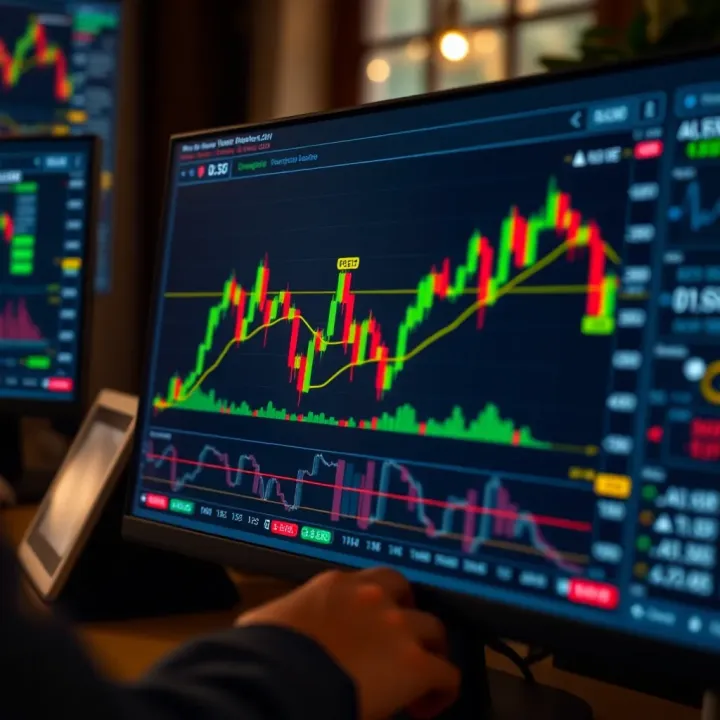
Using a demo account helps you build confidence and understand market movements before risking your hard-earned money. It's like driving around in a driving school car before hitting the busy Nairobi traffic.
Practising with demo accounts also teaches patience and risk management, which are vital skills especially for traders in Kenya’s emerging financial markets. You learn to read charts, understand indicators, and execute trades with proper timing. Without this trial phase, many jump straight into live markets and lose money quickly.
A key feature of demo accounts is that they often reflect real-time prices from the Nairobi Securities Exchange (NSE) or forex rates offered by brokers. This makes the experience more practical for Kenyan traders, especially those who want to try local stocks or currencies.
Keep in mind, a demo account is not the same as real trading:
Emotions like fear and greed are less intense since no real money is involved.
Order execution might be faster or slightly different from a live market.
Promotions or bonuses tied to real accounts do not apply.
Still, the demo account remains the best starting point. For example, a trader planning to invest in Safaricom shares can experiment with buy and sell orders, test timing strategies around quarterly results, and understand broker fees without risking KSh 10,000 or more.
In short, whether you're a beginner or just trying a new trading approach, demo accounts give you hands-on practice in a Kenyan market context. This prep work saves money and sharpens your skills before you trade for keeps.
A demo trading account is an essential stepping stone for anyone looking to participate in financial markets without risking real money. In Kenya, where many traders are eager to test their wits in the forex or stock markets but may lack confidence or experience, demo accounts offer a practical way to practise trading using virtual money. This approach helps you grasp market movements, trading strategies, and platform operations before opening a live account.
Demo trading accounts serve one main purpose: to replicate the real trading environment without actual financial risk. They allow you to open and close positions just like you would with real money, but all profits or losses are simulated. For example, a Kenyan trader learning how to trade forex can try buying and selling the US dollar against the Kenyan shilling without risking any KSh. This hands-on practise builds necessary skills and familiarises traders with market dynamics.
Unlike live trading accounts where your capital is at stake, demo accounts use virtual funds and do not require deposits in most cases. This means you can experiment with high leverage or risky strategies without fear of losing money. However, this also means the psychological experience differs significantly — since no real money is involved, emotions like fear or greed might not manifest the same way.
Use of virtual funds in demo accounts means you receive a set virtual balance, such as KS,000,000 in forex terms or equivalently tailored amounts for other markets. You make trades using this fake balance, which changes with each buy or sell order. This setup helps traders test different investment sizes and risk levels without worrying about actual losses.
Market data replication is another key feature. Demo accounts feed live or near-live price data from real markets, ensuring the quotes and price movements reflect what you’d see on a live trading platform. For instance, when the NSE 20 Share Index moves, your demo platform reflects the same price shifts, so you learn how to react to real conditions.
The order execution process in demo accounts mimics real setups but may run faster or without some delays seen in live trading. When you place a buy or sell order, the system immediately confirms your trade at the quoted price, though in actual markets, you might face slippage or rejected orders, especially during volatile Kenyan or global market hours. Still, demo accounts offer a close approximation to how trades are processed, helping traders understand order types, fill execution, and trading timings.
The value of a demo trading account lies in practising real skills without the threat of losing your hard-earned shillings. Treating demo trades seriously prepares you better for the real market challenges ahead.
In summary, demo accounts are not just trial zones; they are training grounds where Kenyan traders sharpen their strategies, build confidence, and get acquainted with market mechanics before risking actual money on platforms like Safaricom’s M-Pesa for deposits or withdrawals. This practical experience is especially vital given the fast-paced and sometimes unpredictable nature of financial markets here and abroad.
Using a demo trading account offers Kenyan traders a practical way to learn about financial markets without risking their hard-earned KSh. It serves not only as a safety net but also a training ground to sharpen your skills and understand market dynamics.
A demo account gives you the chance to try various trading strategies with virtual money. For example, if you want to try scalping on the NSE or forex trading with currency pairs like USD/KES, you can do so without worrying about losing real cash. This practice allows you to understand which strategies suit your risk appetite and market conditions without pressure.
It’s quite common for new traders in Kenya to jump into live markets after watching tips from social media, but they often lose due to lack of practice. With a demo account, you avoid that mistake by honing skills safely.
Markets can be unpredictable; prices fluctuate due to news, economic reports, or global events. Using a demo account, you observe how different events affect prices in real-time. For instance, during Kenya's long rains season, agricultural exports might impact the forex market. By watching these movements, you gain insight on how external factors influence your trades.
This familiarity prepares you to make quicker, better decisions when you start trading real money.
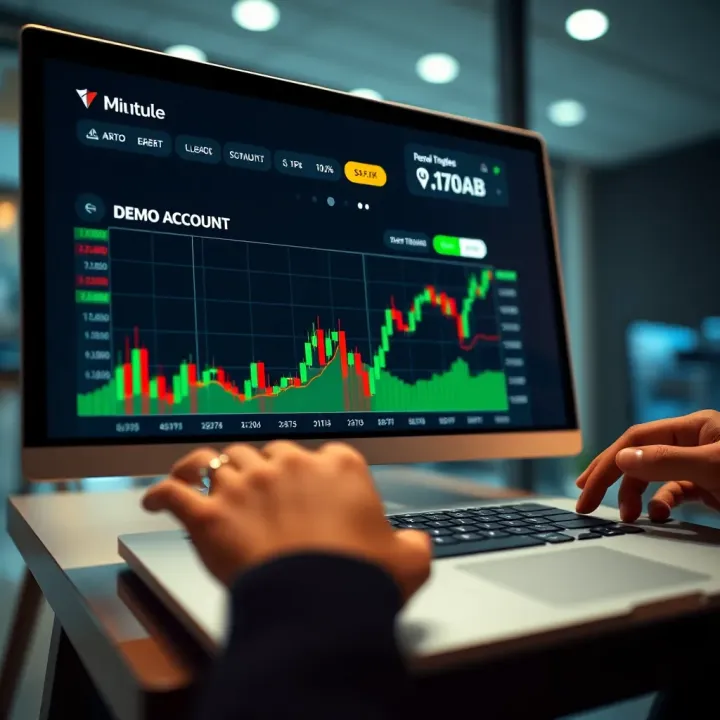
Demo accounts help you get to know the tools and features of trading platforms like MetaTrader 4, MetaTrader 5, or local brokers’ platforms such as those offered by EGM Securities or Nairobi Securities Exchange’s investment apps. You learn how to place orders, set stop losses, and interpret charts without the fear of messing up real funds.
This hands-on experience is vital, as confusion over platform usage can lead to costly errors. For example, delays in placing orders during a price swing could mean missed opportunities.
Even though demo trading uses fake money, it trains you to understand how you respond to wins and losses. Learning to keep calm and stick to your plan during losses can save you from rash decisions when real money is on the line.
Traders often panic during volatile periods, such as political announcements or unexpected events. Practising with a demo account helps you develop discipline and emotional control, key traits that separate seasoned traders from amateurs.
Demo accounts let you see the costs involved in trades, like spreads (the difference between buy and sell prices) and commissions. For Kenyan traders investing in forex or the NSE, these costs impact profitability directly.
By trading on demo, you get a sense of whether a broker’s terms are competitive. For example, some brokers may quote tighter spreads on popular pairs like EUR/USD compared to others, which can save you KSh in the long run.
Good brokers offer strong support and useful trading tools like news feeds, technical analysis indicators, and market alerts. Using a demo account, you can evaluate how responsive customer service is and how well these tools integrate with your trading.
If a broker takes too long to respond or the platform frequently malfunctions, it could cost you in live trading. Testing these elements early prevents unpleasant surprises and helps you choose a reliable broker suited to your trading style.
A demo trading account is not just a playground; it is a critical tool for building skills, confidence, and knowledge before risking real money in Kenyan markets.
Choosing the right demo trading account is key for Kenyan traders to gain real value from their practice. Not all demo accounts are made equal; some better mirror real trading conditions, while others might have quirks that could mislead you. Picking an account that fits your trading style, goals, and local realities ensures you build relevant skills and experience.
One of the first things to watch is whether the broker behind the demo account is regulated. In Kenya, brokers regulated by reputable bodies like the Capital Markets Authority (CMA) tend to follow rules that protect traders from unfair practices. This credibility means the demo account is more likely to simulate genuine market conditions and follow transparent pricing.
For example, a broker regulated by CMA will not inflate spreads artificially or delay order execution in their demo accounts. Instead, they provide a fair playground similar to their live trading environment. It prevents wasting time on demo accounts that give a false sense of ease or difficulty.
How easy a trading platform is to use can make or break your learning experience. Pick a demo account that uses a platform with a clean layout, clear charts, and simple order execution. This gives you more time to focus on your strategy rather than wrestling with complex menus.
Some brokers offer platforms like MetaTrader 4 or 5, which are widely used and supported locally. Others have proprietary platforms that might add unique tools but can be tricky for beginners. Testing these features and how responsive they are during demo trading can save you frustration once you move to live trades.
Your choice should also factor in the variety of assets the demo account offers. If you plan to trade forex pairs like USD/KES or commodities like gold and oil, ensure the demo includes those. Some demo accounts limit you to fewer instruments, which may restrict your practice.
Say you want to explore the Nairobi Securities Exchange (NSE) shares or East African Community (EAC) regional indices; you’ll want a demo account covering those options. Having a broad range lets you understand different markets and find your niche.
Demo trading often doesn’t capture all the real-time quirks of live trading, especially when placing orders. For instance, execution speed and slippage—the difference between expected and actual trade prices—may not appear in a demo environment.
This can lead to misunderstanding how your orders will perform in fast-moving Kenyan sessions or around major news announcements. Keep in mind that in live markets, spreads might widen suddenly due to volatility, but demo accounts generally show fixed or ideal conditions.
Trading with virtual money can never truly mimic the emotional strain of risking your own KSh. Without real stakes, it’s easy to be overconfident or take bigger risks than you would in live trading.
Many traders find that they react differently when actual money is on the line, experiencing stress or hesitation not felt during demo sessions. Being aware of this gap helps you use demo trading as a tool for technical practice while preparing mentally for the jump.
Choosing the right demo account while understanding its limits lets you prepare better for live trading, avoiding surprises when real money is involved.
By balancing these considerations and staying realistic about limitations, Kenyan traders can gain the maximum benefit from demo accounts and set themselves up for success.
To get the most from a demo trading account, you need to approach it with clear goals and a structured plan. It’s not just about clicking buttons to open and close trades; instead, it’s about practising discipline, understanding your own behaviour, and fine-tuning your strategies before risking real money.
Tracking progress is key when using a demo account. Keep a detailed record of each trade you make—note the entry and exit points, the rationale behind the trade, and the outcome. This habit helps you identify patterns in your successes and mistakes. For example, you might notice you lose more when you trade during certain hours or with specific instruments. Without tracking, these insights get lost, and it’s harder to improve.
Reviewing trades critically means going beyond whether a trade made or lost money. Consider if the decision aligned with your strategy or was based on guesswork. Ask yourself questions such as: Was the timing right? Did you follow your risk management plan? By reviewing trades critically, you avoid repeating poor habits and build the discipline needed for live trading.
Backtesting basics involves using historical data to test how a trading strategy would have performed in the past. Although demo accounts don’t always provide built-in backtesting tools, you can manually test your ideas by simulating trades using past chart data available on platforms like MetaTrader 4 or TradingView. This step helps you weed out strategies that are unlikely to work before trying them in real-time practice.
Adjusting strategies based on demo results means treating your demo trades as experiments. If a certain approach consistently loses virtual money, don’t ignore it or switch strategies impulsively. Analyse why it fails—maybe your stop loss is too tight or you entered trades too late. Adjust your rules step-by-step and retest them. This ongoing refinement sharpens your trading edge.
Recognising readiness to trade live isn’t just about how much profit you’ve made on the demo. More important is how consistently you follow your trading plan, manage losses, and control emotions during losing streaks. For instance, if you are tempted to increase your position sizes impulsively on demo, it’s a sign to gain more practice. A good rule is to pass several weeks or months of disciplined demo trading with steady results before going live.
Managing risks when starting real trading requires careful sizing of your initial stake. Many Kenyan traders start live with a small amount, perhaps KSh 5,000 to KSh 10,000, even if they feel confident. This helps to protect your capital while you adjust to the psychological differences between demo and real money trading. Always use stop losses and avoid chasing losses. Remember, real trading emotions can cloud judgement, so risk management is your best defence.
Approaching your demo account as a serious training ground prepares you for the challenges of live markets. By setting clear goals, critically reviewing your work, and transitioning carefully, you build skills that go beyond theory.
Use your demo account to learn discipline and test strategies honestly; this approach turns practice into real growth as a trader.
Demo trading accounts are invaluable tools, but they come with challenges that can mislead traders if not handled properly. Understanding these pitfalls helps you make the most of your demo experience, driving you closer to success in live markets.
Maintaining discipline is often tougher than it sounds when trading with a demo account. Because you’re not risking real money, it is easy to take trades without proper analysis or to increase position sizes recklessly. In Kenya, traders might find themselves chasing quick profits on their demo account, only to struggle with sticking to strategy during real trading. The key is to treat your demo capital as if it were your own money saved from hustle. Set daily limits for losses and profits and stick to them to build habits you can transfer to live trading.
Simulating real-life risk management on a demo account involves more than just placing trades—it means practising how to protect your capital under pressure. This includes using stop-loss orders, managing leverage wisely, and deciding when to take profits. For example, if you constantly ignore stops on demo trades, switching to live trading may shock you when actual funds are at risk. Use your demo account to apply rules like risking only 1-2% of your balance per trade. This way, you'll create muscle memory for controlling losses which is crucial once you start trading live.
Handling slippage and spreads can catch new traders off guard. Demo accounts generally provide ideal conditions—tight spreads and order fills at expected prices. However, live markets in Kenya, especially for forex and shares on the NSE, may present wider spreads during volatile times and order execution delays due to slippage. This means your trade might enter or exit at a different price than shown on demo. To prepare, observe how spreads change during peak trading hours and economic announcements. Understanding these nuances beforehand helps avoid surprises and better risk management.
Dealing with emotional pressures is one of the biggest hurdles transitioning from demo to live trading. The feeling of knowing losses are just virtual money is totally different from watching your real KSh vanish or your profits grow. Fear and greed can cloud judgment, leading to impulsive decisions. Kenyan traders must acknowledge these emotions early. Consider starting with a small live account after demo trading to gradually build emotional resilience. Remember, demo success doesn’t guarantee live profits—emotional control is a skill honed through real experience.
Treating your demo trading as seriously as live trading builds discipline and bridges the gap between learning and earning. Don’t let virtual funds make you careless. Practice risk rules and expect live market quirks to prepare effectively.
By recognising these common challenges and actively working to avoid them, you position yourself better for real success in Kenya's financial markets.
📊 Explore how derivative trading works in Kenya’s markets, the types involved, regulation, risks, and practical investor tips to navigate this complex area wisely.

🤖 Discover how automated trading robots help Kenyan investors trade faster and smarter with minimal effort. Learn benefits, risks, and tips for smart investing in Kenya.

Explore crypto trading in South Africa 🇿🇦: understand how it works, local risks, key regulations, and top platforms to trade safely and confidently with Rands.

Learn how peer-to-peer (P2P) trading works in South Africa 🇿🇦 including platform types, safety tips, legal advice, and its impact on the local economy 📈.
Based on 7 reviews