

Best Times to Trade Forex in South Africa
📈 Find out the best times to trade forex from South Africa! Learn how SAST affects volatility, major market hours, and tips to time your trades well for better edge.
Edited By
Isabella Hughes
Trading the GBP/USD currency pair from South Africa demands more than just understanding forex basics. The key lies in knowing the best trading hours that offer the right mix of liquidity and volatility. Since GBP/USD involves the British Pound and the US Dollar, the activity peaks during their respective market hours — mainly London and New York sessions.
South African traders need to map these international market hours to South Africa Standard Time (SAST, UTC+2). For example, the London session runs from 9 am to 5 pm BST (British Summer Time, UTC+1), which translates to 10 am to 6 pm SAST. Meanwhile, the New York session goes from 8:30 am to 5 pm Eastern Time (ET), usually matching 3:30 pm to 12 am SAST (may vary with daylight saving changes).

The overlap between London and New York sessions, roughly 3:30 pm to 6 pm SAST, provides one of the highest trading volumes and sharpest price movements for GBP/USD.
This period is particularly attractive for South African traders because it combines the liquidity of two major markets alongside increased volatility, offering better opportunities to enter and exit positions with tighter spreads. Outside these hours, liquidity may be thinner, leading to wider spreads and potential slippage.
Schedule your trades during the London-New York overlap to catch major market moves.
Avoid trading late-night or early-morning hours when markets in both London and New York are closed; the price action tends to be quieter and less predictable.
Keep an eye on UK and US economic calendars since news releases during their market hours significantly affect GBP/USD volatility.
Adjust for daylight saving changes in the UK and US, as South Africa does not use daylight saving time.
By aligning your trading schedule to these sessions and overlaps, you can significantly improve trading efficiency and minimise risks linked to low liquidity. Understanding these timings is a straightforward step but one that can make a real difference whether you trade manually or automate your strategies.
The GBP/USD pair represents the exchange rate between the British Pound Sterling (GBP) and the United States Dollar (USD). Essentially, it shows how many dollars it costs to buy one pound. This pair is one of the most traded in the foreign exchange market, given the economic weight of the UK and US. For South African traders, knowing this pair allows them to trade on global economic trends influenced by two major economies.
Traders favour GBP/USD because of its liquidity and volatility. It usually has tighter spreads compared to exotic pairs, meaning trading costs are reasonable. For example, during the London-New York session overlap, spreads tend to narrow, offering better opportunities for intraday trading. This makes it attractive both for short-term traders looking for quick gains and longer-term investors following fundamental shifts.
Economic news from Britain and the US heavily impacts the GBP/USD value. UK inflation rates, Bank of England interest rate decisions, US Non-Farm Payroll reports, and Federal Reserve policies all cause sharp price moves. For instance, if the US Federal Reserve hints at tightening monetary policy, the dollar often strengthens, pushing GBP/USD lower. Being alert to such updates helps traders in South Africa schedule their trades to avoid unexpected volatility or to capitalise on price swings.
Economic indicators like GDP growth, employment numbers, and inflation from both countries are closely watched by forex participants. Positive UK GDP data can boost the pound, lifting GBP/USD, while weak US retail sales may weigh on the dollar side. For example, when UK’s Consumer Price Index (CPI) is higher than expected, traders often anticipate interest rate hikes by the Bank of England.
Political developments also play a major role. Brexit negotiations and UK government policies can cause fluctuations in the pound. In the US, political tensions or changes in fiscal policy influence the dollar. Take the 2019 Brexit uncertainty: it led to heightened GBP/USD swings, which savvy traders could exploit by adjusting positions ahead of government announcements.
Market sentiment and wider global events add another layer of complexity. Risk-on moods—when investors seek higher returns—often favour the pound. Risk-off periods, like during global financial distress, push traders into the dollar as a safe haven. For instance, during the Covid-19 pandemic onset, GBP/USD dropped sharply as the dollar strengthened amid global uncertainty.
A clear grasp of these economic and political drivers enables South African traders to time their entries and exits better, aligning with GBP/USD’s natural rhythms.
Understanding these factors helps you manage risk. By watching economic calendars and following political news, you can anticipate periods of higher volatility or lower activity, adjusting your trading strategy accordingly.
Understanding different trading sessions is key to timing your GBP/USD trades wisely. Each session brings unique activity levels, influenced by business hours in major financial centres. For South African traders, knowing when these sessions run and how they affect the pair’s volatility can make a real difference in maximising profit and managing risk.
The London session runs roughly from 9 am to 5 pm GMT, aligning closely with South Africa’s Standard Time (SAST) since South Africa is two hours ahead of GMT. This session represents the busiest period for GBP/USD because London is a key hub for British pound trading. Traders here respond actively to UK economic data, Bank of England announcements, and European market influences. For example, if the UK's GDP numbers release at 9:30 am London time, traders see immediate GBP/USD price shifts.
The New York session opens around 2 pm SAST and closes at 10 pm SAST, covering US business hours. This period is crucial due to the US dollar's role in the pair. Important releases like US unemployment or Federal Reserve statements tend to happen in the early hours of this session, stirring significant price swings. South African traders active during the evening should focus here to catch these opportunities while markets are dynamic.
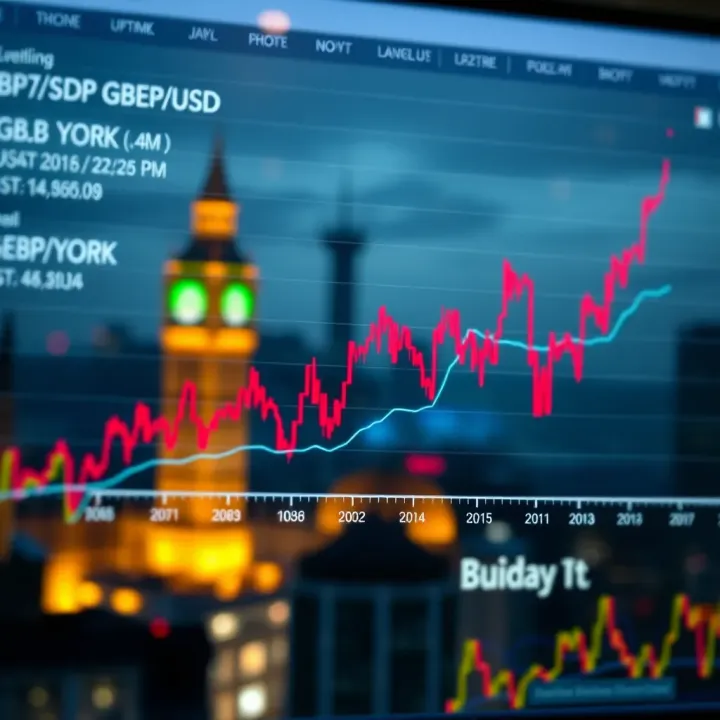
The two-hour window when London and New York sessions overlap—2 pm to 4 pm SAST—is considered the most liquid and volatile period for GBP/USD. During this time, market participation from European and American traders peaks, often triggering sharp price movements. For instance, if UK inflation figures come out shortly before this overlap, the pair may react strongly as both sides of the Atlantic engage simultaneously.
Liquidity in GBP/USD surges during the London and New York sessions due to the heavy presence of banks, hedge funds, and retail traders. Outside these hours, particularly during the Asia-Pacific session, volume drops significantly—meaning wider spreads and less favourable trading conditions. To stay cost-effective, South African traders might want to avoid low-volume hours when price moves can become erratic.
Volatility tends to spike at the start of each session and during the London-New York overlap. Early London hours often see moves driven by European economic news, while the New York session reacts strongly to US data. Tracking these patterns helps traders plan entries and exits more precisely. For example, sudden GBP/USD price jumps around 9 am London time can provide quick trading chances before markets settle.
During the London session, watch for Bank of England interventions, UK economic data, and European market sentiment. In New York, focus on US Federal Reserve announcements, job reports, and geopolitical developments. At the overlap, price swings can be aggressive; traders should be ready for quick decisions and tight risk management. Adjusting your trading strategy to fit each session’s characteristics will improve your chances of success.
Remember, trading GBP/USD from South Africa requires matching your schedule to the right session hours, especially focusing on moments of high liquidity and volatility to avoid unnecessary risks and missed opportunities.
For South African traders, understanding how global forex trading hours translate into South African Standard Time (SAST) is vital. Since forex markets operate in different time zones, failing to align your trading schedule with the relevant market hours can mean missing out on prime trading opportunities. Converting trading times to SAST helps you pinpoint when the GBP/USD pair shows the most movement and liquidity, which enhances your strategy and risk management.
South Africa operates on South African Standard Time (SAST), which is UTC+2 throughout the year. This time remains stable since South Africa does not observe daylight saving time, unlike some major financial centres. For local traders, this means their clock doesn’t shift, providing a consistent reference point.
London, one of the world’s leading forex hubs, runs on Greenwich Mean Time (GMT) or British Summer Time (BST) when daylight saving applies. During UK winter months, London time is GMT (UTC+0), meaning South Africa is two hours ahead. When the UK shifts to BST (UTC+1) in summer, South Africa is one hour ahead of London. Knowing this fluctuation is key when planning to trade during the London session, where GBP/USD activity peaks.
New York follows Eastern Standard Time (EST) and Eastern Daylight Time (EDT). EST is UTC-5, and EDT is UTC-4. This puts South Africa five to six hours ahead of New York. For instance, when New York’s forex market opens at 8:00 am EST, it is already 3:00 pm SAST, whereas during EDT, it’s 2:00 pm SAST. Understanding this offset helps traders anticipate the start of the New York session—another critical period for GBP/USD volatility.
Adjusting for daylight saving time (DST) is crucial because it affects both UK and US market hours but not South Africa’s. Traders must mark their calendars, noting that British and American clocks move forward or backward usually in March/April and October/November. Missing these changes could lead to mistimed trades or missed market overlaps.
The best trading hours for GBP/USD from South Africa typically fall within the London and New York sessions, singly or during their overlap. The London session is active roughly between 9:00 am and 5:00 pm SAST in winter and 8:00 am to 4:00 pm SAST in summer due to London’s DST changes. The New York session runs mainly from 2:00 pm to 10:00 pm SAST during UK winter and 1:00 pm to 9:00 pm SAST during UK summer.
When these sessions overlap—normally between 2:00 pm and 4:00 pm SAST—liquidity spikes, and so does price movement. Scheduling trades during this window is key for South African traders aiming to maximise profit chances on GBP/USD.
A practical daily timetable might look like this:
7:00 am to 9:00 am SAST: Market is quieter; prepare for London session.
9:00 am to 4:00 pm SAST: Active London trading hours.
2:00 pm to 4:00 pm SAST: Session overlap with New York; high volatility.
4:00 pm to 10:00 pm SAST: New York session continues.
Traders can set alerts around 8:50 am, 2:00 pm, and 4:00 pm SAST to signal the start of London, onset of overlap, and New York session respectively. These reminders help with timely decisions and adjusting stop losses or take profits ahead of expected volatility spikes.
Aligning your trading schedule to South African time zones and market sessions lets you catch the GBP/USD waves when they’re swelliest. Knowing exactly when London and New York sessions open in SAST prevents missed chances and helps manage risk better.
By converting trading hours to local time, you join the global forex market with a local advantage—ready to act when the market presents the best opportunities.
Understanding how to time GBP/USD trades effectively can make a big difference for South African traders. Because the market is influenced by various economic events and fluctuates in liquidity during different hours, employing sound strategies helps maximise profits while managing risks. This section focuses on two main approaches: trading around economic news releases and balancing technical analysis with time-based decisions.
Certain UK and US economic data releases have a strong impact on GBP/USD price movements. For instance, UK inflation reports or US non-farm payroll figures often trigger spikes in volatility. Traders monitoring events like the Bank of England policy announcements or US Federal Reserve statements can anticipate market shifts and adjust their positions accordingly.
Using economic calendars that show release times in South African Standard Time (SAST) helps you stay on top of these movements. Since South Africa is two hours ahead of London and seven hours ahead of New York (outside daylight saving), converting release times ensures you’re ready well before the markets react. Setting alerts for key events in SAST prevents missing important windows for entry or exit.
Risk management during these volatile periods is crucial. Prices can swing sharply, so limiting position sizes or temporarily stepping back before the release can protect your capital. Some traders prefer to place stop-loss orders wider than usual or exit trades altogether during major announcements to avoid unexpected losses.
Identifying entry points during the busiest trading hours—typically when the London and New York sessions overlap—can enhance trade effectiveness. This period often shows improved liquidity and reduced spreads, making it easier to execute orders at expected prices. For South African traders, this overlap roughly falls between 4 pm and 6 pm SAST, a practical time frame to focus on technical patterns and momentum.
Avoiding low liquidity times, such as weekends or the late Asia session, helps reduce risks of erratic price moves or slippage. Trading when volumes are thin often leads to unpredictable spreads, which can hurt short-term traders or scalpers.
Using stop-loss and take-profit orders effectively is essential regardless of your strategy. Setting these helps lock in gains and limit losses automatically, giving you peace of mind if the market moves against your expectations. For example, placing stop-loss orders slightly beyond recent support or resistance levels helps balance between protection and avoiding unnecessary exits.
Aligning your trades with market activity and news schedules can be the key to meaningful gains and risk control for GBP/USD traders in South Africa.
By blending news-based timing with solid technical setups and good risk management, you stand a better chance of navigating this currency pair successfully from within South Africa.
Navigating the GBP/USD market from South Africa means more than just knowing when to trade. Practical decisions, such as selecting the right broker and managing your trading hours alongside daily life, significantly affect your success. These tips help you steer clear of common pitfalls while maximising your trading edge.
Spreads—the difference between the buying and selling price—directly impact trading costs. Traders based in South Africa should look for brokers who offer tight spreads on GBP/USD to keep costs low, especially if you trade frequently or use scalping strategies. For instance, a spread of 1 pip versus 3 pips saves plenty over multiple trades. Moreover, brokers that provide direct access to major liquidity providers tend to have better pricing and faster execution.
A reliable trading platform is essential to avoid frustrating delays or technical glitches, especially during market open times for GBP/USD. South African traders need platforms that remain stable even in volatile conditions, such as during UK or US economic news releases. Platforms like MetaTrader 4 and 5 are popular here because they offer robust connectivity, user-friendly interfaces, and extensive charting tools. Make sure your internet connection is steady to complement the platform’s reliability.
Working with a broker that is regulated by reputable authorities like the Financial Sector Conduct Authority (FSCA) in South Africa adds an important layer of security. Customer support responsiveness is equally vital—delayed responses can mean missed trading opportunities or unresolved technical issues. Some brokers provide 24/7 live chat and local phone numbers, which are invaluable for fast assistance during critical market moments.
Coach yourself on fitting trading into your day without neglecting other responsibilities. Since the peak GBP/USD activity occurs mainly during London and New York sessions, which fall late afternoon to night in South Africa, it's practical to prepare trades ahead or focus on breakout times aligned with your availability. For example, a trader working an 8-to-5 job might set alerts for the London session open at 3 pm SAST and plan exit points before bedtime.
Automated trading tools, such as expert advisors (EAs), help South African traders manage trades during off-hours or when they can't monitor markets continuously. They can execute trades based on preset criteria—even when you are asleep or attending to family. While these tools reduce emotional trading, they require careful setup and regular monitoring to ensure they perform as intended and adjust to market changes.
Keeping strict discipline about when and how you trade protects you from overtrading or chasing losses during quiet hours. Setting daily goals, limiting the number of trades, and sticking to stop-loss orders help maintain control. A disciplined routine also involves reviewing your trades regularly to identify patterns and improve. This approach is especially helpful when trading GBP/USD because the pair’s volatility can tempt traders into impulsive decisions.
Successful trading is as much about managing your environment and tools as it is about market knowledge. By choosing trustworthy brokers with suitable platforms and balancing trading times with your lifestyle, you build a solid foundation for consistent GBP/USD trading from South Africa.
In summary, prioritise brokers with low spreads and good support, pick reliable platforms, and use automation where possible. Match your trading hours to your daily routine while maintaining discipline to make the most of the GBP/USD market opportunities.
📈 Find out the best times to trade forex from South Africa! Learn how SAST affects volatility, major market hours, and tips to time your trades well for better edge.
Explore Olymp Trade's features, trading tips, and account setup essentials to navigate the platform confidently. 📈 Perfect for South African traders seeking smart strategies and risk management.
💰 Understand the Trade 245 minimum deposit basics, how it shapes your trading options, and essential tips for South African investors to start wisely.

📈 Learn how New York Forex session syncs with South African time, plus tips on timing trades and maximizing opportunities for local traders.
Based on 15 reviews