

A Practical Guide to Crypto Trading in South Africa
Explore crypto trading in South Africa 🇿🇦: understand how it works, local risks, key regulations, and top platforms to trade safely and confidently with Rands.
Edited By
Isabelle Foster
Bybit, a global cryptocurrency derivatives exchange, has gained attention among South African traders eager to explore advanced crypto trading beyond spot markets. Known for its focus on futures and leveraged contracts, Bybit offers features appealing to both seasoned traders and those aiming to diversify their investment portfolio.
While Bybit does not hold a local licence from South African financial regulators such as the Financial Sector Conduct Authority (FSCA), South African users can still access the platform. However, this means the exchange operates without direct local oversight, which raises the need for cautious trading and thorough risk management.
South African traders benefit from Bybit’s wide range of trading pairs, including major coins like Bitcoin (BTC), Ethereum (ETH), and many altcoins. The platform supports up to 100x leverage on select contracts, allowing for higher exposure but also increased risk. This suits traders who understand margin trading and have experience handling volatile markets.
It’s essential to remember that leverage amplifies both gains and losses, so managing your risk and starting with smaller positions can help protect your funds.
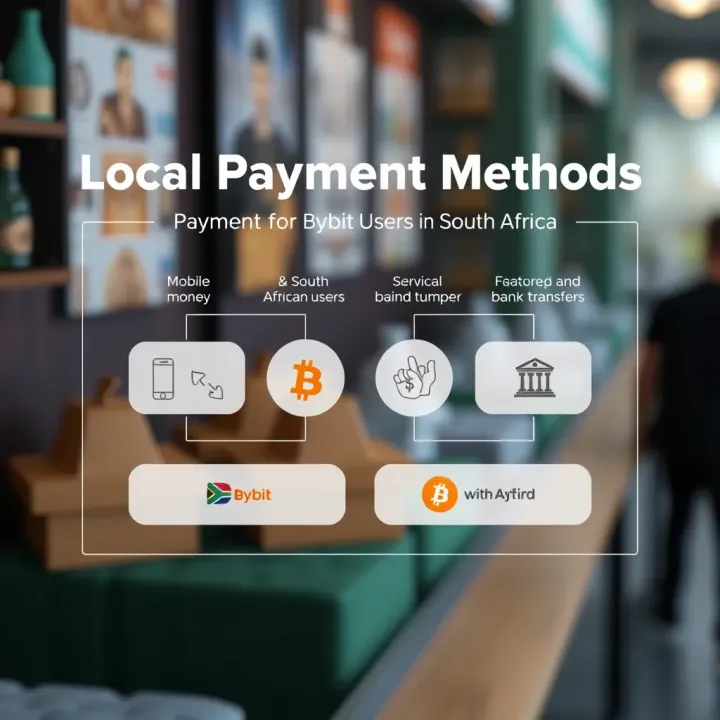
Another point of interest is by how traders can fund their accounts. Although Bybit primarily accepts deposits in cryptocurrency, South African users often rely on local exchange or peer-to-peer platforms to convert South African Rand (ZAR) to crypto before transferring to Bybit. While Bybit itself does not support M-Pesa directly, as some other platforms do, many crypto services in Africa offer conversion routes linking mobile money or bank payments to crypto wallets compatible with Bybit deposits.
User experience on Bybit is generally rated well, with a clean interface and robust trading tools such as advanced charting, order types, and an active community forum. Customer support is accessible in English, which works well for South African traders. Still, users should be ready for the occasional delay common with global platforms.
In summary: South African traders can access Bybit to tap into crypto derivatives markets, but without FSCA regulatory backing, they should exercise careful judgement. Using trusted funds conversion methods and understanding Bybit’s leverage features will help traders make informed decisions in this growing crypto scene.
Understanding Bybit and its growing appeal to South African traders sets the stage for a clearer perspective on how this platform fits in the local crypto ecosystem. This section tackles Bybit’s basics and why it continues to attract Kenyan users, highlighting features and benefits that matter most in this market.
Bybit is a cryptocurrency derivatives exchange that lets traders speculate on price movements without owning the underlying asset directly. It mainly offers contracts like futures and perpetual swaps for major cryptocurrencies such as Bitcoin, Ethereum, and others. Bybit operates on a leverage system, enabling traders to open positions bigger than their actual capital. For example, with 5x leverage, a KSh 10,000 investment controls KSh 50,000 worth of crypto contracts.
The platform runs primarily online via a user-friendly interface that supports real-time trading, chart analysis, and risk management tools. It distinguishes itself by offering fast order execution and relatively low trading fees compared to many other exchanges. For South African traders, this means a flexible way to engage in crypto markets with options to go long or short, depending on market conditions.
South African traders pick Bybit for several practical reasons. First, its leverage feature allows active traders to amplify potential returns, which suits personalities comfortable with higher-risk strategies. For instance, a trader expecting Bitcoin prices to rise can use Bybit’s leverage to increase exposure without committing a huge upfront capital, a benefit given the volatility typical of cryptocurrencies.
Plus, Bybit’s platform supports both desktop and mobile use, which aligns well with South African traders who often rely on their smartphones for internet access. Local payment methods like bank transfers or mobile money services help fund accounts, making deposits and withdrawals smoother in the South African context.
Security also plays a big role. Bybit employs strong encryption and cold wallet storage for clients’ assets, providing reassurance amid the rising concerns of cyber theft in crypto. This factor partly explains why many traders trust the platform despite its base outside South Africa.
Many South African users appreciate Bybit’s combination of leverage trading, responsive platform, and security features, which adapt well to local trading styles and financial habits.
On top of that, Bybit keeps adding features like staking and educational resources, helping traders diversify their approach and improve market knowledge. Such offerings increase the platform’s appeal beyond just straightforward trading.
In summary, Bybit offers South African traders an accessible, versatile way to participate in crypto futures that balances potential profits with solid technical support and security. This overview sets the foundation for further discussion on legal, operational, and practical details of using Bybit in South Africa.
Understanding the regulatory environment is key for any South African trader looking to use Bybit. Cryptocurrency trading in the country operates under a framework still taking shape, and knowing how regulations impact digital assets helps traders stay compliant and manage risks effectively.

South Africa’s main regulatory body, the South African Reserve Bank (SARB), alongside the Financial Sector Conduct Authority (FSCA), has been cautious but clear in recognising cryptocurrencies as financial assets. However, there is no specific law that governs cryptocurrencies as legal tender. Instead, the approach focuses on anti-money laundering (AML) and combating the financing of terrorism (CFT) rules to ensure safer trading practices.
This means exchanges and platforms serving South African traders must register with the Financial Intelligence Centre (FIC) as accountable institutions. For example, platforms are required to conduct Know Your Customer (KYC) checks and report suspicious transactions. Failure to comply can lead to hefty fines and potential suspension.
Meanwhile, the South African Revenue Service (SARS) treats profits from cryptocurrency trading as taxable income or capital gains, depending on the frequency and nature of trading. Traders should thus be ready to declare earnings and keep records for tax purposes.
Bybit operates as an international cryptocurrency exchange without a specific South African licence, but it aligns itself with global and regional regulations to protect users. Bybit enforces strict KYC procedures during account verification, helping prevent fraud and ensure adherence to AML laws. This compliance protects traders and adds credibility to the platform for South African users.
Additionally, Bybit implements robust security measures to guard user funds and data. While local regulators have not fully formalised direct regulation of platforms like Bybit, the exchange’s voluntary compliance with international standards reassures Kenyan and South African traders alike.
Traders using Bybit should remain aware of the evolving South African regulatory landscape, especially regarding taxation and money laundering rules, to avoid unexpected legal or financial challenges.
In a nutshell, Bybit operates with caution and respect for South African laws, but users must also take personal responsibility for compliance. Understanding current regulations—like registration with FIC and SARS tax obligations—helps ensure a smoother trading experience within South Africa’s digital asset market.
Setting up and verifying your Bybit account correctly is the first crucial step for any South African trader hoping to tap into cryptocurrency markets. The process ensures not only access to Bybit’s trading services but also aligns with local and international regulations designed to protect both the platform and users.
Starting with account creation, South African users can easily sign up on Bybit’s website or mobile app. The registration requires providing a valid email address and creating a strong password. Bybit offers a quick signup process, allowing you to trade almost immediately after registering. However, to unlock full features and higher withdrawal limits, completing the identity verification is essential.
Once registered, South African users should navigate to the account verification section to submit required documents. Verification not only boosts trading limits but also adds an extra layer of security to your account, helping avoid issues like account suspension due to suspicious activity.
Bybit follows Know Your Customer (KYC) procedures, meaning South African traders must provide proof of identity and proof of residence to comply with global anti-money laundering (AML) policies. Typical documents include:
A clear copy of your South African ID or passport.
A recent utility bill or bank statement showing your residential address, dated within the last three months.
This process might seem like a hassle, but it protects your funds and keeps the platform trustworthy. For example, if you are a trader from Johannesburg, scanning your ID and uploading a recent municipal bill helps confirm your location and identity.
Once submitted, Bybit’s system usually verifies documents within 24 to 48 hours. Users receive a notification by email or app message once the account is verified. Until then, deposits and withdrawals may face restrictions.
Completing KYC verification promptly can save you from delays when trying to withdraw profits or increase trading limits.
In summary, South African traders will find Bybit’s account setup and verification process straightforward and secure. Following these steps ensures compliance with regulations and opens the door to a smoother trading experience on the platform.
Funding your account is a vital step when trading on Bybit, especially for South African users who need smooth and reliable payment channels. Knowing which deposit and withdrawal methods are supported locally helps you avoid delays, high fees, and unnecessary complications. Bybit offers various options that fit the realities of South African traders, making it easier to move funds into and out of the platform.
Bybit accepts several deposit and withdrawal methods for South African users, primarily cryptocurrencies and some direct fiat gateways. Deposits usually involve sending crypto assets like Bitcoin (BTC), Ethereum (ETH), and Tether (USDT) directly to your Bybit wallet. South African traders find this method quick and cost-effective, especially since local banks still restrict direct crypto transactions.
For withdrawing funds, Bybit supports crypto transfers back to your own wallets. However, withdrawing South African rand (ZAR) directly from Bybit to a local bank account is generally unavailable as Bybit does not operate as a local fiat exchange. South African traders commonly withdraw cryptocurrencies, then convert them into rand using local peer-to-peer platforms or crypto exchanges like VALR or Luno.
M-Pesa, popular in East Africa, is not yet directly integrated with Bybit in South Africa. Still, you can use M-Pesa to buy cryptocurrencies through local brokers or platforms that accept mobile money before sending those coins to your Bybit wallet. This workaround is practical for traders without easy access to traditional bank transfers.
Bank transfers remain the most familiar method for many South Africans, but direct bank deposits to Bybit are limited. You can fund your Bybit account by first purchasing cryptocurrencies through local exchanges that accept bank deposits, then sending these coins to Bybit. This adds steps, but it’s currently the safest and most compliant approach.
Other channels like credit or debit card payments are offered on Bybit but usually come with higher fees and might not support ZAR directly. It’s wise to check all applicable charges before opting for card payments.
South African crypto traders should plan their funding route carefully, as direct rand deposits on Bybit are limited. Using local exchanges or peer-to-peer platforms combined with M-Pesa or bank transfers often provides the best mix of convenience and compliance.
In summary, South African users typically fund their Bybit accounts through crypto deposits bought elsewhere using local payment methods like M-Pesa (via brokers) or traditional bank transfers on local exchanges. Withdrawals follow a similar path in reverse, requiring some familiarity with converting crypto back to rand safely. Understanding these payment nuances is key to smooth trading on Bybit from South Africa.
Trading cryptocurrency on Bybit offers a range of features tailored to South African traders, but understanding the user experience and inherent risks is key before diving in. This section covers what local users can expect from the platform and how they can protect themselves while making the most of Bybit’s offerings.
Bybit’s platform provides several tools convenient for South African traders, including spot and derivatives trading with leverage up to 100x. This high leverage can magnify profits, but also increases potential losses, so it’s best approached with caution. The platform supports multiple cryptocurrencies popular in Kenya and South Africa, such as Bitcoin (BTC), Ethereum (ETH), and Tether (USDT).
Moreover, Bybit offers a clean, user-friendly interface that works well even with lower internet speeds, which is beneficial for users outside Nairobi and other major urban centres. The availability of mobile apps for Android and iOS means you can trade on the go — a useful feature considering how many Kenyans rely on mobile internet.
South African traders also appreciate Bybit’s demo trading option. It lets you practice strategies without risking real money, which is ideal for beginners getting used to volatile markets. In addition, Bybit provides access to live charts, technical indicators, and API integration, catering to experienced traders and algorithmic trading setups.
Bybit has invested heavily in security to protect user funds and personal data. It employs cold wallets for the majority of deposits, minimising risks from hacking attempts. Two-factor authentication (2FA) is mandatory, encouraging users to add an extra layer of security beyond passwords.
For South Africans, this is valuable because cybercrime is a growing concern locally, especially with increasing use of internet banking and mobile apps. The platform also runs regular security audits and has insurance funds to cover losses from unforeseen breaches or trading glitches.
Customer support is accessible 24/7 via live chat and email, helping users quickly resolve issues that may arise during trading or account management.
Cryptocurrency trading carries risks worldwide, but South African traders should be mindful of some local considerations. Volatile exchange rates between the South African rand (ZAR) and other currencies can affect your actual gains or losses. Also, regulatory uncertainties in Southern Africa can impact how platforms like Bybit operate or your ability to withdraw funds smoothly.
The risk of phishing scams and fake websites targeting Kenyan and South African users is real. Always ensure you use the official Bybit site or app and enable 2FA. Another point is the leverage feature; while tempting for big returns, it can easily wipe out your capital fast if you don’t manage your trades carefully.
Remember, responsible trading means researching strategies, keeping track of market trends, and never investing more than you can afford to lose.
In summary, Bybit offers a robust trading experience suitable for South African users provided they understand the platform’s features and risks. With sound risk management and security measures, traders can navigate the crypto markets with greater confidence.
Explore crypto trading in South Africa 🇿🇦: understand how it works, local risks, key regulations, and top platforms to trade safely and confidently with Rands.

Learn how peer-to-peer (P2P) trading works in South Africa 🇿🇦 including platform types, safety tips, legal advice, and its impact on the local economy 📈.

Explore synthetics trading in South Africa 🇿🇦: how synthetic assets are created, traded and regulated with key benefits and risks explained clearly.

Explore Quotex trading in South Africa 🇿🇦: learn account setup, smart strategies, risk control, and tips for confident, effective trading decisions on this platform.
Based on 7 reviews