

Choosing Brokers for Synthetic Indices Trading in Kenya
🌍 Discover how Kenyan traders can choose reliable brokers for synthetic indices. Learn about key factors, regulations, risks, and practical trading steps to trade smartly.
Edited By
Daniel Morgan
For Kenyan investors looking to step into trading or expand their portfolio, picking the right broker can make a big difference. It’s not just about accessing markets, but also about safety, costs, ease of use, and good customer support. This introduction sets the stage for understanding how to choose a trading broker that fits your needs and helps you trade confidently.

A good broker acts as your bridge to the stock market, forex, commodities, or other investments. The wrong choice can lead to higher fees, poor trading platforms, or even risks to your capital if the broker isn’t properly regulated. On the flip side, the right broker offers transparency, competitive fees, and tools that give you an edge.
Before diving in, keep these points in mind:
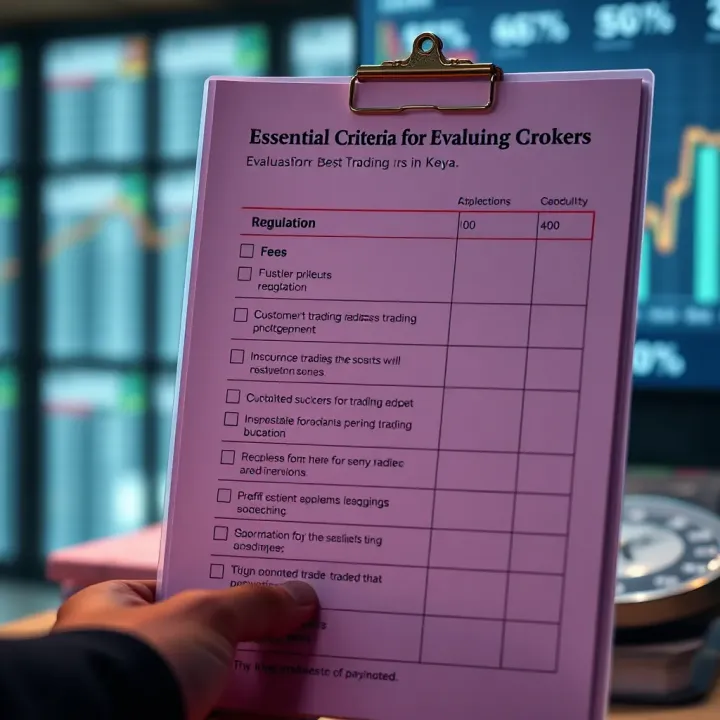
Regulation and Licensing: Ensure the broker is authorised by the Capital Markets Authority (CMA) in Kenya or recognised international bodies like the FCA (UK) or CySEC (Cyprus). Regulatory approval reduces chances of fraud.
Cost Structure: Look beyond just commissions; check spreads, withdrawal fees, and inactivity charges. Low costs improve your overall returns.
Trading Platforms: The software must be reliable and user-friendly. Platforms like MetaTrader 4/5, cTrader, or proprietary systems should suit your trading style.
Available Assets: Choose brokers that offer the types of instruments you want, whether equities, forex, or commodities.
Customer Support: Responsive local support in Kenya can save you time and avoid frustrations.
"Trading with a reliable broker safeguards your investments and makes the process smoother – a key step before putting your money on the line."
For example, a Nairobi-based investor wanting to trade forex may prefer brokers regulated by CMA or well-regarded global firms with local support. They might compare fees on FX pairs, check platform mobile compatibility for trading on the go, and read user reviews on service quality.
In this guide, you’ll find how to evaluate those elements in detail, letting you pick a broker that fits your budget, trading ambitions, and comfort.
Next, we will explore what licenses really mean and why regulation matters in everyday trading decisions.
Choosing a reliable trading broker is the foundation for successful investing. Reliable brokers protect your funds, offer fair trading conditions, and provide the support needed to make informed decisions. Especially for investors in Kenya, understanding what makes a broker trustworthy can help avoid costly mistakes and safeguard your investments.
Kenya’s Capital Markets Authority (CMA) regulates brokers operating locally to ensure transparency and investor protection. A broker registered with the CMA follows strict rules to prevent fraud, safeguard client funds, and maintain fair trading practices. For example, brokers approved by the CMA typically keep client money in separate trust accounts, so even if the broker faces financial trouble, your investment is protected. Trading with a licensed broker also means you can report any dispute to the CMA for resolution, an option that does not exist with unlicensed brokers.
Some brokers operate internationally but accept Kenyan clients. Licences from regulators like the UK’s Financial Conduct Authority (FCA), Australia’s ASIC, or Cyprus Securities and Exchange Commission (CySEC) show they meet global standards. These licences provide a level of oversight and investor compensation schemes that Kenyan investors can trust, especially when the broker is not locally licensed. However, it’s vital to check if these brokers comply with Kenyan laws as well, since legal protection may vary.
Trading with unregulated brokers exposes investors to serious risks. These brokers might manipulate prices, refuse withdrawals, or even disappear with your money. Cases of fake brokers scamming Kenyans have increased due to the ease of online platforms. Without proper regulation, there is little to no recourse if things go wrong. Always avoid brokers who cannot show a valid licence or registration, even if they promise unusually high returns or zero fees.
Checking broker reputation involves looking beyond flashy ads. You can verify their registration status on the CMA website or on international regulator databases. Also, search for user reviews on trusted financial forums or social media groups focused on Kenyan investors. For example, discussions on platforms like Twitter or specialised WhatsApp trading groups often reveal recent user experiences. Credible brokers consistently receive positive feedback about timely payouts, transparent fees, and effective customer service.
Beware of brokers with little or no public information, negative feedback about withdrawal delays, or pressure to deposit large sums quickly. Watch out for promises of guaranteed profits or strategies that sound too good to be true. If customer support is hard to reach or only available in limited hours not aligned with Kenyan trading times, this might signal poor service. Also, check if a broker’s website looks unprofessional or has errors, as this often reflects their overall reliability.
Always prioritise brokers with clear regulatory standing and solid reputation. This approach shields your interests and builds your confidence in the trading process.
Selecting a trustworthy broker goes beyond just fees or platform features; it’s about protecting your capital and trading with peace of mind. Kenyan investors who confirm a broker’s licencing and reputation reduce the risk of falling victim to scams and make better investment choices.
When selecting a trading broker, it's not just about who offers the lowest fees or fanciest platform. You need to weigh several key features that impact your trading experience and results directly. This helps you avoid surprises like high transaction costs or clunky tools that slow you down. For instance, a well-designed platform can make spotting opportunities easier, and the variety of assets available can determine if your investment goals are achievable.
A trading platform with a clear, intuitive interface saves you time and hassle. You want to find brokers that offer easy navigation so you can quickly execute trades without getting lost in menus or confusing features. For example, some platforms like MetaTrader 4 or 5 are popular for their simplicity plus advanced functionality. Kenyan traders often appreciate interfaces available in English and Swahili to make sense of important terms swiftly.
In Kenya, many traders rely heavily on their mobile phones. So, it's vital that your broker’s platform works seamlessly on both desktop and mobile devices. A good mobile app allows you to trade anytime, whether you’re commuting by matatu or at a nyama choma spot. Plus, desktop platforms usually offer more detailed analysis tools, so having both options gives you flexibility depending on your situation.
Smart traders use charts and indicators to make informed decisions. Brokers should offer a range of chart types (candlestick, line, bar) and technical analysis tools like moving averages or RSI (Relative Strength Index). Without these, you're basically trading blind. For example, if you want to dabble in forex, being able to analyse daily trends on charts can make a huge difference.
Brokers often charge fees via spreads or commissions, sometimes both. A spread is the difference between the buy and sell price, while commissions are fixed fees per trade. Some brokers offer zero-commission accounts but might widen the spreads. Kenyan investors need to carefully review these as hidden fees can eat into profits.
Spreads directly impact your break-even point. For instance, if the spread on a forex pair is 3 pips, the price needs to move by at least that before you start making money. Brokers with tight spreads give you a better chance of profit, especially if you trade frequently or prefer short-term trades. However, always double-check during different market times, since spreads can widen after hours.
Watch out for other charges such as withdrawal fees, inactivity fees, or currency conversion costs. In Kenya, funding accounts via M-Pesa or bank transfers might attract small charges. Also, trading foreign assets could involve currency exchange fees, so it's wise to factor these into your cost calculations before settling on a broker.
A diverse range of assets helps you spread risk and explore different markets. Most brokers offer access to major stock exchanges, forex pairs, commodities like gold and oil, and indices such as the NSE 20. For example, if you want to invest in East African companies alongside global stocks, check if the broker supports those markets.
Interest in cryptocurrencies is growing in Kenya, but not all brokers offer crypto trading. If you want to invest in Bitcoin, Ethereum, or other coins, ensure your broker supports them. Keep in mind that crypto markets are highly volatile, and some brokers provide special tools for managing these risks.
Consider your preferred style: day trading, long-term investing, or options trading. Some brokers tailor their offerings accordingly. For instance, day traders need fast execution and low spreads, while long-term investors might look for more research tools and retirement account options. Understanding this helps pick a broker that matches how you want to trade.
Choosing the right broker means balancing platform usability, costs, and asset options to fit your unique trading approach. Evaluate these features closely to build a foundation for success in the Kenyan market.
Customer support is a deal-breaker when choosing a trading broker, especially in Kenya where timely help can mean the difference between seizing a market opportunity or losing out. Reliable support ensures you can resolve technical glitches, clarify trading terms, or manage your account without long delays. It's not just about having contact options but also about how responsive and knowledgeable that support team is.
Live chat, phone, and email options give you multiple ways to reach your broker's support. Live chat is usually the fastest, allowing quick back-and-forth messages if you face issues during trading hours. Phone support helps when you need to discuss complex concerns, such as withdrawal problems or account verification, where immediate verbal communication is better. Email support serves well for less urgent queries or when attaching documents is necessary. Brokers offering all three channels demonstrate readiness to meet client needs in different situations.
Support during Kenyan trading hours is key because financial markets have active hours based on time zones. For example, trading in Nairobi typically aligns with London or New York sessions. If a broker's support team operates primarily outside these hours, you risk delayed responses right when you need help most. Kenyan investors should prioritise brokers who ensure support coverage from at least 8 am to 5 pm EAT. This way, whether you trade early in the morning or late afternoon, help is accessible.
Local language support considerations mean brokers who provide assistance in English and, ideally, Swahili can bridge communication gaps. While English is Kenya's official business language, some traders may feel more confident explaining technical problems or financial concerns in Swahili. Brokers offering bilingual support connect better with a wider client base and can prevent misunderstandings, which is crucial during high-pressure trading situations.
Access to tutorials and webinars equips traders with knowledge to make informed decisions. Good brokers provide step-by-step guides, video tutorials, and regular live webinars covering topics like market analysis, platform use, and risk management. This is especially helpful for new investors or those exploring advanced trading strategies. For instance, a broker hosting a weekly webinar on forex basics could save you from costly mistakes early on.
Personalised account support means having a dedicated account manager or support agent familiar with your trading history and needs. Instead of generic replies, this service offers tailored advice on optimising trades, managing margins, or using specific platform features. For Kenyan investors dealing in multiple asset classes or international markets, personalised support can streamline problem-solving and boost confidence.
Community forums and social media provide platforms where traders share experiences, tips, and alerts about broker reputation or platform issues. Active and well-moderated forums are valuable resources to gauge a broker’s service quality from real users. On social media, responsive brokers who address complaints publicly exhibit transparency and commitment. Participating in such communities can help Kenyan traders stay alert to market developments and broker updates.
Ultimately, solid customer support is about more than just answering questions—it underpins trust and smooth trading operations, so never overlook its role in your broker choice.
Opening a trading account in Kenya is a straightforward process, but it requires careful preparation to ensure compliance and smooth transactions. Understanding the necessary steps helps investors avoid delays and frustration, especially when dealing with local regulations and payment systems. This section breaks down the key elements you need to get started with trading through reputable brokers.
Trading brokers in Kenya need valid proof of identity to verify your identity and protect against fraud. Commonly accepted documents include a Kenyan national ID card or passport. Proof of address is equally important; utility bills dated within the last three months or bank statements usually work. This process, often called Know Your Customer (KYC), is essential to comply with the Capital Markets Authority (CMA) regulations and prevent money laundering.
The practical benefit is that once your documents are verified, you gain access to full trading services without restrictions. For example, a trader using Safaricom’s M-Pesa must first submit verified documents to uplift deposit limits and withdrawal options safely.
Your Kenya Revenue Authority (KRA) Personal Identification Number (PIN) is compulsory when opening a trading account. Brokers need your KRA PIN to ensure you meet tax obligations on gains or dividends earned. Without it, account setup may stall or restrict your ability to trade.
Submitting your KRA PIN also signals to brokers and regulators that you're compliant with tax laws, making it easier to integrate your trading activities with broader financial reporting. For instance, brokers often report trade gains to KRA, helping you avoid tax troubles later.
Verification generally takes between one to five working days, depending on the broker and your document submission speed. Some brokers offer instant verification through automated systems if you upload clear scans or photos. However, manual checks—especially for first-time traders—might take longer.
It’s wise to plan ahead and submit all required documents promptly to avoid unnecessary delays, particularly if you want to catch market opportunities. For instance, popular international brokers with Kenyan offices may have faster turnarounds, enhancing your trading responsiveness.
M-Pesa is by far the most convenient and widely accepted payment method for Kenyan traders. Many brokers support M-Pesa deposits and withdrawals, making funding your trading account quick and hassle-free. Using M-Pesa, you avoid lengthy bank procedures and can transact any time, even during off-hours.
Bank transfers remain a solid alternative, especially for larger amounts. Transfers from local banks such as Equity Bank or KCB are generally safe but may take longer — usually one to two business days. Choosing a funding method depends on your trade size and need for speed.
Some brokers accept debit and credit card payments, which can be suitable for quick deposits. Cards issued by Kenyan banks like Co-operative Bank or NCBA are commonly supported. However, card payments might attract extra fees and may have lower limits than M-Pesa or bank transfers.
Also, ensure your card supports international payments if dealing with brokers outside Kenya. This avoids declined transactions or unforeseen charges from your card provider.
Be aware that brokers often set minimum and maximum deposit limits. For example, some may require at least KS0,000 to open an account. Exceeding daily deposit limits on payment services like M-Pesa can also affect your ability to fund your account instantly.
Currency is another consideration. While many Kenyan brokers deal directly in Kenyan Shillings, international brokers typically operate in USD, EUR, or GBP. This means currency conversions will apply, possibly with added costs. For example, depositing KS00,000 with a USD-based broker may result in conversion fees, so check rates before transacting.
Opening a trading account in Kenya blends regulatory compliance with practical payment choices. By preparing your documents and selecting suitable funding options, you position yourself to trade confidently and efficiently.
Choosing the right trading broker is key for Kenyan investors who want to trade confidently and effectively. This section looks at the main trading brokers Kenyan investors can access, highlighting both local and international options. Understanding these choices helps investors find brokers that suit their goals, whether it's complying with local regulations or tapping into global markets.
Several brokers are registered and regulated by the Capital Markets Authority (CMA) in Kenya. These brokers operate within the Kenyan market, offering stocks listed on the Nairobi Securities Exchange (NSE) and other local assets. Examples include firms like Standard Investment Bank, African Alliance Kenya, and ICEA Lion Asset Management. Choosing a locally registered broker ensures adherence to Kenyan laws, making KYC and tax compliance smoother.
Local brokers provide easier access to government-mandated services such as tax reporting with Kenya Revenue Authority (KRA), and often support M-Pesa payments directly, making deposits and withdrawals hassle-free. Customer support is usually available during Kenyan business hours, sometimes in Swahili or other local languages, which adds convenience. These brokers might also offer investment products tailored to local investor needs, like treasury bills or government bonds, aligning better with Kenyan market dynamics.
International brokers such as IG, Saxo Bank, and eToro allow Kenyan investors to access wide-ranging asset classes including global stocks, commodities, forex, and cryptocurrencies. They often provide advanced trading platforms with sophisticated tools and analytics that go beyond what local brokers offer. For Kenyan investors keen on diversifying internationally, such brokers open up markets in the US, Europe, and Asia, offering better opportunities for portfolio growth.
Trading with international brokers means dealing with multiple currencies, primarily the US dollar or euro. Kenyan investors must consider exchange rate fluctuations which affect both deposits and withdrawals. Some brokers charge conversion fees or limit the payment methods available, which can add to trading costs. Also, international brokers might not integrate well with local payment options like M-Pesa, requiring reliance on bank transfers or cards. Understanding these factors is essential to avoid unexpected charges and delays.
Whether you choose a local or international broker, aligning your choice with your investment goals, regulatory comfort, and payment convenience will lead to a smoother trading experience.
In short, Kenyan investors have a growing range of broker choices that fit different strategies and budgets. Local brokers offer familiarity and ease of use, while international brokers provide access to broader markets and advanced tools. Assessing these options helps investors trade smarter with fewer obstacles.
🌍 Discover how Kenyan traders can choose reliable brokers for synthetic indices. Learn about key factors, regulations, risks, and practical trading steps to trade smartly.

🔍 Learn how to choose a reliable broker for trading the Volatility Index (VIX) in Kenya. Explore regulation, spreads, platforms & tips for smarter trades.

Learn how to pick the right binary options platform in Kenya 🇰🇪, understand risks, use M-Pesa for deposits, and start trading confidently in the local market 📈.

Explore top brokers with $1 minimum deposits 💰, weigh benefits and risks, and learn how Kenyan traders can start investing affordably in dynamic markets 🌍.
Based on 7 reviews