

Deriv Trading Guide for Kenyan Investors
📊 Deriv trading guides Kenyan investors through simple contracts to trade price moves, manage risks & use local payments like M-Pesa. Learn practical steps today!
Edited By
Emily Watson
Trading platforms have changed the way investors and traders operate, with tools like Deriv and TradingView reshaping how decisions are made. Deriv offers a reliable platform for trading various markets, while TradingView provides powerful charting and technical analysis capabilities. Bringing these two together opens a new world of automation and informed trading strategies.
In Kenya, where many traders rely on real-time data and seamless execution to navigate volatile markets, integrating Deriv with TradingView can be a handy advantage. This combination enables you to test trading ideas on TradingView charts and automate execution directly on Deriv, reducing delays and human errors.
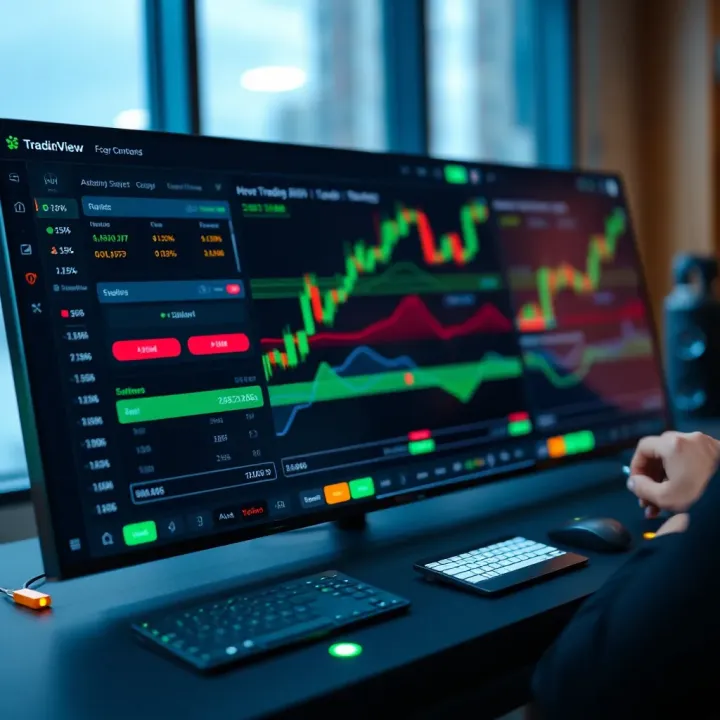
This practical guide will walk you through the key steps to set up this integration. You will learn how to connect the Deriv API to TradingView, create and backtest trading strategies using Pine Script, and manage risk effectively within this system. Whether you focus on forex, commodities, or synthetic indices available on Deriv, the approach is similar and adaptable.
Before starting, ensure you have active accounts on both platforms, as well as basic familiarity with TradingView’s scripting language (Pine Script). Proper setup will require API credentials from Deriv and configuring webhook alerts from TradingView to trigger trades automatically. With clear instructions, you can avoid common pitfalls such as incorrect API settings or faulty strategy logic.
Automating your trades through TradingView charts connected to Deriv boosts speed and consistency. You avoid missing opportunities caused by manual order placing or delays, especially important during fast-moving market hours in Nairobi or Mombasa.
Most importantly, always balance automation with solid risk management. Kenyan traders benefit from setting stop-losses and take-profit limits within the automated scripts to protect capital, especially in less liquid hours.
In the next sections, we’ll break down each stage step-by-step to help you implement a smooth, functional trading setup tailored to Kenya’s growing digital trading scene.
Grasping how Deriv trading works alongside TradingView is vital for traders looking to boost their strategy and execution. Deriv offers a reliable platform for online trading, particularly popular in Kenya for instruments like forex, synthetic indices, and commodities. On the other hand, TradingView is a powerful charting and analysis tool that provides detailed technical charts, indicators, and scripting capabilities. Both platforms serve different but complementary needs. Without understanding their core functions, traders may miss opportunities to automate and optimise their trades effectively.
Deriv is an online broker that provides access to a variety of financial markets through CFD (Contract for Difference) trading. It stands out with its clean interface, a broad range of trading options, and user-friendly features tailored for both beginners and experienced traders. Key offerings include options trading with expiry times as short as a minute, synthetic indices that simulate market movements 24/7, and forex pairs. For example, a trader in Nairobi might use Deriv to speculate on EUR/USD currency pair movements with relatively low spreads and leverage options. The platform also supports API access, enabling programmers to automate trade execution.
TradingView is known for its highly customisable and intuitive charting environment. Its strengths lie in real-time data feeds, hundreds of technical indicators, and an active community that shares trading ideas and scripts. Traders can create and test their strategies using Pine Script, TradingView's proprietary scripting language. For instance, a trader following the NSE 20 Index might use TradingView to plot moving averages and RSI (Relative Strength Index) to gauge entry and exit points. Unlike many brokers, TradingView focuses on analysis rather than order execution but integrates well with platforms like Deriv through API connections.
Integrating Deriv with TradingView bridges analysis and execution gaps. While TradingView helps with deep technical analysis and strategy development, Deriv provides a trading environment with fast execution and a variety of instruments. A practical benefit is using TradingView’s alerts to trigger trades on Deriv automatically, saving time and reducing manual errors. Kenyan traders can automate their strategies, react to market shifts swiftly, and employ risk management features native to Deriv. Together, they form a powerful duo: TradingView’s charts guide decisions, and Deriv’s platform makes actual trades happen smoothly.
Combining these platforms effectively means less guesswork and more structured trading, especially useful in volatile markets or when managing multiple positions.
Understanding each platform’s strengths helps set clear expectations and prepares traders for technical integration steps that follow in this guide.
Getting ready to connect Deriv trading with TradingView charts is a vital step to ensure smooth and efficient trading. This preparation sets the foundation for automating your trading strategies and tapping into real-time market data. Without proper setup, you risk facing integration issues or missing chances to optimise your trades effectively.
Firstly, you need a verified Deriv account with trading permissions. Ensure your account is fully active by completing the KYC (Know Your Customer) requirements, which is mandatory in Kenya and beyond for legal compliance. Once verified, apply for API access within your Deriv dashboard. The API (Application Programming Interface) allows your TradingView scripts to communicate with Deriv’s trading backend securely. Obtain your unique API token carefully and keep it safe; this token acts like a password granting automated control over your account. For instance, if you're trading forex contracts on Deriv, the API link will help execute trades directly from your TradingView charts at your preset conditions.

TradingView is where you create, test, and visualise your trading strategies before going live. Start by setting up chart layouts tailored to the Deriv market you want to trade, say, synthetic indices or forex pairs. Use TradingView’s built-in indicators and drawing tools to analyse price movements clearly. Next, write or customise Pine Script codes to reflect your trading logic. This scripting will instruct the platform when to send buy or sell signals via the Deriv API. Configuring alerts on TradingView is also crucial; these alerts trigger your trading actions automatically as conditions meet during live market sessions. For example, setting an alert when RSI crosses overbought levels can prompt an API-triggered sell order.
Connecting Deriv with TradingView mainly involves Pine Script and some external programming to handle API requests, typically using Python or JavaScript. Pine Script is TradingView’s own language designed specifically for building custom indicators and automated strategies on the charts. However, since TradingView cannot natively send HTTP requests to Deriv’s API, you’ll need a middleware—a lightweight server or script written in Python or Node.js—to receive signals from TradingView alerts and execute trades on Deriv.
To sum up:
Deriv API token for secure access
Pine Script for strategy logic and real-time alerts
Python or JavaScript as a bridge to handle API communication
Ensuring these setups before trading helps avoid technical hiccups and allows you to focus on refining your strategies with confidence.
By preparing your Deriv account, configuring TradingView properly, and understanding the programming requirements, you position yourself well to automate trades effectively in the Kenyan market context.
Integrating the Deriv API with TradingView charts is central to automating and optimising trading strategies. This connection lets you execute trades, fetch real-time market data, and monitor positions directly from TradingView’s powerful charting interface. For Kenyan traders, this integration means more precise decision-making without having to toggle back and forth between platforms — saving time and reducing errors.
Deriv offers several API endpoints essential for trading activities. Key endpoints include active symbols, which list all available markets; ticks, providing the latest price data; price proposals, for generating trading contract quotes; and trade operations, to place, modify or close trades. Using the right endpoints ensures your TradingView strategy can fetch accurate live data and send orders effectively.
For example, when you use the ticks endpoint, you get near-instant price updates, letting your automated strategy respond quickly to price movements. Active symbols help you dynamically populate your chart with the right instruments, whether forex pairs, commodities, or synthetic indices.
Obtain your Deriv API token from your Deriv account dashboard to authenticate requests.
In TradingView, use Pine Script alongside external webhooks or a custom intermediary server to interface with Deriv’s REST or WebSocket API.
Write functions to pull live data from Deriv’s ticks endpoint and feed this into your TradingView charts.
Program trade execution commands in your script by sending requests to Deriv’s trading endpoints whenever your strategy conditions are met.
Test the connection with mock trades in a demo account before switching to live trading.
For instance, your Pine Script can trigger a buy order through the API when your moving average crossover indicates a bullish trend, automating the entire process seamlessly.
Connectivity issues, authentication errors, and data latency are common hurdles. Ensure your API token is valid and has correct permissions. If data updates are delayed, check that your WebSocket connection remains open and stable; intermittent drops may require automatic reconnection logic.
Debugging trade execution errors involves careful monitoring of API response messages. For example, if a request fails due to incorrect parameters, adjust those and resend. It’s also wise to implement logging for both requests and responses to track what happens during script runtime.
Consistent monitoring and clear error handling can dramatically reduce downtime and improve your confidence in automated trades.
By understanding Deriv’s API endpoints, following a clear integration process, and preparing for common technical issues, Kenyan traders can build a reliable automated trading setup using TradingView. This setup not only streamlines trading but also improves the accuracy and speed of execution critical in the fast-moving markets.
Developing and testing trading strategies on TradingView is central when using Deriv for automated trading. This process lets you build a clear set of trading rules and check how they would perform before risking real money. For Kenyan traders, who might be cautious with new systems, this step reduces guesswork and sharpens decision-making by relying on data, not just gut feeling.
Pine Script is TradingView’s own scripting language designed to write custom indicators and trading strategies. It’s straightforward but powerful, allowing you to automate buying and selling conditions. For example, you might code a simple moving average crossover strategy: buy when the short-term average crosses above the long-term average and sell when it crosses below. Once coded, Pine Script can generate alerts or be linked to Deriv’s API to trigger trades automatically. This automation cuts down delays and emotions that often affect manual trading.
Backtesting involves running your Pine Script strategy on past market data to see how it would have performed. This gives you insights into profitability, risk levels, and whether the strategy copes well with different market conditions. For instance, if you test a momentum strategy on forex pairs during the Kenyan market’s typical active hours, the results will be more relevant to your trading window. Backtesting tools on TradingView show detailed reports, helping you adjust parameters for better outcomes before live trials.
After backtesting, forward testing or paper trading helps validate the strategy in real-time without risking actual funds. TradingView’s Simulated Trading mode lets you apply your strategy on live charts, monitoring how it behaves under current market dynamics. This step is critical because markets evolve, and a strategy that worked well historically may need tweaks to handle present volatility or trends. Successful forward testing increases confidence in the strategy’s robustness before linking it fully to Deriv’s live trading.
Developing, backtesting, and forward testing strategies ensure you’ve covered your bases. It’s best to think of this as rehearsing carefully for a play rather than stepping directly on stage.
By following these practical steps, Kenyan traders can make more informed choices and maximise the benefits of integrating Deriv with TradingView. The key lies in methodical testing and continuous refinement, rather than rushing into live automated trades blindly.
Risk management is the backbone of automated trading, especially when linking Deriv with TradingView for Kenyan traders. Without clear risk controls, even the best trading strategies can suffer heavy losses. Automation speeds up trade execution but also means errors can multiply quickly unless you fine-tune your safeguards.
Setting stop-loss and take-profit points directly through TradingView lets you control how much money you risk on each trade. For example, if you buy a Deriv binary option at KS,000, you might want to limit losses to a maximum of 5% by placing a stop-loss order accordingly. Take-profit orders automatically close your position once it hits a certain profit level, locking in gains without needing to monitor trades constantly.
TradingView’s Pine Script allows you to embed these limits into your trading strategy code. This way, your trades on Deriv will follow those rules without manual interference, reducing emotional decision-making. Kenyan traders can benefit by preserving their capital during volatile sessions, such as around economic reports or NSE activity spikes.
Automated trading is not a set-and-forget deal. It’s essential to track how your strategies perform routinely and adjust them when necessary. For instance, if a momentum strategy loses steam during rainy season when market volumes drop in East Africa, tweaking your entry points or risk exposure makes sense.
Use performance metrics like win-loss ratio, drawdown, and return on investment to assess your trading scripts on TradingView. Having alerts for unusual behaviour helps spot when real-time market shifts hurt your positions, letting you pause or modify your automated rules. Regular review ensures the bot adapts with changing market conditions rather than running blindly.
Automation should enhance your trading, not put your whole account on the line.
Start with small trade sizes when launching new automated strategies. Testing in demo mode or with modest stakes limits risk while you familiarise yourself with how Deriv and TradingView interact. Avoid using too much leverage, which can quickly drain your account even if your system looks promising.
Keep backup controls outside automation—manual kill switches or alerts via mobile can help you step in if the script behaves unexpectedly. Also, diversify strategies rather than rely on one approach, balancing different assets or timeframes.
Finally, stay updated with Deriv API changes or TradingView updates that might affect your automation setup. Community forums and local Kenyan trader groups can be good resources to catch issues early and share tips.
Risk management and optimisation demand discipline but pay off by making your automated trading on Deriv through TradingView more resilient and profitable in the long run. They are not just add-ons but vital parts of any practical trading system you rely on.
📊 Deriv trading guides Kenyan investors through simple contracts to trade price moves, manage risks & use local payments like M-Pesa. Learn practical steps today!

Explore how Deriv's withdrawal limits affect your trading funds in South Africa 🇿🇦. Get practical tips on managing withdrawals smoothly and avoid delays 💸.

📊 Master demo trading accounts to practise safely without risking KSh. Learn how to pick the best demo account for Kenyan markets and avoid common mistakes.

📈 Learn how derivatives work on Deriv x, with clear steps, risks, and benefits for Kenyan traders. Start trading confidently with local insights and practical tips.
Based on 15 reviews