
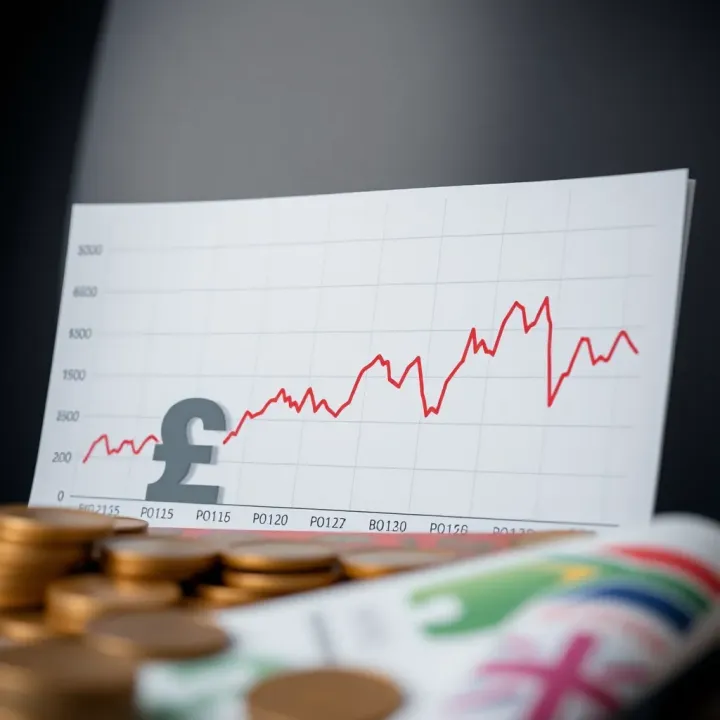
Pound to Rand Outlook and Key Drivers
Explore the Pound to Rand forecast 📉💷💰 with insights on past trends, key economic factors, and expert tips for smart decisions in SA currency moves.
Edited By
Charlotte Greene
Understanding the EUR/GBP exchange rate is key for anyone involved in trading, investing, or managing financial risks linked to the Euro and British Pound. The EUR/GBP pair reflects how many British Pounds one Euro can purchase, influenced by multiple factors that shift daily.
Economic indicators from both the Eurozone and the United Kingdom heavily influence this rate. For instance, GDP growth rates, inflation figures, and employment data can move the pair significantly. In April 2024, when the UK's inflation showed signs of slowing faster than expected, the Pound strengthened against the Euro. Traders who followed these indicators closely could adjust their positions accordingly.

Central bank policies play a crucial role as well. The European Central Bank (ECB) and the Bank of England (BoE) adjust interest rates and engage in asset purchases that directly affect currency strength. When the BoE signals a likely rate hike before the ECB, the Pound tends to appreciate due to expected higher yields attracting investors.
Political developments also mould the EUR/GBP outlook. Brexit aftershocks, UK government fiscal policies, and Eurozone political stability all create waves in the exchange rate. For example, uncertainty around UK domestic politics in recent years caused notable volatility.
Global events and external shocks—from commodity price swings to geopolitical tensions—add further layers of complexity. The EUR/GBP reacts not just to local news but also to actions in neighbouring markets and worldwide trends.
For those trading EUR/GBP, following these drivers in real time allows smarter decision-making. Understanding when economic reports or political announcements are due can provide critical timing advantages.
To sum up, staying informed on economic data releases, central bank announcements, and political news is crucial to grasping where the EUR/GBP sits today and where it might head next. This article will explore these themes in detail, offering practical knowledge for anyone navigating this currency pair.
Understanding the EURGBP exchange rate is essential for traders, investors, and businesses dealing with euro and British pound transactions. This currency pair reflects the relative strength between the Eurozone economy and the United Kingdom, influenced by differing economic performances, monetary policies, and political developments. For instance, a Kenyan importer sourcing goods from the UK might keep a keen eye on EURGBP fluctuations, as it affects cost and pricing decisions.
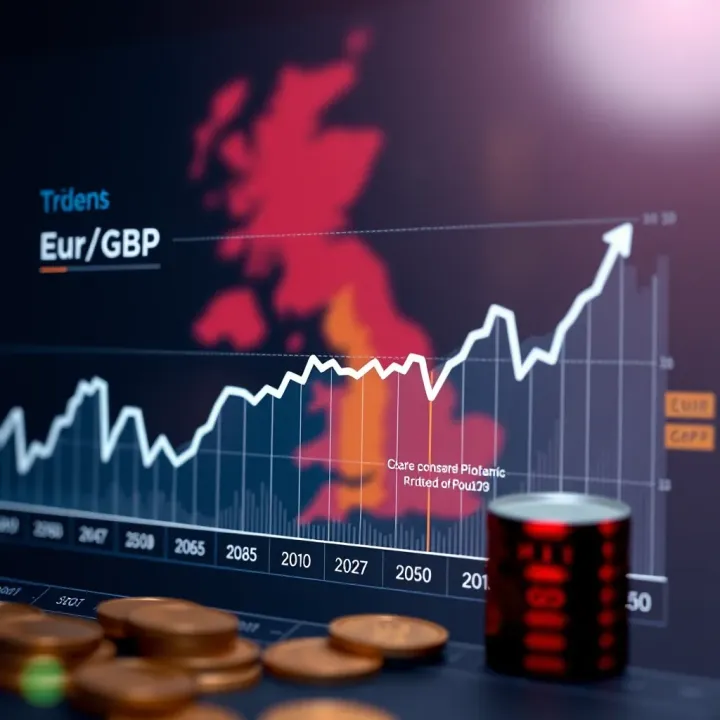
Over the past decade, the EURGBP has been shaped largely by political events like Brexit, alongside economic cycles in Europe and the UK. After the 2016 Brexit referendum, the pound weakened sharply against the euro, leading to a long period where the EURGBP hovered above 0.90. More recently, volatility has been driven by UK inflation worries and Eurozone recovery efforts post-pandemic. As of early 2024, the exchange rate shows signs of stabilising near 0.85 but remains sensitive to new policy announcements.
This historical backdrop is crucial because it helps traders recognise patterns linked to major events, while businesses can better time hedging activities or budget forecasts. For example, volatility spikes during election years or central bank rate announcements often present both risks and opportunities.
Several components impact the EURGBP rate, notably contrasting monetary policies. The European Central Bank (ECB) and the Bank of England (BoE) may differ in their interest rate paths, influencing capital flows between the Eurozone and UK. For instance, if the BoE raises rates while the ECB stays put, the pound usually strengthens against the euro.
Economic indicators like GDP growth, inflation, and employment data from both regions also matter. Strong Eurozone growth combined with weaker UK data might push the euro higher against sterling. Political events, including Brexit-related negotiations or EU policy shifts, add another layer of unpredictability.
Traders and analysts often track a mix of economic reports, central bank signals, and geopolitical developments to build a clear picture of where EURGBP might head next.
Currency traders should monitor these factors closely since they affect market sentiment and liquidity. Meanwhile, businesses can use this insight to avoid surprises when settling cross-border invoices or managing foreign currency exposure.
In summary, a solid grasp of the EURGBP exchange rate's historical trends and influencing elements provides a foundation for effective currency risk management and informed trading decisions.
Economic indicators are vital in understanding the EURGBP currency pair because they reflect the economic health and prospects of both the Eurozone and the United Kingdom. Traders, investors, and analysts often monitor these indicators closely to anticipate moves in the exchange rate. They provide a snapshot of economic performance and policy direction, which directly influence central bank decisions and, ultimately, currency strength.
GDP growth rates measure the overall economic activity and output within the Eurozone. Stronger GDP growth usually signals an expanding economy, attracting investment, which tends to strengthen the euro against the British pound. For example, if Germany and France report higher-than-expected GDP growth, it often boosts market confidence in the euro, leading to appreciation against the GBP. Conversely, slow or contracting GDP suggests economic troubles that can weaken the euro.
Inflation statistics in the Eurozone serve as a key gauge of price stability and purchasing power. Inflation affects consumer spending and business costs, influencing the European Central Bank's (ECB) monetary policy. A steady rise in inflation close to the ECB’s target (around 2%) might prompt tightening monetary stances, boosting the euro. However, if inflation drops below the target, the ECB may ease policy to stimulate growth, which can put downward pressure on the euro versus the pound.
Unemployment figures reveal labour market conditions in the Eurozone. High unemployment typically signals economic stress, reducing consumer confidence and dampening spending. This scenario can lead to a weaker euro as investors seek stronger currencies. For instance, a sudden rise in unemployment rates in Spain or Italy could weigh on the EURGBP rate, as it raises concerns over regional economic stability.
Bank of England (BoE) interest rates are one of the most influential factors impacting the British pound. When the BoE raises interest rates, it generally attracts foreign capital seeking higher returns, which supports the pound's strength against the euro. For example, during recent tightening cycles, such rate hikes have pushed GBP higher by signalling confidence in the UK economy and efforts to contain inflation.
Consumer Price Index (CPI) reflects inflation levels in the UK and influences the BoE's policy decisions. Rising CPI figures often prompt discussions on interest rate hikes to keep inflation in check, strengthening the pound. On the other hand, falling or subdued CPI can delay rate increases, possibly weakening the GBP against the euro. The CPI trends are critical for traders predicting monetary policy adjustments.
Employment data in the UK offers insights into labour market health and economic momentum. High job creation and low unemployment rates suggest a robust economy, which usually supports the pound. For example, if monthly employment reports show steady wage growth and increasing jobs, this builds investor confidence in the UK’s economic outlook, potentially pushing the pound stronger versus the euro.
Economic data from both the Eurozone and UK provide timely clues on monetary policy shifts and economic strength, making them indispensable tools for forecasting EURGBP movements.
Understanding these indicators equips traders and investors to navigate the EURGBP market with better precision and informed strategies.
Central banks significantly influence the EUR/GBP exchange rate through their monetary policy decisions. These institutions, mainly the European Central Bank (ECB) and the Bank of England (BoE), steer interest rates and liquidity conditions, which in turn affect currency strength and capital flows. For traders and investors, understanding this role helps anticipate shifts in the EUR/GBP pair driven by policymaker moves.
Interest rate decisions: The ECB’s interest rate decisions directly shape the Euro's attractiveness versus the British Pound. When the ECB raises rates, it typically boosts the Euro’s appeal by offering higher returns on Euro-denominated assets, attracting capital from markets including the UK. For example, in times when European inflation ticks upwards, the ECB may tighten rates to curb price increases, supporting the Euro’s strength. Conversely, rate cuts tend to weaken the Euro, making GBP comparatively stronger.
Quantitative easing programmes: Besides interest rates, the ECB’s quantitative easing (QE) is another vital tool. QE involves purchasing government bonds to increase money supply aiming to stimulate economic activity during slowdowns. Such programmes often lead to Euro depreciation due to increased liquidity and lower yields on assets. For instance, the ECB’s QE during past crises led to a weaker Euro, prompting a rise in EUR/GBP exchange rate volatility. Traders closely watch announcements related to QE tapering or expansions, as these can cause swift currency moves.
Hiking cycles and forward guidance: The BoE’s approach to interest rate hikes—commonly in cycles—signals its inflation and growth outlook, influencing Sterling’s value against the Euro. Forward guidance, where the BoE communicates future plans, helps markets price Sterling accordingly. A recent example: if the BoE hints at slower rate increases due to economic concerns, traders might sell GBP, causing EUR/GBP to rise. This transparency assists traders and analysts in adjusting positions ahead of official decisions.
Inflation targeting approaches: The Bank of England targets inflation around 2%, guiding its monetary policy choices. Persistent deviations prompt policy shifts impacting the GBP. For example, if inflation surpasses the target—driven by rising fuel prices or wage growth—the BoE may tighten monetary policy to stabilise prices, strengthening Sterling. Understanding this target helps market participants assess the likelihood of rate changes, providing context for EUR/GBP forecast movements.
Central bank policies shape the EUR/GBP rate through both direct instruments like interest rates and indirect measures such as market sentiment from guidance and quantitative easing.
In summary, movements in the EUR/GBP exchange rate often reflect perceived monetary policy shifts by the ECB and BoE. For savvy traders and investors, keeping tabs on policy announcements, economic data releases, and official communications is crucial. These elements together provide a clearer picture of where the EUR/GBP pair might head next.
Political and global happenings shape the EURGBP exchange rate in significant ways. Traders and analysts keenly track these events because they can trigger swift and sharp movements in the currency pair. For instance, shifts in political stability or policy direction often lead to reevaluation of economic prospects in both the Eurozone and the UK. Understanding these events offers critical clues for anticipating exchange rate trends and managing forex exposure effectively.
Brexit remains a defining factor for the EURGBP rate even several years on from the UK's formal departure from the European Union. Ongoing negotiations around trade agreements, regulatory alignments, or border management continue to unsettle markets. For example, talks about Northern Ireland’s trading arrangements or delays in customs protocols have caused the pound to weaken against the euro at times. Traders need to monitor developments closely as even minor announcements can cause volatility. For businesses, especially those importing or exporting between the UK and EU, this means preparing for possible cost fluctuations and timing currency purchases wisely.
Policy shifts within the European Union can ripple through the EURGBP market. Changes in economic governance, budget priorities, or fiscal support mechanisms impact how investors view the eurozone’s stability and growth outlook. For instance, the EU’s commitment to green energy funds or fiscal stimulus plans can strengthen the euro if markets expect these will boost economic performance. Meanwhile, elections within key member states can alter the political landscape. A rise in populist parties or uncertainty over leadership often dims investor confidence, weakening the euro relative to the pound. Traders should watch the election calendars and key policy announcements to gauge potential currency movements.
The EURGBP exchange rate is also sensitive to shifts in the global economy and prevailing risk appetite among investors. During times of global uncertainty—such as trade disputes, geopolitical tensions, or pandemics—investors tend to seek safe havens, which can favour the pound or euro depending on the circumstances. For example, when global risk falls, currencies associated with stable economies usually gain. Sudden changes in commodity prices or inflationary pressures worldwide also influence central bank responses in both regions, thus affecting EURGBP. Keeping an eye on global risk indicators and economic news from major partners helps traders anticipate how sentiment swings might move the pair.
Political and global events may seem unpredictable, but understanding their influence on EURGBP helps traders and investors make informed decisions rather than reacting blindly to market noise.
In summary, Brexit negotiations, EU policy shifts, and global economic changes form a web of influences that continuously shape the EURGBP exchange rate. Staying informed about these areas improves forecasting accuracy and sharpens risk management for those involved with this currency pair.
Forecasting the EURGBP exchange rate is vital for traders, investors, and businesses dealing with cross-currency transactions between the Euro and the British Pound. Understanding how the pair might move helps manage currency risk and identify trading opportunities. Different methods, such as fundamental analysis, technical tools, and market sentiment, offer unique insights and should be considered together for a fuller picture.
Fundamental analysis focuses on economic data, central bank policies, and political events shaping the EURGBP rate. For instance, a rise in Eurozone GDP growth compared to the UK can strengthen the Euro relative to the pound. Analysts track indicators like inflation rates and employment figures because these influence central banks’ interest rate decisions. If the European Central Bank (ECB) signals tightening monetary policy while the Bank of England (BoE) maintains loose policy, it typically supports a stronger Euro against sterling. Businesses and investors often use this approach to make medium to long-term decisions based on underlying economic realities rather than short-lived market noise.
Technical analysis examines historical price patterns, volume, and chart formations to predict future moves. Common tools include moving averages, Relative Strength Index (RSI), and support/resistance levels. For example, if EURGBP price breaks above a key resistance level identified over recent months, traders may expect a further rally. Technical indicators can also reveal overbought or oversold conditions, signalling potential reversals. While this approach doesn’t consider economic fundamentals, it’s essential for short-term trading decisions and helps to time entries and exits precisely in a fast-moving forex market.
Market sentiment reflects traders’ mood and risk appetite, often influenced by news, geopolitical events, or sudden shifts in the global economy. Gauging sentiment can involve monitoring positioning data, news flow, or investor surveys. For example, rumours of a political crisis in the UK might make traders bearish on the pound irrespective of solid economic data. Sentiment can sometimes drive sharp moves in EURGBP beyond what fundamentals would suggest. Understanding this aspect helps traders avoid surprises and capture opportunities created by herd behaviour or panic.
Combining these forecasting approaches provides a clearer understanding of where EURGBP could head. While fundamentals show the ‘why’, technical analysis reveals the ‘when’, and sentiment exposes the ‘how’ market participants might react.
Using a balanced mix allows traders and businesses in Kenya and beyond to make more informed decisions when handling the euro and pound currencies, reducing unexpected losses and enhancing profit potentials.
Understanding the EURGBP forecast helps traders and businesses make smarter decisions in a market where currency fluctuations can directly impact profits and costs. This exchange rate influences cross-border trade, investment planning, and risk management strategies, especially for entities dealing with Europe and the UK. Kenyan businesses with import or export ties need to keep an eye on this pair because even small shifts can affect pricing, supply chains, and competitiveness.
Kenyan companies that import goods from the UK or Eurozone must manage currency risk to avoid unexpected cost increases. For example, a Nairobi-based firm importing machinery priced in pounds will face higher costs if the pound strengthens against the shilling, affecting profit margins. Using forward contracts or options to lock in favourable exchange rates helps stabilise expenses and budgeting.
Besides financial instruments, businesses can time their payments aligned with EURGBP trend forecasts. If indicators point to a weakening pound against the euro, it might be wise to delay certain purchases or secure prices early to avoid losses. The key here is staying informed about economic releases and central bank moves influencing the EURGBP rate.
Moreover, businesses should also consider pricing strategies that reflect currency volatility. Adjusting product prices in Kenyan shillings or negotiating contract terms to share currency risk with suppliers protects firms from adverse moves. This practical approach prevents sudden shocks to cash flow and supports long-term planning.
Managing currency risk is not just about financial tools but also about operational adjustments and market awareness.
For forex traders focusing on EURGBP, the pair offers a blend of political and economic drivers to spot opportunities. Traders can benefit from volatility around Brexit developments or European Central Bank announcements. Technical analysis tools, like moving averages or Fibonacci retracements, help identify entry and exit points.
Traders should also watch macroeconomic data such as UK inflation figures or Eurozone GDP release, as these often cause short-term price swings. For instance, a surprise hawkish tone from the Bank of England might push the pound higher, offering quick gains for those positioned correctly.
Besides day trading, medium-term investors can use fundamental analysis to predict sustained trends. For example, a prolonged European economic recovery combined with UK political uncertainty might signal a longer bullish trend for the euro against the pound.
Still, managing risk with stop-loss orders and position sizing remains crucial given the unpredictability of global events. Kenyan traders should use reliable platforms and keep abreast of real-time news to act swiftly.
In short, the EURGBP forecast equips traders and businesses with foresight and tools to navigate the complexities of currency movements effectively, ensuring they stay competitive and financially sound.
Explore the Pound to Rand forecast 📉💷💰 with insights on past trends, key economic factors, and expert tips for smart decisions in SA currency moves.
📉 Explore how economic trends, political shifts, and global markets impact the Rand to Dollar rate. Stay informed with forecasts for South Africa’s currency.
📊 Explore what shapes Rand to INR exchange rates, from economic shifts to political moves. Get smart tips for travellers & businesses planning ahead! 🌍💹

📊 Explore this week's rand to dollar rate trends, key factors shaping the exchange, impacts on SA economy, plus expert views and forecasts. 💼💵
Based on 13 reviews