

How to Trade Online Safely in Kenya
Learn how to trade shares, forex, and commodities online in Kenya safely 📈. Discover trusted platforms, manage risks, and apply effective strategies to grow your KSh.
Edited By
Thomas Fletcher
Trading Bitcoin in Kenya has become a popular way to diversify investments and tap into the digital economy. As more Kenyans adopt cryptocurrencies, understanding how to trade Bitcoin safely and effectively is vital. The world of Bitcoin trading can seem complex at first, but with the right knowledge and tools, Kenyan investors can navigate the market confidently.
Bitcoin operates outside traditional banks and governments, making it both exciting and risky. For Kenyans, platforms that support M-Pesa payments offer convenient access to buying and selling Bitcoin without the hassle of bank transfers. Still, it's crucial to choose reliable exchanges that comply with Kenya’s guidelines to avoid scams.

This guide focuses on practical steps Kenyan investors can follow:
Selecting trustworthy trading platforms that support local payment methods
Understanding basic trading concepts like market orders, limit orders, and price volatility
Employing beginner-friendly strategies such as dollar-cost averaging and swing trading
Managing risks through setting stop-loss limits and diversifying investments
Navigating legal considerations and staying updated on Central Bank of Kenya (CBK) advisories
Remember, Bitcoin prices can change quickly. Trading without a clear plan can lead to significant losses.
By mastering these essentials, traders and analysts in Kenya can approach Bitcoin markets with better insight and more control. The flexibility of using mobile money services such as M-Pesa combined with a growing crypto-supportive ecosystem makes Kenya an interesting place to trade Bitcoin today. Stay attentive, trade smart, and always verify information before making moves in this ever-changing market.
Trading Bitcoin successfully starts with a solid grasp of what Bitcoin is and how it operates. It’s not just a digital coin but a complex system underpinned by technology and market principles. This knowledge helps avoid costly mistakes and makes it easier to spot real trading opportunities.
Bitcoin is a digital currency that exists only online, without a central bank or government backing it. Instead, it relies on a network of computers around the world to manage transactions and keep it secure. For Kenyans, this means Bitcoin can be sent or received anywhere, anytime, avoiding traditional banking delays and fees.
The backbone of Bitcoin is blockchain technology – a digital ledger that records every transaction transparently and permanently. Each Bitcoin transaction is grouped into a "block" and added to the chain after verification. This system prevents double-spending and fraud, giving users confidence that their digital coins are genuine.
As for supply, Bitcoin has a limit of 21 million coins, making it scarce like gold. New Bitcoins enter the market through mining, where miners use powerful computers to solve complex problems that verify transactions. For an investor, understanding that mining controls the supply helps explain why Bitcoin’s price can move sharply with changes in mining activity or regulatory shifts impacting miners.
When you trade Bitcoin, you need to know the basics: buying means acquiring Bitcoin at the current market price or a price you choose; selling is the reverse; and holding means keeping your Bitcoin over time in expectation of price rises. For example, a Kenyan investor might buy Bitcoin today via an exchange like Binance or Kraken, hold it for months, then sell when prices rise.
Orders come in two main types: market orders and limit orders. Market orders execute immediately at the best available price, useful when speed matters. Limit orders let you set a specific price at which to buy or sell, giving you better control but no guarantee your order will fill. Say you want to buy Bitcoin only if it drops to KSh 3 million; a limit order waits until that price emerges.
Lastly, understand trading pairs and volatility. Bitcoin is often traded against the US dollar (BTC/USD) or Kenyan shilling (BTC/KES) on some platforms. Prices can swing wildly day-to-day, so recognising this ups-and-downs cycle is vital to avoid panic selling during dips or losing out by waiting too long to sell during rises.
Being clear on these basics gives you a strong foundation to trade Bitcoin more wisely and navigate market swings without panic or confusion.
Selecting the right platform to trade Bitcoin is one of the most crucial steps for Kenyan investors. This decision affects not only how easy and fast you can buy or sell Bitcoin but also the security and costs involved. A reliable platform that fits your needs can save you time, reduce risks, and improve your overall trading experience.
Kenyan traders have access to both local and international cryptocurrency exchanges. Local platforms like BitPesa (now bundled under AZA Finance) provide M-Pesa deposits and withdrawals, making them a popular choice for users familiar with mobile money. On the other hand, international exchanges such as Binance, Coinbase, and Kraken offer broader trading options and more pairs but might require bank transfers or card payments, which could take extra steps for verification.
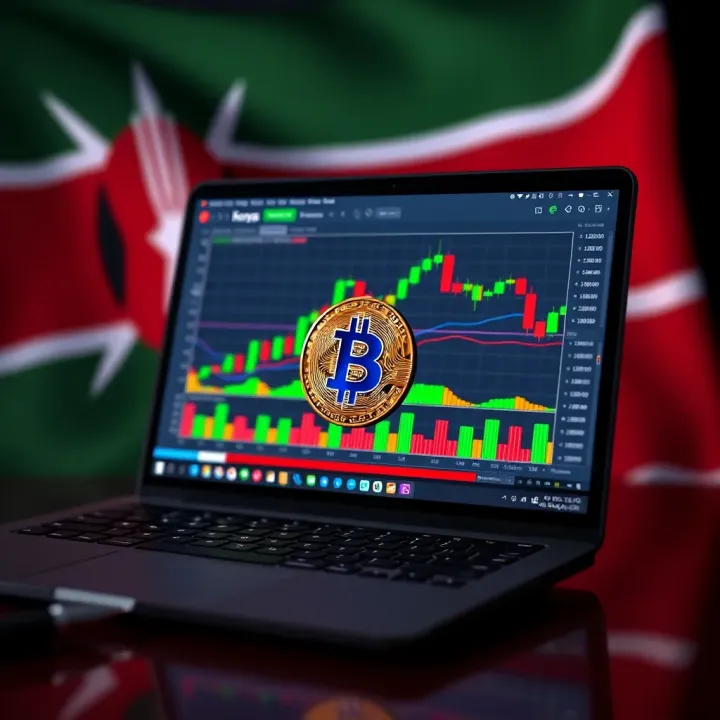
Choosing between these depends largely on your trading style and preferences. Local exchanges often have faster payment processing due to M-Pesa integration, while international platforms usually offer more advanced trading tools suited for serious investors. Regardless, all these platforms are accessible from Kenya, but it’s wise to check if they support KSh deposits and withdrawals directly for convenience.
The differences in platform fees, user experience, and security should not be overlooked. International platforms often have competitive transaction fees that range from 0.1% to 0.5%, but you might pay extra for withdrawals or currency conversions. Local platforms may charge higher fees but compensate by offering seamless M-Pesa payments which reduce transfer time and costs.
User experience varies widely; interfaces must be intuitive enough to allow quick trades but detailed enough to provide necessary market information. Security features are even more critical—look for platforms with two-factor authentication (2FA), cold storage for cryptocurrencies, and strong encryption. For example, Binance provides advanced security options, whereas some smaller local platforms might have limited protections, increasing exposure to cyber risks.
Using M-Pesa to fund your trading account is the most common and convenient way in Kenya. M-Pesa deposits are usually instant and widely accepted by both local and some international exchanges. In addition, bank transfers from Kenyan banks like Equity or KCB are available but tend to be slower, often taking 24 to 48 hours to reflect.
Credit and debit cards are another method, especially on international platforms like Coinbase. While cards provide quick transactions, they can incur higher fees and sometimes face card blocking due to anti-fraud policies. Cards also require you to comply with additional identity verification steps to abide by international financial rules.
Safeguarding transactions is vital. Always use platforms that offer encrypted payment gateways and never share your login details or wallet keys. Most legitimate platforms require identity verification, ranging from uploading a national ID or passport to facial recognition checks, to comply with anti-money laundering regulations. This process might seem tedious but is essential for safe trading and withdrawal of funds.
Always verify that the exchange you use is properly regulated or well-reviewed by Kenyan traders to avoid scams and losses.
In summary, choose a platform that balances fees, ease of use, security, and payment methods you find comfortable. This savvy choice lays a strong foundation for profitable and safe Bitcoin trading in Kenya.
Practical strategies are vital for any Kenyan investor wanting to trade Bitcoin effectively. Rather than jumping in blindly, understanding different trading methods improves your chances to manage risks and make consistent gains. Whether you prefer short bursts of trading or holding Bitcoin for long periods, having a clear approach helps you navigate the volatile crypto market.
Day trading means buying and selling Bitcoin within the same day to take advantage of price swings. This approach requires constant attention to the market and fast decision-making. For example, you might buy Bitcoin in the morning at KSh 4 million and sell in the afternoon at KSh 4.1 million to capture quick profits. However, this method comes with high risks since the market can reverse suddenly. You also pay more transaction fees if you trade frequently, which can eat into your gains.
In Kenya, with limited access to advanced trading tools, day trading can be challenging but not impossible. Keeping a disciplined trading plan and understanding market trends is key to reducing losses in such fast-paced trades.
Long-term trading, often called HODLing (holding on for dear life), involves buying Bitcoin and keeping it for months or years. Many Kenyan investors choose this method as Bitcoin’s value tends to rise over time despite short-term drops. For instance, those who bought Bitcoin in 2017 and held on until now have generally made handsome returns.
Trend following means watching the market’s direction and making buy or sell decisions based on identifiable trends rather than daily fluctuations. If the overall trend shows upward momentum, you might buy and hold until the trend reverses. This strategy helps you avoid the stress of daily market noise and is often more suitable for investors balancing trading with other commitments.
Technical analysis involves studying Bitcoin’s price charts to predict future movements. Trading platforms often provide tools like moving averages, Relative Strength Index (RSI), and volume indicators. For example, if the RSI shows Bitcoin is oversold, it might be a good buying opportunity. Kenyan traders can use these signals to decide entry or exit points, reducing guesswork.
While technical analysis isn’t foolproof, combining different indicators can give a clearer picture of market sentiment. It also helps avoid emotional trading decisions, which often lead to losses.
Fundamental analysis means looking at news and events affecting Bitcoin’s value. For instance, if a major economy bans cryptocurrency or a large company announces accepting Bitcoin payments, prices can shift dramatically. Kenyan investors should keep an eye on both global news and local developments, like regulatory changes by the Central Bank of Kenya.
Additionally, factors such as changes in electricity costs in mining hubs or innovations in blockchain technology can influence Bitcoin prices. Staying informed helps traders make more educated decisions rather than reacting to rumours or hype.
Practical trading relies on clear strategy, disciplined analysis, and staying in tune with real-world events. This approach helps Kenyan investors avoid pitfalls and improve their chances in the tricky Bitcoin market.
Trading Bitcoin in Kenya comes with the potential for good profits, but it's also a game of risks. Bitcoin's price swings can be sharp, sometimes shifting dramatically within hours. Managing these risks effectively means protecting your investment and avoiding common traps that many new traders fall into. This section highlights practical steps to shield your funds and recognise scams that could drain your wallet.
Setting stop-loss orders helps you limit losses when the market moves against your position. A stop-loss order automatically sells your Bitcoin if the price drops to a certain level you choose. For example, if you buy Bitcoin at KSh 3 million and set a stop-loss at KSh 2.7 million, your assets will be sold once the price hits that figure. This tool prevents losses from spiralling out of control, especially when you aren't actively watching the market.
Besides stop-losses, diversifying your cryptocurrency portfolio reduces risk by spreading your investments across different coins instead of putting all your money into Bitcoin alone. For instance, alongside Bitcoin, consider smaller allocations in Ethereum, Litecoin, or local projects. Diversification means if Bitcoin falls sharply, your entire investment won’t suffer the same extent of losses. It’s a safety net, which any serious Kenyan investor should use to avoid overexposure to Bitcoin's occasional wild price moves.
Red flags in Bitcoin trading offers often include promises of guaranteed returns, unusually high interest rates in short timeframes, or pressure to invest quickly. Many fraudsters target Kenyan traders by exploiting the excitement around cryptocurrencies, offering fake trading bots or signals that claim to beat the market consistently. If you get unsolicited offers on WhatsApp, social media, or buy-and-sell groups promising quick riches with little risk, it’s wise to stay clear.
Staying safe with trusted platforms and wallets is critical in Kenyan crypto trading. Always use well-known exchanges like Binance, Coinbase, or local platforms with strong user feedback and proper security measures. For storing Bitcoin, hardware wallets or reputable mobile wallets like Trust Wallet or Safaricom’s M-Pesa linked wallets (where applicable) offer better protection than holding coins on exchanges. These tools reduce your exposure to hacks or phishing attacks, which remain common threats to Kenyan investors.
Effective risk management and scam awareness will not only safeguard your Bitcoin holdings but also build confidence as you navigate Kenya’s evolving cryptocurrency market. Always take time to learn and verify before you trade or invest.
Navigating the legal and tax landscape is essential for any Kenyan investor trading Bitcoin. Without understanding the regulations and tax obligations, traders risk facing penalties or losing money due to non-compliance. This section outlines the current framework shaping Bitcoin trading in Kenya, practical steps to meet tax requirements, and how traders can protect themselves from legal pitfalls.
Kenya's regulators, mainly the Kenya Revenue Authority (KRA) and the Central Bank of Kenya (CBK), have taken cautious but clear stances on cryptocurrencies. The CBK, although not banning Bitcoin, warns the public that it is not a recognised legal tender. This means Bitcoin trading operates in an uncertain regulatory zone, with no official consumer protection or insurance.
Meanwhile, KRA treats cryptocurrencies like Bitcoin as taxable assets. Although specific cryptocurrency tax laws are still evolving, KRA requires individuals and businesses to declare gains from Bitcoin trading for income or capital gains tax purposes. For example, if you sell Bitcoin at a profit through a local exchange or peer-to-peer platform, you should report this as part of your taxable income.
As a trader or investor, it's vital to stay updated with any new guidelines from these authorities. Engaging with licensed crypto platforms increases your chances of compliance since these platforms typically help with transaction records and tax statements.
Reporting your crypto earnings to KRA should be straightforward if you keep good records. When filing returns, include your Bitcoin gains under taxable income. For businesses dealing in Bitcoin, these earnings contribute to turnover and profits, attracting the standard corporate tax rate.
KRA encourages taxpayers to maintain accurate records of every buy, sell, or exchange transaction. This practice helps simplify audit processes and ensures you can explain your gains or losses if required. Good record-keeping includes transaction dates, amounts in Kenyan shillings, counterparties involved, and wallet addresses.
Tip: Use digital spreadsheets or accounting software to track your Bitcoin trades precisely. Some Kenyan tax consultancies have started offering specialised services for crypto traders to ease compliance.
In short, understanding and abiding by Kenya's legal and tax considerations shields you from unnecessary trouble. It promotes healthy trading habits that foster confidence, legitimacy, and long-term success in Bitcoin investments.
Learn how to trade shares, forex, and commodities online in Kenya safely 📈. Discover trusted platforms, manage risks, and apply effective strategies to grow your KSh.
📈 Learn to trade the Step Index confidently with tailored strategies, risk tips, and easy M-Pesa payments. Perfect for Kenyan traders ready to diversify and profit locally.

📈 Learn how to trade cryptocurrency safely in Kenya. Get practical tips on choosing exchanges, reading markets, managing risks, and following local crypto laws. 💼

🤝 Trade brokers link buyers and sellers, ensuring smooth deals in Kenya's markets. Learn how they operate, regulatory rules, risks, and tips to pick the right broker.
Based on 15 reviews