

Understanding Ripple Crypto and Its Role in Finance
Explore Ripple crypto 🌍 and its impact on global finance. Learn how this tech advances cross-border payments, including benefits for South African users 💸.
Edited By
Charlotte Wells
Cryptocurrency trading is gaining traction in Kenya, as more investors seek alternatives beyond traditional stocks and bonds. The basic idea is simple: buy digital coins when prices are low and sell when they rise, aiming to make a profit. However, unlike typical currencies, cryptocurrencies operate on decentralised networks, making them accessible yet volatile.
Kenyan traders usually access popular platforms like Binance, Coinbase, and local exchanges such as BitPesa or Yellow Card. These platforms allow you to trade Bitcoin, Ethereum, and other digital tokens using familiar payment methods like M-Pesa. This ease of payment is a key reason why crypto has caught on here.

Getting started requires more than just signing up. You should understand how to read market charts, spot trends, and manage risks, as crypto markets can swing wildly—even within hours. For example, reacting to Kenya’s economic news or global shifts can affect crypto prices, so staying informed is crucial.
As a practical step, link your M-Pesa account to your chosen crypto platform for easy deposits and withdrawals. Avoid third-party sellers to cut risks of scams, which remain common in this space. Securing your wallet with two-factor authentication and private keys stored offline also helps protect your funds from hackers.
In this guide, you will find clear instructions on trading strategies, assessing market conditions, and safeguarding your cryptocurrency investments—keeping Kenyan investors well-prepared to navigate this fast-moving market.
Understanding how cryptocurrency trading works is essential for Kenyan investors aiming to navigate this dynamic market confidently. It helps you grasp how digital currencies operate, how transactions take place, and the various trading options available. This insight is crucial given that crypto trading moves fast and prices can swing wildly even during one matatu ride across Nairobi.
Cryptocurrencies are digital or virtual money secured by cryptography, which makes it difficult to counterfeit. Unlike traditional money issued by central banks, cryptos like Bitcoin or Ethereum are decentralised, meaning no single authority controls them. For Kenyan traders, this offers an alternative investment outside the usual banking system, albeit with higher risks.
Blockchain is the backbone of cryptocurrencies. Think of it as a public ledger where all transactions are recorded transparently and cannot be altered once confirmed. This technology assures traders that their transactions are authentic. For example, when you buy Bitcoin, the blockchain verifies and logs that your wallet now holds those coins, preventing fraud or double spending.
Transactions in crypto are validated by a process called mining or staking, depending on the network. Miners solve complex puzzles to add blocks of transactions to the chain, earning rewards. This verification means you can't just send the same coins twice, a problem common in digital money otherwise. For Kenyan investors, this builds trust, especially when using international platforms where local oversight is limited.
Spot trading is the straightforward buying or selling of cryptocurrencies at current market prices. When you purchase Bitcoin on an exchange, you own it immediately. This method appeals to beginner Kenyan traders who want to hold crypto as part of their portfolio or wait for price appreciation before selling.
Crypto futures and derivatives allow traders to speculate on the future price of cryptocurrencies without owning the actual coins. For instance, you could bet on Bitcoin’s price rising or falling in the next month. While this offers chances for higher profits, it also brings more complexity and risk, so it's suited to experienced traders keeping a close eye on market movements.
Arbitrage involves taking advantage of price differences between exchanges by buying on one platform and selling on another for a profit. Kenyan traders with quick M-Pesa funding and withdrawal options might find this profitable but must act fast due to volatile prices. Peer-to-peer (P2P) trading lets users buy and sell directly without a middleman, often using local payment methods like M-Pesa. This method is popular in Kenya, where it offers flexibility but requires caution to avoid scams.
Successfully trading crypto means understanding these basics, picking suitable trading types, and knowing how the underlying blockchain ensures your digital assets are real and secure.
Choosing the right crypto trading platform is a key step for Kenyan investors. It affects how easily you can access the market, the fees you pay, and your overall security. Kenyan traders should consider platforms that support familiar payment methods, offer responsive local support, and comply with legal standards. A good platform also reduces risks related to scams or fund losses.
Safaricom, Kenya’s largest telecommunications company, has shown interest in crypto indirectly by enabling M-Pesa for some crypto transactions through partnerships with exchange platforms. Although Safaricom hasn’t launched its own crypto exchange, its support via M-Pesa enhances accessibility for many Kenyans who prefer mobile money over bank transfers. This connection simplifies the process of moving funds in and out of crypto accounts, making Safaricom-linked platforms very convenient.
Many global crypto exchanges now officially support Kenyan traders, allowing deposits and withdrawals through local banks or M-Pesa. Examples like Binance and KuCoin offer user interfaces in English with some customer support for Kenyan traders. These platforms usually have more cryptocurrency options and deeper liquidity but might require more care with verification steps and cross-border transaction costs. Kenyan traders get the advantage of world-class trading features while still using payment methods they trust.
Local peer-to-peer (P2P) platforms such as Paxful and LocalBitcoins remain popular in Kenya. These platforms connect buyers and sellers directly, letting users trade crypto with M-Pesa payments or bank transfers without needing an intermediary exchange. P2P trading allows more privacy and flexibility, but users should remain vigilant about verifying trading partners’ reputations to avoid scams. For many beginners and casual traders, P2P platforms provide an accessible way to start.
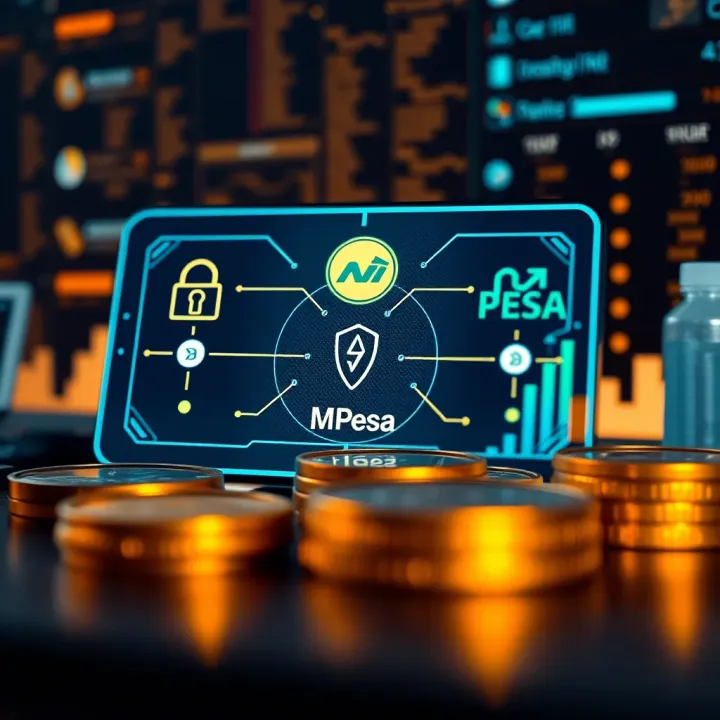
M-Pesa is the most common and trusted payment platform in Kenya, so crypto exchanges that allow M-Pesa funding gain a big advantage. It lets users deposit cash instantly into their trading accounts and start buying crypto quickly. Some platforms directly integrate M-Pesa, meaning no complicated bank internet banking or card details are required. This is especially helpful for users without traditional bank accounts.
Besides M-Pesa, many exchanges accept bank transfers from local banks like Equity Bank, KCB, or Co-operative Bank. Card payments via Visa and Mastercard are also widely supported, though cards might attract higher fees or require currency conversion. Bank transfers tend to have lower fees but can be slower. Traders should check transaction fees and processing times for each payment method before choosing.
Most reputable exchanges follow strict Know Your Customer (KYC) procedures requiring copies of ID, proof of address, and sometimes selfies. While these checks might seem tedious, they protect your account and align with Kenyan regulations. Good platforms use two-factor authentication (2FA) and encrypt user data to protect against hacking. Kenyan traders should not skip verification steps and prefer platforms with clear security protocols to safeguard their investments.
Choosing the right platform and payment methods can make crypto trading simpler, safer, and more cost-effective for Kenyan investors. Always prioritise security and local payment convenience.
Kenyan investors stepping into cryptocurrency trading need to understand the local regulatory environment. Regulations shape how you can trade, the risks you face, and your obligations, especially regarding taxes and legitimacy. Navigating these legal aspects helps avoid penalties and protects your investments.
The Central Bank of Kenya (CBK) currently does not recognise cryptocurrencies as legal tender. The government has taken a cautious stance, warning the public about risks linked to crypto investments. While crypto trading is not illegal, no clear regulatory framework fully governs it yet. This means you trade under unclear rules, but regulators keep an eye on developments, partly because of the rise in scams.
Regarding taxation, Kenya Revenue Authority (KRA) treats income from crypto trading like any other income source. If you make profits from buying and selling cryptocurrencies, you're expected to report and pay tax on those gains. This is important especially for active traders making significant returns, as failure to declare can lead to penalties. KRA employs iTax for declarations, so traders should keep clear records of transactions.
KRA also requires proper documentation for crypto transactions. This means keeping records of every buy and sell activity including dates, amounts in Kenyan Shillings, and counterparties involved. Since crypto is not yet fully regulated, these records help you comply with tax audits and avoid issues with the revenue authority. Without proper documentation, you risk penalties or delays if they question your earnings.
Fraud and scams pose a real threat in Kenya's largely unregulated crypto space. Cases abound where traders have been duped by fake investment schemes or platforms promising unrealistic returns. One example is Ponzi schemes masquerading as crypto deals on social media, where people lose their money entirely. Being aware of common scams helps you spot red flags early and steer clear.
To confirm legitimacy, always verify a platform or investment before committing funds. Check for licences, user reviews, and official recognition by authorities or known players. For instance, established exchanges like Binance or local peer-to-peer platforms with clear verification steps tend to be safer. Avoid platforms that pressure you for quick deposits or promise guaranteed profits, as these are usually suspicious.
Avoiding blacklisted platforms is key. Regulators or consumer protection agencies occasionally publish warnings against fraudulent trading platforms. Staying updated through news outlets or official notices can save you from engaging with risky operators. Always cross-check any new service against these lists before investing, ensuring you don’t fall prey to scams.
Staying informed and cautious are your best tools in navigating crypto trading safely under Kenya’s current regulatory landscape.
By understanding these legal aspects and knowing how to spot risks, Kenyan crypto traders can protect themselves better and trade with more confidence.
Crypto trading in Kenya offers promising returns but comes with notable risks and security challenges. Understanding these risks and knowing how to safeguard your assets is vital for any trader or investor. Without proper precautions, sudden losses or theft of digital coins can severely affect your financial position.
Price swings in cryptocurrencies can be dramatic compared to traditional assets. For example, Bitcoin or Ethereum might surge by 10%-20% within a few hours, then lose half of that value the next day. This wild price action means Kenyan traders must stay alert and avoid investing money they cannot afford to lose. Volatility can be a double-edged sword: while it offers profit opportunities, it also brings steep losses rapidly.
Impact of global events on crypto prices cannot be ignored. News such as regulatory crackdowns, government bans, or macroeconomic shifts affects crypto markets instantly. For instance, if a major economy like the US tightens crypto rules, prices often react negatively worldwide. Similarly, geopolitical tensions or financial crises may push investors towards or away from cryptocurrencies, influencing prices even in Kenya.
Risk management basics help traders navigate this unpredictability. Kenyan investors should limit exposure by allocating only a small portion of their portfolio to crypto. Setting stop-loss orders can automatically close trades if prices dip below a certain level, limiting losses. Diversifying across different coins and avoiding emotional decisions like panic selling are other essential tools.
Using secure wallets and cold storage is a key security practice. Wallets store your crypto, but online or "hot" wallets connected to the internet are vulnerable to hacking. Cold storage, such as hardware wallets or offline paper wallets, keep private keys away from online threats. For a Kenyan trader with significant holdings, shifting coins to cold storage when not actively trading reduces risk.
Safeguarding private keys means never sharing them or storing them in insecure places. Your private key is the only way to access your coins, so if lost or stolen, your funds vanish permanently. Many traders use encrypted USB drives or secure notes kept offline. Avoid storing keys on phones or emails where phishing or malware can seize them.
Recognising phishing and hacking attempts protects you from scams common in Kenyan crypto circles. Fraudsters might masquerade as exchange support or offer fake investment schemes via WhatsApp or email. Always verify official contacts through known channels, avoid clicking suspicious links, and double-check URLs before logging into platforms. Remember, legitimate exchanges never request private keys or passwords.
Staying alert, using sound risk management, and following basic security habits go a long way in protecting your crypto investments from both market swings and malicious attacks.
By carefully handling market risks and securing your digital assets, you stand a better chance at navigating Kenya's exciting yet challenging cryptocurrency space safely.
Successful crypto trading in Kenya hinges on strategies tailored to both local markets and global trends. Understanding effective trading approaches can help you avoid losses in the volatile crypto market and position yourself for steady gains. These strategies combine solid analysis and practical steps, adapted to the specific challenges and opportunities Kenyan investors face.
Analysing market trends and news is vital for making informed decisions. Crypto prices fluctuate based on global events, regulatory news, and market sentiment. For example, when a major government hints at stricter crypto controls, prices might dip sharply. Keeping an eye on international headlines, local regulatory updates, and even popular crypto voices on social media helps you anticipate price movements rather than react blindly.
Using charts and indicators helps you understand past price action and predict future trends. Kenyan investors often refer to tools like moving averages, RSI (Relative Strength Index), and candlestick patterns to spot entry and exit points. For instance, if a coin shows a consistent uptrend with low RSI, it suggests buying opportunities. These visual tools add an objective layer to your trading decisions, preventing guesses based on emotion.
Adapting strategies to market behaviour is crucial because crypto markets can be unpredictable. You may find a strategy working in a bullish phase fail completely during a sell-off. Successful traders adjust by diversifying holdings, reducing position sizes, or even stepping out during extreme volatility. For example, in 2021, some Kenyan traders moved profits into stablecoins during the market crash, protecting their capital while waiting for recovery.
Setting realistic goals prevents frustration and reckless moves. As a beginner in Kenya, aiming to double your crypto portfolio in a month is risky. Instead, target consistent small gains, say 2–5% monthly, which build wealth steadily over time. Realistic goals help you stay patient and disciplined, essential traits in trading.
Practising with demo accounts allows you to learn without risking actual KSh. Several platforms offer simulated trading environments where you can test strategies and gain confidence. For instance, you can practice buying Bitcoin or Ethereum with fake money, understand timing and execution, then move to real trading once comfortable.
Managing emotions while trading is perhaps the toughest challenge. Fear and greed often drive impulsive decisions, like panic selling during price drops or chasing quick profits. Kenyan traders should practise detachment from daily price swings by sticking to a plan and using tools like stop-loss orders. Taking breaks from the screen and reflecting on your goals helps maintain a balanced mindset.
Consistent success in crypto trading comes not from chasing every tip but applying solid strategies, practising patience, and adapting to market shifts.
Applying these trading strategies practically will help Kenyan investors navigate the crypto market with more confidence and fewer surprises.
Starting any new investment, especially in digital assets like cryptocurrencies, requires clear steps to avoid confusion or costly mistakes. For Kenyan investors, understanding how to open an account, purchase your first crypto, and keep track of your investments is essential. This section lays out practical, day-to-day procedures tailored to Kenya’s financial landscape.
Creating a crypto trading account usually begins with choosing a reliable platform accessible to Kenyans, such as Binance, Paxful, or LocalBitcoins. Once you select the platform, the registration process involves providing your basic details and verifying your identity. Verification often includes uploading an ID such as a Kenyan national ID or passport, plus a selfie for facial recognition.
Verification can feel tedious but it helps comply with Know Your Customer (KYC) rules designed to prevent fraud and money laundering. Completing this step smoothly ensures your account is fully functional—allowing deposits, trades, and withdrawals without unnecessary hiccups. Some platforms may also require proof of address or additional security steps like two-factor authentication.
In Kenya, M-Pesa remains the most popular and convenient payment method. Many reputable crypto exchanges and peer-to-peer platforms accept M-Pesa payments, making it simple for beginners to start buying digital coins without needing bank accounts or cards. You can transfer funds from your M-Pesa wallet directly to the trading platform’s paybill or till number.
This integration lowers the barrier for entry and bypasses the challenges sometimes faced in cross-border payments. For example, a user could fund their Binance wallet with KS0,000 using M-Pesa and convert it into Bitcoin within minutes. This method is fast, safe, and aligns perfectly with local habits.
When buying your first cryptocurrency, it’s wise to stick with established coins like Bitcoin (BTC) or Ethereum (ETH). Both have strong global adoption, relatively steady liquidity, and plenty of accessible information. This makes it easier to understand their price movements and market behaviour.
Starting with less volatile coins helps beginners avoid extreme losses while learning market dynamics. Once comfortable, you may explore other coins or tokens, but always consider factors like project legitimacy, trading volumes, and real-world use cases. Kenyan investors should also note the growing interest in stablecoins like USDT which help manage volatility.
Managing multiple cryptocurrencies manually can become confusing fast. Portfolio management apps such as Blockfolio or CoinGecko help you monitor your investments in real-time. These apps can link directly with your exchange accounts to update prices, gains, and losses automatically.
Using these tools ensures you stay informed without constantly logging into different accounts. For example, if you hold Bitcoin, Ethereum, and a few altcoins, you get a clear overview of your total portfolio value and percentage gains or drops.
Alerts are vital to react quickly in the highly volatile crypto market. Most portfolio apps allow you to set price alerts based on thresholds you choose. For instance, you could set a notification for Bitcoin dropping below KSh 2 million or Ethereum rising above KSh 150,000.
Monitoring performance through alerts helps you make timely decisions—whether to buy more, sell, or hold. This approach suits Kenyan investors who juggle other commitments but want to keep a close eye on their investments without checking continuously.
Starting crypto trading in Kenya is accessible when you follow straightforward steps: open a verified account, use M-Pesa to fund your purchases, start with trusted coins, and monitor your portfolio with the right tools. This practical approach reduces risks and sets you on a path to confident investing.
Explore Ripple crypto 🌍 and its impact on global finance. Learn how this tech advances cross-border payments, including benefits for South African users 💸.

📈 Discover smart trade strategies, tech tools, and risk management tips for savvy traders in South Africa. Boost your trading game with practical insights!

📈 Discover how forex signals apps can help Kenyan traders spot trading opportunities, manage risks, and make smarter forex moves with local market insights. 🇰🇪

Discover how broker trading works in SA 🇿🇦, with tips on choosing brokers, understanding costs, risks, and local rules for smarter investing decisions 📈
Based on 8 reviews