
Understanding Forex Swaps and Their Impact on Traders
Learn how forex trading swaps work, their impact on overnight positions, interest rate effects, and strategies to manage swap costs in South Africa 🇿🇦💱📈
Edited By
Isabella Morgan
Forex signals apps have become popular tools for traders around the world, and Kenyan traders are no exception. These apps send alerts about potential opportunities in the foreign exchange (forex) market, helping users decide when to buy or sell currencies like the US dollar, euro, or shilling. Knowing how to use these signals can be a big help in navigating the fast-moving forex markets.
Forex signals are based on analysis — either technical, fundamental, or a mix of both. For instance, an app might spot when the dollar is likely to strengthen against the euro based on economic reports or price patterns. Kenyan traders then receive a notification advising them to take a specific action. This can save time from constant market watching and offer insights even if you’re new to forex.
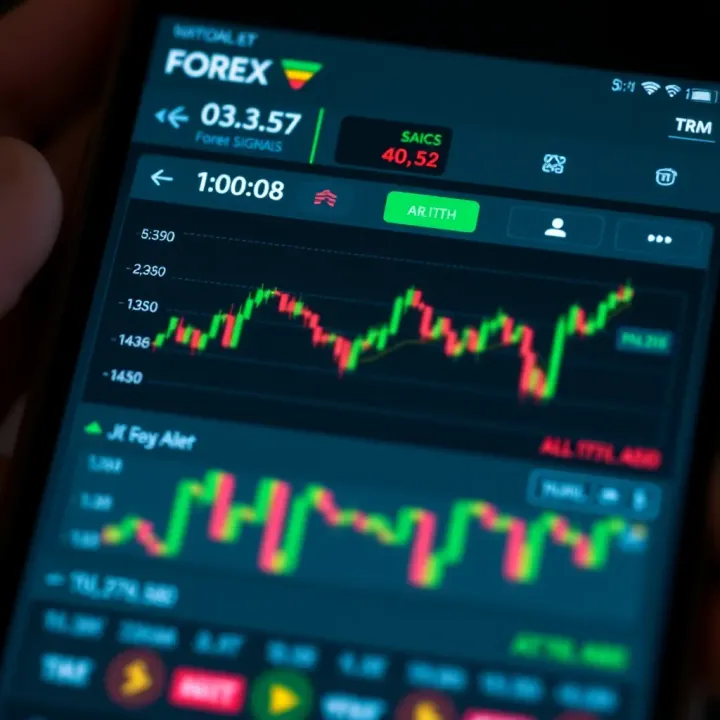
That said, these apps are not magic. They don’t guarantee profits. Understanding that the signals are recommendations, not instructions, is key. A signal could suggest a currency pair to trade with entry price, stop-loss, and take-profit levels. Yet, market conditions can change quickly, so always combine signals with your own research or risk management methods.
Quick access to market wisdom, often from experienced analysts or automated algorithms.
Alerts that help spot trends or price movements without staring at the screen all day.
A way to test trading strategies using suggested trades before risking real KSh.
Remember, generating good forex signals requires solid data and proper timing. Avoid apps that promise guaranteed wins or ask for large upfront fees without proof.
Several apps operate differently – some are subscription-based, others free but with limited signals. Local market conditions, such as how the Kenyan shilling moves or regional economic news, should influence your choice. Choosing apps familiar with African or East African markets may give you an edge.
In the next parts of this guide, we will look deeper into how these apps work, the risks involved, and practical tips for making most of them while trading forex from Kenya.
Forex signals apps play a key role in assisting traders by providing timely alerts on profitable trading moments. Understanding how these apps work helps you get a clear picture of where the signals come from, what they mean, and how best to use them in Kenya’s forex market. Instead of guessing when to buy or sell, these apps offer actionable data based on market trends and analysis.
Automated software and algorithms are computer programs designed to scan through loads of forex market data within seconds. They apply predefined rules and mathematical models to spot potential trade opportunities. For instance, an algorithm might detect a currency pair breaking a support level or showing an unusual volume spike. This speed and consistency can be quite helpful for traders who may not have the time for deep manual analysis, especially when markets move rapidly.
However, pure automation may miss out on economic or political factors. That’s where human analysts and expert traders come in. These professionals use their experience and insight to interpret market news, economic reports, and geopolitical events that algorithms might overlook. They add a layer of judgment, which is vital when markets react to unexpected events like Central Bank announcements or elections. An experienced analyst in Nairobi might also consider Kenya’s economic calendar or local banking hours to tailor signals more relevantly.
Many reliable forex signals apps combine technical and fundamental analysis to balance both data-driven and contextual insights. Technical analysis looks at price charts, trends, and indicators to predict movement. Meanwhile, fundamental analysis considers economic indicators such as inflation rates, interest rates, and GDP growth that influence currency strength. Combining these approaches results in better-rounded signal advice, giving Kenyan traders a clearer picture of market forces.
Forex signals apps typically suggest entry and exit points indicating when to open or close a trade. For example, the app might recommend buying the USD/KES pair when it hits a specific price level, and later suggest selling when it reaches a target profit level. This clear instruction helps traders act decisively, avoiding hesitation or guesswork.
Alongside entries and exits come stop loss and take profit levels. These are predetermined price points where the trade will close automatically. Stop loss limits losses if the market moves against the trade, which is useful to protect your capital. Take profit locks in gains once a favourable price is reached. Setting these levels beforehand helps maintain discipline, especially in volatile markets like forex.
Finally, apps often include risk management advice tailored to your trading style and capital size. This might involve suggesting the percentage of your account to risk on each trade or advising when to avoid trading during uncertain market days. Sound risk management is vital to sustain long-term trading success and avoid wiping out your account during bad streaks.
Understanding where forex signals come from and what they offer gives you the edge to use them wisely. Armed with this knowledge, Kenyan traders can approach forex with more confidence and control.
Forex signals apps bring several practical benefits to Kenyan traders. They help save time, improve learning, and strengthen trading habits—all of which are vital in making swift, informed decisions in the fast-moving forex market.
One of the biggest advantages of forex signals apps is cutting down the hours spent analysing charts and economic news. Instead of staring at multiple currency pairs and trying to interpret complex data, traders receive ready-made alerts indicating when to enter or exit trades. For instance, a Nairobi-based forex trader juggling day jobs can rely on signals to avoid monitoring the market all day. This is particularly useful when balancing other commitments common in Kenya’s hustler economy.
That said, it's important to choose apps that deliver timely, clear alerts without overwhelming you with too many signals. Apps that focus on major currency pairs like USD/KES (US dollar against Kenyan shilling) or EUR/USD often suit Kenyan traders best.
Forex signals apps often use insights from seasoned analysts or successful traders. By subscribing to such services, beginners can observe how experts decide on trades. For example, a trader using signals from a provider based in London or Dubai might pick up how they interpret geopolitical events or economic reports. Over time, this can build the trader’s own skills.
Besides copying trades, Kenyan traders can take practical lessons on timing, risk control, and market behaviour. Instead of blindly following every alert, combining signals with personal research sharpens trading strategies.
Discipline poses a huge challenge for many traders, regardless of skill level. Forex signals apps help instil controls by providing clear entry, exit, and risk parameters. For example, an app might suggest a stop-loss level to prevent heavy losses if prices move unfavourably.
Having these preset rules reduces emotional decisions driven by fear or greed. Kenyan traders, especially during volatile periods—like before general elections or major policy announcements—benefit from such guardrails. This can prevent reckless trades which often drain small trading accounts.
Well-chosen forex signals apps support traders to act systematically rather than impulsively, which can be the difference between steady profits and losses.
In all, using forex signals apps thoughtfully can give Kenyan traders an edge by saving time, easing the learning curve, and promoting consistent trading behaviour.
Using forex signals apps has its perks, but Kenyan traders should be aware of some risks and limitations before relying on them too heavily. Understanding these challenges helps avoid costly mistakes and improve your trading outcomes.
Not all signal providers deliver trustworthy or accurate alerts. Some rely heavily on automated systems with limited human oversight, while others might exaggerate their performance records. For example, a provider might claim high success rates but fail to show verifiable trading history or audited results. In Kenya, where forex trading is growing rapidly, scams and unreliable services are not uncommon. Always check for transparency, past performance verified by third parties, and read reviews from other Kenyan traders before committing.
Depending too much on forex signals can be risky. Signals should guide your trading decisions, not replace your own analysis. Overreliance can lead to poor judgement, especially when markets behave unpredictably or when signals lag behind sudden changes. Kenyan traders sometimes fall into the trap of following signals blindly, which ends up with losses when they ignore risk management or market context. Use signals as part of a broader strategy, combining them with your personal understanding.
Relying solely on signals is like driving a matatu without knowing the route — you might reach your destination, but the risk of getting lost is high.
Most reliable forex signals apps charge fees, either through subscriptions, commissions, or pay-per-signal models. These costs can add up quickly, especially for new traders with smaller capitals. Some apps also offer ‘free’ access but later require payment for more accurate or timely signals. Kenyan traders should weigh the cost against the potential benefits and avoid committing to expensive platforms without testing them first. Consider starting with apps offering trial periods or free demo versions to evaluate the value before subscribing.
Understanding these risks will help you use forex signals apps more wisely within the Kenyan market. Being careful about the provider’s reliability, avoiding overdependence, and managing costs effectively are key steps to protect your investments and make better trading decisions.
Selecting the right forex signals app matters a lot for Kenyan traders, given the unique blend of market conditions, technological access, and regulatory environment. A well-chosen app can boost your chances of making informed trades and managing risks properly, while a poor choice may just drain your funds or waste your time. It's important to focus on key factors like reliability, platform compatibility, and local support to ensure the app fits your trading style and local needs.
First, examine the app’s track record carefully. How long has it been in use? Has it consistently delivered accurate and timely forex signals? For instance, some apps openly share their past performance data, showing win rates, average returns, and even losses. Apps that hide or exaggerate results should raise red flags. Also, transparency about who runs the service and the methodology behind their signals adds trust. Some Kenyan traders have found value in apps that provide brief market commentary or signal explanations, helping them understand the rationale behind each alert.
Choose an app that presents clear evidence of performance and explains how it generates signals to avoid chasing empty promises.
Compatibility is another important aspect. Many Kenyan traders prefer platforms like MetaTrader 4 (MT4), MetaTrader 5 (MT5), or broker-specific apps such as those by IC Markets or HotForex. Ensure your forex signals app integrates smoothly with the trading platform you already use or plan to use. For example, some apps offer direct signal copying via MT4’s Expert Advisors (EAs), which streamlines the trading process. Others may only provide manual signals via SMS or app notifications, requiring you to execute trades yourself. Choose what fits your style and tech comfort level.
Lastly, pick an app with a clear and user-friendly interface. Kenyan traders often juggle multiple responsibilities, so an easy-to-navigate app saves precious time. Features like quick notification alerts, straightforward signal details, and simple settings go a long way. Also, look out for apps that offer local customer support or community groups, which can be handy when troubleshooting issues or clarifying signal doubts. If the app supports mobile money payments like M-Pesa for subscriptions, that’s a practical bonus for Kenyan users.
Choosing the right forex signals app means balancing reliability, ease of use, and compatibility with local realities. Taking time to assess these elements will help you avoid costly mistakes and stay confident in your trading decisions.
Using forex signals apps can give you an edge, but the key to success lies in how you apply these signals to your trading strategy. The following tips help Kenyan traders avoid common pitfalls and make the most out of signals without blindly depending on them.
Before committing real money, it's wise to start with a demo account provided by most forex trading platforms. This allows you to test how signals perform in real market conditions without risking your capital. For example, if a signal suggests buying the USD/KES pair, practise executing that trade on your demo account first. You’ll get a feel for timing, how to set stop losses, and managing take profits. Using demo accounts also helps you familiarise yourself with the app’s features and interface, reducing mistakes when you move to live trading.
Relying solely on signals can be risky. Kenyan traders should treat signals as suggestions or starting points rather than gospel. Before acting, try to cross-check the signal with your own market research. This could be simple technical analysis such as checking recent price trends, support and resistance levels, or fundamental factors like monetary policy changes by the Central Bank of Kenya (CBK). For instance, if a signal advises selling EUR/USD but you know the eurozone just announced a rate cut, your own analysis might confirm the signal or suggest caution. Combining your judgment with signals leads to more informed and confident trading decisions.
Successful traders protect their capital by controlling risk on every trade. When using forex signals, you should set clear risk limits for yourself, such as risking just 1-2% of your trading account per trade. Always use stop loss orders to prevent large losses if the market moves against you. For example, if the signal provides a stop loss level, stick to it strictly—don’t move it further out hoping the market will turn your way. Consistent risk management prevents one bad trade from wiping out your gains and helps maintain steady progress over time.
Smart use of forex signals involves learning, discipline, and risk control—the signals are guides but your decisions shape your results.
In summary, Kenya-based traders should start small with demo testing, add their own analysis, and maintain strict risk rules. Doing this ensures signals become a helpful tool rather than a shortcut to trading success. Remember, the market doesn’t care about apps; it responds to your preparation and control.
Learn how forex trading swaps work, their impact on overnight positions, interest rate effects, and strategies to manage swap costs in South Africa 🇿🇦💱📈
📊 Discover how Forex Finviz supports South African traders with detailed forex market visuals, practical tips, costs, and comparisons to local and global tools.
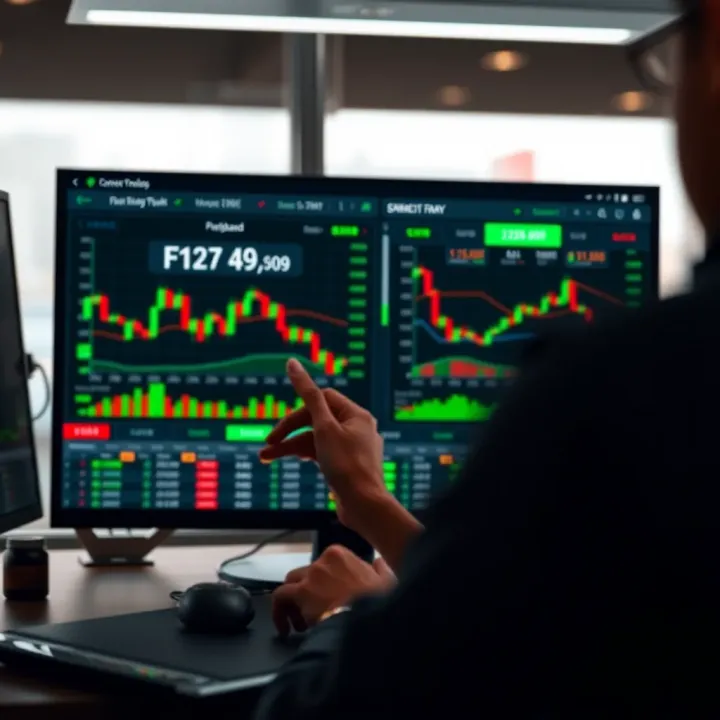
🚀 Discover how Forex Fury can assist South African traders with automated forex trades, understand its pros, cons, risks, and useful tips to trade smarter.
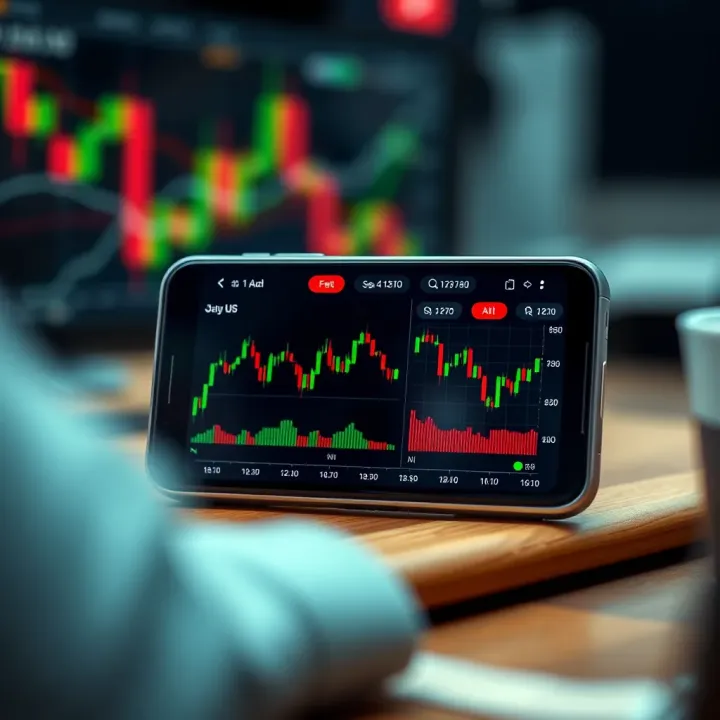
📱 Explore demo trading apps in South Africa: learn how to pick the best platform, spot common mistakes, and build trading confidence without risking any real R.
Based on 13 reviews