

Understanding Crypto Trade for Kenyan Investors
📈 Start your crypto journey in Kenya with this practical guide covering trading basics, popular platforms, M-Pesa payments, local rules, risks, and security tips.
Edited By
Charlotte Hughes
Equity investments offer a solid chance for Kenyan investors to grow their wealth beyond typical savings or fixed deposit interest rates. The term equity edge simply means the advantage investors gain when they choose equities—shares of companies—over other asset classes. This edge can come from dividends, capital gains, or influence in company affairs.
Unlike government bonds or bank accounts, equities tend to ride the waves of economic growth, especially in a developing market like Kenya's. For example, an investor in Safaricom shares might enjoy price growth as the company expands its customer base and launches new services alongside steady dividends from profits. This dual benefit is at the heart of the equity edge.

Understanding this concept helps investors make smarter choices in managing their portfolios. Kenyan investors often face challenges such as inflation eating into fixed-income returns or limited access to other mainstream investments. Equities, therefore, offer a more dynamic way to build wealth, especially when you invest thoughtfully by selecting companies with strong fundamentals and growth prospects.
The equity edge is not without risks; stock prices often drop due to market shifts or company challenges. However, with proper knowledge and diversified holdings, the edge can tilt in your favour over time.
Capital appreciation: Share prices may rise faster than inflation and fixed returns.
Dividend income: Some companies pay regular dividends, providing steady cash flow.
Voting rights: Shareholders can influence company decisions during annual general meetings.
For Kenyan investors, the equity edge also lies in the ability to tap into sectors like telecommunications, banking, and agriculture—key drivers of the country’s economy. Leveraging local knowledge and understanding market cycles is crucial when weighing risks and rewards.
In short, the equity edge represents a practical benefit for investors willing to engage actively with the stock market, balancing gains against volatility. It’s not magic, but with a sharp eye and clear strategy, equities can be a powerful tool to grow and protect your wealth in Kenya’s financial ecosystem.
The equity edge refers to the advantage an investor gains by effectively leveraging stock market opportunities to outperform average market returns. In practical terms, it's about identifying stocks or strategies that provide better growth or income compared to standard investments. For example, a savvy investor who spots undervalued shares on the Nairobi Securities Exchange (NSE) before they rise gains an equity edge through timely market insight.
Unlike general investment gains that rely on market trends or luck, the equity edge focuses on specific actionable advantages—such as superior research, timing, or portfolio diversification—that lead to consistent outperformance. It’s not just about earning profits but about earning better returns for the risk taken compared to peers or benchmarks.
An equity edge differs from other investment advantages like tax benefits or low transaction costs because it hinges on knowledge and strategy rather than external factors. For instance, tax incentives might reduce your total investment cost but won’t guarantee better returns. The equity edge comes from understanding market cycles, company fundamentals, or sector shifts that enable selective stock picking.
Moreover, unlike bond or real estate advantages, which often rely on fixed incomes or asset appreciation over time, the equity edge seeks to capitalise on fluctuating market prices and dividend opportunities. This makes it a more dynamic and potentially rewarding approach but requires continuous attention and expertise.
Having an equity edge plays a significant role in growing an investment portfolio beyond average benchmarks. For Kenyan investors, who often face limited access to diversified investment vehicles, gaining this edge through sharp market analysis or local sector knowledge can mean the difference between modest savings growth and meaningful wealth accumulation. For example, investing in emerging sectors like renewable energy or technology stocks early can boost portfolio value faster than sticking to traditional sectors.
Over the long term, the equity edge enables investors to build wealth through compounded returns. Consistently selecting quality stocks with growth potential and reliable dividends means reinvested earnings add up significantly. Such advantages are clear in Kenya’s stock market history, where investors who held shares in companies like Safaricom or KCB Bank during their growth phases saw substantial wealth creation.
Without an equity edge, investors risk settling for average market returns, which might not keep pace with inflation or financial goals. Building this advantage requires effort but pays off in sustained, improved portfolio performance.
In summary, defining the equity edge and understanding its importance sets the foundation for smart investment decisions that benefit Kenyan investors aiming to grow capital and secure financial futures.
Gaining an equity edge relies on several key factors that help investors make better decisions and achieve higher returns. Understanding these elements allows traders, brokers, and financial advisors to build strategies with clearer insight and less guesswork. The following sections break down what matters most in sharpening your equity edge.

Understanding market trends goes beyond just watching stock prices move up and down. It means recognising patterns influenced by economic cycles, consumer behaviour, and sectoral shifts. For example, during Kenya's agricultural harvest season, certain stocks related to fertilisers or farm equipment might perform better due to increased demand. Staying aware of such local market trends allows an investor to anticipate movements rather than reacting too late.
Moreover, global events like oil price changes or interest rate decisions by the Central Bank of Kenya (CBK) also affect the Nairobi Securities Exchange (NSE). Investors who monitor these dynamics can better time their buys and sells.
Using local economic indicators is equally vital. Indicators such as inflation rates, Kenya’s GDP growth, and consumer price index (CPI) provide clues about the economy’s health. When inflation rises sharply, for example, it may erode purchasing power, impacting the profits of consumer-focused companies.
Similarly, infrastructure projects or government policies promoting manufacturing can signal growth opportunities in related equities. An investor who reads these signs understands which sectors to favour or avoid, giving them an upper hand in portfolio selection.
Choosing undervalued stocks means identifying shares priced lower than their intrinsic value. This requires thorough analysis of company financials, earnings growth, and market sentiment. For instance, a well-managed tea exporter with consistent sales might be undervalued if political tensions have temporarily scared off investors.
Buying undervalued stocks lays the foundation for capital gains when the market corrects itself, highlighting the value investors failed to recognise initially. Exploring financial reports and KRA tax compliance records can be part of deep diligence in this regard.
Best entry and exit points focus on timing investment moves to maximise gains or minimise losses. No one wants to buy just before a slump or sell immediately before a rally. Technical analysis tools, like moving averages or Relative Strength Index (RSI), help investors find these sweet spots.
For example, buying Safaricom shares during a price dip when market sentiment is low, followed by selling after positive earnings reports, can significantly improve returns. Effective timing avoids costly emotional decisions such as panic selling during volatility.
Balancing sectors and industries is about spreading investments across different parts of the economy to avoid overexposure to one area. In Kenya, combining stocks from banking (Equity Bank), energy (KenGen), and manufacturing sectors ensures that if one sector struggles due to drought or regulation, others may still perform well.
This balance reduces the risk that all investments decline together. It also exposes the investor to different growth drivers, such as export markets, local consumption, or infrastructure development.
Reducing risk through variety extends beyond sectors to include company size and market type. Investing in a mix of large-cap companies and promising small or mid-cap stocks diversifies portfolio volatility. For example, mixing established blue-chip stocks with emerging firms listed on the NSE Growth Enterprise Market Segment (GEMS) spreads risk and opportunity.
Diversification acts like a safety net during economic shocks, giving the investor more resilience to market fluctuations.
A well-rounded equity edge comes from marrying sharp market insight, smart stock picks, and proper diversification. Kenyan investors who apply these principles wisely stand to gain above-average portfolio growth while managing risk effectively.
Investors who understand and use the equity edge can significantly improve their returns and overall wealth growth. This advantage goes beyond theory — it translates into practical benefits like better portfolio performance and stronger income streams. Kenyan investors, especially those active on the Nairobi Securities Exchange (NSE), stand to gain by appreciating how equities can outperform other investment classes over time.
Historically, the Kenyan stock market has delivered growth that often surpasses fixed income assets and real estate. For example, blue-chip stocks like Safaricom and Equity Bank have shown consistent capital appreciation over the past decade. This growth reflects the companies' enduring market presence and Kenya's economic expansion. While stock prices do fluctuate, investors with the equity edge can spot undervalued opportunities and time their trades to maximise returns. This has helped many investors beat inflation and achieved average annual returns exceeding 10%-15% in certain periods, which is higher than typical bank fixed deposits.
Comparing equities to fixed income and real estate reveals different risk-return profiles. Fixed income instruments, such as government bonds or bank fixed deposits, offer lower but safer returns, usually between 7% and 12% annually. Real estate can generate steady rental incomes and capital growth but requires larger capital and faces liquidity challenges. Moreover, property markets in Kenya can be affected by location-specific issues like county land laws and infrastructure progress. Equities, meanwhile, provide more flexibility, with the chance to trade shares quickly and access dividends. For those with patience and good market insight, this flexibility combined with growth potential makes equities a compelling asset class.
Dividends provide a steady income stream that adds real value to equity investments. Companies listed on the NSE often pay dividends annually or semi-annually, distributing profits directly to shareholders. High dividend yields have been recorded especially during periods of stable corporate earnings, making them attractive to income-focused investors. For example, KenGen and KCB Bank have offered dividend yields averaging around 5% in recent years, which supplements capital gains and can help manage portfolio volatility.
Equally important is the compounding effect from reinvested capital gains. When investors reinvest dividends and profits instead of withdrawing them, their total equity value can grow exponentially over time. This practice is especially relevant in long-term investing, where patience and discipline allow even modest returns to snowball significantly. A Kenyan investor who started with KSh 100,000 in a diversified NSE portfolio and consistently reinvested dividends over a decade could realistically see values triple or quadruple, depending on market conditions. This power of compounding reinforces the equity edge as a source of sustainable wealth creation.
Leveraging an equity edge means benefiting not only from price appreciation but also from reliable dividend income and the magic of compounding returns. This combination can boost total portfolio wealth beyond what fixed income or property investments may achieve alone.
In summary, practical benefits of the equity edge include the potential for higher returns than other assets, access to regular income through dividends, and growth driven by compounding. Kenyan investors who develop the skills to identify and hold quality shares can improve their financial outcomes considerably by working with these advantages.
Investing with an equity edge involves navigating several challenges and risks that can impact the success of your portfolio. A clear understanding of these obstacles helps investors prepare for possible setbacks and develop strategies to stay on course. Kenyan investors, for instance, often face unique hurdles such as political shifts and economic changes that can suddenly alter market conditions. Recognising these elements is essential to managing risk effectively and maintaining steady portfolio growth.
Political instability can shake investor confidence and cause sharp swings in equity markets. Kenya’s general elections or changes in government policies tend to create uncertainty, leading to swift market reactions. For example, during past election years, the NSE 20 share index often experienced increased volatility as investors responded to both real and perceived risks. Companies heavily dependent on government contracts or regulation may see their share prices fluctuate more significantly. As such, investors need to monitor political developments closely and adjust their portfolios if necessary to avoid severe losses.
Kenyan equities don’t operate in isolation; they are influenced by global markets and economic trends. Changes in commodity prices, such as coffee or tea, can affect the earnings of local exporting companies. For instance, a sudden drop in crude oil prices internationally might reduce operational costs for transport companies listed on the NSE, boosting their stock value. Conversely, global financial crises or tightening monetary policies in major economies can lead to capital flight from emerging markets like Kenya. Investors must keep an eye on global news, especially from key trading partners, to anticipate movements that could impact their equity holdings.
One of the most common pitfalls in equity investing is panic selling during downturns. When the market dips, some investors rush to sell shares to avoid further losses, often locking in mistakes instead of waiting for recovery. For instance, during the COVID-19 market slump in 2020, many Kenyan investors sold off equities prematurely, missing out on the subsequent rebound. Keeping a clear head and focusing on long-term goals can help you resist emotional impulses. Remember, markets typically recover over time, and reacting hastily can erode your equity edge.
Sticking to an investment plan requires discipline, especially when markets are volatile. Overtrading—frequent buying and selling driven by short-term news—can eat into returns through transaction costs and taxes. In the Kenyan context, where brokerage fees and taxes like Capital Gains Tax (CGT) still apply, this makes disciplined investing even more critical. Investors who regularly review their strategy, set clear entry and exit points, and avoid chasing market fads increase their chances of preserving and growing their equity edge.
Staying aware of political, economic, and emotional challenges allows you to navigate Kenya’s equity markets more confidently and keep your investment edge alive.
By understanding the risks and maintaining a steady approach, you can avoid common traps and set yourself up for more reliable investment outcomes.
Building and maintaining an equity edge requires deliberate strategies grounded in knowledge, professional insight, and clear financial goals. Investors who actively apply these methods tend to navigate market complexities better and improve their portfolio performance sustainably.
Following NSE updates is vital for staying informed about market movements, regulatory changes, and new listings. The Nairobi Securities Exchange (NSE) regularly publishes performance data, corporate announcements, and sector-specific reports. Keeping track of these updates helps investors spot emerging trends early, identify potential investment opportunities, and respond to risks promptly. For example, an investor noticing a surge in telecom sector activity after a policy update can adjust holdings before the wider market reacts.
Utilising financial news and analysis tools enhances market understanding by offering deeper insight into company fundamentals and macroeconomic conditions. Platforms like Bloomberg, Reuters, and local financial outlets offer real-time news, stock analyses, and expert commentaries. These tools also provide charts, ratios, and forecasts that help investors compare stocks and assess market sentiment. For instance, a trader might use price-to-earnings (P/E) ratios alongside sector news to spot undervalued stocks suitable for long-term growth.
The role of financial advisors is crucial, especially for investors new to equities or seeking personalised guidance. Advisors can assess your risk profile, recommend suitable stocks or funds, and help devise a clear investment plan. Their experience helps avoid common pitfalls such as emotional trading or chasing market hype. For example, a financial advisor might advise balancing growth stocks with dividend-paying blue chips to protect capital during market dips.
Digital platforms for investment monitoring have transformed how investors track and manage portfolios. Online tools from brokers and apps such as NSE Mobile Trading, EABL Equity Apps, or portfolio trackers provide instant access to real-time prices, transaction histories, and portfolio performance summaries. These platforms often feature alerts for price changes or corporate actions, allowing timely decision-making. Kenyan investors benefit by staying connected to their investments even when away from their desks, like monitoring NSE shares during a matatu ride.
Setting realistic targets ensures your investment strategy aligns with what you seek to achieve—whether it's saving for university fees, retirement, or buying property. Realistic goals consider timelines and expected returns, helping avoid disappointment and reckless decisions. For instance, an investor targeting KSh 5 million for a child's education in 10 years can determine the level of equity exposure necessary and adjust contributions accordingly.
Balancing risk tolerance and returns is about matching your comfort with market ups and downs to investment choices. High-return stocks often come with greater volatility, unlike safer blue chips that provide steadier, but lower, returns. Understanding your risk appetite means you avoid panic selling during downturns and remain committed to your equity edge strategy over time. For example, a conservative investor may prioritise stable dividend stocks, while an aggressive investor might include more small-cap firms with higher growth potential.
Keeping your equity edge sharp involves a blend of continuous education, professional support, effective technology use, and well-defined personal goals. This balanced approach helps Kenyan investors withstand market uncertainties and grow wealth over the long term.
📈 Start your crypto journey in Kenya with this practical guide covering trading basics, popular platforms, M-Pesa payments, local rules, risks, and security tips.
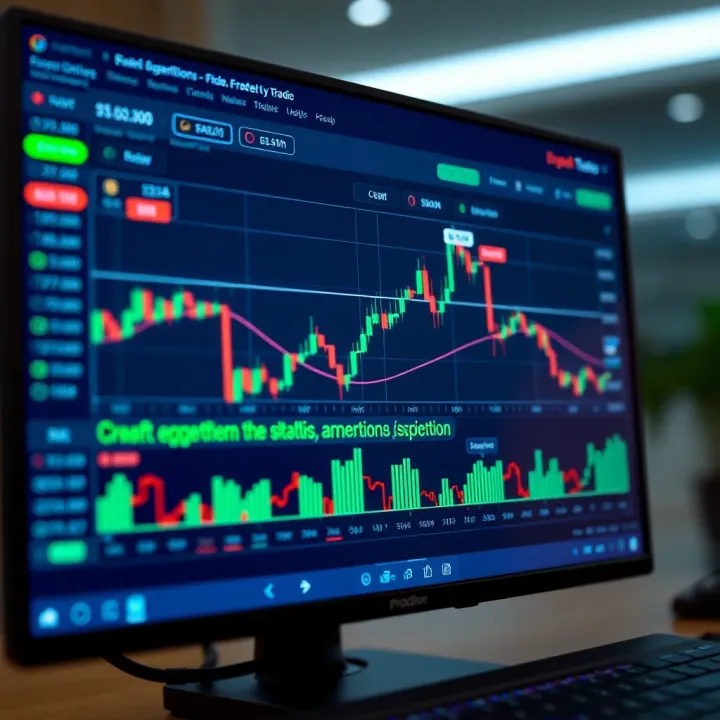
Learn how ExpertOption offers forex, crypto and commodity trading to Kenyans 🇰🇪. Understand steps, risks, tips and how to trade smartly with this platform 📈💡.

📈 Considering Amazon stock from Kenya? Learn how to invest, understand recent trends, risks and opportunities to grow your portfolio wisely through safe, practical steps.

📊 Deriv trading guides Kenyan investors through simple contracts to trade price moves, manage risks & use local payments like M-Pesa. Learn practical steps today!
Based on 6 reviews