
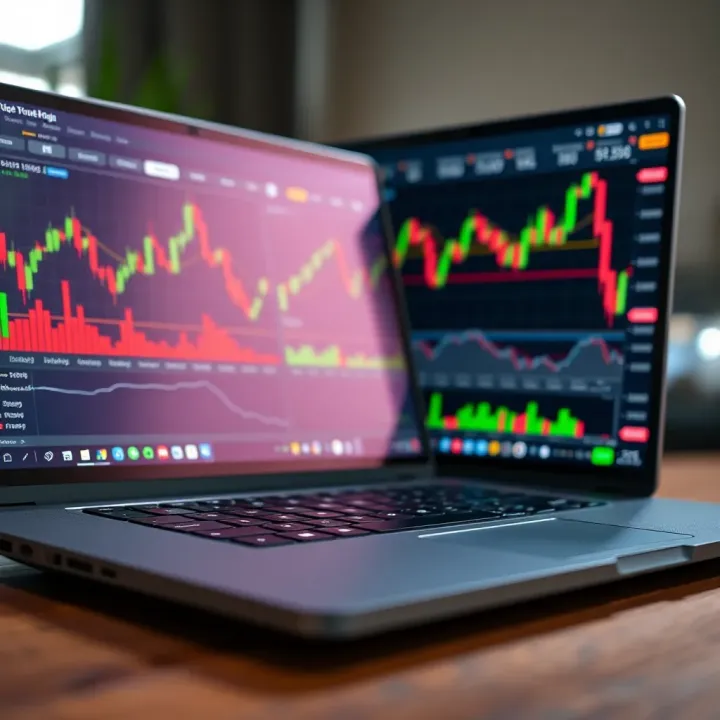
Best Laptop for Forex Trading in South Africa
🔍 Find the ideal laptop for forex trading in South Africa—learn which specs and features help you monitor markets, handle trades smoothly, and manage apps efficiently.
Edited By
Daniel Morgan
Forex trading has become quite popular in South Africa, attracting many investors looking to take advantage of the currency markets. However, this boom has also opened the door for scammers who prey on unsuspecting traders hoping to make quick profits. These scams can be quite sophisticated, often promising unrealistic returns or using fake platforms.
Understanding how these forex scams work is essential if you want to protect your money. Scammers often exploit traders through tactics such as false guarantees, high-pressure sales pitches, and misleading advertising. For example, some fraudsters set up fake online brokers with websites that look official but are designed to steal deposits and personal details.
South Africa has laws and regulatory bodies tasked with protecting investors, such as the Financial Sector Conduct Authority (FSCA). However, navigating the regulatory landscape can be confusing for traders who are new or less experienced. Recognising legitimate brokers involves checking their FSCA licence, reading user reviews, and confirming their existence in official registries.
Always be cautious when dealing with cold calls or unsolicited investment offers. If it sounds too good to be true, it probably is.
To avoid falling victim, traders should follow some simple steps:
Verify the broker’s regulatory status through the FSCA database
Avoid promises of guaranteed profits or high returns with low risk
Never share sensitive personal or financial information with unknown parties
Use official payment channels, such as bank transfers or licensed mobile money services
Educate yourself about common scam tactics and stay updated with alerts from regulators
Understanding these aspects equips you to spot red flags early and take prompt action. Protecting your investments means staying informed, vigilant, and relying on trustworthy sources. This article will guide you through more details on recognising common forex scams, relevant South African regulations, and practical ways to safeguard your money.
Forex trading is a major avenue for investors in South Africa looking to diversify their portfolios beyond traditional shares and property. It involves buying and selling foreign currencies to profit from exchange rate fluctuations. Understanding forex trading's landscape in South Africa is essential to grasp why scams have become widespread and how to shield oneself effectively.
Forex trading attracts many South Africans due to its accessibility and potential for quick returns. The low barrier to entry means that even a trader with a modest capital – say KSh 20,000 – can start trading from home using online platforms. This accessibility has made it particularly popular among young professionals and those in urban areas like Johannesburg, Cape Town, and Durban.
The advent of mobile technology and widespread internet access has also made forex trading platforms more reachable. Many traders take advantage of apps from brokers offering real-time trading. However, this popularity has led to a surge in unregulated operators trying to exploit unaware traders with unrealistic promises.
The FSCA is South Africa’s main regulatory body overseeing financial markets, including forex trading. Its mandate is to ensure that financial service providers operate fairly, transparently, and within the law. This protects traders by enforcing rules against misleading advertising and fraudulent signals. The FSCA also monitors licensed brokers to confirm they maintain adequate capital and followed sound risk management.
For example, if a broker claims guaranteed high returns with no risk, the FSCA can intervene to investigate such claims as they are typically false. The authority’s public warnings against dubious forex schemes serve as a key resource for South African traders wary of scams.
Only brokers authorised and licensed by the FSCA are legally permitted to operate in South Africa. This licence assures clients that the broker meets minimum standards, such as segregation of client funds and transparent fee structures. Before signing up with any forex broker, a careful check of their FSCA licence is crucial.
Licensed brokers usually display their licence number clearly on their website. Moreover, traders can verify this directly on FSCA’s official resources. Engaging with unregistered or offshore brokers not recognised by the FSCA can expose traders to loss without any recourse.
Always confirm that your forex broker is FSCA-authorised before investing. This step significantly reduces the risk of falling victim to scams and provides legal protection if disputes arise.
In sum, knowing the trading environment, its popularity among locals, and the legal safeguards helps you navigate forex trading in South Africa with more confidence and caution.
Understanding common forex scam methods is a key part of protecting yourself from losing money and falling victim to fraud. South Africa’s forex scene attracts many investors, but its popularity also invites scammers who use varying tactics to deceive traders. Being aware of these scams helps you spot risks early and make better trading choices.
Fake brokers are among the most frequent scams in South Africa’s forex market. These fraudsters set up websites or trading platforms that seem professional but lack any regulation or licensing from the Financial Sector Conduct Authority (FSCA). For example, a trader might stumble upon a flashy site claiming to offer low spreads and high leverage but overlooking that it doesn’t appear on the FSCA’s authorised list. Once a deposit is made, withdrawal requests are ignored, or the platform suddenly shuts down.
Unregistered platforms often mimic legitimate brokers to lure investors with enticing offers. Some set unrealistic trading terms or offer exclusive deals that legitimate brokers wouldn’t provide. The practical takeaway: always verify a broker’s credentials on the FSCA website before investing any money.
Ponzi schemes thrive on promises of high, consistent profits with little risk—something that sounds too good to be true and usually is. In South Africa, some operators recruit members to invest funds, using new investors’ money to pay returns to earlier ones. These schemes collapse once new investments dry up, leaving many with losses.
An example was seen in smaller local investment groups where organisers promised 20% monthly returns investing in forex but were actually diverting funds for personal use. If you are offered guaranteed profits or pressure to recruit others, it’s a strong red flag. Real forex trading involves risk, and no one can promise consistent, high returns.
Some scammers use phishing to steal your personal and financial information. This could be through fake emails or messages pretending to be from a legitimate broker or FSCA, asking you to confirm your bank details or login credentials. Once they get access, they can drain your accounts or commit identity theft.
In South Africa, phishing scams often follow major events like KCSE result releases or tax deadlines, preying on distracted individuals. Always double-check the sender and avoid clicking links or attachments from unknown sources. Using two-factor authentication and strong passwords can also protect your accounts.
Beware of any forex offers that push quick deposits without clear details on the company behind the platform. Always confirm legitimacy through official channels before risking your money.
Being familiar with these common scam methods arms you with the knowledge to stay alert and trade safely in South Africa’s forex market.
Spotting warning signs early can save you from losing your investment to forex scams. These scams often masquerade as genuine trading opportunities, so knowing the typical red flags helps you steer clear of fraudsters. For anyone trading forex in South Africa, recognising these clues is a practical way to protect your savings and trade with confidence.
Illegitimate brokers often lack proper licensing or operate outside the Financial Sector Conduct Authority's (FSCA) approval. They might promise guaranteed profits or claim insider knowledge without any risk, which is unrealistic in any financial market. For example, a broker who pressures you to transfer funds quickly or refuses to disclose their physical office address should raise suspicion. Likewise, if their website has poor grammar, inconsistent information, or missing contact details, these are warning signs that the broker might not be trustworthy.
Fraudsters tend to use pushy salespeople who insist that you invest immediately to avoid missing out. They might bombard you with calls or messages, claiming limited-time offers or exclusive tips. This rush tactic aims to cloud your judgement. An example is a broker sending daily WhatsApp messages promising quick profits or threatening to close your account unless you deposit more money. Legitimate brokers will never rush your decisions; they provide time and clear information for you to consider your options.
Always verify a broker’s licence with the FSCA before investing. You can check the FSCA’s public register to confirm if the broker is authorised. Be cautious if the broker claims regulation but can’t provide proof or appears on no official lists. It’s practical to also check online reviews and forums where other South African traders share experiences. Remember, a legitimate broker will openly share their licence information and follow local regulatory requirements, including client fund protection measures.
Taking the time to spot these red flags lowers your risk of falling victim to forex scams. Always be cautious, ask questions, and verify information before committing money.
Identifying these warning signs equips you with practical ways to safeguard your forex trading journey in South Africa. Your investments deserve that kind of care and attention to detail.
Navigating forex trading in South Africa means understanding the protections offered by law and knowing where to turn if something goes wrong. Legal frameworks exist primarily to shield traders from financial loss through scams, and knowing how they function can save you from costly mistakes.
The Financial Sector Conduct Authority (FSCA) is the main regulator overseeing forex trading activities in South Africa. When traders suspect fraud or dishonest conduct, the FSCA provides a formal channel for complaints. Once a case is reported, the FSCA investigates any breaches involving unregistered brokers or deceptive practices. For example, in recent years, the FSCA suspended several unlicensed forex platforms that were taking deposits without delivering trades. Traders who lodge complaints can expect the FSCA to request documentation, conduct hearings if necessary, and issue warnings or sanctions. However, enforcement can be a lengthy process, so having patience and providing detailed evidence—including transaction records and communication with the broker—strengthens the case.
Besides the FSCA, other agencies play roles in protecting forex traders. The South African Police Service (SAPS) can get involved when fraud reaches criminal levels, such as when identity theft or Ponzi schemes are uncovered. The National Consumer Commission (NCC) may assist in cases where unfair business practices are suspected. Also, the South African Reserve Bank (SARB) monitors foreign exchange policies and can take action when illegal cross-border transactions occur. Making sure you understand which agency handles which type of problem helps in seeking the right help quickly.
If you suspect you’ve been targeted by a forex scam, taking the following steps is essential:
Gather all relevant information: contracts, payment receipts, emails, or WhatsApp messages with the broker.
Verify the broker’s licensing status on the FSCA official register.
Report the case directly to the FSCA through their online complaint system or at their offices.
File a case with SAPS, especially if large sums or identity theft are involved.
Notify your bank or payment provider to try and stop further transactions.
Share your experience on trader forums to warn others and get advice.
Remember, acting quickly improves the chances of recovery and helps authorities stop scammers from victimising others.
Taking advantage of these protections and reporting channels can make a real difference. While the forex market carries risks, being informed and vigilant helps you trade securely in South Africa's growing financial space.
Trading forex safely in South Africa means being cautious and well-informed. These practical tips help you protect your money from scammers and build a steady approach to trading. Simple steps like picking the right broker, starting small, and choosing secure payment methods can make a big difference.
Before you open an account with any forex broker, do thorough research. Look for brokers registered and authorised by the Financial Sector Conduct Authority (FSCA). Verify their licence status on the FSCA website to avoid falling for fake platforms. Reading reviews from fellow traders gives insight into how a broker operates in practice. For instance, if many users mention delayed withdrawals or poor customer service, consider it a red flag.
Many traders in South Africa turn to local forums or financial blogs discussing broker reputations. Don’t just rely on the broker’s website or aggressive sales calls. Also, check if the broker provides clear contact details and responsive customer support. Genuine brokers tend to be transparent about fees and trading conditions.
One way to lower your risk is by starting with small investments. Never pour your life savings into forex trading from the outset. Instead, treat it like a learning curve and invest amounts you can afford to lose. For example, starting with KSh 5,000 to KSh 10,000 allows you to test the platform without exposing yourself to huge losses.
Small stakes help you understand market movements and the broker’s platform without panic or pressure. As you gain confidence and see consistent results, you can gradually increase your investment. This approach also keeps scammers at bay since they often try to trap traders aiming to invest large sums immediately.
When funding your trading account, use payment methods that offer protection and traceability. M-Pesa and bank transfers through reputable Kenyan or South African banks are good options. Avoid sending money via cash transfers or third-party apps that lack regulation.
Secure payments help you track transactions and provide a record in case of disputes. Some brokers offer payment via credit or debit cards, which may have fraud protection policies. Always check if the payment channels the broker uses comply with financial regulations and allow easy withdrawals.
Always treat your trading funds as seriously as your daily expenses. A cautious approach guards your savings against scams and helps you build a sustainable trading habit.
In summary, researching brokers carefully, starting small, and using trustworthy payment methods form a solid foundation for safe forex trading. These practical tips reduce risks and equip you to spot and avoid scam traps in South Africa’s growing forex market.
🔍 Find the ideal laptop for forex trading in South Africa—learn which specs and features help you monitor markets, handle trades smoothly, and manage apps efficiently.
📈 Find out the best times to trade forex from South Africa! Learn how SAST affects volatility, major market hours, and tips to time your trades well for better edge.
📈 Discover how South African investors can use stock indices to track market trends, understand calculations, and make smarter investment choices today.
Discover how South African traders use Telegram forex signals 📱 to improve trading. Learn risks, benefits, and tips for choosing reliable providers ⚖️.
Based on 13 reviews