

Gold Price Prediction Today in Kenya
📈 Discover today's gold price forecast in Kenya, with insights on economic trends, currency shifts, and political events that impact your investments and trading decisions.
Edited By
Daniel Morgan
Gold has always been a popular refuge for many in Kenya, especially when the shilling feels weak or inflation bites hard. But the question many investors and traders ask right now is: will gold prices fall in the coming days? Understanding this requires looking beyond Kenya’s borders because gold moves with global tides.
Globally, gold prices react to factors like the US dollar strength, interest rate decisions by the US Federal Reserve, and geopolitical tensions. When the dollar goes up, gold often dips since it becomes more expensive for buyers using other currencies, like the Kenyan shilling. For example, during periods when the Fed hints at raising interest rates, gold can lose some shine as safer bonds offer better returns.
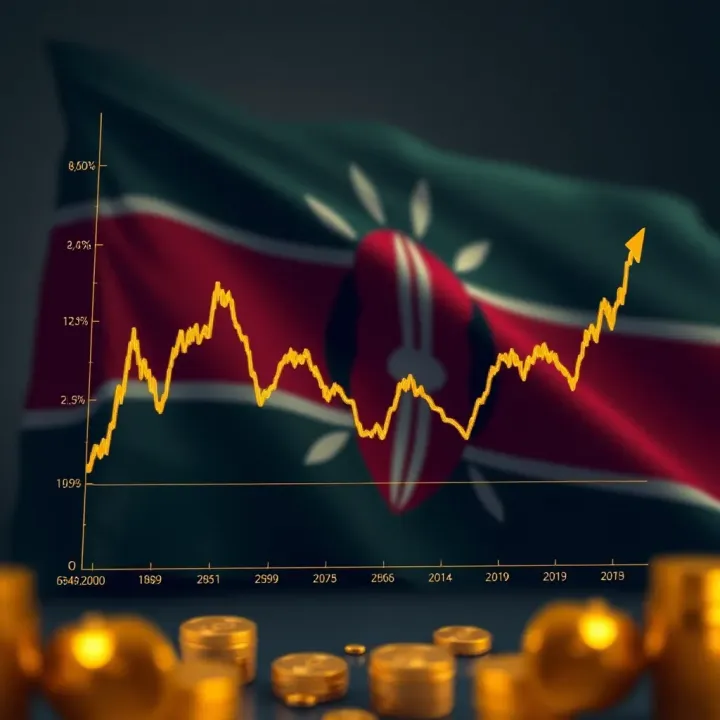
Locally, Kenya’s own economic health plays a role too. Inflation levels, currency stability, and demand from jewellery makers and informal traders directly impact gold’s local price. In times of currency depreciation, many Kenyans turn to gold as a hedge against losing purchasing power.
“The interplay between global market trends and Kenya’s economic indicators shapes the outlook for gold prices. Traders should monitor both carefully.”
Global interest rates and US dollar trends: Interest rate hikes tend to push gold prices down while rate cuts have the opposite effect.
Kenyan shilling performance: A weak shilling often pushes local gold prices up since import costs rise.
Inflation in Kenya: High inflation can increase gold demand as a store of value.
Geopolitical events: Conflicts or tensions globally can drive investors to gold, pushing prices up.
Local market demand: Jewellery and small-scale traders in Nairobi and coastal towns create steady demand affecting prices.
If you’re trading or investing in gold, keep a close eye on the CBK reports about inflation and currency trends, as well as major global economic updates, especially from the US Federal Reserve. Examining these together will help you make informed decisions.
Predicting short-term drops in gold prices is tricky because demand and supply are influenced by many shifting factors. However, if you notice the shilling strengthening and global interest rates climbing simultaneously, that might spell a short-term dip in prices.
In contrast, if inflation picks up or geopolitical unrest worsens, gold tends to hold or rise in value. So, your strategy should blend an awareness of these signals with on-the-ground realities, including demand from Kenyan jewellers and traders.
By staying alert to these signals, you’ll be better placed to understand whether the gold rate will decrease soon or not.
Understanding the current state of the gold market is essential for anyone tracking prices or making investment decisions. It shows how recent events and economic conditions influence gold's value globally and locally in Kenya. This insight helps traders and investors decide whether to buy, sell, or hold gold assets based on the latest trends.
Global gold prices have shown some ups and downs recently, reflecting investor reactions to economic uncertainty. For example, in the last quarter, prices hovered between $1,850 and $1,950 per ounce, influenced by inflation fears and changing monetary policies. These fluctuations matter because they affect not just global markets but also import costs for Kenya, where gold is often priced with reference to the international rate.
This volatility highlights the cautious mood among investors—during times of higher inflation or political unrest, gold tends to rally as a safe haven. Conversely, when confidence in economic recovery grows, prices may ease a bit. Keeping an eye on these price movements can inform local buying and selling strategies.
The actions of major economies like the United States, China, and the European Union significantly affect gold prices. For instance, when the US Federal Reserve tightens interest rates, it usually strengthens the US dollar and pushes gold prices down, since gold is priced in dollars. On the other hand, trade tensions between China and the US can boost gold demand as a protective asset.
Kenyan investors need to watch these macroeconomic signals because they often determine how affordable gold will be locally. Shifts in these economies can trigger rapid price changes worldwide, impacting importers and local market participants in Kenya.
Locally, gold price behaviour depends on demand from jewellery makers, investors, and small-scale miners. During festive seasons or wedding periods, demand tends to rise, pushing prices higher. Conversely, when mining output increases or when buyers reduce purchases, supply imbalances can lead to price dips.
For example, in Nairobi's Gikomba Market, fluctuations in jewellery sales directly influence wholesale gold prices. Traders and investors should note these seasonal and supply-side factors to better time their transactions.
The strength of the Kenyan shilling against the US dollar plays a huge role in local gold prices. Since gold importers pay in dollars, a weaker shilling means it costs more shillings to buy the same amount of gold. For instance, when the exchange rate shifts from KSh 120 to KSh 125 per dollar, import costs rise, often passing the burden to customers.
Therefore, currency volatility can quickly push local gold prices upwards independent of global gold price trends. Investors and traders need to factor in shilling fluctuations when considering the timing and profitability of their gold-related deals.
Keeping a finger on both global price trends and local market conditions equips Kenyan traders and investors to make smarter moves in the gold market, whether for jewellery, investment, or resale purposes.
Understanding key factors affecting gold prices is essential for anyone involved in the gold market, whether a trader, investor, or financial advisor. These factors not only influence the current price but also help anticipate future movements. Given the volatility in global and local markets, pinpointing these influences offers practical guidance for making timely decisions about buying or selling gold.
Inflation rates and gold as a hedge
Inflation tends to eat away at the real value of money, prompting many investors to turn towards gold as a protective asset. When inflation rises, the purchasing power of the Kenyan shilling decreases, making tangible assets like gold more attractive. Historically, gold has maintained value better than cash during high inflation periods, serving as a hedge. For instance, during past bouts of inflation in Kenya, such as in 2022 when inflation hovered around 8%, gold prices often showed resilience, attracting more buyers looking to preserve wealth.
However, this relationship isn’t always linear. When inflation is moderate or declines, the demand for gold as an inflation hedge might weaken, leading to stable or decreasing gold prices. Investors tracking inflation statistics from the Kenya National Bureau of Statistics (KNBS) should note this link for timely market positioning.
Interest rates and monetary policy shifts
Higher interest rates typically increase the opportunity cost of holding non-yielding assets like gold. When the Central Bank of Kenya (CBK) raises rates to curb inflation or stabilise the currency, investors often shift funds from gold to interest-bearing assets such as bonds or fixed deposits. This move tends to put downward pressure on gold prices.
Conversely, accommodative monetary policy, with lower interest rates or quantitative easing, generally supports higher gold prices as it reduces the return on other assets, making gold more appealing. Kenyan investors should monitor CBK monetary policy reports closely, as unexpected hikes or cuts can send ripple effects through gold valuations.
Geopolitical tensions and gold demand
Gold often acts as a safe haven during times of geopolitical uncertainty. Conflicts or political instability, whether in East Africa or globally, tend to push investors towards gold for security. For example, during periods of heightened tensions in the Middle East or trade disagreements between major economies like the US and China, global gold demand surges, supporting prices.
For Kenyan investors, this means that regional or international political developments can significantly influence local gold rates, making it important to stay informed about global news beyond just economic indicators.
Trade disputes and commodity market reactions
Trade disputes between large economies impact commodities broadly, including gold, through shifts in supply chains and investor confidence. Tariffs or sanctions can create market uncertainty, pushing investors towards gold as a hedge against market risk. For instance, recent tariff tensions between China and the US led to increased gold buying globally.
Locally, these disputes affect Kenya’s export-import balance and the shilling’s strength, which in turn influence gold prices in Kenyan shillings. Traders and financial advisors should weigh international trade developments along with currency trends when assessing gold price movements.
Monitoring economic indicators and geopolitical events together offers a clearer picture of potential gold price moves. In Kenya’s interconnected economy, global and local factors blend to shape how gold rates change day to day.
Forecasting the gold price movement over the near term matters a lot to Kenyan traders, investors, and financial advisors. Knowing where the price may head soon helps in making informed buying or selling decisions. For example, a jeweller in Nairobi considering new stock may wait for signs of a price drop to avoid overpaying. Similarly, investors seeking to protect wealth or grow portfolios can plan better if they understand near-term trends.
Analysing short-term gold price forecasts allows stakeholders to respond quickly to market changes. These forecasts use economic data, political developments, and currency trends to estimate price directions over weeks or months. While no prediction is perfect, a well-grounded forecast reduces guesswork and hedges against sudden losses.
Short-term price forecasts typically look at indicators such as inflation data, interest rate changes, and central bank announcements. For instance, if the US Federal Reserve signals a pause on interest rate hikes, gold prices could ease slightly due to reduced demand for safe-haven assets. Kenyan investors following global news can adjust their expectations accordingly.
These forecasts reflect the practical need to anticipate price moves that affect portfolio values and purchasing power. A trader aiming to hedge might use this information to decide on contracts or gold-related stocks listed on the Nairobi Securities Exchange (NSE). Likewise, jewellery dealers in Mombasa or Nakuru can plan inventory purchases based on such short-term insights.
Factors supporting potential decreases in gold prices include improved economic growth and rising interest rates. For example, if inflation cools off in major economies or employment numbers improve, investors might shift funds from gold to equities. This reduces gold demand and thus pressure on prices. Another factor is a stronger US dollar, which usually weighs down on gold as it becomes costlier for non-dollar holders.
For Kenyans, these factors suggest that if the shilling remains stable or gains against the dollar, local gold prices might ease even if international prices stay steady. Traders who track currency rates alongside gold data can better time their moves to benefit from such dips.
Unexpected economic shocks can quickly drive gold prices up. Situations like a sudden spike in energy prices or a geopolitical conflict in East Africa or abroad create uncertainty. When investors fear volatility or recession, they often buy gold as a safe asset, boosting its price. For Kenyan investors, such shocks might mean holding onto gold longer than planned to preserve value amid market turmoil.
Besides political conflicts, pandemics or banking crises also qualify. For instance, a jump in inflation beyond forecasts may prompt urgent purchases. This unpredictability underscores the need for caution and diversified portfolios.
Currency volatility concerns also sustain high gold prices. The Kenyan shilling’s fluctuations against major currencies influence local gold rate directly. If the shilling weakens sharply, importing gold becomes costlier, pushing retail prices higher despite international trends.
Investors and traders must watch exchange rate movements carefully. Using forward contracts or hedging tools could protect them from sudden adverse swings. In areas like Eldoret or Kisumu, where currency and commodity markets might be less stable, such strategies can be particularly useful to manage risk.
Staying alert to both global economic signals and local currency shifts helps Kenyan market participants navigate gold price changes more confidently.
In summary, near-term gold price forecasts offer practical value for decision-makers in Kenya. They allow one to weigh potential gains from price dips against risks of unexpected rises, all while considering currency impacts. This balanced view keeps investments smarter and less exposed to sudden surprises.
Changes in gold prices have a direct impact on various sectors in Kenya, especially jewellery businesses and individual investors. For many Kenyans, gold serves not only as a form of investment but also as a cultural asset, often used during weddings, dowry payments, and festive occasions. Understanding how fluctuations in gold prices affect affordability and investment potential helps Kenyans make better financial decisions.
When gold prices go up, the cost of jewellery tends to follow, making gold ornaments more expensive to purchase locally. This affects both retailers and consumers, particularly those who rely on jewellery for cultural ceremonies or as gifts. For instance, during high gold price periods, a traditional gold necklace that once cost KSh 50,000 may sell for KSh 60,000 or more, putting pressure on buyers’ budgets.
Conversely, a decrease in gold price can increase affordability, allowing more people to acquire gold jewellery without stretching their finances. This is especially relevant for middle-income families in urban centres like Nairobi and Mombasa, where gold demand rises around festive seasons and weddings. Retailers often adjust their pricing strategies depending on these shifts to maintain sales volumes.
Small-scale investors in Kenya often purchase gold in physical form—coins, bars, or jewellery—as a tangible asset to preserve wealth. Fluctuations in gold rates directly impact the value of these holdings. When prices fall, the resale value declines, potentially affecting investors’ returns.
However, lower prices might also present buying opportunities for those looking to increase their gold holdings affordably. For example, a small-scale investor working through mobile investment platforms or local dealers might choose to buy additional gold when rates dip, anticipating future appreciation. Still, such decisions require careful attention to timing and market signals to avoid losses.
Since gold is priced internationally in US dollars, fluctuations in the Kenyan shilling's exchange rate influence the local gold price in KSh. A stronger shilling against the dollar means Kenyans can buy gold at a lower local price, even if the global dollar price remains unchanged.
For example, if the shilling strengthens from KSh 110 to KSh 105 per dollar, importing gold becomes slightly cheaper, reducing retail gold prices in the local market. On the other hand, a weakening shilling pushes up local gold prices, making it costlier for consumers and investors. Traders and financial advisors closely watch foreign exchange movements to time market entry or exit effectively.
Gold often acts as a hedge against inflation, protecting investors from losing purchasing power when living costs rise. In Kenya, when inflation ticks upward—as it sometimes does during periods of fuel price increases or food shortage—gold’s value tends to rise as well, preserving wealth.
However, if gold price drops while inflation climbs, small-scale investors and consumers face a squeeze where their gold holdings do not keep pace with rising expenses. For instance, if inflation hits 7% but gold prices in KSh fall by 2%, the real purchasing power invested in gold diminishes. Understanding this dynamic helps investors decide whether to hold gold or diversify into other assets like real estate or fixed deposits.
For Kenyans, keeping an eye on both gold price movements and macroeconomic indicators like currency strength and inflation provides a clearer picture for making smart investment and purchasing decisions.
Navigating the gold market successfully requires understanding both the global and local dynamics affecting prices and knowing when to act. This section explores practical strategies that traders, investors, and advisors can use in Kenya to make informed decisions about buying, selling, or investing in gold-related assets.
Timing investment decisions based on market signals involves watching key indicators such as global gold trends, local demand, and the strength of the Kenyan shilling. For example, when geopolitical tensions rise or inflation spikes, gold prices often increase as investors seek a safe haven. Conversely, when interest rates rise or the shilling strengthens against the dollar, gold prices may dip, signalling a potential buying opportunity.
In Kenya, this means keeping an eye on reports from the Central Bank of Kenya about currency movements, inflation data released by the Kenya National Bureau of Statistics (KNBS), and global market news. Experienced traders might also use technical analysis tools to spot entry and exit points. Acting on these signals can help avoid buying gold at peak prices or selling when prices are low.
Using gold as a long-term store of value remains a preferred strategy for many Kenyans looking to protect wealth against inflation and currency depreciation. Gold historically maintains its value over time, making it a hedge against the erosion of purchasing power. Unlike stocks or bonds, physical gold or well-managed gold investments tend to retain intrinsic worth even during economic downturns.
For instance, families in rural Kenya often invest in gold jewellery or coins as savings that can be liquidated later in times of need, such as during school fees payments or emergency medical expenses. This approach embraces patience and avoids reacting to daily market fluctuations, giving investors a safety net in an uncertain economy.
Gold-related stocks and firms on the Nairobi Securities Exchange (NSE) offer an alternative to holding physical gold. Shares of mining companies or firms involved in gold trading allow investors to gain exposure to gold prices with potentially higher liquidity and dividends. Additionally, these stocks tend to move with global gold trends but may also gain value from company performance and local economic growth.
Investing in such stocks requires monitoring company financial health and sector developments. For example, an uptick in gold exports following improved mining regulations in Kenya can buoy company shares, offering investors additional earnings beyond gold price changes alone.
Gold savings products and mobile investment platforms have become increasingly popular in Kenya, leveraging digital access to start or grow gold holdings with small amounts through platforms like M-Pesa. These savings products offer flexibility, allowing investors to buy fractions of gold with lower entry costs and easy liquidity.
Platforms such as the NSE’s online gold trading or mobile apps connected to regulated dealers provide Kenyans the opportunity to participate in the gold market without needing to store or secure physical gold. Besides convenience, these options include safety mechanisms against fraud and price transparency, making them practical for urban investors balancing many financial commitments.
Savvy investors watch both the market conditions and available tools. Understanding when to buy or sell gold, and exploring alternative investment routes, can protect and grow wealth in Kenya’s dynamic economic environment.
📈 Discover today's gold price forecast in Kenya, with insights on economic trends, currency shifts, and political events that impact your investments and trading decisions.

📈 Get next week’s gold price forecast, analysing economic trends, currency shifts & global events shaping gold’s value. Practical tips for Kenyan investors! ₤

📉 Learn how crude oil prices affect Kenya’s economy, from fuel costs to business expenses. Understand supply, OPEC, geopolitics & market changes in simple terms.
Discover how Kenyan traders can spot reliable forex signals on Telegram 📈. Learn types, benefits, risks, and tips to boost your trades confidently 🇰🇪.
Based on 11 reviews