

Best Time to Trade GBP/USD from South Africa
📈 Know the best times to trade GBP/USD from South Africa, factoring local hours and market moves. Get practical tips to boost your forex trading strategy effectively.
Edited By
Edward Hughes
Trading the USD/JPY currency pair from South Africa demands a sharp understanding of when the market is most active. Unlike local equities or bonds, forex trading is shaped by global schedules that influence price movements and volatility. For South African traders, aligning your trading hours with the right market sessions is key to seizing opportunities.
The USD/JPY pair reflects the value between the US dollar and the Japanese yen, two heavyweights in global finance. Price swings tend to be sharper during overlapping trading sessions, especially those involving the Tokyo and New York markets. However, South Africa operates on South African Standard Time (SAST), which is two hours ahead of Coordinated Universal Time (UTC+2).

Understanding the timing difference is crucial. For instance, when Tokyo’s market opens at 9:00 am JST (Japan Standard Time, UTC+9), it's only 2:00 am in South Africa. Many traders in South Africa will find the early Tokyo hours challenging to trade live without late-night shifts. Yet this period often sees significant activity influenced by Japanese economic reports or Bank of Japan announcements.
During the US market hours, which begin at 9:30 am EST (UTC-5), it is 4:30 pm in South Africa. This period covers the New York session and tends to be quite volatile for the USD/JPY pair, especially in the first few hours after opening. The overlap between London and New York sessions, from about 3:00 pm to 5:00 pm SAST, often brings increased liquidity and sharper price changes.
For South African traders, the ideal time to watch USD/JPY closely is between 3:00 pm and 11:00 pm SAST, coinciding with when both Tokyo and New York sessions provide good liquidity.
Keep in mind that global economic events, speeches by central bank officials, and geopolitical developments can shake the market outside these usual active periods. Checking an economic calendar aligned with your local time helps you plan your trades effectively.
In this guide, we look at practical approaches to track these sessions, manage trading risks specific to South African conditions, and maximise returns on USD/JPY trades. Your goal should be to trade during the most active hours while balancing your daily schedule and avoiding unnecessary overnight exposure.
Grasping the fundamentals of the USD/JPY currency pair is key for any trader in South Africa aiming to make the most of forex opportunities. Knowing what drives this pair and how it behaves helps you time your trades, manage risks, and forecast possible market moves based on current events or economic data.
The USD/JPY pair consists of two major currencies: the US dollar (USD) and the Japanese yen (JPY). The USD acts as the base currency, meaning the price shows how many Japanese yen it takes to buy one US dollar. This pairing reflects not just the economic conditions of the two countries but also their international trade dynamics. For instance, if Japan's exports to the US increase, the demand for the yen may rise, affecting the pair's value.
USD/JPY is one of the most traded pairs globally due to the economic weight of both countries. The US is the world's largest economy, while Japan holds a significant place as Asia's third-largest economy. USD/JPY serves as a barometer for economic health and investor sentiment in both the Western and Asian markets. It’s a preferred pair for many traders because of its liquidity, meaning you can enter and exit positions quickly without huge price swings.
The USD/JPY typically exhibits moderate volatility compared to other currency pairs. Its price often moves in response to major economic announcements rather than erratic market swings. This predictability helps South African traders plan their trades, balancing the potential for profit with manageable risk. For example, during Bank of Japan policy releases or US Federal Reserve meetings, expect the pair’s volatility to spike significantly.
Key reports like US Non-Farm Payrolls, GDP growth, and inflation figures, alongside Japan's GDP, industrial production, and trade balance, heavily influence USD/JPY. For example, a strong US jobs report tends to strengthen the dollar against the yen, pushing the pair higher. Conversely, disappointing Japanese export data might weaken the yen, causing the pair to rise.
Interest rates set by the US Federal Reserve and the Bank of Japan drive demand for these currencies. Since Japan's rates have been low or even negative for years, any US rate hikes usually make holding dollars more attractive, boosting USD/JPY. South African traders watching US monetary policy will see how changes in rate expectations affect the pair and adjust their positions accordingly.
Events such as trade negotiations, geopolitical tensions, or unexpected crises affect USD/JPY prices. For example, during periods of global uncertainty, the yen often acts as a safe haven, pushing the pair down as traders seek the yen’s relative safety. On the other hand, smooth US-Japan trade talks may strengthen investor confidence, pushing USD/JPY up.
Understanding these elements can give South African traders an edge by helping predict when USD/JPY is likely to move, enabling smarter entry and exit points.
By keeping an eye on these fundamentals, you can better align your trading strategy with market forces rather than guesswork.
Understanding how the global forex trading sessions influence the USD/JPY is key for traders based in South Africa. The currency pair’s activity and volatility heavily depend on which trading session is open, as this determines the market’s liquidity and price movement. By knowing when different sessions operate and overlap, you can pinpoint the best times to trade the USD/JPY for more favourable pricing and reduced spreads.
The Tokyo session kicks off the Asian trading day, running roughly from 2 am to 11 am South African Standard Time (SAST). This session is particularly relevant for USD/JPY because Japan’s market action brings meaningful volume and volatility. Since the Japanese yen is part of the pair, many economic releases and Bank of Japan policy announcements occur during this time. For South African traders, early morning hours offer a chance to catch movements tied to Asian developments before European markets start to engage.
The London trading session picks up speed from about 9 am to 6 pm SAST. It overlaps partially with Tokyo and later connects with New York’s trading hours. Being the world's financial capital, London introduces increased liquidity and sharper price swings in USD/JPY. European traders react to US economic data released near the session start, so watching the market in late morning to early afternoon SAST helps traders leverage this activity.

From 2 pm to 11 pm SAST, the New York session dominates. Since the US Dollar is the base currency in USD/JPY, news and data from the US strongly affect this pair during these hours. The US Federal Reserve’s decisions, employment reports, and major economic indicators release during this period, often triggering significant movements. South African traders can target this afternoon to evening window for higher volatility and trading opportunities.
The Tokyo and London sessions overlap briefly around 9 am to 11 am SAST. Though shorter, this period is notable because Asian traders and European participants are both active, which can lead to surprisingly lively action in USD/JPY. It’s a good time for South African traders who prefer morning trading for catching emerging trends and liquidity shifts.
The London-New York overlap runs approximately from 2 pm to 6 pm SAST and is often the most volatile of the day for USD/JPY. With both European and American traders actively buying and selling, this four-hour window brings deep liquidity and frequent sharp price moves. For South African traders, being active during this time increases chances to enter and exit positions at optimal prices.
When two major trading sessions run simultaneously, more participants enter the market, raising trading volume. Higher volume reduces spreads and boosts liquidity, which leads to faster price changes. This increased activity attracts more traders, who benefit from sharper movements and tighter trading conditions. For USD/JPY traders in South Africa, focusing on these overlaps aligns their trading with the most vibrant and cost-effective market periods.
Trading the USD/JPY without considering session overlaps is like fishing in a pond with few fish. Those overlaps create conditions where the market is alive and moving — ideal for both short-term and swing strategies.
Understanding how to convert global forex trading hours into South African Standard Time (SAST) is essential for traders dealing with the USD/JPY pair. Since forex markets operate 24 hours but in different time zones, knowing the exact local hours for key sessions helps South African traders plan their activities effectively and avoid missing critical market moves.
Forex trading hours in major markets like Tokyo, London, and New York vary with daylight savings, though South Africa itself does not observe it. For example, during British Summer Time (BST), London’s trading session opens one hour ahead relative to SAST. Meanwhile, the US shifts between Eastern Standard Time (EST) and Eastern Daylight Time (EDT), affecting market opening and closing hours. South African traders need to adjust their schedules accordingly, especially during March to October when these changes apply abroad.
Failing to account for daylight savings leads to missed trading opportunities or entering trades outside peak liquidity hours. Keeping a simple calendar or forex-specific clock showing adjusted hours can save valuable time and improve responsiveness.
Major forex sessions are typically given in their local times: Tokyo (09:00–18:00 JST), London (08:00–17:00 GMT/BST), and New York (08:00–17:00 EST/EDT). To trade USD/JPY optimally, South African traders must convert these into SAST, which is UTC+2 all year.
For instance, Tokyo session in South African terms runs roughly from 02:00 to 11:00 SAST. London’s session falls between 09:00 to 18:00 or 10:00 to 19:00 SAST during BST. New York trading hours translate to 14:00–23:00 SAST or 13:00–22:00 SAST during EST. These conversions help identify when market activity is highest and when USD/JPY liquidity peaks.
Since USD/JPY is heavily influenced by both Asian and US markets, South African traders often find early morning and afternoon hours more favourable. Early mornings (around 02:00–11:00 SAST) catch the Tokyo session, offering good liquidity from Japanese market activity. Afternoons (14:00–23:00 SAST) overlap with New York trading, allowing access to US market-driven moves.
Trading outside these hours might expose one to thin market conditions, wider spreads, and lower volatility—which can hamper effective trade execution. Setting trading alerts and managing positions within these practical windows improves chances for successful trades.
The morning window aligns with Tokyo’s active hours, generally 02:00 to 11:00 SAST. This timing lets traders benefit from movements linked to Japanese economic data releases and Bank of Japan announcements. Monitoring news during this time is crucial, as price reactions can be swift.
The afternoon window, roughly 14:00 to 23:00 SAST, includes the New York session and some overlap with London’s closing hours (especially during BST). This period brings high trading volume and volatility, given the influence of US economic releases and Federal Reserve updates.
Liquidity peaks during overlaps:
Tokyo-London Overlap (09:00 to 11:00 SAST): A shorter window where Asian and European traders are active, providing tighter spreads and swift price action.
London-New York Overlap (15:00 to 17:00 SAST): Known as the best period to trade USD/JPY, this overlap bursts with high volume due to European and American market participation. Trades executed now usually see better price execution.
Recognising these pulses allows South African traders to prioritise entries and exits when the market is most dynamic.
Low volatility typically happens during the evening hours in South Africa, around 23:00 to 02:00 SAST, when both Tokyo and New York sessions are closed, and London is winding down.
Trading during this slack period risks wider spreads and unpredictable price swings influenced by fewer participants. South African traders should avoid placing big trades or strategies dependent on volatility during these times, as returns tend to be muted and risks heightened.
Staying aligned with global forex timing while adjusting for South African Standard Time is a practical step to maximise trading effectiveness on USD/JPY. It helps avoid pitfalls and pinpoints when market action truly matters.
Understanding the specific factors influencing USD/JPY is vital for traders in South Africa. These elements directly affect price movements and volatility, shaping trading opportunities and risk. Knowing when major market events happen, how news triggers sudden moves, and how to manage those risks with effective tools will improve your trading decisions.
The US Federal Reserve (Fed) controls interest rates and monetary policy, which strongly impact the US dollar component of USD/JPY. When the Fed hints at raising or lowering rates, volatility in the pair usually spikes sharply because traders adjust expectations for economic growth and inflation. For example, a surprise rate hike could push USD/JPY higher as investors seek better returns in US assets. As a South African trader, watch the Fed’s scheduled meetings and statements closely, especially during South African trading hours, since price swings can be significant and fast.
Similarly, the Bank of Japan’s (BoJ) approach to interest rates and quantitative easing affects the yen side of USD/JPY. The BoJ has often maintained low or negative rates for years, and any indication of changing this stance can cause big market moves. For instance, in early 2023, minutes from BoJ meetings stirred strong yen appreciation expectations. These monetary policy signals matter more during the Asian trading hours, so it’s important to adjust your strategy to catch or avoid volatility spikes linked to BoJ announcements.
While global USD/JPY trading is 24-hour during the week, South African traders face local restrictions based on broker trading hours and market liquidity. Some brokers operating in South Africa might adjust hours around holidays or system maintenance. Also, regulatory frameworks and time zone differences mean liquidity levels vary, impacting trade execution quality. Ensuring your chosen broker offers trading hours that align well with major active sessions for USD/JPY—mainly the Tokyo and New York overlaps—can help you avoid slippage or widened spreads.
Effective use of stop-loss and take-profit orders helps South African traders manage risk in the often-volatile USD/JPY market. A stop-loss limits losses automatically if the market moves unfavourably, preventing emotional decisions during sudden moves, such as surprise Fed news. Conversely, take-profit orders lock in gains when a preset price target is reached. For example, placing a stop-loss 30 pips below your entry and take-profit 60 pips above can offer a risk-to-reward ratio that suits your trading style.
Leverage allows traders to control larger positions with smaller capital but increases both potential profits and losses. In South Africa, brokers often offer leverage ratios up to 1:100 or more for forex, including USD/JPY. Yet, using high leverage without solid risk management can wipe out your account quickly. It’s wiser to start with lower leverage, say 1:10 or 1:20, to protect your capital while you gain experience. Always align your leverage choice with your risk tolerance and position size.
Combining technical and fundamental analysis offers a fuller picture. Technical analysis—studying charts, trends, and indicators like moving averages or RSI—helps identify entry and exit points in the USD/JPY pair. Fundamental analysis involves monitoring economic data such as US employment figures, Japanese industrial output, or geopolitical events affecting trade relations. For instance, if US jobs data is stronger than expected, fundamentals suggest USD strength, while technical signals may confirm buying momentum. For South African traders, balancing these approaches enhances timing and improves decision-making.
Staying alert to both global economic news and local brokerage conditions while using risk tools strategically will boost your chances when trading USD/JPY from South Africa.
For South African traders, fine-tuning strategies when dealing with the USD/JPY pair is key to making consistent gains. The forex market moves differently depending on the time of day, liquidity, and volatility, all of which affect how various strategies perform. Understanding how to adapt your approach to local trading hours ensures you neither miss opportunities nor expose yourself to unnecessary risk.
Day trading suits those who prefer to open and close positions within the same day, aiming to profit from short-term price movements. In South Africa, the optimal hours for day trading USD/JPY typically fall within the London-New York overlap, roughly between 3 pm and 8 pm South African time. This window offers good liquidity and volatility, essential for quick trades.
Swing trading, on the other hand, involves holding positions for several days to weeks, making it less sensitive to the exact trading hours. This approach allows traders with limited time during peak hours to plan and execute trades without active screen time. Swing traders can benefit from overnight price swings influenced by news from Japan or America, so monitoring global economic calendars is crucial.
Trading during high volatility periods, like overlapping sessions, can yield better profits but demands active attention. For a South African trader juggling a 9-to-5 job, it may be challenging to focus during these peak hours. Hence, deciding on a trading style depends on your daily schedule and risk tolerance.
If you can dedicate time during the key active hours, day trading USD/JPY can provide quicker outcomes. But if your availability is limited, swing trading offers a way to capitalise on larger market moves without constant monitoring. In both cases, tailoring strategies to your time constraints avoids unnecessary stress and improves overall efficiency.
Choosing a trading platform that offers local support – including customer service in East Africa, M-Pesa payment integration, and relevant news from South African and international sources – simplifies your trading experience. Platforms like Plus500 or IG Markets provide user-friendly interfaces and reliable execution, which are essential when acting quickly during volatile USD/JPY sessions.
Localised support also means easier access to funds, better educational resources, and tools tailored to Kenyan or South African traders. This boosts your confidence in managing positions and handling unexpected market events.
Since the USD/JPY market moves around the clock, including during South African night hours, setting alerts can help you catch significant price changes without watching screens non-stop. Most platforms allow you to set price or technical indicators alerts that notify you on your mobile or email.
Automated trading strategies, like Expert Advisors (EAs) or algorithmic bots, can execute trades on your behalf based on preset conditions. They are especially useful during South African off-hours, ensuring your trading plan runs continuously. However, it's essential to understand and test these tools properly to avoid unwanted losses due to market unpredictability.
Optimising your trading strategy combines awareness of time zones, personal availability, and the right technology. For South African traders, this approach brings a practical balance between market opportunity and lifestyle demands.
📈 Know the best times to trade GBP/USD from South Africa, factoring local hours and market moves. Get practical tips to boost your forex trading strategy effectively.

📈 Find out the best times to trade forex from South Africa! Learn how SAST affects volatility, major market hours, and tips to time your trades well for better edge.
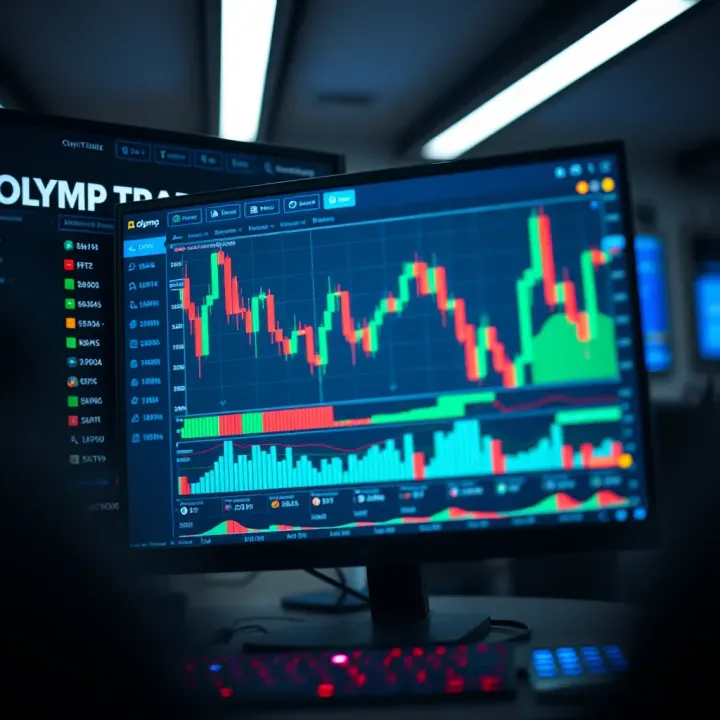
Explore Olymp Trade's features, trading tips, and account setup essentials to navigate the platform confidently. 📈 Perfect for South African traders seeking smart strategies and risk management.

💰 Understand the Trade 245 minimum deposit basics, how it shapes your trading options, and essential tips for South African investors to start wisely.
Based on 11 reviews