

Understanding FX Robots: How They Work in Forex Trading
Explore how FX robots operate in Kenya’s forex market, their tech, key benefits, risks, and legal aspects to help you trade smarter 📉🤖🇰🇪
Edited By
Laura Middleton
Forex trading robots for Android have opened up new ways for Kenyan traders to engage with the forex market. These automated tools use algorithms to analyse currency price movements and execute trades on your behalf, reducing the need for constant manual monitoring. For many busy traders in Nairobi or other towns, they offer a chance to trade even while on the go, using just a smartphone.
The software works by connecting to your trading platform, such as MetaTrader 4 or 5, commonly available on Android. Once linked, the robot scans the market data continually, identifying patterns or signals based on preset strategies. It then places buy or sell orders automatically. This ability to trade 24/7 can help you capture opportunities even during odd hours without missing out.
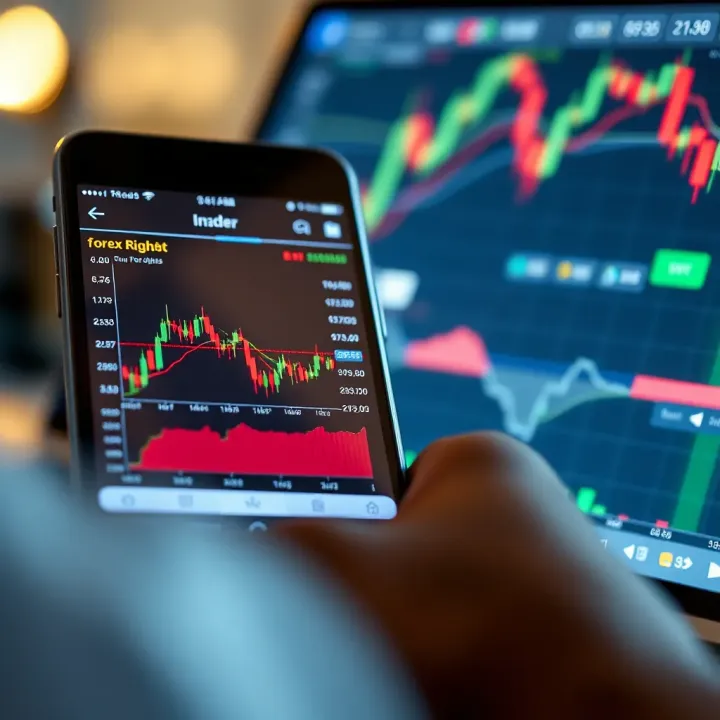
However, it’s worth remembering that these robots do not guarantee profits. Kenyan forex markets, like global ones, are affected by unpredictable factors including political events, economic releases, and changes in global trade. While robots can act faster than humans and stick strictly to their rules without emotion, they can also make costly errors if market conditions suddenly shift.
Robots should complement your trading skills, not replace them entirely. Understanding when and how to use these tools matters a lot.
If you consider using a trading robot on your Android:
Check the robot’s track record and reviews from other users to avoid scams
Use demo accounts first to test performance without risking real money
Understand the settings to tailor the robot to your trading goals and risk limits
Keep software updated to avoid security vulnerabilities
Many Kenyan traders appreciate robots because they automate tedious tasks like monitoring multiple currency pairs or managing stop-loss orders. For instance, a trader focusing on the USD/KES pair can program the robot to close positions if the shilling weakens beyond a certain point, helping manage local currency risks.
In this guide, we'll walk through popular Android-based forex robots, practical tips for setup, and ways to navigate the risks — equipping you to make informed choices in the Kenyan forex trading scene.
Understanding forex trading robots on Android is key for traders who want to automate their trading activities effectively. These robots offer a practical way to handle the complexities of the forex market directly from your mobile device, which fits well with Kenya’s rising mobile-centric business culture. By grasping how these robots function and what they offer, you can make smarter choices and avoid common pitfalls.
A forex trading robot is a software program designed to automate the process of buying and selling currencies in the foreign exchange market. Its main purpose is to execute trades based on predefined criteria without needing constant human intervention. For instance, a mobile forex robot can monitor currency pairs while you are on the move and trigger trades automatically to capture profit opportunities or limit losses.
These robots automate trading decisions using complex algorithms that analyse market patterns, price movements, and economic indicators. They rely on technical analysis methods, such as moving averages, to decide when to enter or exit trades. This automation reduces the emotional influence common in manual trading, helping traders, especially beginners, to stick to their strategy.
Common features of forex robots include configurable trading strategies, real-time market monitoring, stop-loss and take-profit settings, and reporting dashboards. Many offer customisation options to suit different risk appetites and trading styles. For example, a trader in Nairobi might set parameters to avoid high-risk trades during periods of known market volatility caused by geopolitical events.
Forex robots for Android are built to run smoothly on the Android operating system, the most popular mobile platform in Kenya. They often come as standalone apps or as plugins for existing mobile trading platforms like MetaTrader. Compatibility with Android ensures that traders can receive updates, monitor trades, and adjust settings easily from any Android device.
Integration with trading platforms and brokers is essential for these robots to function correctly. The robot must connect securely with the broker's system via APIs or mobile apps to execute trades instantly. In Kenya, this means the robot should be compatible with locally accessible brokers who may support payment methods like M-Pesa for funding trading accounts.
The user interface on Android forex robots is designed for simplicity and control. Traders can set their preferred strategies, monitor active trades, and view performance metrics even when travelling or away from their desktop. Good interfaces include features like notifications, easy adjustment of trailing stops, and access to historical data to help make informed decisions.
In short, understanding these basics allows traders to use forex robots on Android devices more effectively, balancing convenience with the need for active supervision and control.
Using forex robots on Android devices has changed the game for many traders, especially in Kenya where mobile use is high. These automated systems bring real benefits but also come with risks that you need to know before trusting your money or strategy to them.
Convenience and accessibility make forex robots appealing. You can trade wherever you are—whether commuting on a matatu, at a cafe in Nairobi, or relaxing at home in Kisumu. Instead of being glued to a desktop or waiting for market hours, the robot works around your schedule. This means more opportunities to manage trades without disrupting daily routines. For example, a trader in Mombasa can monitor and adjust trading strategies easily via a smartphone app, without needing to be in front of a computer all day.
Faster trades and reduced emotion-driven errors are another key plus. Human traders often hesitate or panic, making costly mistakes when prices shift quickly. A forex robot executes trades instantly based on preset rules, eliminating hesitation. This speed can capture better entry and exit points, helping to protect your capital during sudden market moves. For instance, if currency rates drop sharply due to unexpected news, the robot can act immediately, avoiding losses that a manual response might miss.
24/7 market monitoring becomes simple with android-based forex robots. The forex market never sleeps, and missing key trading signals can mean lost profits. A robot keeps watch on global currency pairs at all times, automatically analysing trends whether you're asleep or busy. This non-stop presence suits Kenyan traders juggling jobs or family, as the robot ensures nothing slips through the cracks even when you step away from your phone.

Despite advantages, potential software bugs or errors can cause problems. Robots rely on programming algorithms that sometimes fail or glitch—this could lead to missed trades, incorrect orders or worse, unintended losses. For example, if the robot freezes during market volatility or cannot connect properly due to network hiccups, it might execute faulty trades. Regular updates and monitoring are necessary to minimise such risks.
Market volatility challenges can't be ignored. Forex robots typically follow past data and set parameters, which may not cope well when sudden shocks or black swan events occur. In such times, algorithms may misread signals or keep trading in a direction that increases risk. Kenyan forex traders need to understand that no automatic system predicts every market twist; human judgment is always needed to step in.
Lastly, there's the risk of scams and unreliable providers. The booming popularity of forex robots means unscrupulous actors flood the market with fake or poorly made software promising big returns. Traders should be careful to verify provider credentials, look for genuine reviews, and test with demo accounts before committing funds. For instance, avoid robots that ask for large upfront fees without clear performance records or customer support.
Successful use of forex robots on Android depends on balancing their benefits with awareness of risks. Never rely solely on automation without proper oversight and risk management.
By knowing these pros and cons, Kenyan traders can make informed decisions about adopting forex robots and improve their chances of success in the forex markets.
Making the right choice of a forex trading robot for your Android device significantly shapes your trading success. Not all robots are created equal, and picking one suited to your specific needs—especially in the Kenyan market—can save time, reduce losses, and improve your overall experience. Key factors like compatibility, customisation, and security form the backbone of an effective trading tool. Understanding these elements will help in navigating the wide range of options available and safeguard your investments.
A forex robot that works smoothly with Kenyan brokers is essential. Many Kenyan traders rely on local or regional brokers that support payment methods such as M-Pesa, which makes deposits and withdrawals easier. A robot that integrates well with platforms commonly used by Kenyan brokers—like MetaTrader 4 or 5—ensures seamless trading without technical glitches. For example, if the robot cannot connect properly to an MT4 platform hosted by a broker in Nairobi, you might face delays or failures when executing trades, which can cost dearly in fast-moving markets.
Trading is not one-size-fits-all, so a robot that allows you to tweak trading parameters is more valuable. Maybe you prefer low-risk trades with smaller but frequent gains, or perhaps you’d like to set stop-loss limits based on your risk appetite. Customisation enables you to adjust the robot’s trading style to match both your goals and changing market conditions, especially during volatile periods like the long rains when currency pairs may behave unpredictably. This flexibility can help you protect your capital while still staying active in the market.
Security matters a lot, particularly when the robot handles your broker credentials and trading data. Ensure the robot uses strong encryption and never shares your details with third parties without consent. With cybercrime on the rise, even in Kenya, using a robot backed by trustworthy developers with clear privacy policies is vital. A secure connection to both your device and broker accounts protects you from unauthorised access. Also, verify that the robot does not request unnecessary permissions on your Android device, which might indicate data misuse.
User feedback can quickly reveal how reliable and effective a forex robot is. Browsing genuine reviews on app stores or trader forums—like local financial groups on Facebook or Twitter—helps separate reputable robots from scams. Look for consistent positive reports on trade execution speed and customer support. Beware of overly polished or repetitive reviews, which could be fake. Instead, value feedback that highlights practical experience and specific outcomes.
A robot created by a known developer or company specialising in trading software adds an extra layer of trust. Developers with active customer engagement and regular updates tend to fix bugs and improve features, ensuring your robot stays reliable. For instance, a robot supported by a recognised developer in Kenya's financial software community will probably offer better localisation, like Swahili language support or integration with Kenyan payment systems.
Good forex robots often provide trial periods or demo accounts to test their functions without risking real money. This lets you understand how the robot behaves under live market conditions and measure its success rate. Trying out a robot in demo mode can show if its trading strategy suits your style, helping avoid costly mistakes. For a Kenyan trader, using demo accounts also means you can practice connecting the robot to your preferred local broker without financial pressure.
Choosing the right forex robot means balancing functionality with trustworthiness. Don’t rush; test and research thoroughly to find a tool that fits your trading goals and keeps your money safe.
By focusing on these critical features and credibility checks, you are better positioned to select a forex trading robot that works well on your Android device and fits the Kenyan market landscape.
Forex trading robots tailored for Android devices bring automation to the palms of Kenyan traders, making it easier and faster to react to market shifts. These robots vary widely, from internationally renowned platforms to solutions focused on Kenya’s unique market conditions.
Examples with local and global relevance
Global names like MetaTrader’s Expert Advisors (EAs) remain popular because their broad broker support includes Kenyan firms. For instance, MetaTrader 4 and MetaTrader 5 have extensive robot libraries, allowing users to automate strategies with a familiar interface. Locally, platforms like Pocket Option or even bots integrated with Safaricom’s M-Pesa payment system offer African traders better currency and payment alignment.
Robots like Forex Fury and GPS Forex Robot show proven track records internationally and support Android integration. Their algorithms adapt to different market conditions, which can be useful given Kenya’s exposure to both global and regional forex trends.
Basic operations and user experience
Most popular forex robots function seamlessly on Android by syncing with trading platforms either via dedicated apps or web-based interfaces. They analyse market data continuously and execute trades based on pre-set rules, reducing the need for constant manual oversight. User experience usually involves simple dashboards showing open positions, historical performance, and risk settings.
For example, MetaTrader’s Android app enables trading robots to run as Expert Advisors, allowing traders to tweak settings on the go. This offers Kenyan users not just automation but also control over parameters like stop-loss, take-profit levels, or trade frequency.
Pricing and purchasing options
Pricing models differ, from free robots bundled with trading apps to premium bots charging monthly subscriptions or one-time fees. In Kenya, affordable or free trials are common, helping traders test a robot without committing upfront. Some bots are sold directly on app stores, while others require manual downloading from vendors.
It’s usual to find robots offering tiered subscriptions that provide basic features initially, with advanced analytics or higher trade limits unlocked at higher prices. Kenyan traders should carefully evaluate cost versus the promised benefit, considering their trading capital and expected returns.
Broker integration and payment methods like M-Pesa
Seamless integration with Kenyan brokers is a major factor. Successful forex robots connect directly to brokers that support M-Pesa or bank transfers, making deposits and withdrawals straightforward. For example, Interactive Brokers Kenya and local brokers like EGM Securities support mobile payments aligning well with automated trading.
Without easy payment options like M-Pesa, the robot’s effectiveness reduces — delays or extra fees can eat into profits. Check if the robot supports brokers that process local payment methods instantly.
Network and data usage challenges
Kenya’s mobile internet varies by location, with some regions facing spotty coverage. Forex robots doing real-time data analysis might slow down or disconnect under poor networks, potentially delaying trade execution.
Users should choose robots that have offline operational capabilities or efficient data usage to reduce cost and ensure consistent trading. Some robots offer lightweight apps or downloadable indicators to help manage data consumption.
Regulatory compliance and CMA guidelines
Kenya’s Capital Markets Authority (CMA) regulates forex trading and requires brokers and trading systems to meet certain standards. Using a robot linked with CMA-authorised brokers reduces the risk of scams.
Many forex robots claim profitability but may ignore local compliance. Traders should verify if their broker and associated robot meet CMA guidelines to protect their investments. Always vet robot providers and prefer those transparent about their operational licences.
Choosing a forex robot compatible with Android involves balancing tech features with local market realities like broker support, payment options, and regulatory oversight. Kenyan traders stand to gain most from robots tailored to these specifics, ensuring smoother, safer trading experiences.
Starting off with a forex trading robot on your Android device demands careful attention to installation and ongoing management. This section guides you through practical steps and important tips to ensure your experience is smooth, secure, and effective for the Kenyan market.
Downloading from trusted sources is the first guardrail in your journey. Given the number of fake or harmful apps floating around, especially on less regulated third-party stores, always stick to official app stores like Google Play. For instance, many scammers offer bots promising guaranteed returns but actually harvest your data or drain your funds. Downloading from a trusted source minimises these risks and helps ensure you get vetted versions that are regularly updated and supported.
Configuring account and permissions comes next. Once installed, your forex robot app will need access to certain parts of your device and account information. You might have to permit notifications, read network status, or access your broker account credentials securely. It’s crucial to review what the app requests; only grant permissions relevant to trading functions. For example, a bot shouldn’t require access to your contacts or gallery. Careful configuration helps keep your information safe from misuse and avoids unnecessary vulnerabilities.
When it comes to connecting to your broker, seamless integration is key. Most forex robots require linking to a broker’s platform — like a Kenyan broker supported by the Capital Markets Authority (CMA). You'll typically input API keys or login credentials to enable the robot to execute trades on your behalf. Always verify broker compatibility upfront. If you use a well-known broker such as EF Worldwide or HotForex Kenya, check that your robot supports that platform to avoid connection issues or delays in executing trades.
Setting realistic trading parameters helps keep your robot’s actions aligned with your financial goals. Don't let the bot run wild with every opportunity; instead, define stop-loss limits, trade size, and risk tolerance settings based on your available capital. For example, if you’re starting with KSh 20,000, it makes no sense to risk KSh 5,000 on a single trade. Conservative parameters reduce chances of heavy losses especially during volatile market hours.
It’s also vital to regularly review performance to spot if the bot operates as expected or drifts into risky behaviour. Checking reports on profits, losses, and trading activity weekly helps keep you in control. If the robot’s returns suddenly drop or it takes unexpected trades, you can pause or adjust settings immediately, preventing deeper losses.
Finally, managing risks and updates involves staying on top of software releases and market changes. Forex robots require updates to fix bugs and adapt to shifting market trends. Plus, your risk management plan — like limiting daily losses or backing up trading logs — protects your investment from sudden market swings or technical glitches. Kenyan traders may also face network outages or power interruptions, so occasional manual checks remain essential even with an automated system.
Starting forex trading with a robot on Android is more than just installing software. It’s about careful setup, ongoing oversight, and smart risk control, especially in Kenya’s fast-changing forex scene.
By following these steps, you'll position yourself for a more confident and secure trading experience using Android forex robots.
Explore how FX robots operate in Kenya’s forex market, their tech, key benefits, risks, and legal aspects to help you trade smarter 📉🤖🇰🇪
🤖 Discover how automated trading robots help Kenyan investors trade faster and smarter with minimal effort. Learn benefits, risks, and tips for smart investing in Kenya.
🤖 Discover how automated Forex trading robots work, their pros & cons, and tips to choose & use them wisely in South Africa’s Forex market.

Explore how forex trading robots work, their pros and cons, plus tips for South African traders to use automated systems confidently 🤖💱📈
Based on 12 reviews