
Understanding Robot Trading in Financial Markets
🤖 Explore how robot trading systems work in South Africa, their pros, risks, and impact on markets. Get insights on automated trades and investment tips!
Edited By
Edward Hughes
Trading robots—sometimes called automated trading systems—have become common tools for traders and investors across global and local financial markets. Rather than relying on human judgement alone, these computer programs execute buy or sell orders based on pre-set rules. This takes some of the emotion and guesswork out of trading.
In recent years, Kenyan traders have shown growing interest in using trading robots alongside traditional strategies. Platforms like MetaTrader and local brokerages now support automated trading features, making it more accessible than before.
These robots work by analysing market data in real time, spotting trends or price movements according to specific algorithms. For example, a trading robot might be set to buy shares of Safaricom when the price dips by 2% within a day and then sell when it gains 3%. Because computers can process data faster than a human trader, they can act almost instantly on these signals.
Some key benefits of using trading robots include:
Efficiency: They monitor multiple markets 24/7 without tiring, unlike human traders.
Consistency: Robots stick to the rules without getting influenced by sudden emotions or rumours.
Speed: Automated systems can place orders in milliseconds, capturing opportunities that might disappear.
However, trading robots are not foolproof. They rely heavily on the quality of their programmed rules and market data inputs. For instance, if a robot uses outdated strategies or poor signals, it could lead to losses. Also, sudden market events—such as political unrest or unexpected Central Bank announcements—may cause sharp price swings that robots cannot always handle well.
Automated trading systems can improve trading discipline and speed, but they require ongoing monitoring and occasional adjustments to stay effective.
Understanding the role of trading robots helps Kenyan traders appreciate that these tools are aids, not replacements, for careful market analysis. They are best used alongside human insight, especially in markets that can be affected by local factors like weather patterns, election outcomes, or currency shifts.
Ultimately, the choice to use trading robots should consider personal trading goals, risk tolerance, and technical understanding, making them a practical option for those willing to learn and adapt.
Understanding how trading robots work is key for anyone looking to use automated systems in financial markets. These programs follow predefined rules and analyse market data to execute trades. For Kenyan traders, knowing the nuts and bolts of these tools helps in choosing profitable strategies and avoiding pitfalls.
At the core, trading robots use a set of algorithmic rules that decide when and how to trade. These rules are programmed based on technical indicators, price patterns, or other market signals. For example, a robot might be set to buy a stock when its moving average crosses above a certain threshold and sell when it dips below. Such clear-cut decisions remove guesswork and speed up trading, ensuring opportunities aren’t missed in fast markets.
Some trading robots employ artificial intelligence (AI) and machine learning to adapt over time. Instead of sticking to fixed rules, these systems learn from past market behaviour and adjust their strategies accordingly. For instance, an AI-driven robot might detect changing volatility in the Nairobi Securities Exchange and alter its trade frequency to reduce risk. This adaptability can improve performance but also requires careful oversight to avoid overfitting to past data.
Trading robots interface directly with trading platforms used by brokers, receiving live market data in real-time and placing orders automatically. For Kenyan traders, integration with platforms like IQ Option or local brokers that support automated trading is crucial. This connectivity ensures the robot reacts immediately to market movements, giving a slight edge over manual trading, which is often slower.
Trend-following robots buy assets when prices are rising and sell when they fall, aiming to ride the market's momentum. For example, a bot could monitor the trend of Safaricom shares and enter trades following a confirmed upward movement. These bots work well in markets with clear, prolonged trends but may struggle in sideways or choppy conditions, common in emerging markets.
Arbitrage bots look for price differences of the same asset across different platforms or markets. They buy low on one exchange and sell high on another, profiting from the gap. In Kenya, where financial markets like the NSE and M-Akiba may have small discrepancies, such bots can seize these fleeting opportunities. However, latency and transaction costs must be low for this strategy to work.
Scalping bots aim for tiny profits by executing many trades in short time frames, sometimes seconds or minutes. They rely on quick execution speeds and tight spreads. For Kenyan traders with fast internet and access to liquid markets, scalping can be a way to accumulate gains steadily. But this requires sophisticated bots and stable connectivity to avoid costly delays.
Some trading robots come ready to use out of the box, while others allow full customisation according to a trader's preferences. Off-the-shelf bots appeal to beginners who want to start immediately without coding skills. Customisable bots suit experienced traders or financial advisors who want to tailor strategies to specific markets or instruments, like Forex pairs or NSE equities. Kenyan traders should weigh ease of use against the need for control when selecting a robot.
Understanding these aspects gives traders the tools to use robots effectively, reducing risks and improving chances of consistent profits.
Trading robots bring several practical advantages that appeal to many traders navigating modern financial markets. They can improve how trades are executed, minimise emotional interference, and open up access to more traders, including those in Kenya. Understanding these benefits helps traders make better decisions when considering automated systems.
Trading robots process and execute orders much quicker than a human hand can. While a manual trader might take seconds or longer to spot a trade opportunity then make a move, a robot is already connected to real-time market data and responds instantly. For example, during volatile moments in the Nairobi Securities Exchange (NSE), a robot can place or close trades within milliseconds, reducing slippage and missed chances.
Unlike people, trading robots never tire or lose focus no matter how many trades or how long the market remains active. They can manage hundreds or thousands of orders simultaneously without mistakes due to distraction or exhaustion. This proves invaluable when dealing with fast-moving markets or multiple assets, helping traders keep up with opportunities beyond normal human capacity.
Humans often let emotions sway their trading choices, leading to inconsistent application of tested strategies. Trading robots stick rigidly to their programmed rules without second-guessing. For instance, if a strategy requires selling when a stock dips 3%, the robot will do so each time, ensuring discipline and avoiding second-guessing that often leads to losses.
Fear and greed frequently cause traders to make poor choices—like holding losing positions hoping for a rebound or chasing rising assets too late. Trading robots don't feel emotions, so they avoid such pitfalls. They execute trades based on logic and data alone. This is particularly useful in Kenya’s sometimes volatile markets, where rapid fluctuations can easily trigger panic decisions.
Many local brokers now support trading robots that connect directly via platforms like MetaTrader or proprietary apps compatible with Kenyan payment methods such as M-Pesa. This integration lets Kenyan traders automate trades without complex setups or foreign bank accounts, making automated trading more approachable.
Unlike humans constrained by time zones and working hours, trading robots monitor markets and execute trades 24/7. This advantage is clear when dealing with forex or cryptocurrencies that run non-stop. Kenyan traders can benefit by having their robot trade even while they sleep or carry on with daily activities, increasing opportunities across global markets.
Using trading robots can help Kenyan traders operate beyond human limits by speeding up execution, trimming emotional errors, and providing round-the-clock market access. These benefits make automation a serious tool for anyone wanting a steadier, more efficient approach to trading.
Trading robots offer clear advantages, but it is equally important to understand their drawbacks and risks. Awareness of these pitfalls helps traders avoid costly mistakes and ensures safer use of automated systems.
System failures and connectivity issues can disrupt automated trading at critical moments. For instance, if a trader’s internet connection drops during volatile market hours, the robot might fail to execute or close orders properly, leading to unexpected losses. Similarly, software glitches or server downtime on the broker’s side can prevent orders from going through promptly. In Kenya, where network stability varies widely outside urban centres like Nairobi and Mombasa, such interruptions are common risks that traders should prepare for.
Rapid market changes causing unexpected losses occur because robots follow preset algorithms that may not adapt instantly to sudden shifts. Take, for example, a scalping bot designed to make many quick profits on small price moves. During an unexpected event like a central bank announcement or political unrest in Kenya, markets may move too fast or erratically. The bot might close positions late or at unfavourable prices, amplifying losses. Unlike a human who can step back and reassess, the robot sticks to its rules regardless of the chaos.
Regular tuning required due to market conditions is key to maintaining a robot’s effectiveness. Forex or equities markets do not stay the same for long, especially in emerging markets like Kenya where external shocks or regulatory changes happen often. A trading strategy that worked well six months ago might underperform today. Hence, traders need to adjust parameters such as entry and exit criteria or stop-loss levels periodically. Ignoring this can turn a once-profitable system into a money-draining machine.
Importance of alerts and manual intervention cannot be overstated. Although the robot handles execution, the trader must stay informed through alerts about unusual behaviour or when critical thresholds are reached. For example, if a bot encounters repeated order failures or excessive drawdowns, these alerts should trigger immediate review and possible suspension. Manual oversight keeps automation from running unchecked and helps prevent cascading losses.
Compliance with Capital Markets Authority (CMA) rules is essential for anyone using automated trading in Kenya. The CMA requires that all trading platforms and tools meet certain standards to protect investors and maintain market integrity. Using unlicensed or non-compliant bots may expose traders to legal risks or scams. It's prudent to verify that the robot provider follows CMA guidelines and operates transparently.
Ensuring fair access and avoiding market manipulation matter as trading robots grow in popularity. Some bots might exploit loopholes or use high-frequency trades to gain unfair advantages, disadvantaging ordinary retail traders. Regulators keep an eye on such practices to promote a level playing field. Ethical traders should choose robots that align with market fairness rather than pushing the limits of manipulation.
Trading robots bring speed and discipline but are not set-and-forget solutions. Understanding their risks, staying vigilant, and ensuring regulatory compliance safeguards your trading journey.
By recognising these specific drawbacks, Kenyan traders can make more informed decisions and integrate robots responsibly into their strategies.
Knowing how to choose and use trading robots wisely is essential for anyone serious about automated trading, especially in Kenya's dynamic market environment. Picking the right robot and using it properly can save you from costly mistakes, increase your chances of consistent gains, and reduce the stress tied to trading decisions.
Looking at back-testing results helps you understand how a trading robot would have performed in past market conditions. Back-testing uses historical data to simulate trades based on the robot’s algorithm. While past performance doesn't guarantee future results, a robot with consistent back-testing profits across various market phases shows robustness. For example, if a trading bot performs well during volatile times like the 2020 COVID-19 market dips, it indicates adaptability.
Checking for independent reviews and ratings is also crucial. Trustworthy feedback from experienced traders or financial websites can reveal the robot’s real-world reliability and customer support. Since some platforms may exaggerate claims, seek unbiased sources or forums where Kenyan traders share honest experiences. Doing this prevents falling for scams or overly optimistic promises.
Relying solely on automation without oversight can be dangerous. Even the best trading robots cannot predict sudden market shocks or technical glitches. Regular monitoring allows you to intervene when needed, such as pausing the robot during unexpected political events or economic announcements that shift market trends rapidly.
Investing beyond your risk tolerance is another pitfall. Automated trading might tempt you to put in large sums because it seems hands-off. However, you should only invest what you’re ready to lose. Setting stop-loss limits and not overexposing your portfolio keeps losses manageable and your stress levels in check.
Choosing compatible brokers with M-Pesa payment options greatly simplifies managing your account. M-Pesa is ubiquitous in Kenya, so selecting brokers supporting it saves you from complicated transfers or forex conversion fees. For instance, platforms partnered with well-known local brokers usually allow instant deposits and withdrawals using M-Pesa, which helps you fund your robot quickly.
Starting with demo accounts before real money lets you test the robot’s strategies risk-free. Demo trading mimics real market conditions without risking your KShs. It also helps you understand how the robot handles trades and lets you gain confidence before committing.
Understanding tax implications and reporting is often overlooked but important. The Kenya Revenue Authority requires declaring profits from trading, whether manual or automated. Keeping clear records of your robot’s trades helps when filing returns or responding to queries. Talk to a financial advisor familiar with Kenyan tax rules to ensure compliance and avoid penalties.
Choosing and using trading robots wisely means combining solid research with cautious practice. It’s not just about letting the bot run but actively managing risks and understanding the tools you use.
Trading robots are steadily shaping the future of Kenyan financial markets. As the technology advances, they promise to make trading more accessible and efficient, especially for retail investors who previously found market entry complicated. The development of smarter systems and better market data analysis tools means Kenyan traders can benefit from strategies once limited to big institutions.
Artificial intelligence (AI) and big data are becoming central to how trading robots operate. These technologies enable robots to analyse vast datasets—such as market trends, economic indicators, and even social media sentiment—faster and more accurately than manual methods. For instance, a Kenyan trader using an AI-powered robot can identify subtle shifts in the NSE or forex markets that might affect price movements, gaining an edge in decision-making.
Big data also helps robots adjust their strategies in real-time, responding to local and international events that impact Kenyan markets. This adaptability is especially useful during unpredictable periods, such as election seasons or global economic shocks, where quick reactions can save traders from losses.
Mobile trading apps have transformed how Kenyans engage with markets, and trading robots are now integrated into these platforms. Thanks to widespread smartphone use and mobile internet penetration, even traders outside Nairobi can automate their trades. Brokers like EABL Securities and local Safaricom partners are offering mobile-friendly services with M-Pesa integration, allowing seamless funding and withdrawals.
This mobile access means you can monitor and adjust robot settings on-the-go. For example, if a scalping bot needs tweaking during the Kenyan stock market’s opening hours, you can update its parameters directly from your phone, avoiding missed opportunities or unexpected losses.
With easier access and smarter tools, more Kenyans are expected to participate in stock and forex markets. Trading robots lower barriers like the need for deep market knowledge or constant screen time, empowering small investors to benefit from automated strategies. This trend aligns with Kenya’s growing middle class and digital-savvy youth, who find robots an attractive way to build wealth alongside other income sources.
However, this increase calls for improved investor education and regulation to help traders understand risks and manage expectations. A good example is using demo accounts to learn before committing real money, a step many Kenyan brokers encourage.
More automated trading can boost market liquidity—meaning there are more buyers and sellers at any time—which generally helps price stability and smoother transactions. But there's also a risk: if many robots act simultaneously on certain signals, markets can become more volatile, with sudden price swings.
Kenyan markets, which are smaller compared to global centres, might feel these effects strongly during major news events or earnings reports. Traders should be aware that while robots can help manage this volatility, manual oversight remains important to avoid unexpected losses during rapid market moves.
As trading robots become part of Kenya’s trading landscape, balancing technological benefits with practical risks will be key for investors and regulators alike.
🤖 Explore how robot trading systems work in South Africa, their pros, risks, and impact on markets. Get insights on automated trades and investment tips!
🤖 Explore how forex trading robots on Android make trading easier for Kenyan traders. Learn their benefits, risks, top picks, plus installation and usage tips for local markets.
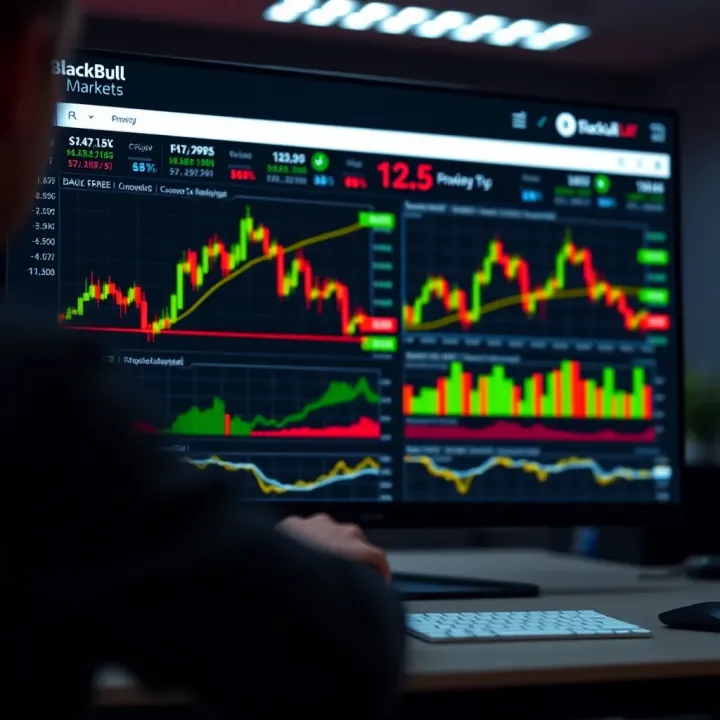
Discover BlackBull Markets: a reliable trading platform offering forex, commodities, indices & crypto. Learn about account types, tools, fees & regulation 📈💰
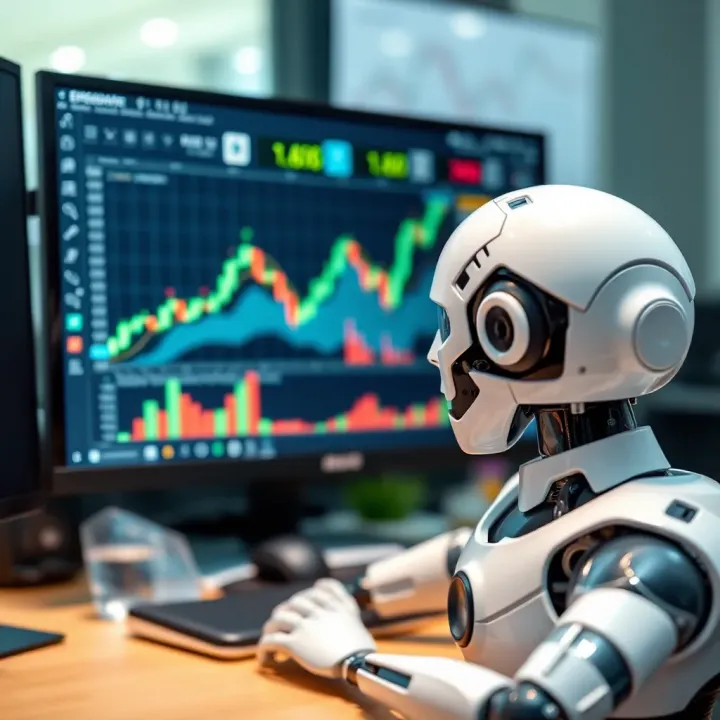
🤖 Discover how automated trading robots help Kenyan investors trade faster and smarter with minimal effort. Learn benefits, risks, and tips for smart investing in Kenya.
Based on 9 reviews