
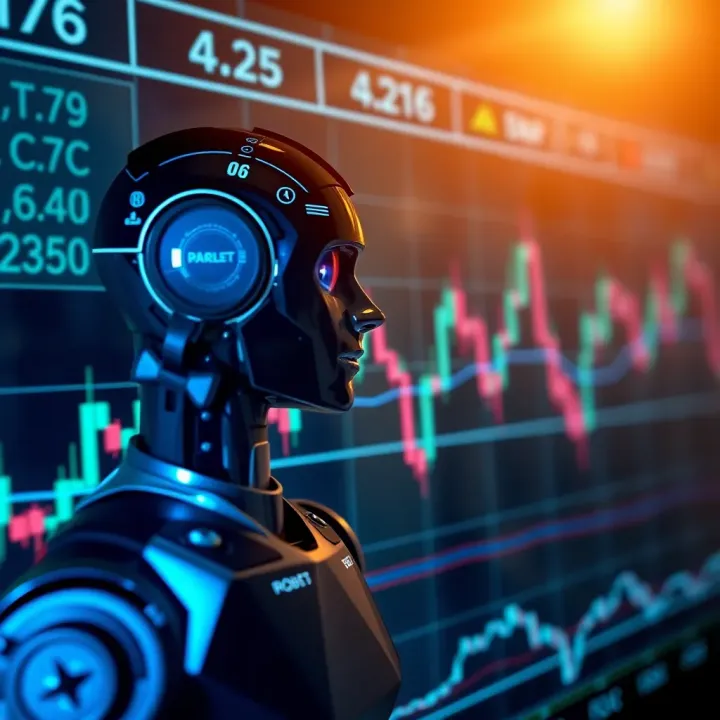
Using Robots for Forex Trading: A Practical Guide
Explore how forex trading robots work, their pros and cons, plus tips for South African traders to use automated systems confidently 🤖💱📈
Edited By
Edward Hughes
Automated Forex trading robots are changing the way many Kenyans approach the currency markets. These software tools execute trades on your behalf based on pre-set rules, taking the emotional element out of trading. But using Forex robots in Kenya requires more than just setting them up; you need to understand their workings, risks, and how to pick the right software.
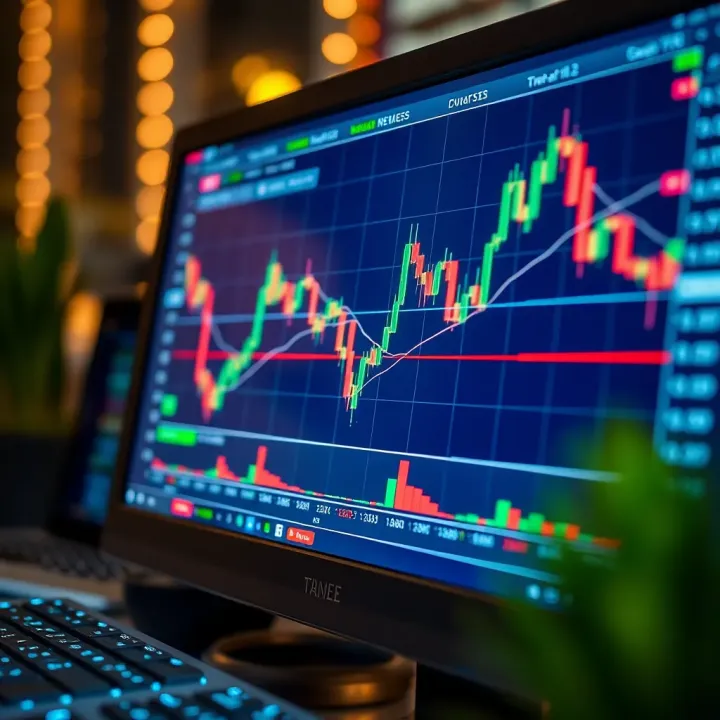
Forex trading involves buying and selling currency pairs to profit from fluctuations in exchange rates. Bots are programmed to analyse market data, spot trends, and execute trades faster than a human could. For example, a trader using a robot might programme it to buy the USD/KES pair when specific technical indicators, like moving averages, align.
That said, not all Forex robots are reliable. Some promise quick riches but underdeliver or operate without proper regulation. In Kenya, compliance with the Capital Markets Authority (CMA) rules is essential when choosing trading platforms or software vendors.
Keep in mind that Forex robots do not guarantee profits — they're tools that require ongoing monitoring and adjustment.
When selecting a Forex robot, consider these factors:
Reputation: Find vendors with positive user reviews and verified track records.
Transparency: The robot should clearly explain its strategy and risk parameters.
Compatibility: Ensure it works with platforms popular in Kenya, such as MetaTrader 4 or 5.
Support: Availability of customer service and updates is crucial.
Setting up a Forex robot usually involves downloading software and connecting it to your trading account, often with brokers regulated by Kenya’s CMA or reputable international firms. You must first fund your account, often through M-Pesa or bank transfers, then configure trading parameters.
Proper risk management is vital. Limit the amount of capital the robot can use on a single trade and set stop-loss orders to minimise losses. Regularly reviewing performance helps catch any unexpected behaviour or losses.
Many Kenyan traders combine manual strategies with robots to keep control and avoid over-reliance on automation. Knowing when to intervene can save significant funds.
In the coming sections, you'll find detailed steps on picking trusted software, setting up your robot, managing risks smartly, and legal considerations specific to Kenya’s Forex trading environment.
Grasping the concept of Forex trading robots is essential for Kenyan traders aiming to enhance their trading efficiency. These robots automate trade decisions based on pre-set algorithms, sparing traders the need to manually monitor markets 24/7. This automation is especially valuable given the round-the-clock nature of the Forex market and the busy lives that many Kenyan investors lead.
Forex trading robots are software programs designed to analyse currency market data and automatically execute trades. They use algorithms to scan charts, identify trading signals, and enter or exit trades without human intervention. This reduces the likelihood of errors caused by emotions or fatigue.
These automated systems execute trades by processing price movements, volume, and other technical indicators swiftly. Once the algorithm detects the conditions it is programmed for—say, a specific breakout pattern—it performs the trade via the connected trading platform such as MetaTrader 4 or 5. In Kenya, where internet speeds can vary, reliable connections are key to ensure smooth robot operation.
Common Forex robots in Kenya include scalping bots that make quick, small profits within minutes, trend-following bots that trade in the direction of price movements, and grid bots which place orders at incrementally spaced levels. Choosing the right type depends on your trading style and risk appetite.
Manual trading relies heavily on the trader’s direct decision-making. Here, one studies the charts, news, and economic data before placing trades. This approach benefits from human judgment, allowing flexibility in reacting to unexpected events. However, it requires constant attention, and traders may be influenced by emotions like fear or greed, which sometimes lead to poor decisions.
Automated trading through robots removes this emotional factor by following strict rules defined by the trader. Robots can operate non-stop, taking advantage of market opportunities anytime, even when the trader is asleep or working. The automation also helps maintain consistency in strategy execution.
For instance, a manual trader might hesitate during a volatile period in the Nairobi Securities Exchange (NSE)-correlated Forex pairs due to fear of losses, while a robot continues to trade unbothered, provided the strategy remains valid. On the flip side, robots can fail to interpret unique market contexts and might not adjust to sudden news events unless reprogrammed.
Using Forex trading robots doesn't mean hands-off all the way. Monitoring and occasional adjustment remain necessary to ensure the robot adapts well to current market conditions.
In short, understanding these differences helps Kenyan traders decide how best to incorporate robots into their trading setups, balancing automation benefits against the value of human oversight.
Selecting the right Forex trading robot is a key step for Kenyan traders aiming to succeed in automated Forex trading. This choice affects not only the profitability but also how well the robot fits local trading realities such as broker availability, payment methods, and legal compliance. Knowing what to look for helps traders avoid costly mistakes and pick software that truly matches their strategy and risk appetite.
When choosing a Forex robot, backtesting results and live trading records are essential indicators of its potential effectiveness. Backtesting involves running the robot through past market data to see how it would have performed. This helps traders gauge whether the software’s trading strategy holds up under different market conditions. However, backtesting alone is not enough. Checking live trading records, preferably with verified performance on demo and real accounts, shows how the robot performs in real market scenarios.
For example, some robots may boast over 80% win rates in backtests but fail during high volatility periods when real trades count. Kenyan traders should look for robots with consistent performance across both periods to avoid surprises.
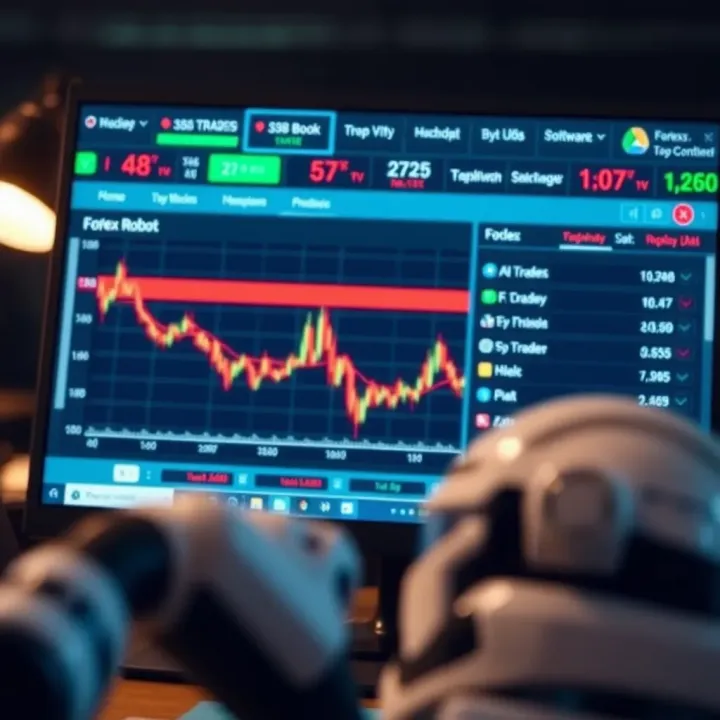
Broker compatibility and regulation play a big role in the robot's usability. Not all Forex robots work on every trading platform, and even fewer are approved by all brokers. In Kenya, many traders use MetaTrader 4 or 5, so a robot that integrates seamlessly with these platforms is preferable. Also, traders should ensure that their chosen robot operates within brokers regulated by the Capital Markets Authority (CMA) Kenya.
Trading with unregulated brokers exposes traders to risks like delayed withdrawals or unfair trade executions. For instance, a robot integrated with a CMA-licensed broker such as FXPesa or EGM Securities provides a higher level of trust and compliance.
Understanding the upfront costs and subscription models is crucial before committing. Some robots require a one-time purchase fee, while others operate on monthly subscriptions. Kenyan traders should assess which pricing structure fits their budget and trading frequency.
For example, a trader who plans to test a robot first might prefer a subscription with a monthly fee and cancellation option rather than paying a hefty upfront price without guarantees. Additionally, consider if the software includes free updates or customer support.
Kenyan traders also benefit from convenient payment options. Since M-Pesa dominates the mobile money landscape, Forex robot providers offering payment via M-Pesa or direct bank transfers make access much easier.
Paying through M-Pesa offers faster transactions and avoids international card charges or currency conversions. Some providers may accept local bank transfers as an alternative, which suits traders who prefer traditional payment methods.
The Financial Conduct Authority (FCA) in the UK and the Capital Markets Authority (CMA) Kenya regulate Forex trading but have different scopes. FCA-regulated robots may carry international credibility, yet Kenyan traders must ensure compliance with CMA rules to avoid legal troubles.
The CMA strictly licenses brokers and investment services operating in Kenya. Traders should confirm that their Forex robot provider or affiliated broker complies with CMA licensing requirements. This helps avoid scams and ensures legal recourse if problems arise.
Compliance with Kenya Financial Sector laws extends beyond CMA rules. For instance, anti-money laundering (AML) and know-your-customer (KYC) regulations require legitimate brokers and service providers to verify identities and monitor transactions. A Forex robot working with such providers helps traders adhere to Kenyan financial laws.
Choosing a Forex trading robot without considering local regulations or payment conveniences can lead to financial losses and legal complications. Kenyan traders should prioritise robots compatible with local brokers, offer accessible payment options like M-Pesa, and operate within CMA guidelines.
By carefully assessing performance, costs, payment methods, and regulations, Kenyan traders can select Forex robots that not only perform well but also fit safely within the local trading environment.
Setting up your forex trading robot properly is key to making the most out of automation. Without correct installation and configuration, even the best algorithm won't perform well in live trading. Kenyan traders must pay close attention to how the robot integrates with their trading platform, and fine-tune its settings to fit their risk appetite and trading strategy. This avoids costly errors and helps the robot trade effectively in Kenya's dynamic forex market.
Most forex trading robots support popular platforms like MetaTrader 4 (MT4), MetaTrader 5 (MT5), and cTrader, which are common choices among Kenyan traders. These platforms provide stable interfaces where robots, known as Expert Advisors (EA) on MT4/MT5, can run seamlessly. Choosing a platform your forex robot supports is essential to ensure smooth operation and access to features such as automated trade execution, backtesting, and custom indicators.
For installation, you first download the robot file—usually with an .ex4, .ex5, or .algo extension—then place it into the correct folder within the platform’s directory. For MT4/MT5, this typically means copying the file to the “Experts” folder located within the platform data. After restarting the platform, you need to activate the robot and allow automated trading in the platform’s settings.
Here is a straightforward step-by-step guide for a typical MT4 robot installation:
Download the robot file from the trusted source.
Open your MetaTrader 4 platform and click on "File" → "Open Data Folder".
Navigate to MQL4 → Experts folder, then paste the robot file there.
Restart MT4 to recognise the new Expert Advisor.
Open the Navigator window and drag the robot onto your preferred chart.
Enable automated trading by clicking the “AutoTrading” button on the toolbar.
This process is similar for MT5 and cTrader, though cTrader uses its own cAlgo environment for robots, requiring slightly different steps but similar principles.
Adjusting your robot’s settings tailors it to your specific trading goals and risk tolerance, which is crucial for adapting to Kenya’s forex market conditions. You can change key parameters such as risk levels, trade size, and the currency pairs that the robot will trade. For example, you might lower risk percentages to limit exposure or focus the robot to trade only major pairs like USD/KES to reduce volatility.
Managing trading hours allows you to restrict the robot’s activity to periods with the best market liquidity or when you prefer to monitor performance personally. Some robots permit setting stop-loss levels to automatically close losing trades beyond a threshold, preventing large losses during sudden market swings. In Kenya, where forex markets can be affected by global overnight developments and local business hours, setting sensible trading windows and stop-loss rules can save your capital.
Remember, fine-tuning these settings is not a one-time task. Regular reviews and adjustments help keep the robot aligned with shifting market trends and your evolving trading plan.
By carefully installing your forex robot on platforms like MT4 and cTrader, and customising settings thoughtfully, Kenyan traders increase the odds of consistent, automated trading success without constant manual intervention.
Using Forex trading robots can offer consistency, but managing the risks involved is just as important to protect your capital. These automated systems trade based on pre-set algorithms, which don't adapt well to sudden changes like market shocks or technical glitches. Without proper risk controls, traders risk significant losses.
Market volatility impact: Forex markets often experience rapid price swings caused by events like political instability or unexpected economic data releases. For example, during a sudden interest rate announcement by the Central Bank of Kenya, currency pairs can move sharply. Robots following strict rules might execute trades at unfavourable prices, leading to losses. Unlike human traders who can pause and reassess, robots follow their code blindly, increasing vulnerability during volatile periods.
Technical failures and connectivity issues: Reliable internet access and stable computer systems are vital for automated trading to work well. In Kenya, power cuts or poor internet connections may disrupt a robot’s operation. Imagine a scenario where your laptop loses power mid-trade or your network drops; your Forex robot could fail to close or open positions appropriately, potentially increasing losses. Technical glitches in the robot’s software might also cause unwanted trades, highlighting the need for dependable technology.
Using demo accounts for testing: Before deploying a Forex robot with real money, it is wise to test it extensively on demo accounts offered by platforms like MetaTrader 4 or 5. Demo accounts simulate actual market conditions without risking capital, allowing you to observe how the robot performs under Kenyan market scenarios. This testing helps detect malfunctioning algorithms or settings that don’t suit your risk appetite, preventing avoidable losses once you switch to live trading.
Regular monitoring and manual overrides: While the goal of Forex robots is to reduce hands-on management, periodic supervision remains essential. Kenyan traders benefit from checking trade logs daily and verifying that the robot operates as expected. Additionally, many platforms allow manual overrides to close trades or adjust parameters manually. Having backup controls gives you flexibility to respond to unexpected market shifts or technical issues, combining automation’s speed with human judgment.
Managing risks effectively helps Kenyan Forex traders use robots confidently, balancing automation’s advantages against real-world uncertainties. Practical risk checks and fail-safes go a long way in sustaining profitable trading.
By understanding these risks and applying straightforward mitigation steps, you place yourself in a better position to grow your Forex investments steadily using trading robots.
Using Forex trading robots offers clear benefits, but to truly make the most of them, Kenyan traders need to approach their use strategically. These robots can handle complex market moves and operate continuously, but without the right monitoring and updates, their performance may slip. This section highlights practical ways to gain from Forex robots while avoiding common pitfalls.
Forex markets never sleep, running 24 hours a day across different global time zones. A major advantage of using a Forex robot is its ability to trade continuously without breaks, unlike human traders. For instance, while a trader in Nairobi sleeps, the robot can still monitor and execute trades in volatile markets like Tokyo or New York, potentially catching profitable opportunities that might otherwise be missed.
This nonstop activity is especially useful during key economic announcements or market events that happen outside usual working hours. A well-programmed robot responds immediately to market shifts programmed in its algorithms, helping Kenyan traders stay competitive without staying glued to their screens all day.
Human trading often suffers from emotional reactions—fear, greed, or impatience can cloud judgement and lead to poor decisions. Forex robots follow strict rules based on data and avoid second-guessing or panic-selling.
For example, a trader might hesitate to close a loss-making position, hoping the market will reverse. A robot, however, will exit automatically if the stop-loss is hit, protecting capital. This unemotional approach helps maintain discipline and consistency, which many traders find challenging when relying solely on manual trading.
Even though robots automate trading, Kenyan traders must keep an eye on performance. Regular reviews help spot if the robot’s strategy loses edge due to changing market conditions. For example, reviewing weekly or monthly trade reports can show whether the robot consistently profits or if certain currency pairs are underperforming.
Keeping track of outcomes also allows traders to adjust settings or pause the system if losses pile up. Demo accounts can be handy for testing adjustments before applying them to live trading.
Consistent monitoring prevents blind reliance and empowers traders to intervene when needed.
Forex markets evolve, meaning what worked six months ago might not work today. Regular updates to the trading robot’s software and strategy are essential. Kenyan traders should look out for new versions released by developers or consider tweaking parameters like trade size, risk tolerance, or currency focus.
For example, if M-Pesa-related market news affects the Kenyan shilling, updating strategies to factor in local economic events can boost results. Ignoring software updates risks using outdated logic that no longer fits current markets, potentially leading to losses.
Ultimately, staying proactive in monitoring and improving the robot’s performance ensures you get the most from your investment.
With these practical steps, Kenyan traders can better harness the power of Forex robots—not just relying on automation, but actively managing it to suit their trading goals and local market realities.
Explore how forex trading robots work, their pros and cons, plus tips for South African traders to use automated systems confidently 🤖💱📈
Explore how forex signal apps help Kenyan traders with timely tips and market info 📈. Learn to pick trustworthy apps, manage risks, and boost your trading success.

Explore how FX robots operate in Kenya’s forex market, their tech, key benefits, risks, and legal aspects to help you trade smarter 📉🤖🇰🇪

📊 Learn how forex indices measure multiple currency pairs to give Kenyan traders a clear picture of market trends, trading tips, and risk management.
Based on 12 reviews