
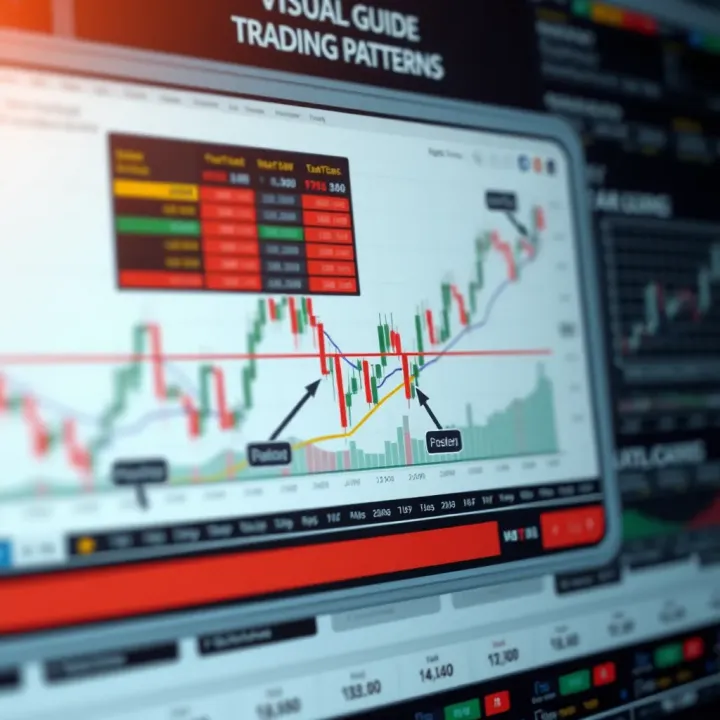
Trading Patterns Explained: A Practical Guide
📈 Discover key trading patterns and practical tips to read them confidently in Kenya's markets. Access PDF resources to sharpen your investment skills today.
Edited By
David Collins
Forex trading in Kenya has steadily gained traction, attracting individuals keen to tap into global currency movements. While it might seem complicated at first, understanding the basics will help you approach it wisely and avoid common pitfalls.
Forex, or foreign exchange trading, involves buying and selling currencies to profit from their fluctuating values. Unlike trading shares or bonds, forex markets operate 24 hours on weekdays, offering flexibility, especially for Kenyans working other jobs or running businesses.
Getting started requires a good grasp of how currency pairs work. For example, if you expect the US dollar (USD) to strengthen against the Kenyan shilling (KES), you might buy USD/KES. Should the dollar rise, you make a profit; otherwise, you face losses. Practical knowledge of these pairs and the factors influencing them—like interest rates, political stability, or global events—is essential.
Choosing the right broker is another critical step. Opt for licensed brokers recognised by the Capital Markets Authority (CMA) in Kenya. Reputable brokers like HotForex, AvaTrade, or FXTM offer user-friendly platforms, reliable customer support, and straightforward deposit methods including M-Pesa.
Before you start trading with real money, practice on demo accounts. These simulate live market conditions without risking your cash. Most brokers provide this option, and Kenyan traders should exploit it fully to build confidence and test strategies.
Risk management is often overlooked but must be a priority. Set stop-loss orders to limit potential losses and never risk more than you can afford. The volatile forex market can wipe out unprepared traders quickly.
Successful trading blends disciplined strategy with constant market learning. Kenya's growing online infrastructure and mobile money ecosystem have made forex trading more accessible, but patience and education remain your best investments.
In summary, forex trading in Kenya is open to anyone willing to learn and apply sound principles. Start small, pick licensed brokers, use demo accounts, and manage risks carefully. With time, you can develop the skills needed to trade confidently and safely in this dynamic market.
Grasping the basics of forex trading lays a strong foundation for anyone looking to venture into currency markets. In Kenya, where access to digital platforms has grown, understanding fundamental concepts helps traders avoid common pitfalls and make informed decisions that can protect their investments.
The forex market is the world's largest financial market, where traders buy and sell different currencies. Unlike stocks traded on the NSE (Nairobi Securities Exchange), forex involves currency pairs—that is, trading one currency against another. For example, the USD/KES pair shows how many Kenyan shillings are needed to buy one US dollar.
Knowing the forex market is essential because it directly affects imports, exports, travel costs, and remittances for Kenyans. When the shilling weakens or strengthens, it impacts daily life and business, making it critical for traders to understand these shifts.
Major currency pairs include EUR/USD, USD/JPY, and GBP/USD. These pairs usually have high liquidity, meaning they can be bought or sold quickly at stable prices. The USD/KES pair may not be as liquid internationally but is highly relevant locally. Kenyan traders should focus on pairs that suit their strategies and risk appetite.
Forex differs from other markets like stocks or commodities primarily in its 24-hour trading cycle and leverage usage. Unlike buying shares, forex trading relies heavily on predicting currency movements without owning physical assets. This creates both opportunities and risks, especially since currencies can be influenced by global events, interest rates, and political changes.
Forex operates across global time zones, starting with the Sydney market and moving through Tokyo, London, and New York. This 24-hour cycle allows Kenyan traders to participate at any convenient time, whether before work or late at night. Markets often see more activity when trading hours overlap, such as between London and New York.
There are different ways to trade forex: spot, futures, and options. Spot trading involves immediate exchange of currencies at current rates, which suits most Kenyan traders using platforms like MetaTrader. Futures and options are contracts set to trade currencies at a future date, usually handled by advanced traders or institutions.
Liquidity and volatility are central to forex trading. High liquidity means traders can quickly enter or exit positions without affecting prices much—important when trading larger amounts. Volatility refers to how much currency prices change over time. For example, during election periods in Kenya, the shilling may become more volatile, affecting trading decisions. Understanding these elements helps traders manage risk and spot trading opportunities.
Successful forex trading in Kenya depends on familiarising oneself with how the market works, the currencies involved, and the unique factors that affect liquidity and volatility locally and globally.
This basic understanding equips you to navigate forex markets more confidently and tailor your approach to Kenya’s financial environment.
Starting your forex trading journey in Kenya is a critical step that sets the foundation for success. It’s not just about opening an account and jumping in; you need to understand how the local context influences trading conditions and available resources. By carefully setting up your trading account and learning the tools at your disposal, you reduce risks and improve your chances of making consistent gains.
Choosing a reputable forex broker is crucial in Kenya’s growing but sometimes unregulated market. Brokers authorised by the Capital Markets Authority (CMA) provide a layer of protection for your funds and ensure transparent trading conditions. For instance, brokers like HotForex and XM are popular in Kenya because of their reliability and user-friendly interfaces. Avoid brokers without clear licensing, as they may expose you to scams or poor trade execution.
Kenyan brokers often allow accounts in Kenyan Shillings (KSh), which helps avoid conversion fees. Additionally, check for brokers offering customer support during Kenyan business hours and with multiple deposit and withdrawal options.
Documents and KYC requirements are mandatory to comply with local and international anti-money laundering laws. Typically, you will need to provide a valid Kenyan ID (such as a National ID card or passport), proof of residence (a utility bill or bank statement not older than three months), and sometimes a tax compliance certificate. These requirements might seem cumbersome initially but help uphold market integrity and protect you from fraudulent activities.
Being prepared with these documents before applying saves time and speeds up account activation.
How to fund your account (including M-Pesa options) is another practical factor to consider. Many Kenyan traders appreciate brokers that accept deposits through M-Pesa, given its widespread use and ease. Funding your forex account via M-Pesa or bank transfers is usually quick and cost-effective compared to international wire transfers. For example, brokers integrated with M-Pesa allow nearly instant deposits, enabling you to take advantage of trading opportunities without delay.
Some platforms also offer Paybill or Till number payment options, which suit traders without bank accounts. However, always confirm the fees and processing time with your chosen broker.
Popular platforms available in Kenya include MetaTrader 4 (MT4) and MetaTrader 5 (MT5), widely used because of their versatility and familiarity. These platforms support manual and automated trading, offer comprehensive charting tools, and are free to download. Many brokers in Kenya support these platforms, providing localised support and resources to help you make informed trades.
WebTrader platforms run directly on browsers and work well if you prefer not to install software. Some brokers also provide proprietary platforms designed especially for beginners, with simplified interfaces and educational content.
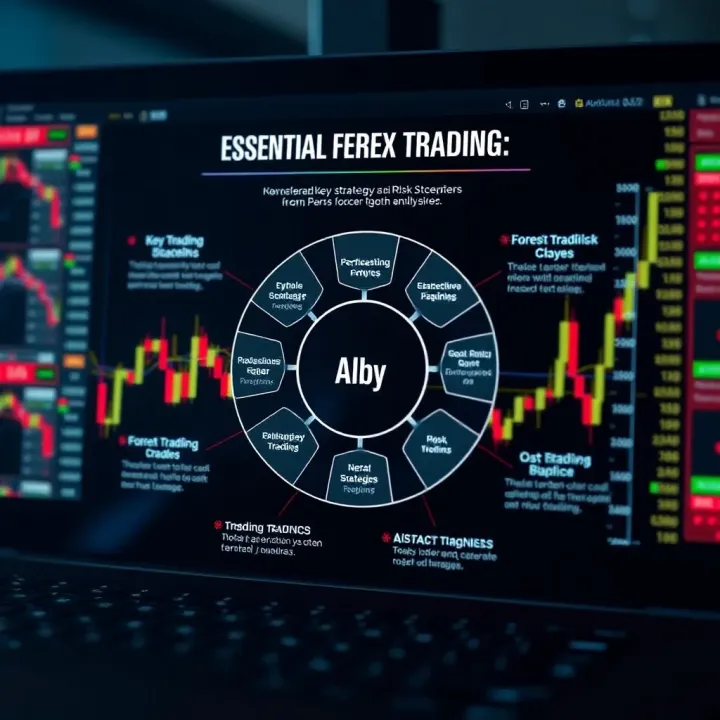
Charting and technical analysis tools are vital for spotting trading opportunities and managing risk. Tools like moving averages, Relative Strength Index (RSI), and Bollinger Bands help analyse price trends and volatility. Kenyan traders often rely on these indicators to time their entries and exits, especially during volatile periods affected by economic news or global events.
Choosing a platform with robust charting capabilities tailored to your trading style can influence your success.
Mobile trading apps for convenience are indispensable in Kenya, where most people rely on mobile phones for financial activities. Apps offered by brokers like Exness and XM allow you to monitor the market, execute trades, and manage your account on the go. They often feature push notifications for price alerts and economic news, so you stay informed even when away from a computer.
Mobile apps with low data consumption and offline chart views enhance accessibility for traders outside major cities or with limited internet access.
Starting your forex trading journey well-prepared with the right account setup and tools gives you a better grip on the market and improves your chances of trading safely and profitably in Kenya.
Forex trading without a solid strategy is like driving blind. Traders in Kenya face varied market conditions influenced by both local and international factors. So, having clear key strategies helps you navigate this fast-paced market, giving you better chances of making consistent profits and managing risks effectively.
Economic indicators such as GDP growth, inflation rates, and employment figures directly affect currency values. For example, if Kenya's inflation rate suddenly rises, the Kenyan shilling (KES) might weaken due to reduced purchasing power, affecting forex pairs involving KES. Traders should keep a close eye on economic reports released by the Kenya National Bureau of Statistics (KNBS) and key global bodies like the US Bureau of Economic Analysis, as surprises in these figures often trigger sharp movements.
News headlines around trade deals, government policies, or geopolitical tensions can also shift market sentiment. For instance, a positive trade agreement between Kenya and an East African Community (EAC) partner might boost the shilling, while political uncertainty can cause it to dip. Staying updated and understanding the significance of such news can help Kenyan traders time their trades better.
Central banks use interest rates to control inflation and economic growth. Higher interest rates tend to attract foreign capital, strengthening the currency. For Kenyan traders, the interest rate decisions by the Central Bank of Kenya (CBK) signal the shilling's likely direction. If CBK increases rates to curb inflation, the shilling might strengthen as investors seek better returns.
Similarly, traders watch US Federal Reserve moves closely because the US dollar (USD) dominates forex trades. For example, when the Fed raises rates, emerging market currencies like the shilling often weaken as capital returns to safer, higher-yielding USD assets. Recognising these patterns helps traders position themselves ahead of major rate announcements.
International events—like US-China trade tensions or oil supply disruptions—impact currency volatility worldwide. For Kenyan traders dealing with USD/KES or EUR/USD pairs, understanding these can guide safer trading.
For example, an unexpected rise in crude oil prices affects Kenya's import bill and can weaken KES. Global crises or pandemics may also spur a flight to safety, boosting currencies like the USD or Swiss franc (CHF). Keeping track of such developments, possibly using reliable news sources or economic calendars, enables traders to avoid surprises and adapt strategies swiftly.
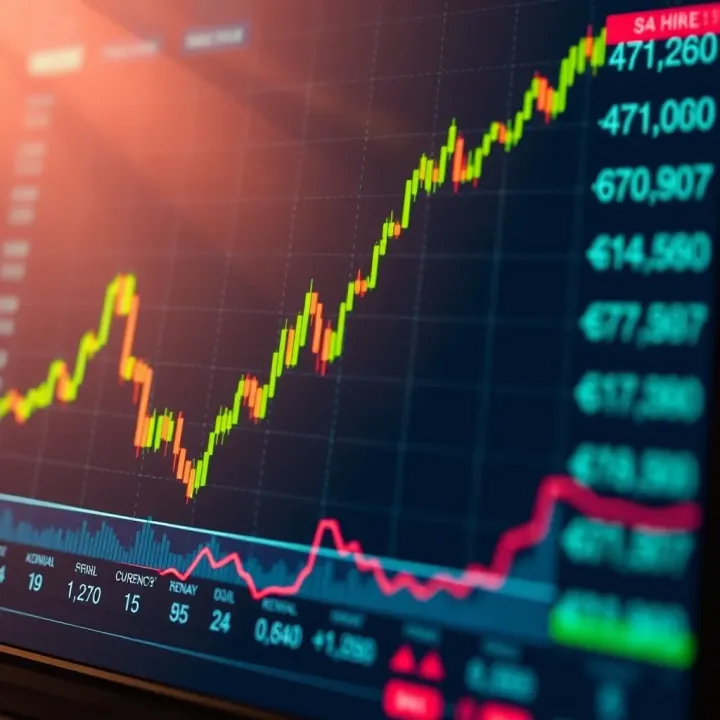
Charts reveal how currency prices move over time. Kenyan traders must master reading candlestick or bar charts to spot whether a currency is trending upwards, downwards, or sideways. For instance, if USD/KES shows higher highs and higher lows on the daily chart, it's an uptrend signalling potential buy opportunities.
Understanding trends helps avoid entering the market against prevailing momentum, which is a common trading pitfall. Trendlines drawn on charts can visually confirm these movements, aiding decisions on entry and exit points.
Indicators smooth price data or signal potential reversals. Moving averages, like the 50-day or 200-day, show average prices, helping confirm trends. When the short-term (50-day) moving average crosses above the long-term (200-day), it might indicate a buy signal, known as a “golden cross.”
The Relative Strength Index (RSI) measures momentum on a scale from 0 to 100. An RSI above 70 suggests a currency is overbought and may soon pull back; below 30 indicates oversold conditions. Kenyan traders can use RSI to avoid buying at peak prices or selling too low.
Support and resistance are price levels where a currency often reverses direction. For example, if USD/KES consistently falls to 108 before bouncing back up, this forms a support level. Resistance works the same way but caps price rises.
Spotting these levels allows you to set stop-loss orders wisely or decide where to take profits. Trading around support and resistance points is popular because these zones often indicate strong demand or supply pressures. For Kenyan traders, marking these on charts before trading is a practical way to manage risk.
Clear strategies based on both fundamental and technical analysis help you make better trades and protect your capital. Don’t trade blindly—let the facts and data guide you.
Managing risks is a must for any forex trader, especially in Kenya where market fluctuations can be sudden and influenced by both local and global factors. Protecting your investments ensures that losses stay within limits you can live with, helping you trade confidently without burning through your capital. Good risk management isn't about avoiding loss altogether, but about controlling how much you lose on any single trade.
Setting stop losses and take profit points are key tools in limiting risk and locking in profits. A stop loss tells your platform to exit a trade if the price moves against you by a certain amount, preventing larger losses. For instance, if you buy USD/KES at 110 and set a stop loss at 108, your position will automatically close if the price dips to 108, capping your loss. Take profit works in the opposite way, automatically closing a position when the price reaches a level where you want to secure gains.
Using these orders helps you stick to your plan instead of guessing when to exit. Many Kenyan traders have lost significant funds by holding onto losing positions, hoping for a reversal that never comes. Having stop losses and take profit points in place removes guesswork and keeps emotions in check.
Position sizing and leverage are equally important since forex trading typically allows you to use borrowed funds, known as leverage. While leverage can magnify profits, it also increases losses. For example, with 50:1 leverage, an initial KSh 20,000 deposit controls KSh 1 million in currency. But a small swing against you can wipe out your deposit fast if you size trades too large or don’t handle leverage carefully.
Proper position sizing means calculating how much of your trading capital to risk on each trade—usually a small percentage like 1–2%. This way, no single trade damages your overall portfolio significantly. It’s safer and smarter than risking the whole account on one bet.
Avoiding emotional trading decisions is critical. When markets move sharply, it’s easy to panic or get greedy. Emotions lead to impulsive choices like increasing trade size after losses (chasing losses) or exiting trades too early. Kenyan traders who jump in and out of the market without discipline often end up worse off.
To avoid this, stick to your strategy and trading plan. If you set stop losses, don’t move them mid-trade just because you feel nervous. Take breaks when frustrated and resist making snap decisions based on rumours or sudden market moves.
Overtrading and chasing losses is a common trap. After a loss, it’s tempting to place multiple trades quickly hoping to recover funds. This usually leads to bigger losses and burnout. Instead, allow yourself to regroup, analyse what went wrong, and trade with clear strategy.
Relying solely on tips and rumours from chat groups or social media can mislead you. Such information often lacks context or is outright false. Kenyan traders should focus on verified market data, economic news, and personal analysis rather than hearsay.
Lack of a clear trading plan makes it difficult to stay disciplined. A solid plan includes entry and exit rules, risk limits, and strategies tailored to your goals and style. Without this, trades become guesswork, increasing chances of mistakes and losses.
Effective risk management and disciplined trading protect your capital, giving you the chance to grow steadily in forex markets. Trading without these safeguards is like driving blindfolded—risky and unwise.
By mastering risk controls and avoiding common pitfalls, Kenyan forex traders can better navigate the volatile currency markets and safeguard their investments.
Navigating the legal and tax landscape is essential for anyone trading forex in Kenya. Understanding local regulations not only protects you from illegal practices but also ensures you manage your profits correctly in compliance with Kenyan law. Besides, it helps you avoid costly mistakes like falling victim to scams or facing penalties for incorrect tax reporting.
The Capital Markets Authority (CMA) is the key regulator for forex trading activities within Kenya. It oversees licensing of brokers and other market participants to ensure they operate under transparent and fair rules. For you as a trader, CMA-regulated brokers offer a level of security because these brokers must maintain minimum capital requirements and adhere to strict operational standards.
The CMA also works to educate investors on their rights and risks involved in forex trading. For example, it often issues warnings about unlicensed firms and helps enforce sanctions against fraudulent operators. Keeping an eye on CMA announcements can safeguard you from unauthorized trading platforms.
Trading with a CMA-licensed broker means your investments benefit from regulatory oversight unique to Kenyan law. Only brokers authorised by CMA can legally offer forex trading services here. Kenyan law requires these brokers to meet criteria such as client fund segregation and transparent transaction reporting.
Before opening an account, verify the broker’s licence status through CMA’s official lists. Using unlicensed brokers exposes you to risks like lack of fund protection or unfair trading terms, which are common in scams. Licensed brokers also usually provide local customer support and options to fund accounts via familiar channels like M-Pesa.
Forex trading scams are a real risk in Kenya, with fraudsters often promising guaranteed profits or insider tips. One common trick is unlicensed brokers soliciting deposits through social media or unsolicited calls. To avoid these pitfalls, always check if the broker is CMA-approved.
Be wary of trading schemes that require large upfront fees or pressure you to keep investing despite losses. Stay away from platforms that lack physical addresses or transparent terms. Trusted brokers provide clear contract details and reasonable withdrawal policies, helping you avoid scams that waste your money.
Staying informed and cautious is your best defence against forex scams. Regularly check updates from CMA to verify brokers and learn about new fraud tactics.
Forex trading profits are subject to income tax under Kenya Revenue Authority (KRA) rules. If you earn gains from currency trades, this income should be declared as part of your taxable earnings. The tax rate depends on your total income bracket, with individuals typically paying between 10% and 30%.
Ignoring tax obligations can result in penalties or fines. If you trade frequently and make substantial profits, it’s wise to plan for tax payments rather than wait for year-end surprises. Keep in mind that losses may offset some taxable gains, but you must keep clear records to support this.
Accurate record-keeping is crucial. You should maintain a log of all forex transactions including dates, amounts, profits or losses, and broker statements. These records are necessary both for calculating your taxable profits and for any potential audits by KRA.
Using digital tools or spreadsheets to track your trades helps keep information organised. When filing your tax returns, include forex income under the relevant business or investment income sections. Clear documentation also supports discussions with tax officers if questions arise.
Forex taxation can be complex, particularly if you combine trading with other income sources. Engaging a knowledgeable tax professional familiar with Kenyan tax laws can save you trouble. They help ensure you declare correct amounts and take advantage of allowable deductions.
A tax advisor can also guide you on the best practices for reporting forex gains and help you navigate any changes in tax regulations. This proactive approach not only protects you from non-compliance but may optimise your tax position legally.
Understanding these legal and tax points is as important as mastering trading strategies. They help you trade with confidence, knowing you’re on the right side of the law and prepared for financial responsibilities.
📈 Discover key trading patterns and practical tips to read them confidently in Kenya's markets. Access PDF resources to sharpen your investment skills today.
🔍 Discover how Kenyans can trade cryptocurrency confidently using practical tips on safe platforms, smart strategies, risk control, and understanding tax rules in Kenya.
📈 Learn how to start forex trading in Kenya with practical steps, risk tips, and local resources. Master basic strategies to avoid common pitfalls and grow your KSh wisely.

📊 Learn how forex indices measure multiple currency pairs to give Kenyan traders a clear picture of market trends, trading tips, and risk management.
Based on 11 reviews