
Understanding Pocket Brokers in South Africa
Explore how pocket brokers operate in South Africa 🇿🇦, key features, benefits, and tips to pick the best one for your investing needs 💰📈.
Edited By
Louise Bennett
The Volatility 75 Index, often known as VIX 75, is a popular financial instrument that measures market volatility. Unlike traditional stock indices that track company shares, this index reflects how much the market expects prices to fluctuate in the near term. It is often used by traders to gauge market risk or to speculate on sudden price swings.
For South African traders, the appeal of the Volatility 75 Index lies in its high volatility and opportunities for quick gains. However, trading such an index requires careful choice of a reliable broker who understands local regulations and offers competitive trading conditions.
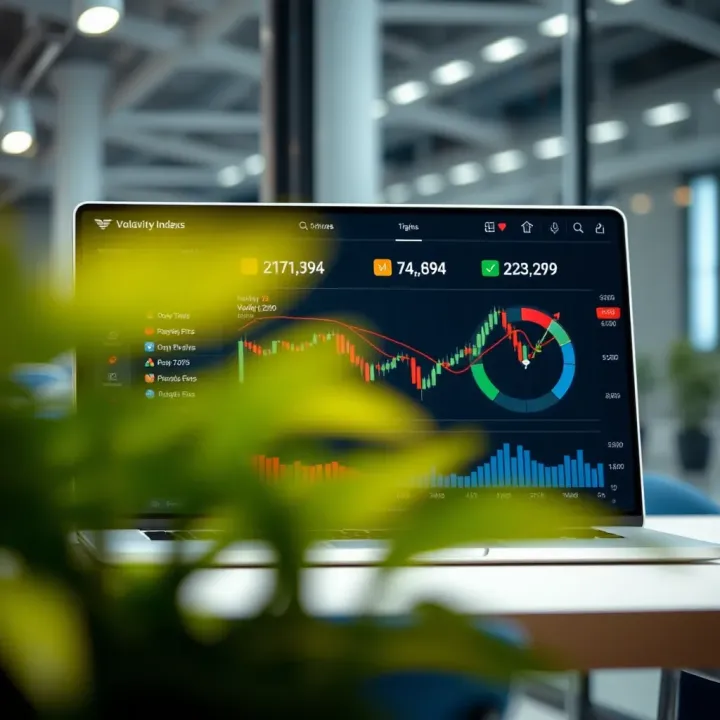
Choosing the right broker is essential for accessing the Volatility 75 Index safely and efficiently, especially in South Africa's evolving financial environment.
It operates 24 hours on trading days, offering flexibility beyond the Nairobi Securities Exchange hours.
The index is synthetic and derived from volatility data rather than company stocks, meaning it isn’t influenced by corporate earnings reports.
It typically shows rapid price movements, making risk management critical for traders.
South African traders must ensure their broker is regulated either locally by the Financial Sector Conduct Authority (FSCA) or internationally by recognised entities such as the Financial Conduct Authority (FCA) in the UK. This helps prevent fraud and protects client funds.
Brokers with local support, accessible customer service, and platforms compatible with Kenyan payment solutions like M-Pesa or bank transfers make trading smoother. For example, some brokers allow topping up accounts directly from Kenyan banks, removing common barriers.
When selecting a Volatility 75 Index broker, consider:
Regulatory Compliance: FSCA or other strong licenses ensure legal backing.
Trading Costs: Low spreads and commissions help maintain profitability.
Platform Stability: Reliable software prevents loss during crucial trades.
Payment Options: Availability of local deposit and withdrawal methods.
Educational Resources: Helps traders understand the unique behaviour of the index.
Understanding these factors guides you towards brokers suited for South African traders who want exposure to the Volatility 75 Index. The next sections will discuss strategies and risk management techniques tailored for this high-volatility market.
Grasping what the Volatility 75 Index entails is a key step for any trader or investor aiming to make the most of this asset. The index offers a unique way to tap into market volatility — a concept that many traders in South Africa and beyond are increasingly interested in. Understanding its behaviour and components helps you spot when good trading chances arise, particularly in periods of market turbulence.
The Volatility 75 Index is a synthetic index designed to reflect the price fluctuations of a fictional market with high volatility. Unlike traditional stock indices like the NSE 20 which track actual company stocks, the Volatility 75 Index simulates an environment where price swings happen quickly and frequently. This index is designed to mirror movements similar to those experienced in major equity markets but compressed into a much shorter timeframe.
For instance, where a typical stock market might move a few percentage points over several days, the Volatility 75 Index can move those same percentages within minutes. This makes it useful for traders who prefer short-term strategies and want to benefit from rapid market movements without exposure to real-world market fundamentals.
Volatility is the engine behind the Volatility 75 Index. Higher volatility means bigger price swings, which in turn creates more chances to enter and exit trades profitably. For example, during times of economic uncertainty or geopolitical tension, volatility tends to spike, pushing the index to experience erratic but potentially rewarding movements.
This volatility allows day traders or scalpers in South Africa to capitalise on quick ups and downs. However, it also raises the stakes because losses can come just as fast. Understanding how volatility works lets you use tools like stop loss orders effectively to protect your capital.
One advantage of trading the Volatility 75 Index is its 24/7 availability, which is rare among traditional markets. South African traders benefit from around-the-clock access, meaning you can trade when it suits your schedule, whether before heading to work or late at night after the matatu ride back home.
That said, market conditions can shift during different times. Liquidity and spreads may vary, especially over weekends or public holidays, affecting trading costs and execution speed. It’s wise to pay attention to these conditions so you avoid surprises, such as wider spreads that can eat into your potential profits.
Understanding the index's nature, how volatility impacts price behaviour, and the trading hours available will help you develop strategies that fit your lifestyle and risk appetite better. This foundation is vital before choosing the right broker or executing trades.
In short, the Volatility 75 Index offers a fast-paced, volatile trading asset tailored for active traders comfortable with risk and ready for dynamic market moves.
Selecting the right broker is essential for trading the Volatility 75 Index effectively in South Africa. The broker you pick affects access to reliable platforms, pricing fairness, and how well you are supported throughout your trading journey. Since volatility trading can be intense and fast-moving, having a broker that meets specific needs can save you from unnecessary headaches.
A broker’s trading platform is the gateway to the Volatility 75 Index market. It should be stable, easy to use, and equipped with real-time data. For example, a platform like MetaTrader 5 or proprietary platforms with custom indicators tailored to volatility can give you an edge. Fast execution speeds matter, especially with a highly volatile asset, as delays can cost you.

Ease of charting, availability of technical indicators, and the ability to run automated trading systems often make a difference. Some brokers may offer mobile apps that work smoothly in Kenya’s network conditions, so you can trade even on the go.
Trading costs vary widely and directly affect your profits. Look out for spreads (the difference between buy and sell prices) and commissions on each trade. Brokers charging tight spreads but high commissions may be okay if you trade large volumes; otherwise, many prefer zero-commission brokers with slightly wider spreads.
For South African traders, watch out for hidden fees like withdrawal charges or inactivity penalties. A broker with transparent, fair pricing avoids surprises and helps you plan your trades better.
When the market moves quickly or you face technical issues, good customer support is vital. Brokers offering 24/7 assistance via phone, email, or live chat usually come out on top.
Support that speaks English clearly and understands local challenges—such as bank holidays in South Africa or M-Pesa payment issues—adds value. Some brokers even provide WhatsApp support, which is handy for quick questions.
Not all brokers accept South African clients or support local payment methods. Choosing a broker where depositing and withdrawing funds is smooth is key.
A broker compatible with M-Pesa, SnapScan, EFT from South African banks, or even card payments will make operations easy. Also, consider brokers that cater to South African taxation and regulatory requirements, which helps reduce compliance risks.
Local brokers understand the South African market better. They often adapt their services to local needs, such as enabling deposits via local bank EFT or working in South African rand.
They may also provide support during local business hours and comply closely with the Financial Sector Conduct Authority (FSCA). This compliance creates extra confidence, especially when dealing with client funds and resolving disputes.
International brokers typically provide access to a wider range of markets and advanced tools. They may offer more competitive spreads for the Volatility 75 Index and provide access to global liquidity pools.
Some of the big names have strong reputations and long histories, which provides trust even without local licences. Plus, they might have better educational resources or demo accounts for practice.
How easily you can move money in and out matters a lot. Local brokers generally support South African bank transfers and mobile money options, which are faster and cheaper.
International brokers sometimes use wire transfers or global e-wallets that can be costly or delayed. Confirm the currency options and fees beforehand to avoid surprises when you want to withdraw your earnings.
Choosing the right broker involves balancing fees, platform quality, support, and payment ease—all tailored for South African traders handling the Volatility 75 Index.
Trading the Volatility 75 Index demands a good grasp of the regulatory landscape and how brokers protect trader interests. For South African traders, regulation acts as a safeguard, ensuring brokers operate with transparency and maintain industry standards. Without strong oversight, traders risk dealing with unreliable brokers, which can lead to delayed withdrawals, unfair trading conditions, or even outright fraud.
Being aware of regulatory bodies helps traders select brokers that meet legal and ethical requirements. Moreover, brokers adhering to strict safety measures secure traders’ funds and personal data from theft or misuse, which is essential in markets as volatile as the Volatility 75 Index.
The FSCA is South Africa’s main financial watchdog responsible for overseeing financial institutions, including brokers that offer trading services in the country. Its role is to ensure brokers act fairly, keep client funds safe, and provide accurate information about risks. Brokers authorised by the FSCA generally follow strict rules that protect traders from malpractice.
For instance, when a broker holds an FSCA licence, traders can feel more confident that their investments comply with South African law. Non-authorised brokers may carry higher risk, including poor fund security and lack of local recourse if disputes arise.
Besides the FSCA, some South African traders engage with brokers regulated by globally recognised bodies such as the UK’s Financial Conduct Authority (FCA) or Australia’s ASIC. These regulators also demand stringent compliance and fund protection. However, local traders need to confirm these brokers allow South African residents and support region-specific payment methods like M-Pesa or bank transfers.
Traders should verify a broker’s regulation status carefully, as some companies claim multiple licences for marketing but operate primarily under less strict jurisdictions, exposing traders to greater risk.
A key safety measure is the use of segregated client accounts. This means broker funds are held separately from the company’s operating accounts. Segregation protects traders’ money in case the broker faces bankruptcy or legal issues. Without this, client deposits could be used to cover broker debts, putting traders at serious financial risk.
South African brokers supervised by the FSCA or other respected regulators must maintain these segregated accounts. Traders should always confirm whether their broker uses this practice before depositing money.
Handling personal information securely is vital, especially when trading involves verification documents and payment details. Trusted brokers use encryption methods such as SSL certificates to guard data against cyber threats. They also comply with data privacy laws, including South Africa’s Protection of Personal Information Act (POPIA).
When brokers invest in robust IT infrastructure and clearly communicate their data policies, traders can trust that their identity and financial details remain confidential. As cybercrime grows, this protection is just as important as fund security.
Always check for FSCA regulation and ask brokers directly about fund segregation and data protection before trading. These practical steps help reduce risk and foster peace of mind while you trade the Volatility 75 Index from South Africa.
Successful trading on the Volatility 75 Index depends heavily on choosing and applying the right strategies. This index is known for its rapid price swings within short periods, which means traders need to be precise and adaptable. Effective strategies help you capitalise on these movements while managing risks associated with such volatility.
Traders often debate between short-term and long-term trading when working with the Volatility 75 Index. Short-term strategies, such as scalping or day trading, focus on quick entry and exit to catch small price moves. For example, a trader might aim to close positions within minutes, taking advantage of the index’s sharp fluctuations during peak hours.
On the other hand, long-term trading involves holding positions over several days or weeks, relying on broader market trends rather than intraday noise. Although less common with volatile assets like the Volatility 75 Index, long-term strategies might work when combined with strong technical signals or fundamental market insights. In practice, short-term approaches demand constant monitoring and fast decision-making, whereas long-term requires patience and solid risk controls.
Technical analysis is vital for navigating the fast pace of the Volatility 75 Index. Common indicators like the Relative Strength Index (RSI), Moving Averages (MA), and Bollinger Bands provide traders with insights on momentum, trend direction, and price volatility. For instance, when the RSI signals that the index is overbought, it may suggest a short-term reversal chance. Similarly, moving averages help confirm trend strength or signal potential crossovers to open or close positions.
Chart patterns for volatility play a helpful role too. Patterns like flags, pennants, and wedges often suggest continuation of strong price movements after brief pauses. Since the Volatility 75 Index tends to move vigorously, recognising these patterns allows traders to position themselves well. For example, spotting a bullish pennant after a sharp rise could prompt a trader to enter a long position in anticipation of further upside.
Given how sharply the Volatility 75 Index can swing, managing leverage and position size is non-negotiable. High leverage might look attractive since it amplifies profits, but it also magnifies losses rapidly. Kenyan traders should be particularly cautious, perhaps starting with lower leverage levels (e.g., 1:10 or 1:20) until they grasp the index’s rhythm well.
Equally important is adjusting position size according to your account balance and risk tolerance. Never risk more than a small percentage of your capital on a single trade—commonly 1–2%—to avoid blowing the account during unexpected price spikes. This discipline allows you to stay in the game longer and learn from each trade without heavy setbacks.
Effective strategies on the Volatility 75 Index require a balance between seizing quick gains and protecting your funds carefully. With the right tools and controls, you can trade confidently even amid rapid price changes.
Managing risks when trading the Volatility 75 Index is vital because this index tends to swing sharply and quickly. Without solid risk strategies, traders in South Africa could face steep losses, especially given the rapid price moves typical of this product. Practically, good risk management ensures you stay in the game longer and protect your capital from unexpected market shifts.
Setting stop loss and take profit points helps you lock in profits and cap losses on every trade. For example, if you enter a trade expecting a rise of 100 points, placing a take profit slightly below your target avoids missing out if the market reverses suddenly. Conversely, a stop loss keeps you from losing more than you are comfortable with. While trading the Volatility 75 Index, which can move fast, it’s wise to use tighter stop losses compared to other assets. This way, small adverse moves won’t wipe you out before the market swings back.
Relying solely on the Volatility 75 Index exposes you to its unique risks. By spreading your investments across other instruments like forex pairs, commodities, or indices, you reduce the overall risk. For instance, when the Volatility 75 is unusually choppy, your gains in more stable assets like gold or USD/ZAR forex pairs can balance your portfolio. This prevents your account from heavy drawdowns and helps smooth your returns over time.
Volatility 75’s sudden price jumps can easily rattle traders. Emotional discipline means sticking to your trading plan even when the market gets wild. Experienced traders avoid impulsive decisions like chasing losses or doubling down after a bad trade. Instead, they review their strategies calmly and adjust with clear-headed analysis. Maintaining this discipline is a skill built over time and often the difference between consistent profits and blowing up your trading account.
Consistent risk management practices aren’t just about limiting losses, but also about controlling your trading mindset and staying flexible to market changes.
By setting clear exit points, diversifying your portfolio, and keeping your emotions in check, you build a stronger foundation for trading the Volatility 75 Index in South Africa. These steps help you navigate steep price moves while preserving your capital and confidence for longer-term success.
Explore how pocket brokers operate in South Africa 🇿🇦, key features, benefits, and tips to pick the best one for your investing needs 💰📈.
Explore how to choose synthetic indices brokers in South Africa 🔍 Understand differences, risks, regulations, and strategies for safer, smarter trading today.

Explore how Bybit operates in South Africa 🇿🇦 with local payment options like M-Pesa, platform features, user reviews, risks and benefits for crypto traders 🔍💰

🔍 Find the ideal laptop for forex trading in South Africa—learn which specs and features help you monitor markets, handle trades smoothly, and manage apps efficiently.
Based on 7 reviews